

Wasmannia sigmoidea
- Scientific Name
- Wasmannia sigmoidea
- Tribe
- Attini
- Subfamily
- Myrmicinae
- Author
- Mayr, 1884
- Distribution
- Found in 9 countries
Wasmannia sigmoidea Overview
Wasmannia sigmoidea is an ant species of the genus Wasmannia. It is primarily documented in 9 countries , including Brazil, Colombia, Costa Rica. Detailed taxonomic data and occurrence records can be further explored via authoritative databases such as AntWeb or the Global Biodiversity Information Facility (GBIF).
Wasmannia sigmoidea
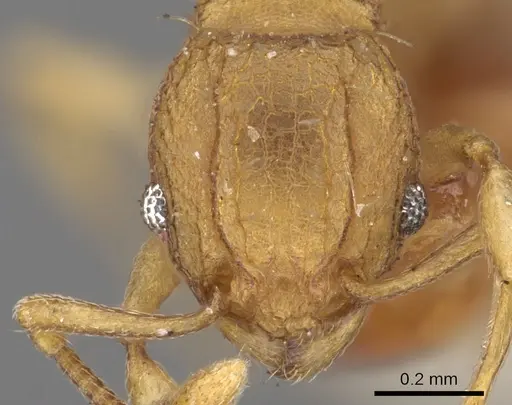
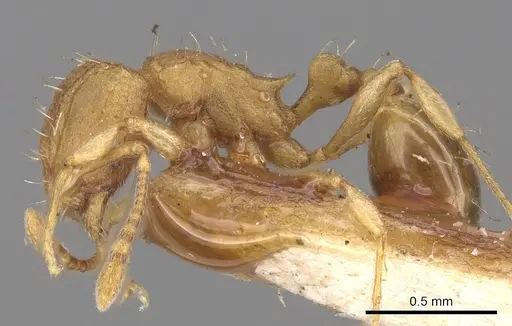
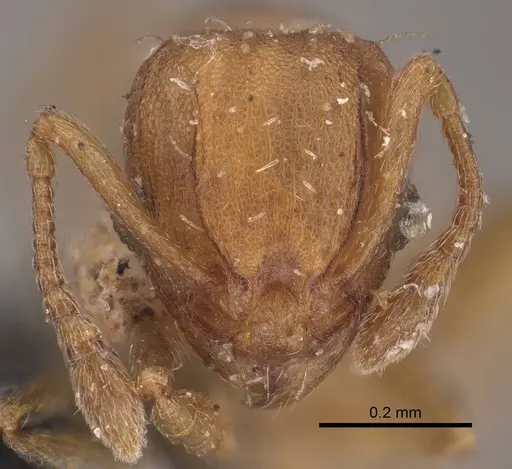
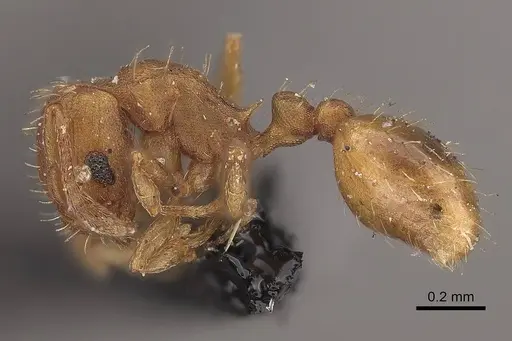
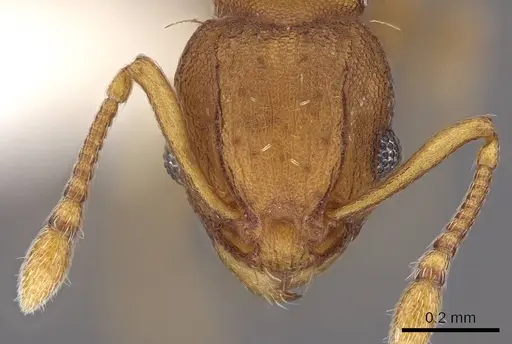
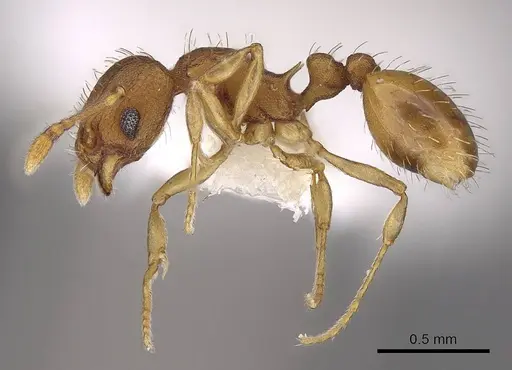
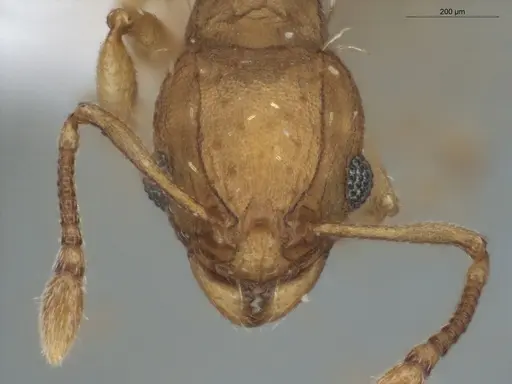
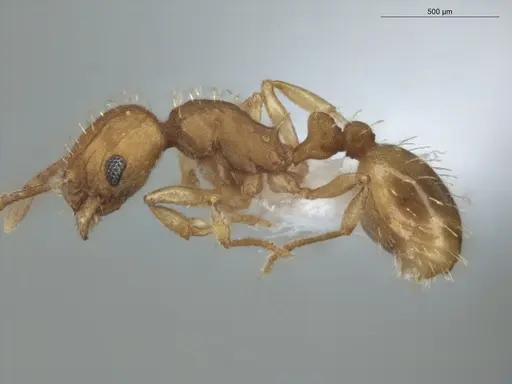
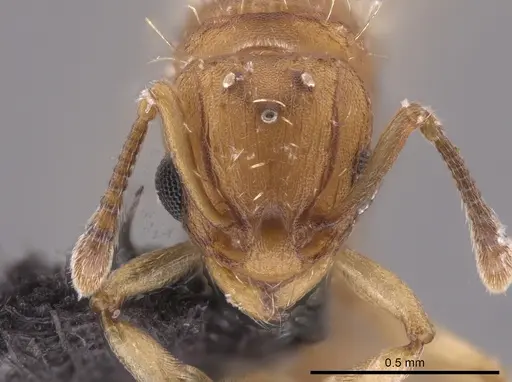
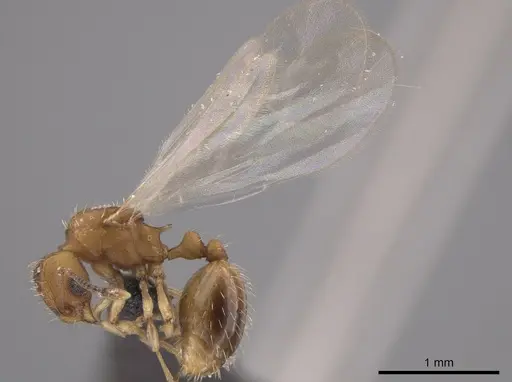
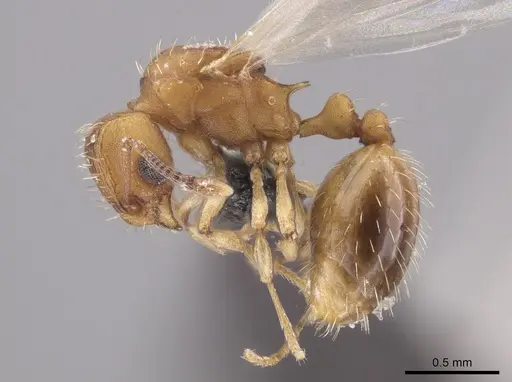
Wasmannia sigmoidea is a tiny ant species native to the circumcaribbean region, found across the Guianas, Antilles (St. Vincent, Grenada, Puerto Rico), Costa Rica, Venezuela, and northeastern Brazil [1]. Workers measure just 0.49-0.52mm in head width, making them one of the smaller ant species you'll encounter [1]. The species has relatively long propodeal spines that curve upward and notably large eyes for its size [1]. Queens are larger at 0.58-0.61mm head width and 0.82-0.86mm mesosoma length [1]. This species has been poorly characterized in scientific literature and is often confused with the related Wasmannia rochai [1]. It prefers open and synanthropic (human-altered) habitats, which explains why it's been undersampled in Costa Rica where most ant surveys focus on forested areas [1]. The ants live in small colonies in leaf litter and have been documented attending aphids for honeydew [2].
Quick Summary
- Difficulty: Medium
- Origin & Habitat: Tropical Central and South America, including the Guianas, Antilles (St. Vincent, Grenada, Puerto Rico), Costa Rica, Venezuela, and northeastern Brazil. Prefers open, synanthropic habitats and is found in leaf litter [1][3].
- Colony Type: Small colonies with single queen documented. Colony structure is not fully studied, but field observations indicate small colony sizes [4].
- Colony: Monogyne
- Size & Growth:
- Queen: 0.82-0.86mm mesosoma length,0.58-0.61mm head width [1]
- Worker: 0.49-0.52mm head width,0.55-0.58mm head length,0.56-0.61mm mesosoma length [1]
- Colony: Small colonies, likely under 500 workers based on field observations [4]
- Growth: Unknown, no development data available
- Development: Unknown, no direct studies on development. Based on related Wasmannia species and tropical Attini patterns, estimate 4-8 weeks at optimal temperature. (Development timeline is unconfirmed. Related Wasmannia species typically develop relatively quickly in warm conditions.)
- Antkeeping:
- Temperature: Keep at 24-28°C. As a tropical species, they need warm conditions year-round. A heating cable on one side of the nest creates a suitable gradient
- Humidity: High humidity preferred, think damp forest floor. Keep the nest substrate consistently moist but not waterlogged. These leaf-litter ants need humidity around 70-80%
- Diapause: No, tropical species does not require hibernation. Keep temperatures stable year-round
- Nesting: Naturalistic setup with moist substrate works well. They nest in leaf litter and small cavities in nature, a Y-tong or plaster nest with tight chambers scaled to their tiny size is appropriate. Avoid dry conditions
- Behavior: These are tiny, discreet ants that nest in leaf litter. They are not aggressive and typically stay hidden within their nest chambers. Workers forage individually in the litter layer. Due to their minute size, escape prevention is critical, they can squeeze through remarkably small gaps. They have been documented tending aphids (Toxoptera aurantii), indicating they will accept honeydew/sugar sources [2]. They are not known to sting and pose no danger to keepers.
- Common Issues: escape prevention is critical due to their extremely small size, use fine mesh and tight-fitting barriers, small colony size means slow population growth, don't expect rapid expansion, tropical species needs constant warmth, cold temperatures will slow or stop brood development, high humidity requirements can lead to mold if ventilation is poor, wild-caught colonies may be difficult to establish due to their cryptic nature and small colony sizes
Housing and Nest Setup
Wasmannia sigmoidea is a tiny leaf-litter ant that needs appropriately scaled housing. Use a naturalistic setup or Y-tong nest with very small chambers, these ants are only about 0.5mm wide, so tight passages are essential [1]. A plaster or acrylic nest works well, but chambers must be appropriately sized. Because they come from humid tropical habitats, the nest material should retain moisture well. Avoid test tubes with large water reservoirs as these tiny ants can drown. A thin layer of moist substrate (like a mixture of soil and sand) in a naturalistic setup mimics their natural leaf-litter environment. Ensure excellent escape prevention, these ants can fit through gaps that seem impossible. Use fine mesh on any ventilation holes and check all seams regularly.
Feeding and Diet
In the wild, Wasmannia sigmoidea has been documented attending aphids (Toxoptera aurantii), confirming they accept honeydew [2]. They are classified in the omnivorous guild and likely forage for small arthropods and sugar sources in nature [5]. In captivity, offer small live prey like springtails, fruit flies, or other micro-arthropods appropriate to their tiny size. Sugar water or honey can be offered occasionally, especially if you notice workers showing interest. Feed protein prey 2-3 times per week, and provide a constant sugar source. Remove uneaten prey after 24-48 hours to prevent mold. Because they are so small, prey items should be appropriately sized, anything larger than their head width will likely be ignored.
Temperature and Care
As a tropical species from the Caribbean and Central America, Wasmannia sigmoidea needs warm temperatures year-round. Keep the nest area at 24-28°C for optimal brood development. A heating cable on one side of the nest creates a gentle gradient, allowing ants to thermoregulate. Room temperature may be insufficient if your home is below 24°C, monitor with a thermometer. Unlike temperate species, they do not require any diapause or winter cooling period. Stable warmth is key, avoid drafts and temperature fluctuations. If workers become sluggish or cluster together excessively, the temperature may be too low. [1][3]
Humidity and Water
These leaf-litter ants require high humidity to thrive. Keep the nest substrate consistently moist but not waterlogged, it should feel damp to the touch without standing water. Aim for humidity around 70-80% within the nest chamber. Mist the outworld occasionally, but rely on substrate moisture rather than misting schedules. In naturalistic setups, ensure proper drainage to prevent saturation. Good ventilation is important to prevent mold while maintaining humidity, avoid both stagnant air and excessive drying. A water tube with a small cotton ball can provide drinking water, but ensure the cotton is not too wet to prevent drowning of these tiny ants. [1][4]
Behavior and Temperament
Wasmannia sigmoidea is a discreet, non-aggressive species that tends to stay hidden within the nest. Workers are small and forage individually in the litter layer rather than forming prominent foraging trails. They are not known to be aggressive or to sting, making them safe to handle. However, their tiny size makes them excellent escape artists, even the smallest gaps in your setup will be found. Check barrier integrity frequently. Colonies remain relatively small compared to many common ant species, so don't expect the impressive worker numbers seen in species like Camponotus or Formica. The species is poorly studied in the wild, so much of their natural behavior remains undocumented. [1][4]
Colony Establishment
Establishing Wasmannia sigmoidea colonies can be challenging due to their small size and cryptic nature. If acquiring a wild colony, look for queens in palm rootballs or leaf litter accumulations, they have been found in these microhabitats [1]. Founding colonies should be kept in small containers with appropriate humidity. The claustral or semi-claustral nature of founding is unconfirmed, so err on the side of providing a small prey item occasionally after the queen seals any chamber. Growth is likely slow given their small ultimate colony size. Patience is essential, don't disturb the founding chamber unnecessarily. If the colony was wild-caught, monitor for parasites which can quickly collapse small colonies.
Frequently Asked Questions
How long does it take for Wasmannia sigmoidea to produce first workers?
The exact development timeline is unknown as this species has not been studied in captivity. Based on related Wasmannia species and typical tropical Attini development, expect first workers (nanitics) in approximately 4-8 weeks at optimal warm temperatures (26-28°C). Growth will be slower at cooler temperatures.
Are Wasmannia sigmoidea ants good for beginners?
This species is rated as medium difficulty. While they are not aggressive and don't require hibernation, their tiny size makes escape prevention challenging and their humidity requirements are specific. They are also less commonly available than many beginner species. Some antkeeping experience is recommended before attempting this species.
How big do Wasmannia sigmoidea colonies get?
Based on field observations, colonies remain relatively small, likely under 500 workers at maturity [4]. This is a small colony species compared to many commonly kept ants. Don't expect massive worker numbers.
What do Wasmannia sigmoidea ants eat?
They are omnivorous, feeding on small arthropods and sugar sources. In captivity, offer small live prey like springtails or fruit flies, along with sugar water or honey. They have been documented attending aphids in the wild, confirming they will collect honeydew [2].
Can I keep multiple Wasmannia sigmoidea queens together?
This has not been documented. The single-queen colony structure has been observed in the field [4], but combining unrelated foundresses has not been studied. It is not recommended to attempt multi-queen colonies without evidence they can coexist.
Do Wasmannia sigmoidea ants need hibernation?
No, they are a tropical species from the Caribbean and Central America and do not require any diapause period. Keep them warm year-round at 24-28°C.
Why are my Wasmannia sigmoidea ants escaping?
This species is extremely small, workers are only about 0.5mm. They are expert escape artists and can squeeze through gaps that seem impossible. Use fine mesh (at least 0.5mm or smaller), check all seams and lid edges, and consider using fluon or other barriers on container rims. Inspect your setup daily until you are certain escapes are prevented.
When should I move Wasmannia sigmoidea to a formicarium?
Wait until the colony has at least 20-30 workers and is actively foraging in the outworld. For this small species, a appropriately scaled formicarium with tiny chambers is essential. A Y-tong or plaster nest with small passages works well. Don't upgrade too early, oversized spaces can stress small colonies.
What temperature is best for Wasmannia sigmoidea?
Keep them at 24-28°C. As a tropical species from the circumcaribbean region, they need consistent warmth [1]. Use a heating cable on one side of the nest to create a gradient, and monitor with a thermometer. Avoid temperatures below 22°C for extended periods.
References

This caresheet is licensed under CC BY-SA 4.0 .
CASENT0901665
View on AntWeb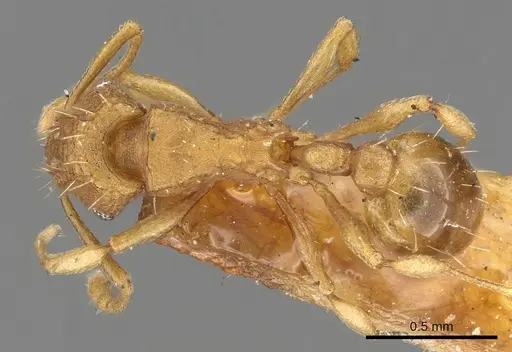
CASENT0919618
View on AntWeb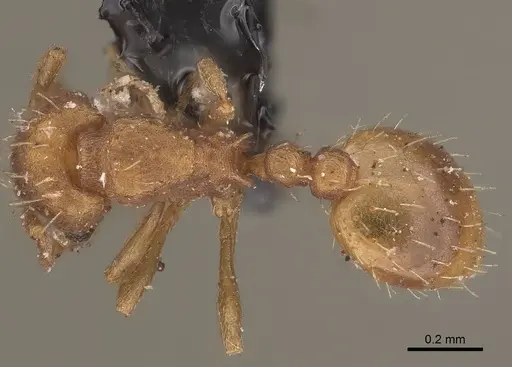
CASENT0922486
View on AntWeb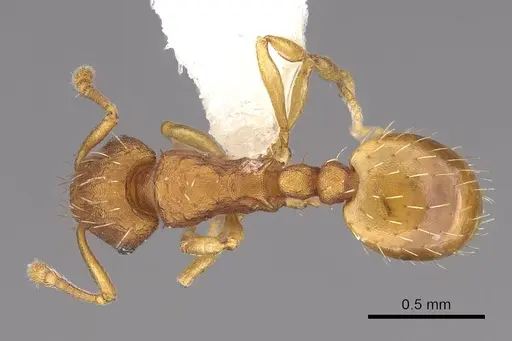
ECOFOG-SAV18-0257-04
View on AntWeb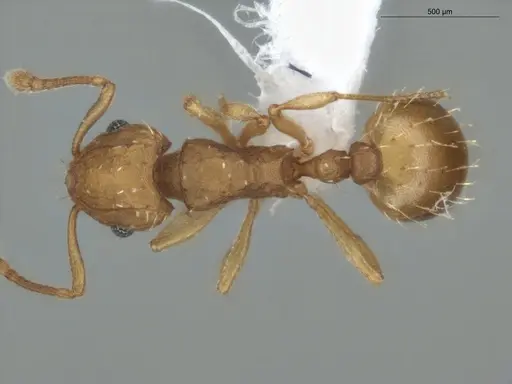
JTLC000006295
View on AntWeb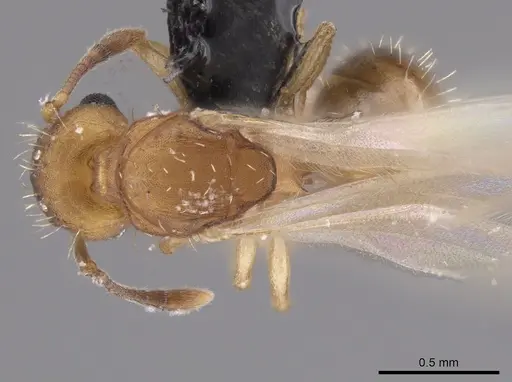
Literature
Loading...Loading products...