

Wasmannia rochai
- Scientific Name
- Wasmannia rochai
- Tribe
- Attini
- Subfamily
- Myrmicinae
- Author
- Forel, 1908
- Distribution
- Found in 11 countries
Wasmannia rochai Overview
Wasmannia rochai is an ant species of the genus Wasmannia. It is primarily documented in 11 countries , including Argentina, Brazil, Belize. Detailed taxonomic data and occurrence records can be further explored via authoritative databases such as AntWeb or the Global Biodiversity Information Facility (GBIF).
Wasmannia rochai
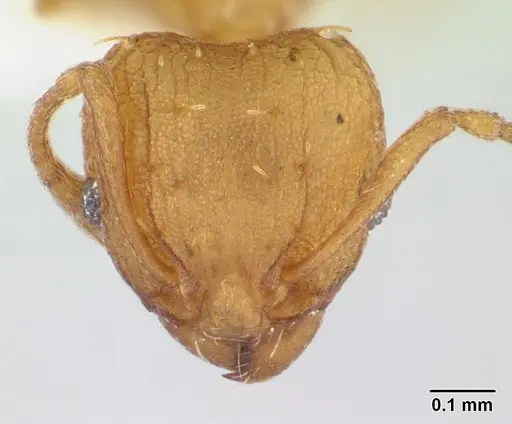
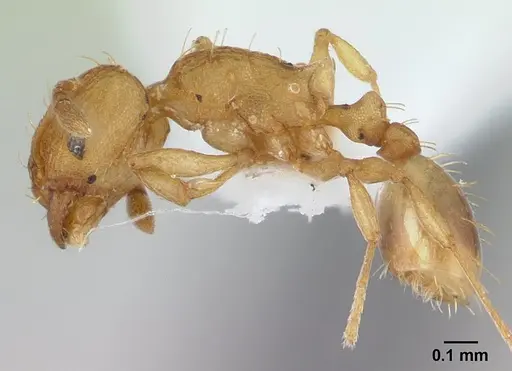
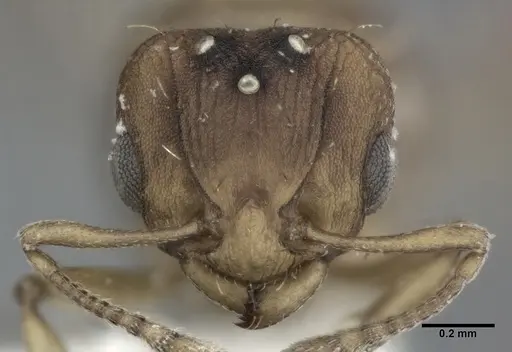
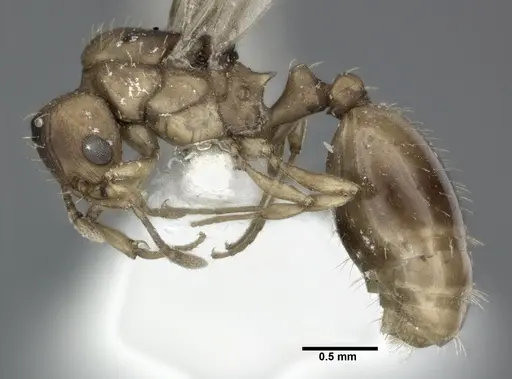
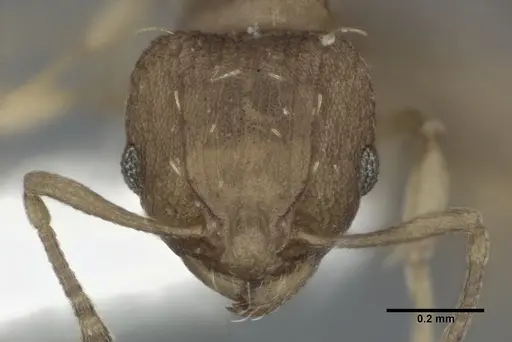
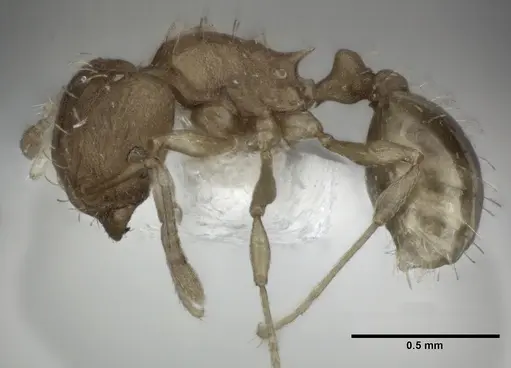
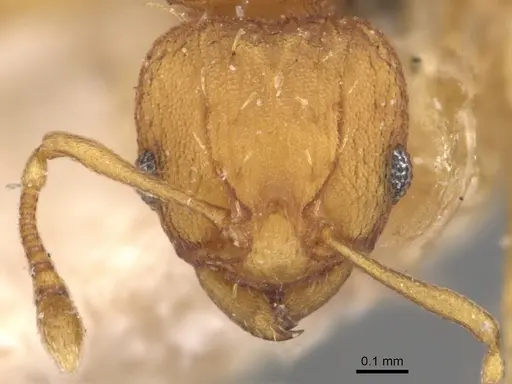
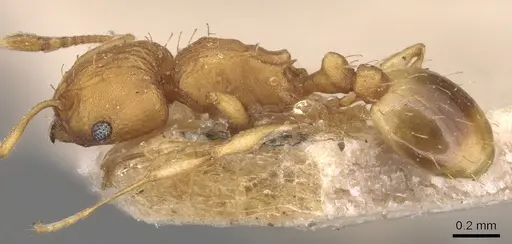
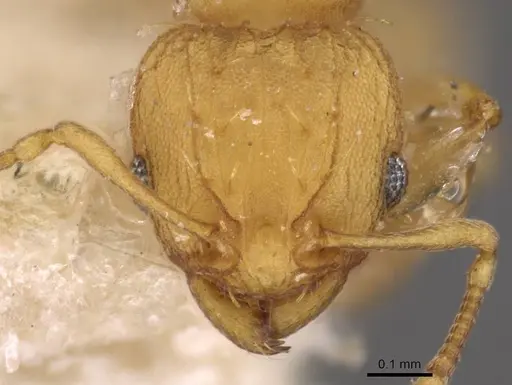
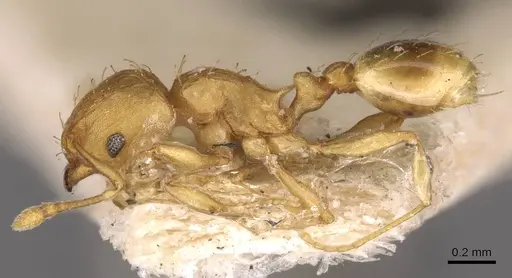
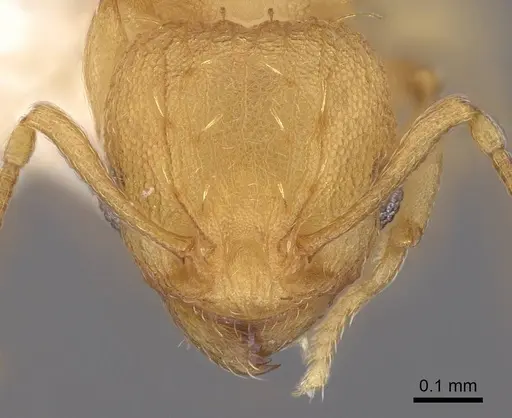
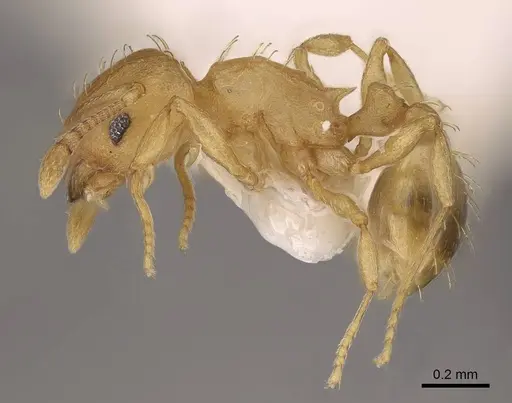
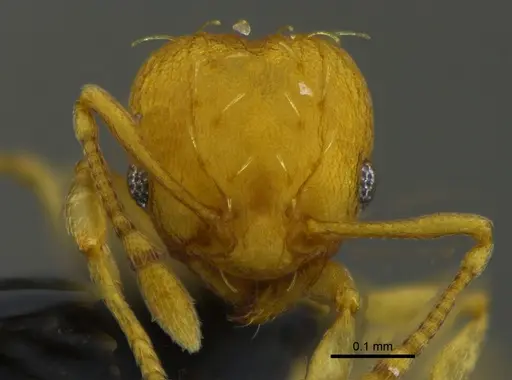
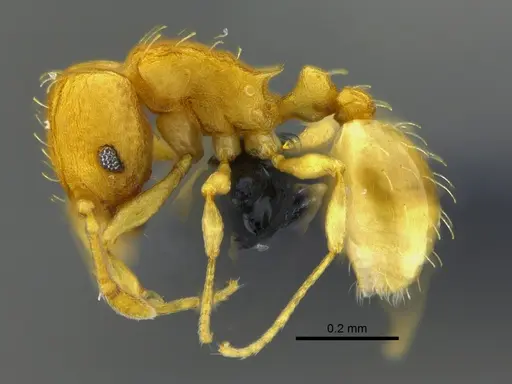
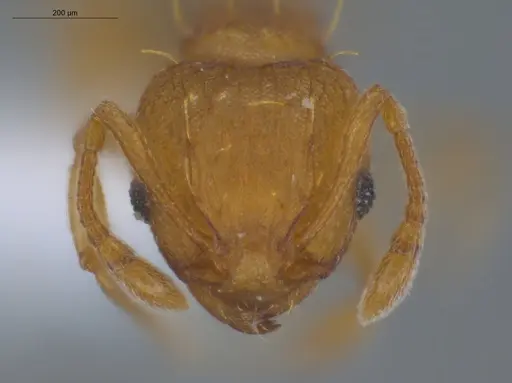
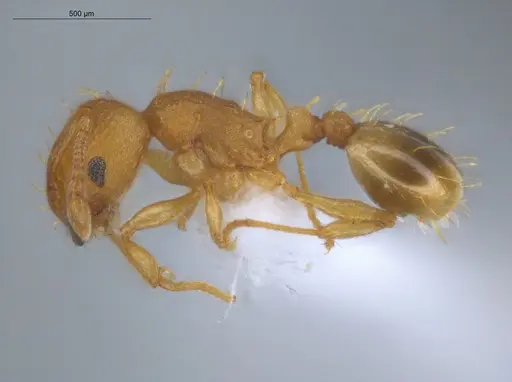
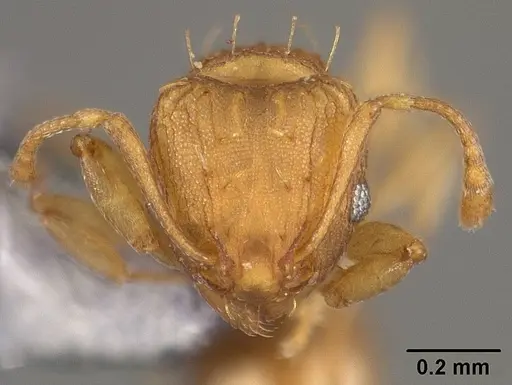
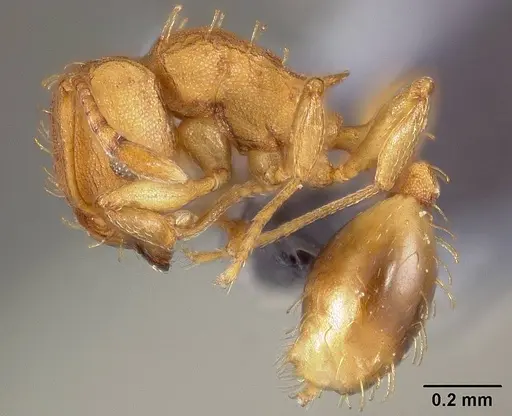
Wasmannia rochai is a tiny Neotropical ant native to the American tropics, ranging from Mexico down to Argentina [1][2]. Workers measure just 0.45-0.54mm in body length, making them one of the smaller ant species you'll encounter, about the size of a grain of sand [1][3]. They have a reddish-yellow to orange coloration with distinctive curved, club-shaped hairs on their back and short propodeal spines [2]. Unlike their notorious relative W. auropunctata (the little fire ant), these ants are far less aggressive and rarely sting [2].
This species is primarily arboreal, living in tree canopies across the Neotropics [1]. It's considered a pest in cocoa plantations in Brazil, though it causes much less damage than W. auropunctata [3][2]. In the wild, you'll find them nesting in abandoned termite colonies, tree hollows, and epiphyte plants high above the forest floor [4][5]. Their small size and arboreal lifestyle make them a fascinating but challenging species to keep.
Quick Summary
- Difficulty: Medium
- Origin & Habitat: Neotropical region, Mexico south to Argentina, including Brazil, Costa Rica, Panama, Guatemala, Venezuela, and the Atlantic Forest ecoregion [1][2]. Found in canopy ant communities in tropical rainforests, secondary forests, and agricultural areas like cocoa plantations [1][2].
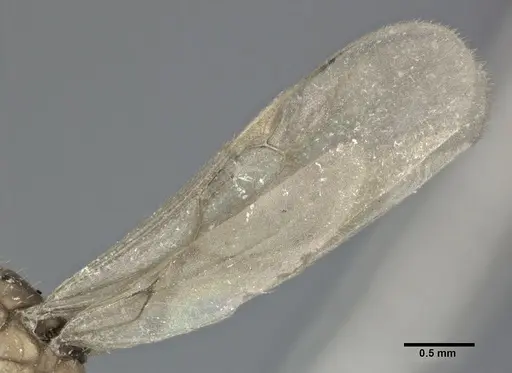
- Colony Type: Colony structure is not well documented in scientific literature. Related species in the genus Wasmannia typically form monogyne (single-queen) colonies, though this specific trait has not been confirmed for W. rochai. Queens measure 1.08-1.20mm and are significantly larger than workers [1].
- Size & Growth:
- Queen: 1.08-1.20mm [1]
- Worker: 0.45-0.54mm (WL), approximately 1.5mm total body length [1][3]
- Colony: Likely moderate, related species typically reach several hundred workers. As a subdominant species in cocoa canopies, they form numerous populations but don't dominate large areas [3].
- Growth: Unknown, no specific development data exists for this species. Based on related Wasmannia species and their small size, expect relatively fast development compared to larger ants.
- Development: Estimated 4-6 weeks based on typical Myrmicinae development at tropical temperatures. This is an estimate, no specific studies exist for this species. (Development time is inferred from related species in the genus. Tropical species typically develop faster than temperate ones.)
- Antkeeping:
- Temperature: Keep at 24-28°C, these are tropical ants from warm, humid forests [1]. Room temperature in most homes should work, but a heating cable on one side of the nest can help maintain stability.
- Humidity: High humidity (60-80%) is essential, they're from the tropical rainforest canopy [1]. Keep the nest substrate consistently moist but not waterlogged. Their small size means they dry out quickly.
- Diapause: No, as a tropical species, they do not require hibernation [1]. Keep them at warm temperatures year-round.
- Nesting: Arboreal setup works best, they naturally live in tree canopies and epiphyte plants [5][6]. A test tube setup can work, but provide climbing structures and keep humidity high. They may accept small acrylic nests or plaster setups designed for tiny ants.
- Behavior: These ants are relatively docile compared to W. auropunctata, they're less likely to sting or show aggressive defense [2]. Workers are tiny and very active, foraging extensively through their territory. They have functional stingers (Myrmicinae), but rarely use them. Escape prevention is critical, at under 1mm, they can squeeze through the tiniest gaps [7]. They likely form typical ant trails and recruit nestmates to food sources.
- Common Issues: escape prevention is critical, they are minute (, humidity control is challenging, their small size means they dry out quickly in dry conditions, tropical temperature requirements mean they may struggle in air-conditioned rooms, limited research means care is largely based on inference from related species, wild-caught colonies may carry parasites or be stressed from collection
Housing and Nest Setup
Wasmannia rochai is an arboreal species that naturally lives high in tree canopies, in epiphyte plants, and abandoned termite nests [4][5]. For captivity, a test tube setup works well for founding colonies, keep the tube humid and dark. Because they're so tiny, even standard test tube setups need careful attention to humidity. For established colonies, a small acrylic nest or plaster setup with good moisture retention works better than traditional earth nests. Provide climbing structures like twigs or fake plants since they're arboreal. Escape prevention is absolutely critical, use fluon on edges and ensure all openings are sealed. At under 1mm, they can escape through gaps you'd never believe possible [7].
Feeding and Diet
Like other Wasmannia species, W. rochai is likely omnivorous, feeding on honeydew, small insects, and plant nectar. In their native habitat, they're found in cocoa plantations where they tend sap-sucking insects for honeydew [3]. Offer sugar water or honey as a constant energy source. For protein, small live prey like fruit flies, pinhead crickets, or springtails works well, their tiny size means even small prey needs to be appropriately scaled. In the wild, they forage extensively in the canopy, so scatter food rather than placing it in one spot. They may accept commercial ant foods, but live prey is better for a species this small.
Temperature and Seasonal Care
These are tropical ants requiring warm, stable temperatures between 24-28°C [1]. They come from the Neotropics where temperatures stay warm year-round, so no hibernation or diapause is needed. In fact, cooler temperatures will slow their activity and potentially harm the colony. If your room temperature is below 24°C, use a heating cable on one side of the nest to create a warm zone. Avoid temperature fluctuations, tropical species are less tolerant of changes than temperate ants. A small thermometer helps you monitor conditions. Keep them away from air conditioning vents and drafty windows.
Handling and Temperament
Wasmannia rochai is much less aggressive than its famous relative W. auropunctata (the little fire ant) [2]. While they can sting, they rarely do so and are considered relatively docile. However, their small size makes them hard to handle, and accidentally crushing workers releases alarm pheromones that can agitate the colony. They're active foragers and will explore their outworld extensively. The biggest handling concern is actually escape, at less than 1mg weight, they can fit through gaps that seem impossibly small [7]. Always work over a white surface so you can spot escapes, and keep a damp paper towel handy to gently catch any escapees.
Colony Growth and Expectations
Starting with a queen, expect 6-12 weeks to first workers (nanitics) based on typical Myrmicinae development at tropical temperatures, this is an estimate since no specific studies exist for this species. Initial colonies grow slowly as the queen raises her first brood alone. Once workers emerge, growth typically accelerates. These are small colonies compared to species like Camponotus or Formica, expect a few hundred workers at maturity rather than thousands. They're described as subdominant in their native habitat, meaning they form many small populations rather than dominating large areas [3]. Patience is key, small species often take longer to establish than larger ants.
Frequently Asked Questions
How long does it take for Wasmannia rochai to get first workers?
Expect 6-12 weeks from founding to first workers (nanitics) at optimal tropical temperatures (24-28°C). This is an estimate based on related Wasmannia species and typical Myrmicinae development, no specific studies exist for this species. The exact time depends on temperature and feeding.
Can I keep Wasmannia rochai in a test tube?
Yes, test tubes work well for founding colonies. Keep the tube humid and dark, with a water reservoir at one end. Because they're so tiny, monitor humidity closely, they dry out quickly. Transfer to a larger setup once the colony reaches 20-30 workers.
What do Wasmannia rochai eat?
They're omnivorous. Offer sugar water or honey constantly for energy, plus small live prey like fruit flies, springtails, or tiny crickets for protein. In their native cocoa plantation habitat, they feed heavily on honeydew from sap-sucking insects [3].
Are Wasmannia rochai good for beginners?
This is a medium-difficulty species. Their small size and escape risk make them challenging, but their docile temperament helps. They're harder to keep than larger, more robust species like Lasius or Camponotus. If you're new to antkeeping, consider starting with a larger species first.
What temperature do Wasmannia rochai need?
Keep them at 24-28°C, they're tropical ants from the Neotropics [1]. No hibernation needed. Use a heating cable if your room temperature runs cooler. Avoid temperature fluctuations and keep them away from air conditioning.
How big do Wasmannia rochai colonies get?
Likely several hundred workers at maturity. They're described as subdominant in their native habitat, forming many populations rather than massive colonies [3]. Exact maximum colony size isn't documented in scientific literature.
Why are my Wasmannia rochai escaping?
They're extremely small, under 1mm, and can squeeze through impossibly tiny gaps [7]. Use excellent escape prevention: apply fluon to all edges, check lid seals, and ensure any ventilation holes are covered with fine mesh. Even a hairline crack is an escape route for them.
Do Wasmannia rochai need high humidity?
Yes, high humidity (60-80%) is essential, they're from tropical rainforest canopies [1]. Keep the nest substrate consistently moist but not waterlogged. Their small size means they dry out quickly in dry conditions.
Where is Wasmannia rochai native to?
The Neotropics, from Mexico south to Argentina, including Brazil, Costa Rica, Panama, Guatemala, and Venezuela [1][2]. They're found in tropical rainforests, secondary forests, and agricultural areas like cocoa plantations.
References

This caresheet is licensed under CC BY-SA 4.0 .
CASENT0179464
View on AntWeb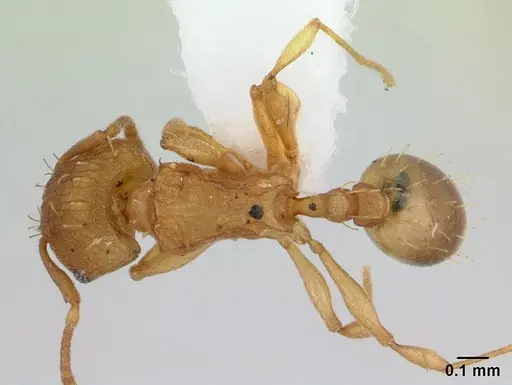
CASENT0246162
View on AntWeb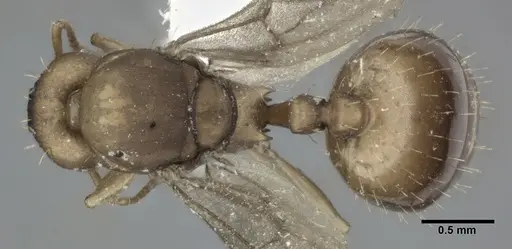
CASENT0246163
View on AntWeb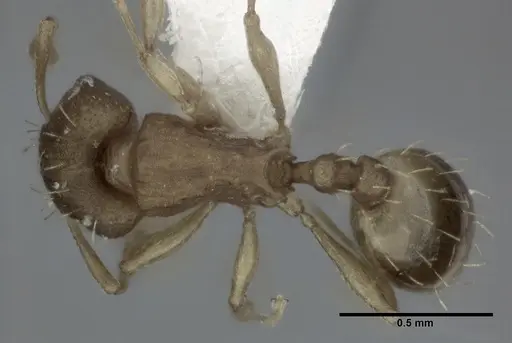
CASENT0904876
View on AntWeb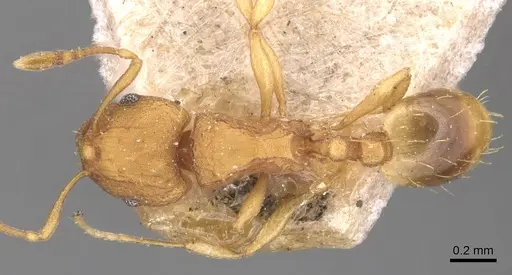
CASENT0909216
View on AntWeb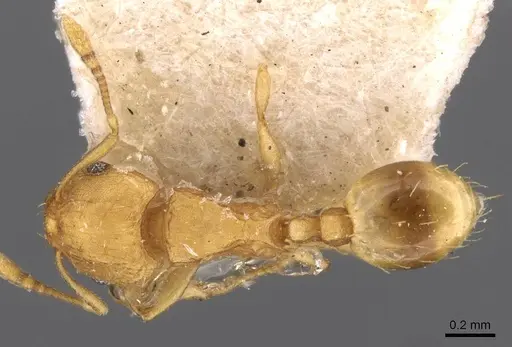
CASENT0922484
View on AntWeb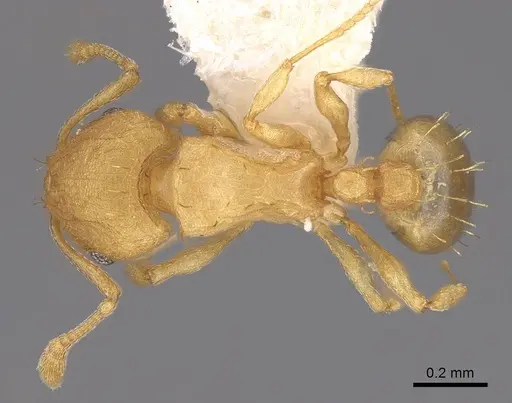
CBUMAGENT41924
View on AntWeb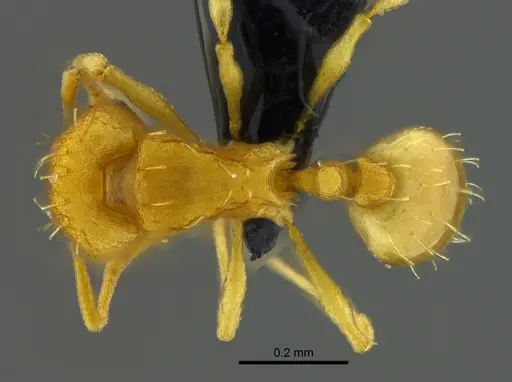
ECOFOG-BUG-1924-04
View on AntWeb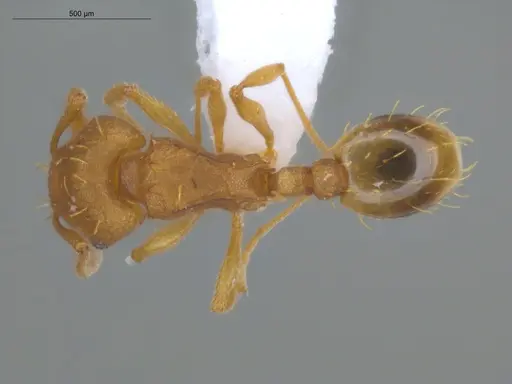
USNMENT00445870
View on AntWeb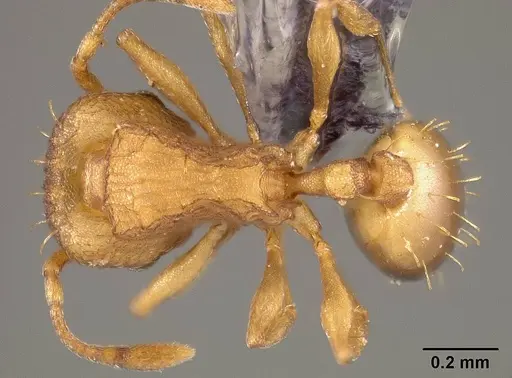
Literature
Loading...Loading products...