

Vitsika miranda
- Scientific Name
- Vitsika miranda
- Tribe
- Crematogastrini
- Subfamily
- Myrmicinae
- Author
- Bolton & Fisher, 2014
- Distribution
- Found in 1 countries
Vitsika miranda Overview
Vitsika miranda is an ant species of the genus Vitsika. It is primarily documented in 1 countries , including Madagascar. Detailed taxonomic data and occurrence records can be further explored via authoritative databases such as AntWeb or the Global Biodiversity Information Facility (GBIF).
Vitsika miranda
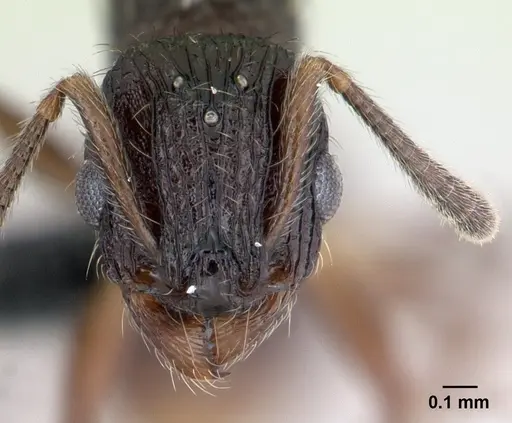
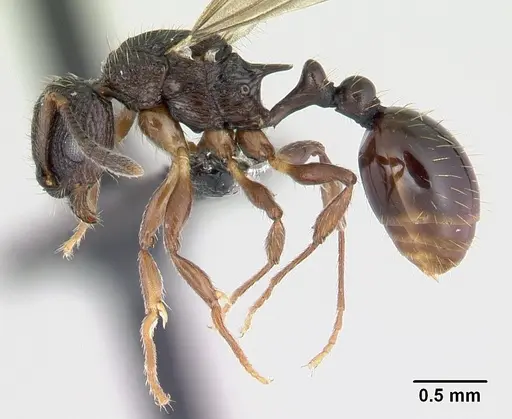
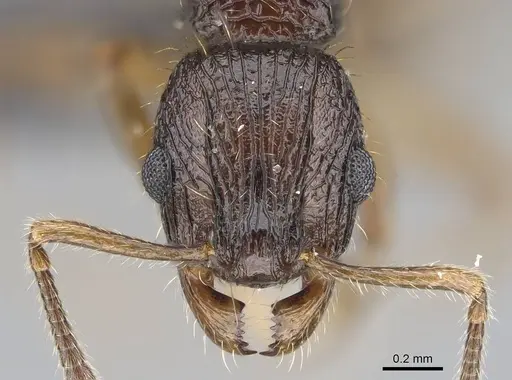
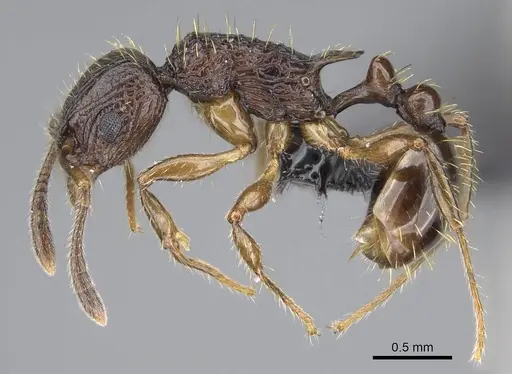
Vitsika miranda is a tiny Myrmicine ant endemic to Madagascar, measuring just 3.5-4.0mm for workers [1]. These ants are dark brown to nearly black in color, with distinctive short, stubbly hairs on their hind tibiae and prominent transverse ridges on their propodeum [1]. They belong to the Crematogastrini tribe and were formally described in 2014 by Bolton and Fisher. In the wild, they inhabit montane rainforest environments at elevations around 1260-1360 meters, where they nest above ground level in dead bamboo stems, twigs, and rotting wood on standing trees [1]. This species is closely related to Vitsika obscura and resembles the yellow Vitsika astuta, but can be distinguished by its shorter tibial setae and more conspicuous propodeal costulae [2].
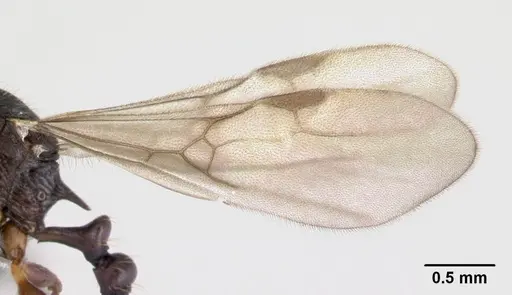
What makes Vitsika miranda particularly interesting is their arboreal nesting behavior, unlike many ants that nest in soil, these ants prefer above-ground cavities in dead wood and vegetation [1]. Only alate (winged) queens have been collected, meaning we don't yet have information about how they establish colonies or what their mature colony sizes reach. This species represents a relatively new addition to the antkeeping hobby, with much still to learn about their captive care requirements.
Quick Summary
- Difficulty: Medium
- Origin & Habitat: Endemic to Madagascar, specifically found in montane rainforest habitats at elevations of 1260-1360 meters in the R.S. Kalambatritra region (Prov. Toliara) [1].
- Colony Type: Colony structure is unconfirmed, only alate (winged) queens have been collected in the wild, with no dealate queens or established colony observations available [1].
- Size & Growth:
- Queen: Approximately 0.89-0.90mm head length,1.24-1.28mm mesosoma length (total length not specified) [1]. Estimated from related species.
- Worker: 3.5-4.0mm total length [1].
- Colony: Unknown, no mature colony data available. Based on similar small Myrmicinae, likely reaches several hundred workers.
- Growth: Unknown, no development data available. Estimated as moderate based on small body size.
- Development: Unknown, no direct measurements. Based on typical Myrmicinae patterns and Madagascar montane climate, estimated at 6-10 weeks at optimal temperature. (Development timeline is unconfirmed. Montane habitat suggests they may prefer cooler temperatures than typical tropical species.)
- Antkeeping:
- Temperature: Based on their montane rainforest origin at ~1300m elevation in Madagascar, they likely prefer cooler temperatures than typical tropical ants. Aim for roughly 20-24°C, with a slight gradient if possible. Avoid overheating.
- Humidity: High humidity is essential, think damp forest floor and rotting wood. Keep nest substrate consistently moist but not waterlogged. Their natural habitat in montane rainforest is consistently humid.
- Diapause: Unknown, no data on overwintering requirements. Madagascar has mild seasonal variation, but montane populations may experience cooler periods. Monitor colony activity for signs of seasonal slowdown.
- Nesting: These ants naturally nest above ground in dead wood, bamboo stems, and twigs [1]. In captivity, they do well in test tubes with a small wood piece or twig added, or in small naturalistic setups with rotting wood. They prefer tight, enclosed spaces scaled to their tiny size.
- Behavior: Vitsika miranda is a small, generally peaceful ant species. Workers are active and forage in the vegetation layer. Their tiny size (3.5-4mm) means escape prevention is critical, they can squeeze through standard mesh barriers. They are likely omnivorous, accepting both sugar sources and small protein prey. No aggressive defense behaviors have been documented.
- Common Issues: tiny size means escapes are likely without fine mesh barriers, use tight-fitting lids and fine mesh, limited available information means care requirements may need adjustment based on colony observations, above-ground nesting behavior may require more specialized setups than typical soil-nesting ants, no data on colony founding behavior, new keepers should expect a learning curve, high humidity requirements can lead to mold issues if ventilation is poor
Housing and Nest Setup
Vitsika miranda presents unique housing challenges due to their arboreal nesting habits in the wild. In captivity, they do well in small test tubes with a piece of dead twig or small wood chip added for enrichment [1]. The test tube should have a water reservoir but not be too large, these tiny ants feel secure in tight spaces. You can also use small acrylic nests or naturalistic setups with rotting wood pieces. Whatever setup you choose, ensure it has tight-fitting barriers because their small size allows them to escape through standard mesh. Add some dead leaves or small bark pieces to simulate their natural above-ground environment. A small outworld area for foraging completes the setup.
Feeding and Diet
Like most Myrmicinae ants, Vitsika miranda is likely omnivorous. Offer sugar water or honey diluted with water as a constant energy source. For protein, small live prey is ideal, fruit flies, pinhead crickets, and small mealworms work well. Given their tiny size, prey items should be appropriately small. You can also experiment with commercial ant foods. Feed every 2-3 days, removing uneaten prey after 24 hours to prevent mold. Since we don't have direct feeding observations for this species, be prepared to adjust based on what your colony accepts.
Temperature and Humidity
These ants come from montane rainforest in Madagascar at elevations around 1300m, which means they prefer cooler, more humid conditions than typical tropical ants. Keep temperatures in the range of 20-24°C, avoid overheating as they from a relatively cool climate. Humidity should be high, around 70-80%. Keep the nest substrate consistently moist but not waterlogged. You can achieve this by using a water reservoir in the test tube setup and misting the outworld occasionally. Good ventilation is important to prevent mold while maintaining humidity. [1]
Colony Development and Growth
Since Vitsika miranda was only described in 2014,there is limited information about their captive development. Based on their small size (3.5-4mm workers) and typical Myrmicinae development patterns, expect the first workers (nanitics) to emerge roughly 6-10 weeks after the queen lays eggs, assuming optimal temperature around 22°C. Growth rate is likely moderate, not as fast as larger species like Camponotus, but faster than very slow-growing ants. Colony size at maturity is unknown but likely reaches several hundred workers based on similar species. Be patient with founding colonies, small species often take time to establish.
Behavior and Temperament
Vitsika miranda workers are small but active foragers. In the wild, they have been found on low vegetation and in dead plant material above ground [1]. They are likely not aggressive and should be peaceful to keep. Workers probably forage individually or in small groups rather than forming large raiding parties. Their tiny size makes them vulnerable to other ant species, so keep them separated from larger colonies. They are not known to sting, Myrmicinae ants can sting but these small ants are unlikely to cause harm to humans. The main behavioral concern is their escape ability despite their small size, always use excellent barrier prevention.
Seasonal Care and Overwintering
The seasonal requirements for Vitsika miranda are not well documented. Madagascar has mild seasons, but montane populations at 1300m elevation experience cooler temperatures. There is no confirmed diapause requirement, but you may notice reduced activity during cooler months. If your colony becomes less active in winter, reduce feeding and avoid disturbing them. Do not hibernate aggressively, these are not cold-hardy ants. Room temperature over winter is likely sufficient. Monitor your colony and adjust care based on their behavior rather than forcing a strict hibernation schedule.
Frequently Asked Questions
How long does it take for Vitsika miranda to produce first workers?
The exact development timeline is unknown for this species. Based on typical Myrmicinae patterns and their small size, expect first workers (nanitics) to emerge around 6-10 weeks after the queen lays eggs at optimal temperatures of 20-24°C. Be patient, small founding colonies often take time to establish.
What do Vitsika miranda ants eat?
Like most Myrmicinae, they are omnivorous. Offer sugar water or honey as a constant energy source, and small protein prey like fruit flies, small mealworms, or pinhead crickets. Feed every 2-3 days, removing uneaten prey after 24 hours.
What temperature do Vitsika miranda ants need?
Based on their montane rainforest origin in Madagascar, aim for 20-24°C. They prefer cooler temperatures than typical tropical ants due to their high-elevation habitat. Avoid overheating and sudden temperature fluctuations.
How big do Vitsika miranda colonies get?
Colony size is unknown, no mature colonies have been documented. Based on similar small Myrmicinae, they likely reach several hundred workers at maturity. Growth is moderate, not extremely fast.
Do Vitsika miranda ants sting?
As Myrmicinae ants, they have the ability to sting, but these tiny ants are unlikely to cause any noticeable pain to humans. They are not aggressive and typically flee from threats rather than defend.
Are Vitsika miranda good for beginners?
This species is rated as Medium difficulty. While not the hardest ant to keep, there is limited available care information since the species was only described in 2014. Beginners should be prepared to adapt care based on observations. Their small size and specific humidity needs require attention.
Do Vitsika miranda need hibernation?
Diapause requirements are unconfirmed. Madagascar has mild seasons, but their montane habitat suggests they may experience cooler periods. There is no need for aggressive hibernation, room temperature over winter is likely sufficient. Monitor for reduced activity.
Can I keep multiple Vitsika miranda queens together?
This is unknown, only alate (winged) queens have been collected, with no data on colony founding behavior. Combining unrelated queens is not recommended due to lack of information about their social structure.
What humidity level do Vitsika miranda need?
High humidity is essential, aim for 70-80%. Their natural habitat in montane rainforest is consistently damp. Keep the nest substrate moist but not waterlogged. Good ventilation helps prevent mold while maintaining humidity.
References

This caresheet is licensed under CC BY-SA 4.0 .
CASENT0003876
View on AntWeb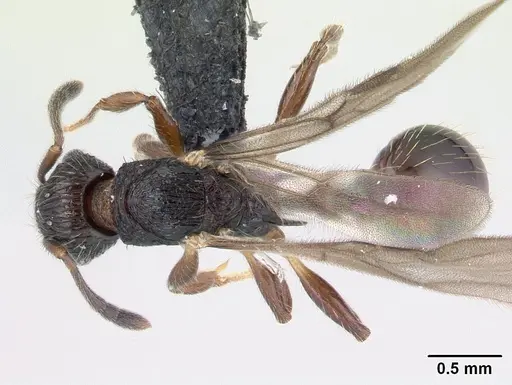
CASENT0147524
View on AntWeb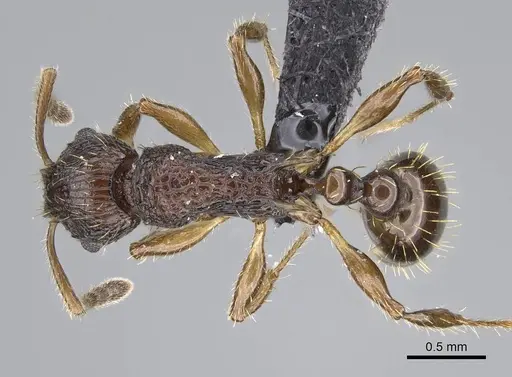
Literature
Loading...Loading products...