

Vitsika astuta
- Scientific Name
- Vitsika astuta
- Tribe
- Crematogastrini
- Subfamily
- Myrmicinae
- Author
- Bolton & Fisher, 2014
- Distribution
- Found in 1 countries
Vitsika astuta Overview
Vitsika astuta is an ant species of the genus Vitsika. It is primarily documented in 1 countries , including Madagascar. Detailed taxonomic data and occurrence records can be further explored via authoritative databases such as AntWeb or the Global Biodiversity Information Facility (GBIF).
Vitsika astuta
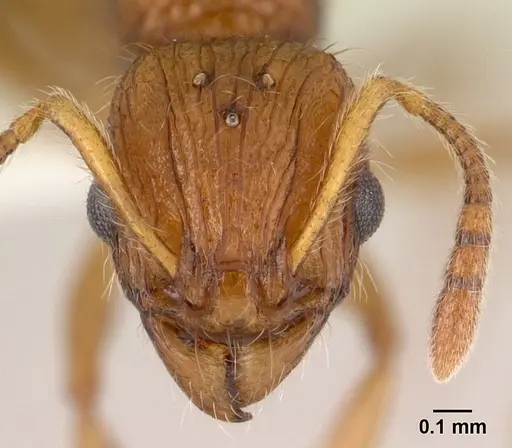
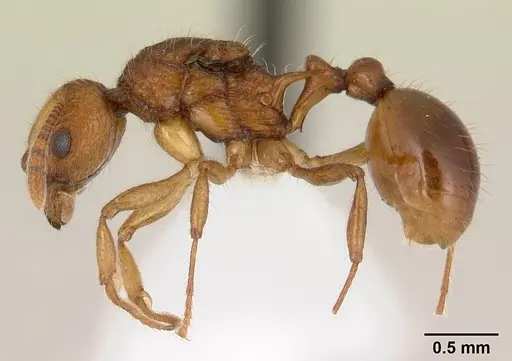
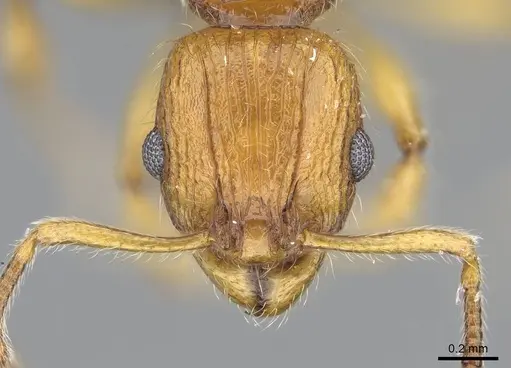
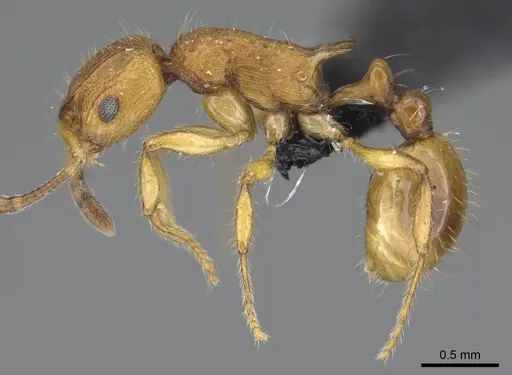
Vitsika astuta is a small yellow ant endemic to Madagascar, measuring 3.2-3.7mm in total length [1]. Workers are entirely yellow in color, though genetic analysis shows they are actually more closely related to darker species like Vitsika miranda and Vitsika obscura than to other yellow Vitsika species [2]. This species inhabits montane rainforest environments where it forages in leaf litter, rotten logs, and living plant stems [1]. The eyes are relatively well-developed with 8-9 rows of ommatidia, suggesting active foraging behavior in shaded forest understory [1]. Queens are known only from alate (winged) specimens, with males yet to be collected [1].
Quick Summary
- Difficulty: Medium
- Origin & Habitat: Endemic to Madagascar, specifically found in montane rainforest at elevations around 1580m in the Antsiranana province. In the wild, they inhabit leaf litter, rotten logs, and living plant stems in damp rainforest environments [1][2].
- Colony Type: Colony structure is unconfirmed. Only alate queens have been collected, and no colony observations have been documented in scientific literature.
- Size & Growth:
- Queen: Queens known only from alate specimens, measurements HL 0.88-0.90mm [1]. Exact size when dealated unknown.
- Worker: 3.2-3.7mm total length [1].
- Colony: Unknown, no colony size data available.
- Growth: Moderate, estimated based on small worker size and typical Myrmicinae development patterns.
- Development: Estimated 6-10 weeks at optimal temperature based on typical Myrmicinae development. (Development timeline has not been directly studied for this species. Estimates based on related genera.)
- Antkeeping:
- Temperature: Keep at 22-26°C. As a rainforest species from Madagascar, they prefer warm, stable conditions. A gentle gradient with a heating cable on one side of the nest allows workers to self-regulate.
- Humidity: High humidity is essential, these ants live in rainforest leaf litter and rotting wood. Keep the nest substrate consistently moist but not waterlogged. Provide a water reservoir and ensure the setup retains humidity well.
- Diapause: Unconfirmed. Madagascar is tropical, so a true diapause may not be necessary. Some reduction in activity during cooler months may occur. Monitor colony behavior and reduce feeding if they become less active.
- Nesting: In captivity, they do well in naturalistic setups that mimic their natural habitat. Y-tong (AAC) nests or plaster nests work well, as they retain moisture. Provide damp substrate and avoid dry environments. They are small ants that prefer tight, humid chambers.
- Behavior: Vitsika astuta is a small, active forager that hunts through leaf litter and decaying wood. As a Myrmicinae species, they have a functional stinger and may use it defensively if threatened. Their small size and yellow coloration make them somewhat cryptic in the nest. They are likely omnivorous, scavenging and hunting small prey in the wild. Escape prevention should be considered due to their small size, use fine mesh barriers and ensure all openings are sealed.
- Common Issues: high humidity requirements mean mold can be a problem if ventilation is poor, small size makes escape prevention critical, they can slip through tiny gaps, colony founding may be difficult since only alate queens have been collected and males are unknown, lack of documented care information means keepers must adapt from related species, rainforest habitat requirements make them sensitive to drying out
Housing and Nest Setup
Vitsika astuta does well in nests that retain moisture well. Y-tong (AAC) nests or plaster nests are excellent choices because they allow you to maintain the high humidity these ants need. The chambers should be appropriately sized for their small 3-4mm workers, tight spaces help them feel secure. A naturalistic setup with damp soil, rotting wood pieces, and leaf litter can also work well and mimics their natural rainforest floor habitat. Whatever nest type you choose, ensure it has a water reservoir or moisture source that keeps the substrate consistently damp without becoming waterlogged. Cover any ventilation holes with fine mesh, these tiny ants are excellent escape artists. [1]
Temperature and Humidity
As a rainforest species from Madagascar, Vitsika astuta needs warm and humid conditions. Keep the nest area at 22-26°C, this range supports typical Myrmicinae metabolism and brood development. A heating cable placed on one side of the nest creates a temperature gradient that lets workers move to their preferred zone. Humidity is critical: aim for 70-85% relative humidity within the nest. The substrate should feel damp to the touch at all times. You can achieve this with a water reservoir connected to the nest or by misting the substrate regularly. Avoid placing the nest near air conditioning or heating vents that could cause rapid drying. Poor humidity leads to failed broods and colony decline.
Feeding and Diet
In the wild, Vitsika astuta forages in leaf litter and decaying wood where it likely hunts small invertebrates and scavenges organic matter. In captivity, offer a varied diet including small protein sources like fruit flies, pinhead crickets, and mealworms. Sugar water or honey should be available at all times, Myrmicinae ants readily accept carbohydrate sources. Feed protein prey 2-3 times per week, adjusting based on colony size. Remove any uneaten prey after 24 hours to prevent mold. Since this species has not been kept extensively in captivity, be prepared to experiment with food acceptance. Observe what your colony takes readily and adjust accordingly.
Colony Development
Vitsika astuta colonies likely start with a single claustral queen who seals herself in a chamber and raises the first brood on stored fat reserves, this is typical for Myrmicinae, though not directly documented for this species. The first workers (nanitics) will be smaller than mature workers and may take 6-10 weeks to emerge. Growth rate is moderate, expect several months to reach a colony of 50+ workers. Since only alate queens have been collected and males remain unknown, obtaining a founding colony may be challenging. If you obtain a dealated queen, provide a quiet, humid founding chamber and wait patiently. Do not disturb the queen during founding as this often leads to abandonment.
Seasonal Care
Being from tropical Madagascar, Vitsika astuta does not require a true hibernation or diapause. However, they may show reduced activity during cooler months or dry seasons in their natural range. In captivity, you can maintain year-round activity by keeping temperatures stable. If you notice your colony becoming less active, slightly reduce feeding and avoid disturbing them, but do not force them into cold-induced dormancy. The key is consistency, sudden temperature drops or drying out can stress and kill colonies. Monitor your ants and adjust care based on their behavior rather than strict schedules.
Frequently Asked Questions
How long does it take for Vitsika astuta to raise first workers?
Based on typical Myrmicinae development, expect 6-10 weeks from egg to first worker at optimal temperature (22-26°C). The exact timeline is unconfirmed for this species, so be patient with founding colonies.
Do Vitsika astuta ants sting?
Yes, as a Myrmicinae species, they have a functional stinger. However, their small size (3-4mm) means the sting is mild and rarely penetrates human skin. They are not considered dangerous to keepers.
What temperature do Vitsika astuta need?
Keep them at 22-26°C. This rainforest species prefers warm, stable conditions. A heating cable on one side of the nest creates a gradient they can self-regulate within.
Are Vitsika astuta good for beginners?
This species is rated Medium difficulty. While not the hardest species, the lack of documented captive care and their high humidity requirements make them better suited for keepers who already have some experience with tropical Myrmicinae species.
How big do Vitsika astuta colonies get?
Colony size is unknown, no wild colony data exists for this species. Based on their small worker size (3-4mm), colonies likely reach several hundred workers at most. Expect moderate growth over several years.
What do Vitsika astuta eat?
They are omnivorous like most Myrmicinae. Offer small live prey (fruit flies, pinhead crickets, mealworms) for protein and sugar water or honey for carbohydrates. Feed protein 2-3 times per week with sugar available constantly.
Do Vitsika astuta need hibernation?
No, being from tropical Madagascar, they do not require a true diapause. Maintain stable warm temperatures year-round. They may reduce activity slightly during cooler periods but do not need cold treatment.
Why are my Vitsika astuta dying?
Common causes include: too low humidity (keep substrate damp), temperatures outside 22-26°C, disturbance during founding, or escape through tiny gaps. Check your humidity levels first, rainforest species are highly sensitive to drying. Also ensure excellent escape prevention due to their small size.
Can I keep multiple Vitsika astuta queens together?
Not recommended, colony structure is unconfirmed and combining unrelated queens has not been documented. Start with a single dealated queen for best success.
What humidity level do Vitsika astuta need?
High humidity is essential, aim for 70-85% relative humidity within the nest. The substrate should feel consistently damp. Use a water reservoir or frequent misting to maintain moisture. Poor humidity quickly leads to colony failure.
References

This caresheet is licensed under CC BY-SA 4.0 .
CASENT0178900
View on AntWeb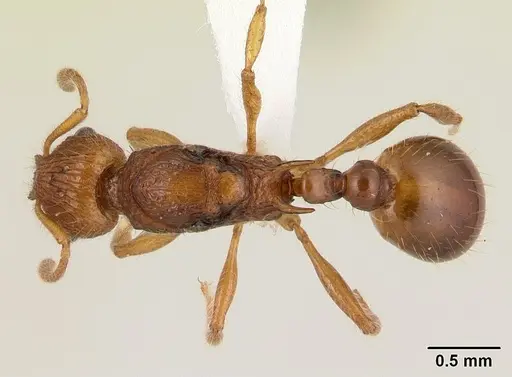
CASENT0248549
View on AntWeb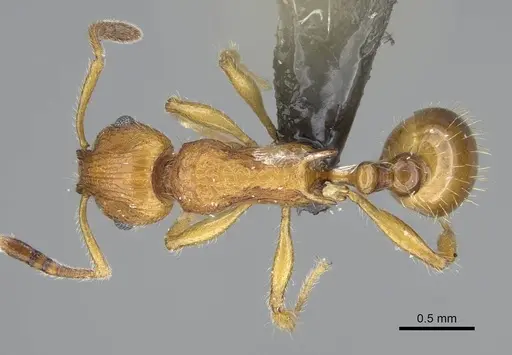
Literature
Loading...Loading products...