Tetraponera rufonigra exhibits a clear seasonal flight window. Peak flight activity is concentrated in September, with the overall period spanning January to December. This extended season suggests multiple flight events or varying conditions across its range.
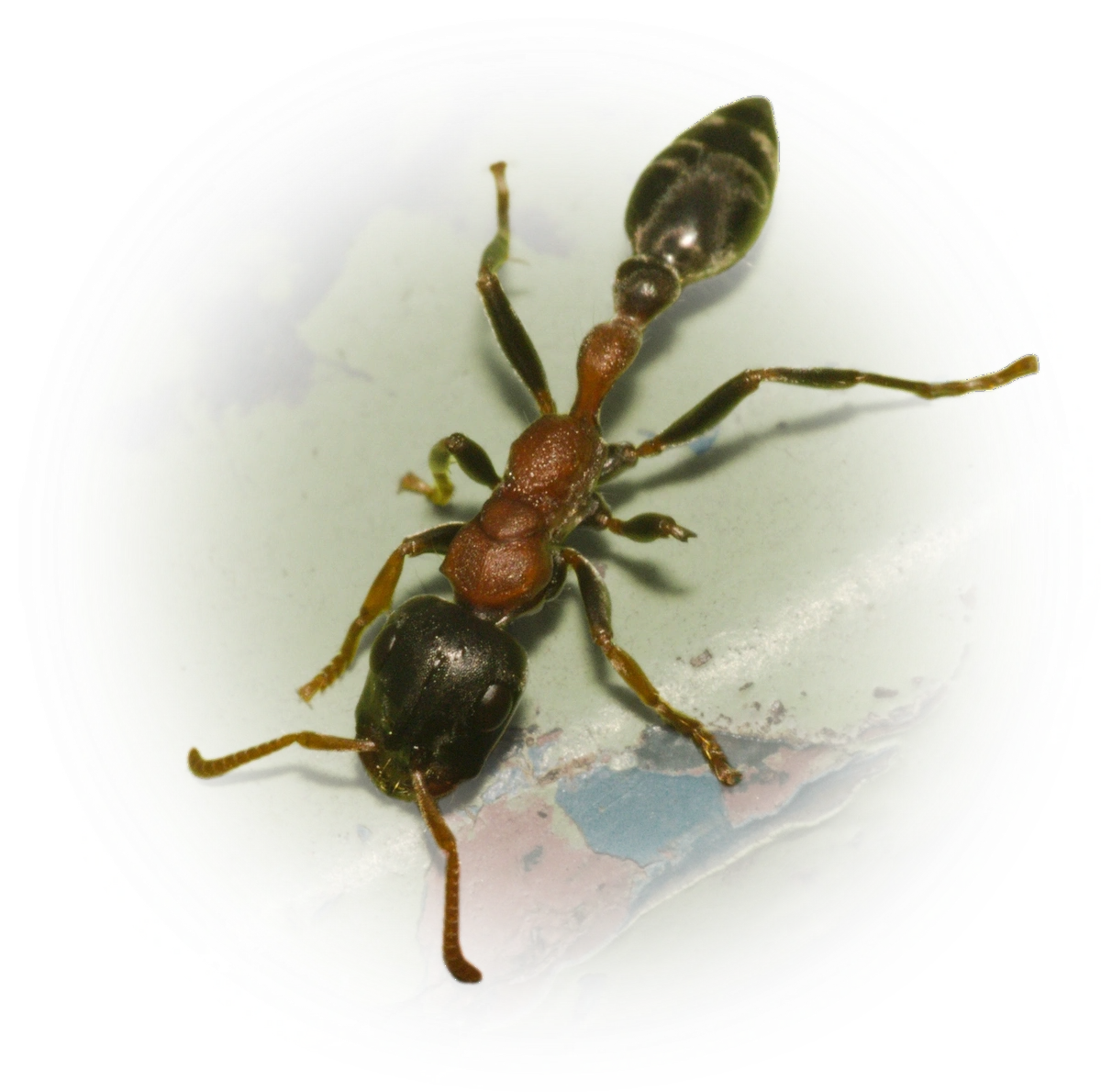
Tetraponera rufonigra
- Scientific Name
- Tetraponera rufonigra
- Tribe
- Pseudomyrmecini
- Subfamily
- Pseudomyrmecinae
- Author
- Jerdon, 1851
- Distribution
- Found in 10 countries
- Nuptial Flight
- from January to December, peaking in September
AI Identifiable
try →
Tetraponera rufonigra Overview
Tetraponera rufonigra is an ant species of the genus Tetraponera. It is primarily documented in 10 countries , including Bangladesh, China, Indonesia. Detailed taxonomic data and occurrence records can be further explored via authoritative databases such as AntWeb or the Global Biodiversity Information Facility (GBIF).
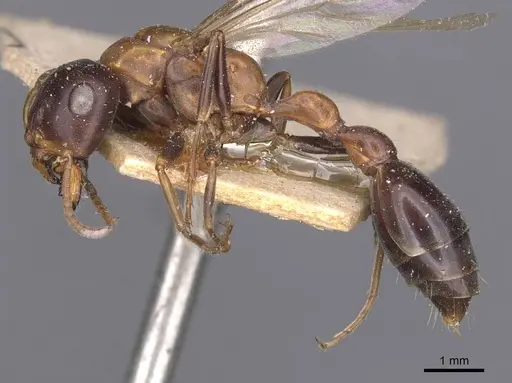
The nuptial flight of Tetraponera rufonigra is a significant biological event, typically occurring from January to December, peaking in September. During this time, winged queens and males leave the nest to mate and establish new colonies.
Tetraponera rufonigra
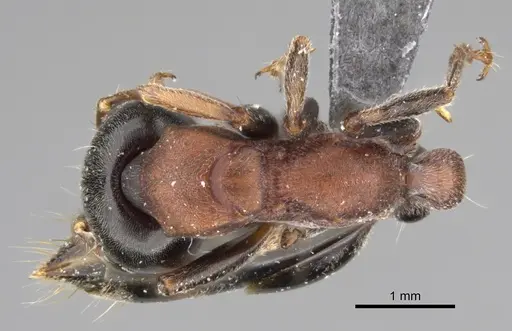
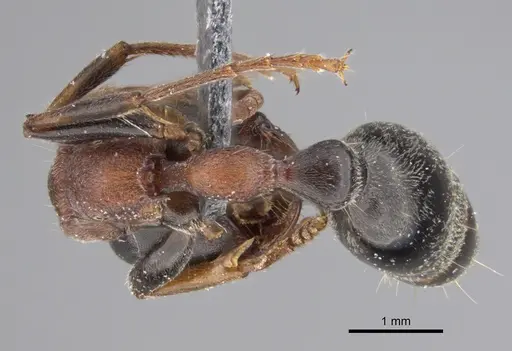
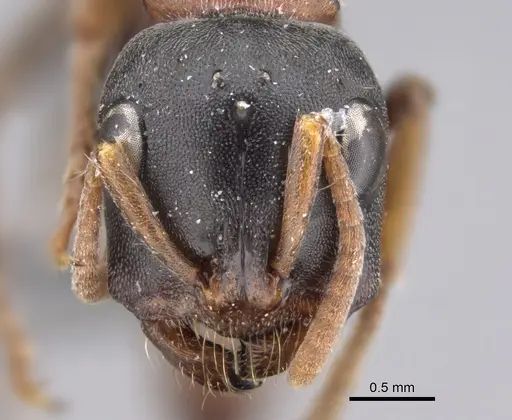
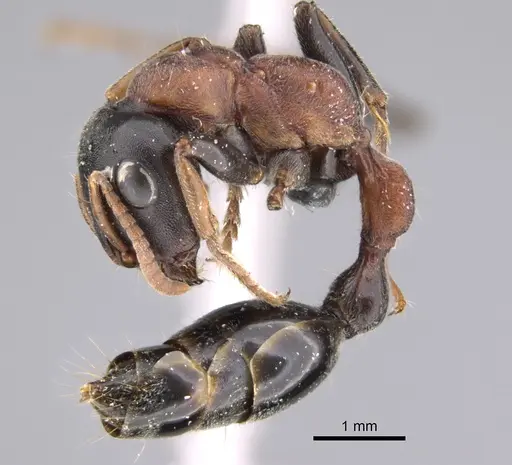
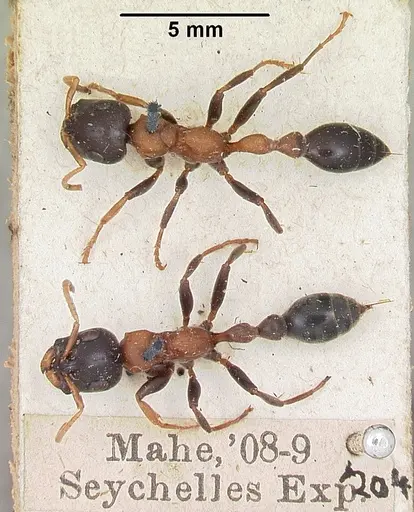
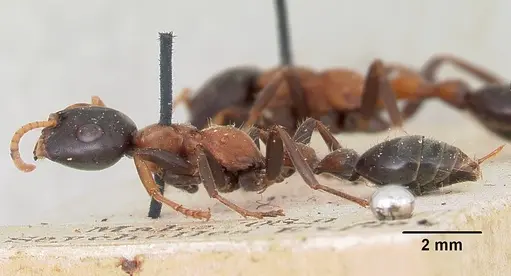
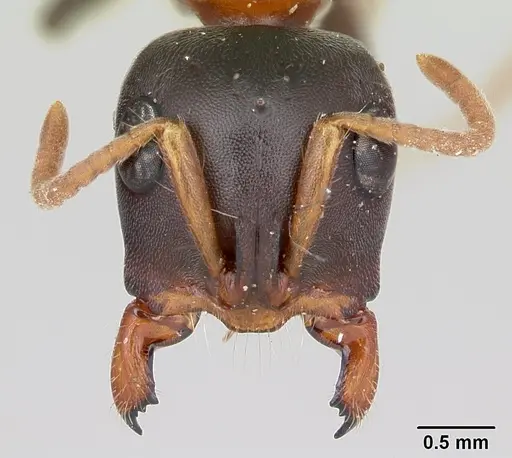
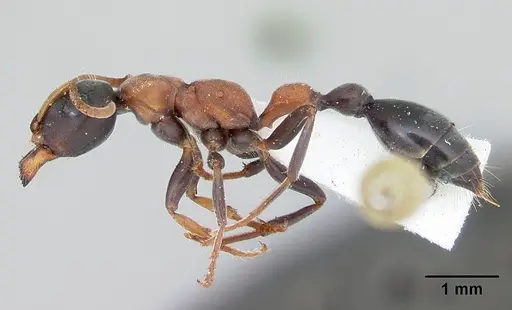
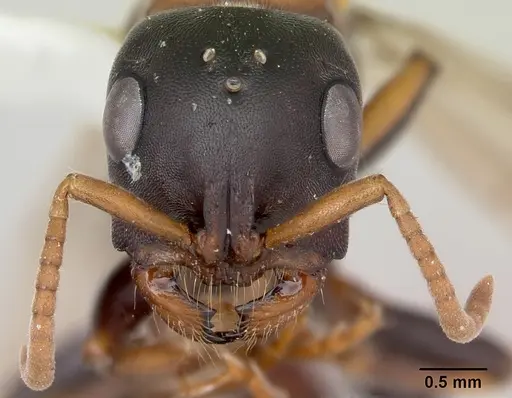
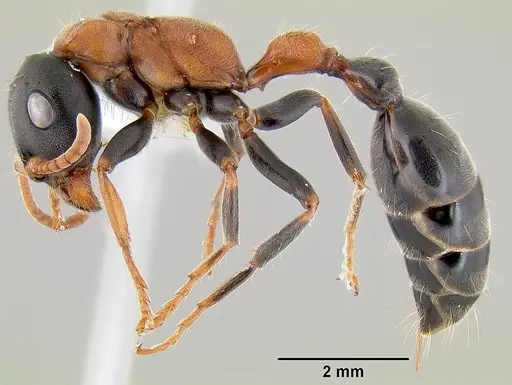
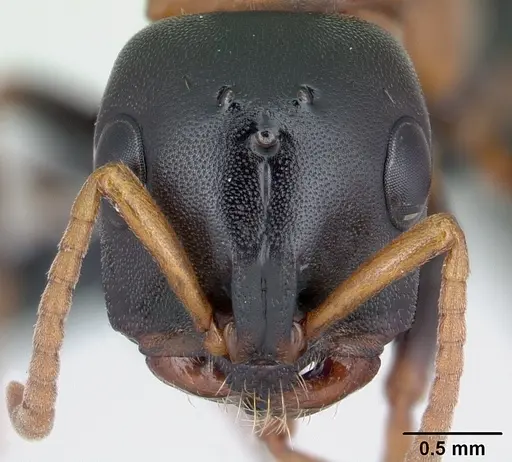
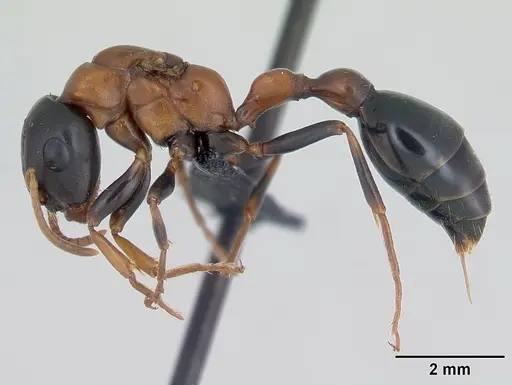
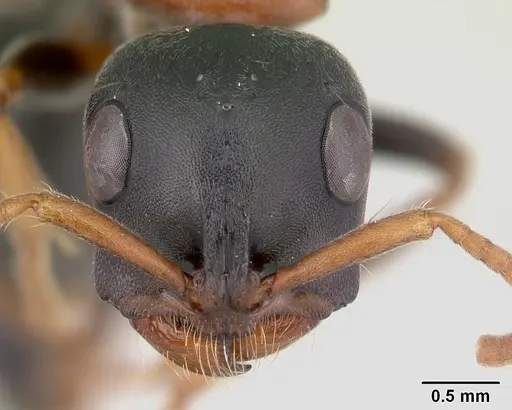
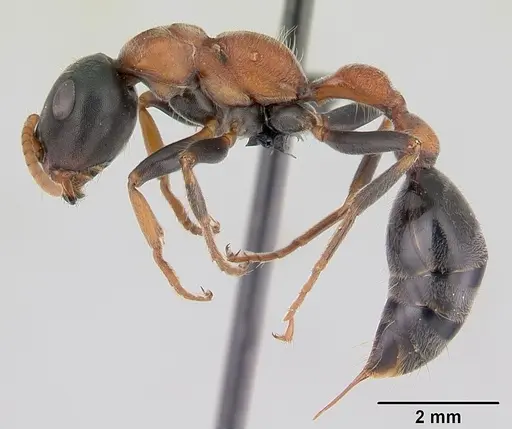
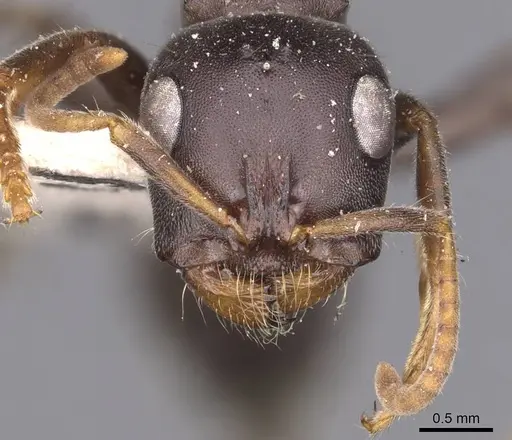
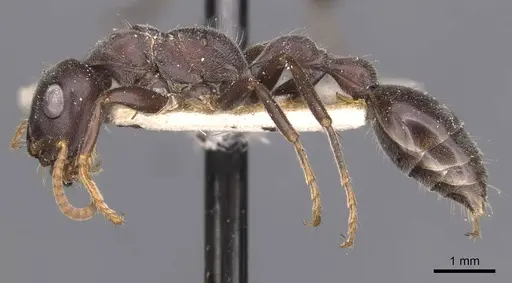
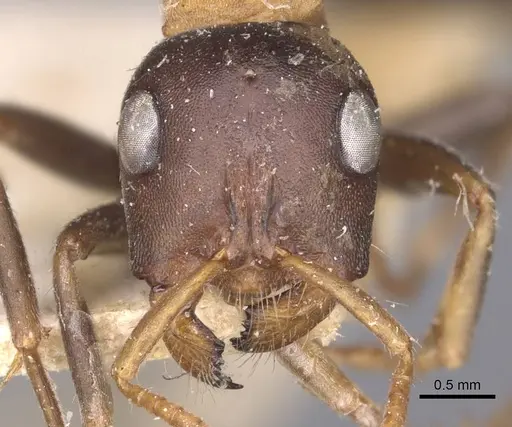
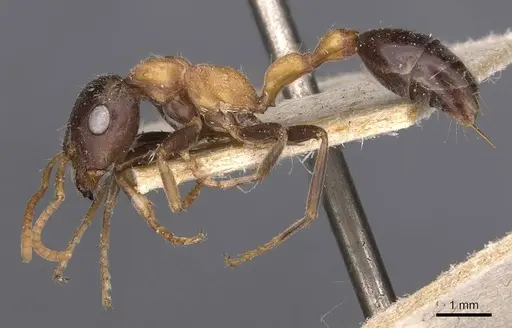
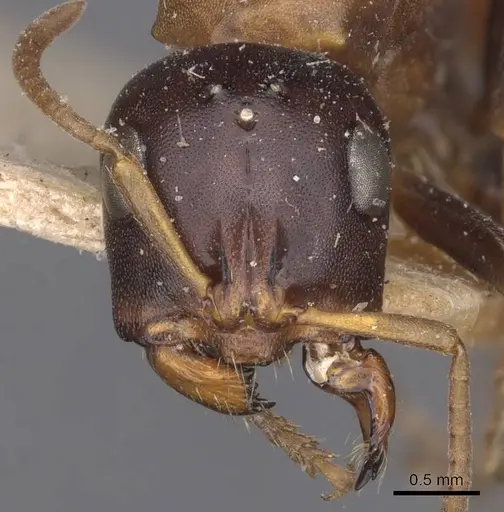
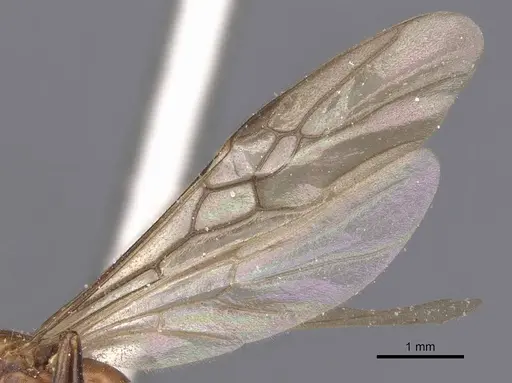
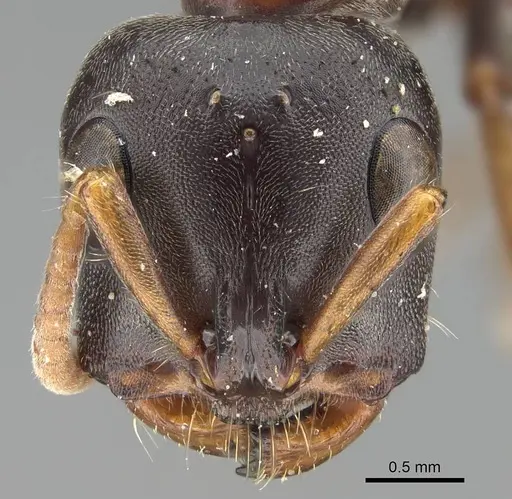
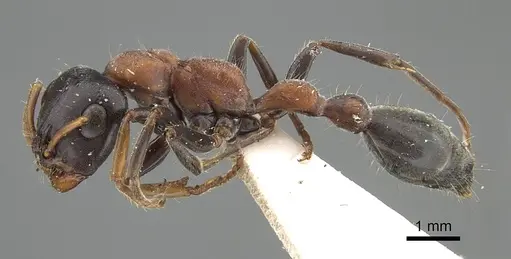
Tetraponera rufonigra is a large, striking arboreal ant native to South and Southeast Asia. Workers measure 10.5-13 mm [1] and have a distinctive bicolored appearance: the head and gaster are dark brown to black, while the mesosoma and petiole are orange-brown to reddish, creating a sharp contrast [2][3]. This species belongs to the subfamily Pseudomyrmecinae, characterized by large compound eyes, slender bodies, and an arboreal lifestyle. Workers have powerful mandibles with five or six teeth and possess a functional sting that delivers potent venom [3][4]. What makes T. rufonigra particularly notable is its medical importance. The sting is described as one of the most poisonous among all Hymenoptera, causing severe pain, swelling, and anaphylactic reactions in sensitive individuals [5][4]. This aggressive species nests in tree cavities and under bark, making it a true arboreal ant that forages solitarily on tree trunks and canopy [6][7]. It is widely distributed across the Indian subcontinent through Southeast Asia and has been introduced to the Seychelles [8][9].
Quick Summary
- Difficulty: Expert
- Origin & Habitat: Native to South and Southeast Asia: India, Sri Lanka, Bangladesh, Nepal, Myanmar, Thailand, Laos, Vietnam, Malaysia, Singapore, Indonesia (Sumatra, Java), and southern China. Introduced in the Seychelles [9][8]. Inhabits tropical forests, mangroves, urban parks, and gardens, nesting in cavities within dead and living wood, under bark or in hollow branches [9][6].
- Colony Type: Unknown, no data available on colony structure.
- Size & Growth:
- Antkeeping:
- Temperature: 24-30°C, tropical ant requiring warm conditions year-round [9]
- Humidity: Keep the nest substrate consistently moist but not waterlogged. Provide a humidity gradient in the outworld (e.g., a water tube and occasional misting)
- Diapause: No, tropical species, does not require hibernation [9]
- Nesting: Arboreal setup essential: use cork bark, hollow branches, bamboo sections, or vertical Y-tong nests designed for arboreal species. Ground-based nests are unacceptable [6][7].
- Behavior: Tetraponera rufonigra is aggressive and will vigorously defend its nest. Workers are solitary foragers, patrolling tree trunks and branches [10]. They have powerful mandibles and a functional sting that delivers potent venom, this species is medically important and can cause severe allergic reactions including anaphylaxis [5][4][11]. Primarily predatory on small insects, but also tends aphids for honeydew [12]. Escape prevention is important due to their aggressive nature, though their large size makes standard barriers effective.
- Common Issues: painful stings, potent venom can cause severe allergic reactions and anaphylaxis, handle with extreme caution and wear protective gear [5][4][11], aggressive defense, colonies will swarm and sting when disturbed, arboreal nesting requirements, will not survive in ground-based nests, must provide wood cavities or vertical setups [6][7], potential invasive pest, has established introduced populations in the Seychelles, never release into non-native areas [8][16], urban pest, can become abundant in cities, causing problems with painful stings [11]
Nuptial Flight Activity Analysis 179 observations
Flight Activity by Hour 179 observations
Tetraponera rufonigra nuptial flight activity peaks around 16:00 during the afternoon. Activity is spread across a 13-hour window (07:00–19:00). A secondary activity peak occurs around 11:00. Times may be influenced by human observation patterns.
Housing and Nest Setup
Tetraponera rufonigra requires an arboreal-focused setup that mimics their natural tree-nesting habitat. These ants will not thrive in standard ground-based formicariums. The best options include naturalistic terrariums with cork bark, wooden branches, or bamboo sections. You can also use modified Y-tong nests or acrylic setups designed for arboreal species with horizontal or vertical wood cavities [6][7]. The outworld should include climbing structures like branches, cork bark pieces, or artificial plants. In the wild, they build nests in dead, decaying branches of trees such as Acacia catechu, Albizia lebbeck, Plumeria sp., and Ficus species [6][13]. Ensure the setup has good ventilation while maintaining humidity. A water tube should always be available, and occasional misting helps maintain appropriate moisture levels. The nest chamber itself should be dark and enclosed, simulating the tree cavities they naturally use.
Feeding and Diet
This species is primarily predatory, feeding on small live insects such as fruit flies, small crickets, mealworms, and other appropriately sized arthropods [14]. They are active hunters and will chase down prey. In addition, they tend sap-sucking insects like aphids for honeydew, the only pseudomyrmecine species recorded in mutualism with aphids (specifically Aphis craccivora) [12]. Offer sugar water or honey water occasionally, but protein from live prey is essential for colony growth. Feed protein-rich prey 2-3 times per week. Remove uneaten prey after 24 hours to prevent mold.
Temperature and Climate Control
As a tropical species from South and Southeast Asia, Tetraponera rufonigra requires warm temperatures between 24 and 30°C. They are found at elevations from sea level to around 1000 m in the Himalayas, consistently in warm tropical and subtropical climates [15]. In captivity, maintain the nest area at 25-28°C for optimal brood development. Room temperature is often sufficient in heated homes, but you may need a small heating cable or mat in cooler climates. Place heating on the side or top of the nest, never directly under water reservoirs to avoid excessive evaporation. Unlike temperate species, they do not require cooling periods or hibernation, year‑round warm conditions support normal colony activity [9].
Sting and Safety
This is one of the most important species to handle with extreme caution due to its potent venom. The sting has been described as the most poisonous of any aculeate Hymenoptera encountered in its range [5]. Venom components include phospholipase A2,5'‑nucleotidase, and other proteins that cause intense pain, swelling, and can trigger severe allergic reactions including anaphylaxis [16][4]. Clinical cases have been documented in Thailand and Sri Lanka where stings caused urticaria, angioedema, breathing difficulties, and loss of consciousness [11][4]. When working with this species, always wear protective gear including gloves and eye protection. Keep epinephrine auto‑injectors accessible if you have known allergies. Never handle the colony without proper protection, and minimize disturbances to the nest. This species is not suitable for keepers who have insect venom allergies or who are uncomfortable with aggressive, stinging ants.
Colony Development and Growth
Colony development in Tetraponera rufonigra is moderate compared to some faster‑growing species. Founding behavior is unconfirmed, it is not known whether queens found claustrally or semi‑claustrally. Based on related Pseudomyrmecinae species, a newly mated queen likely seals herself in a suitable cavity and raises the first brood using stored energy reserves. The first workers (nanitics) are smaller than mature workers but immediately begin foraging. Estimated development from egg to worker at optimal temperatures (25-30°C) is 6-8 weeks. Mature colony size is unknown, typical arboreal pseudomyrmecine colonies number several dozen to a few hundred workers. Be patient, this species is not a fast grower, and overfeeding can lead to mold in the arboreal setup.
Behavior and Temperament
This species is notably aggressive and will vigorously defend its nest. Workers are solitary foragers, patrolling tree bark and branches individually rather than in groups [10]. They are highly alert and will respond quickly to threats. When disturbed, multiple workers may swarm out to attack the intruder. Their large size and powerful sting make them formidable. In interactions with other ant species, they show high aggression, studies show they can successfully defend against invasive Anoplolepis gracilipes, though interactions often result in casualties on both sides [17]. They are primarily diurnal and active during warmer parts of the day. Their arboreal lifestyle means they are comfortable climbing and often remain on branches rather than descending to the ground.
Frequently Asked Questions
Does Tetraponera rufonigra sting?
Yes, absolutely. This species has a potent sting considered one of the most poisonous among all Hymenoptera. It causes severe pain, swelling, and can trigger anaphylactic reactions. Never handle without protective gloves and eye protection [5][4][11].
Can I keep Tetraponera rufonigra in a test tube?
No, test tubes are not suitable. This arboreal species naturally nests in tree cavities and under bark. Provide a naturalistic setup with wooden branches, cork bark, or similar structures. Ground‑based nests will not be accepted [6][7].
What do Tetraponera rufonigra eat?
They are primarily predatory, feeding on small live insects like fruit flies, small crickets, and other arthropods. They will occasionally consume sugar sources like honeydew (they have been recorded in mutualism with the aphid Aphis craccivora) or sugar water, but protein from prey is essential [14][12].
How long does it take for Tetraponera rufonigra to develop from egg to worker?
No direct studies exist for this species. Based on related Pseudomyrmecinae, development likely takes 6-8 weeks at optimal tropical temperatures (25-30°C). This is an estimate.
Do Tetraponera rufonigra need hibernation?
No, as a tropical species they do not require hibernation. Keep them at warm temperatures (24-30°C) year‑round. Activity may slow slightly during cooler periods, but they do not enter true diapause [9].
Are Tetraponera rufonigra good for beginners?
No, this species is not recommended for beginners. Their potent sting, aggressive temperament, specific arboreal nesting requirements, and medical significance make them suitable only for experienced keepers. Those with venom allergies should avoid this species altogether.
How big do Tetraponera rufonigra colonies get?
Colony size is unknown. Based on related Pseudomyrmecinae, they likely reach several dozen to a few hundred workers. No specific data exist.
Why are my Tetraponera rufonigra dying?
Common causes include: incorrect nesting setup (requires arboreal accommodations, not ground nests), temperatures outside 24-30°C, low humidity, or stress from frequent disturbance. Also ensure adequate protein from live prey. If workers die outside the nest, it may indicate disease, pesticide exposure, or queen failure.
What temperature is best for Tetraponera rufonigra?
Keep the nest at 24-30°C, ideally 25-28°C. As a tropical ant, they need consistently warm conditions. Room temperature is often adequate in heated homes, but you may need supplemental heating in cooler climates [9].
Do Tetraponera rufonigra need a queen to survive?
Yes, like all ants, long‑term survival requires a healthy, laying queen. A queenless group of workers will not survive or reproduce.
Is Tetraponera rufonigra aggressive?
Yes, extremely so. This species is very aggressive and will vigorously defend its nest. Workers readily sting when threatened, and their venom is particularly potent. Handle with extreme caution and minimal disturbance [5][18].
Report an Issue
The current care sheet is based fully on literature. See inconsistencies, or something that's incorrect? Please , it will be resolved after review from an admin. Contributing to the blogs tab also helps providing information, to make us be able to further improve the caresheets. Thank you for your support!
References

This caresheet is licensed under CC BY-SA 4.0 .
CASENT0103294
View on AntWeb

CASENT0103311
View on AntWeb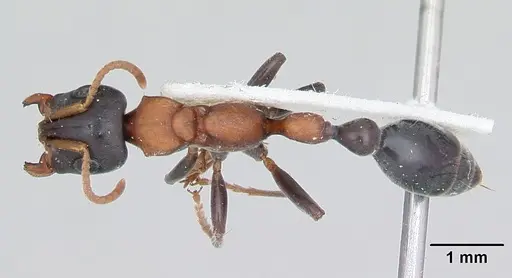
CASENT0103312
View on AntWeb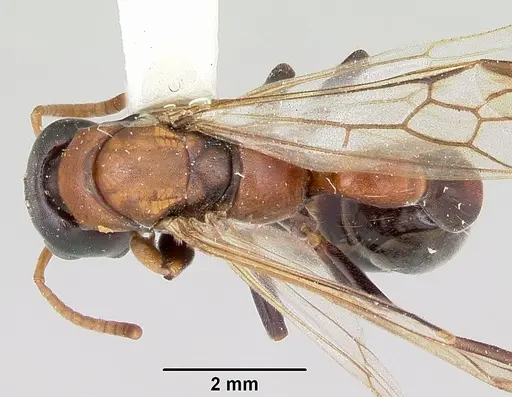
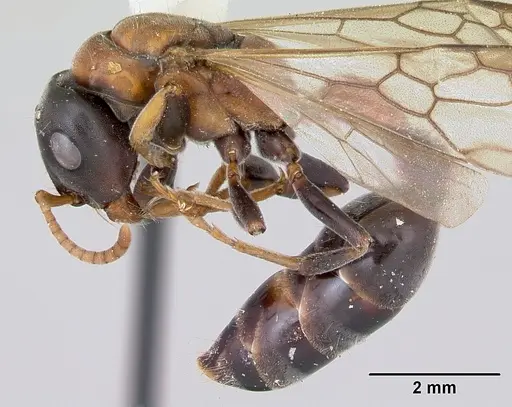
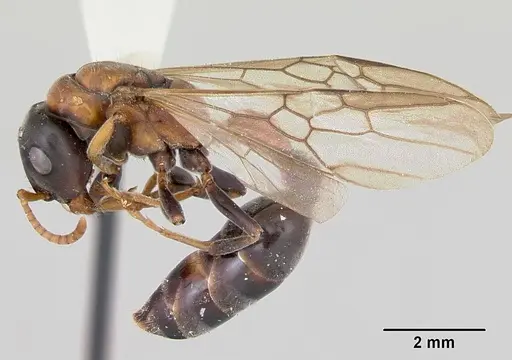
CASENT0106099
View on AntWeb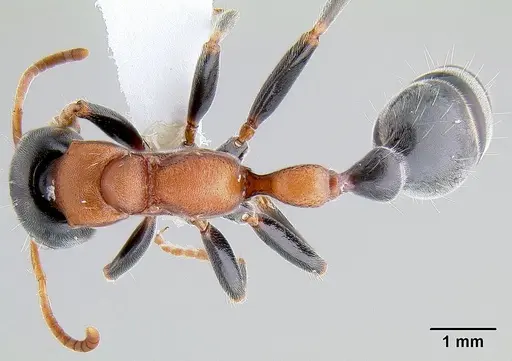
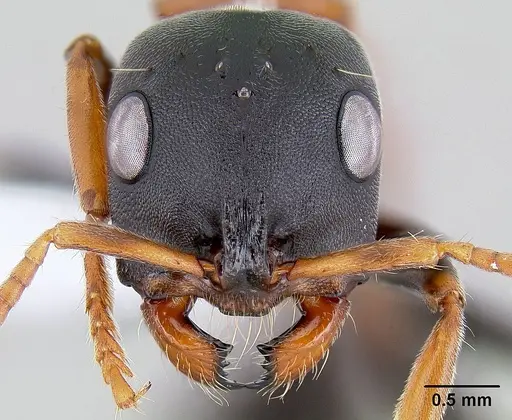
CASENT0129573
View on AntWeb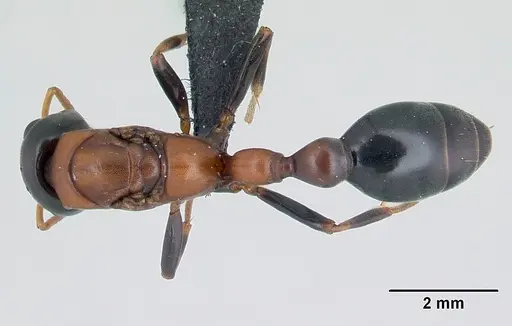
CASENT0129643
View on AntWeb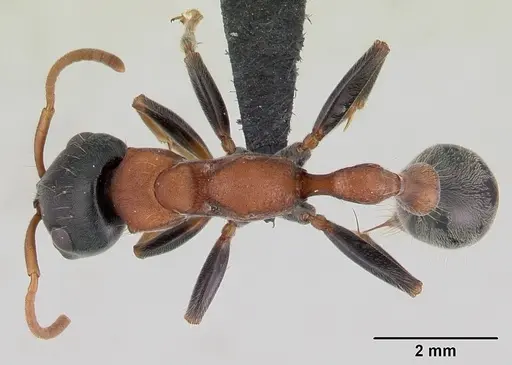
CASENT0907449
View on AntWeb
CASENT0907450
View on AntWeb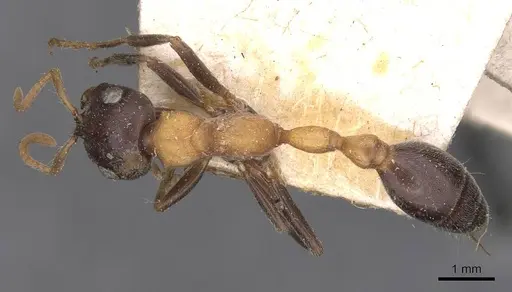
CASENT0907451
View on AntWeb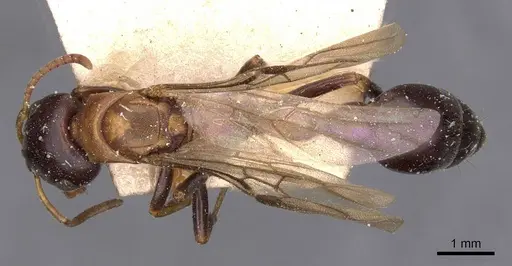
CASENT0919890
View on AntWeb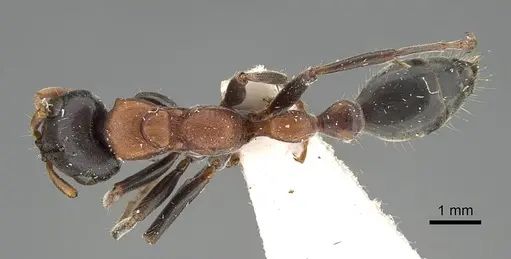
CASENT0923238
View on AntWeb