

Tetraponera punctulata
- Scientific Name
- Tetraponera punctulata
- Tribe
- Pseudomyrmecini
- Subfamily
- Pseudomyrmecinae
- Author
- Smith, 1877
- Distribution
- Found in 2 countries
Tetraponera punctulata Overview
Tetraponera punctulata is an ant species of the genus Tetraponera. It is primarily documented in 2 countries , including Australia, Papua New Guinea. Detailed taxonomic data and occurrence records can be further explored via authoritative databases such as AntWeb or the Global Biodiversity Information Facility (GBIF).
Tetraponera punctulata
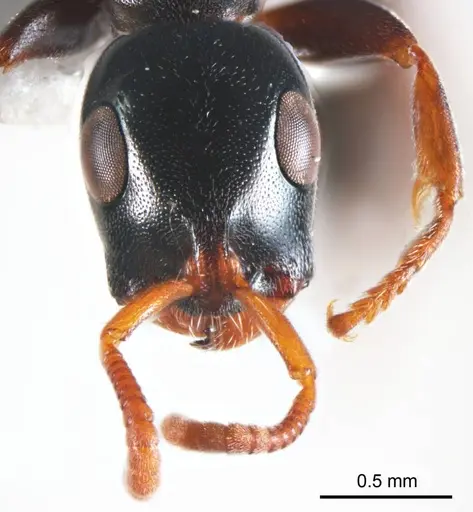
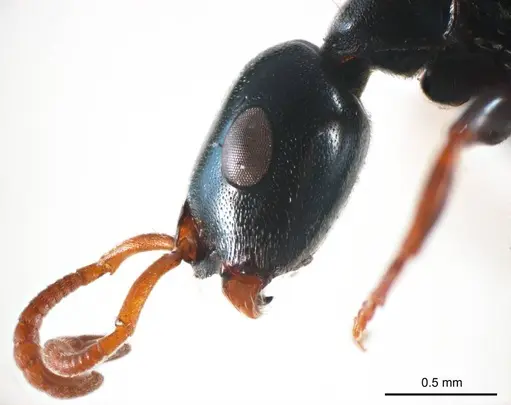
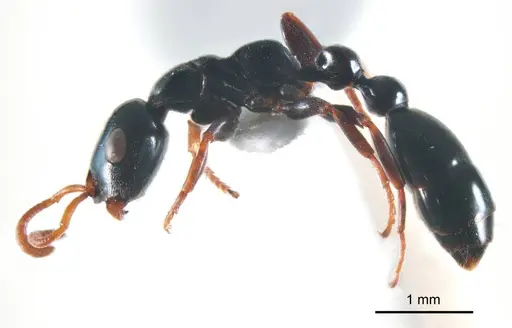
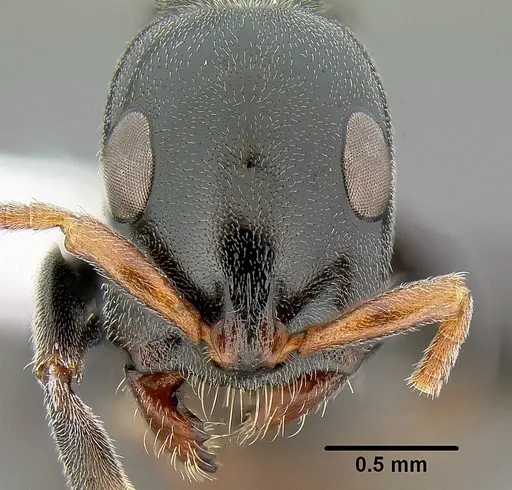
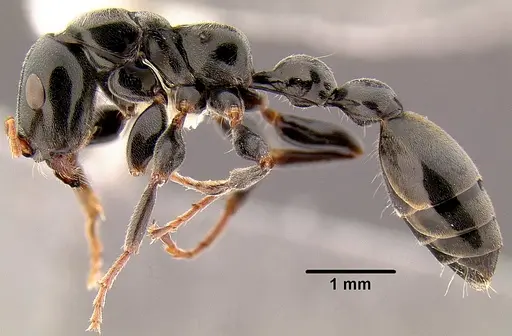
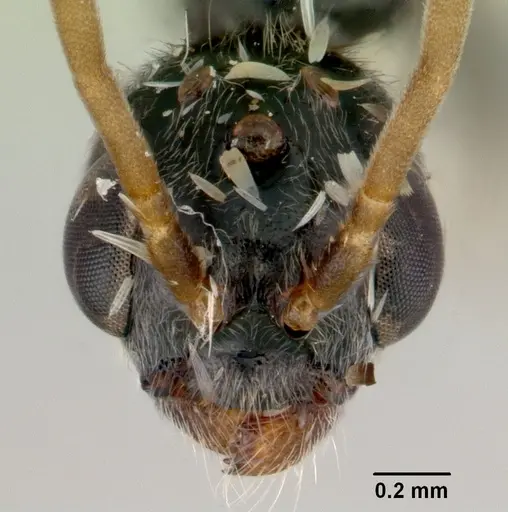
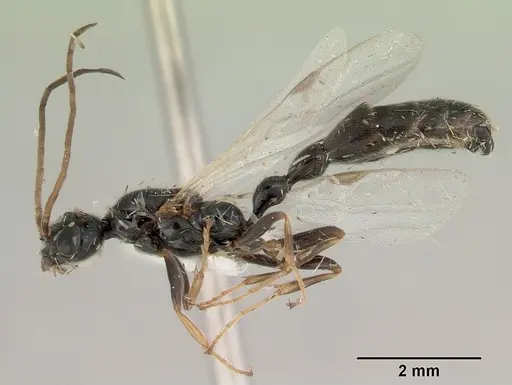
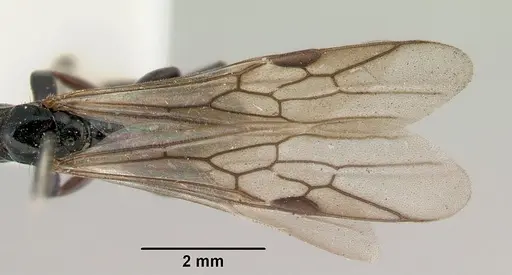
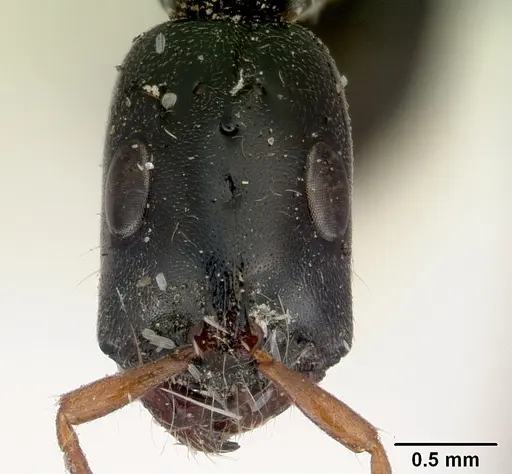
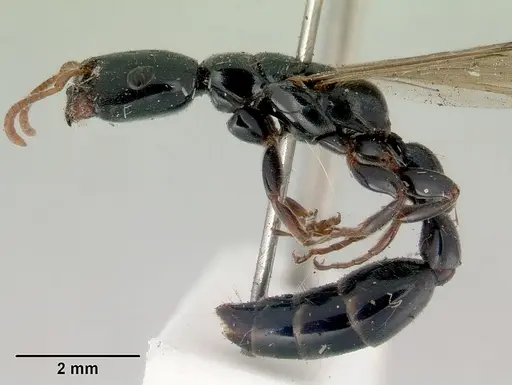
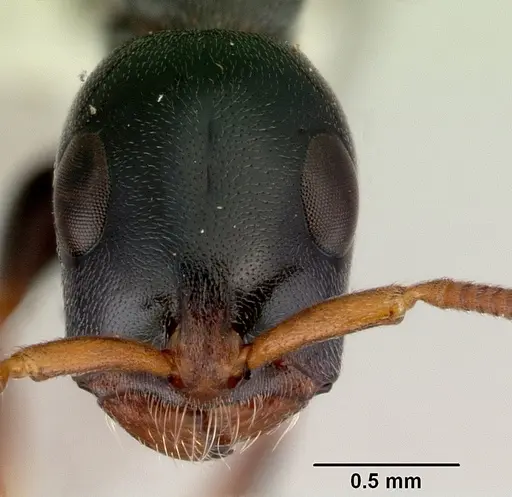
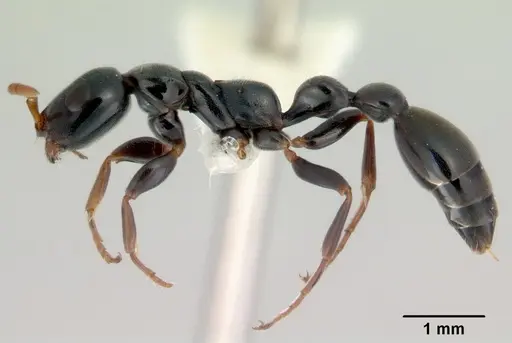
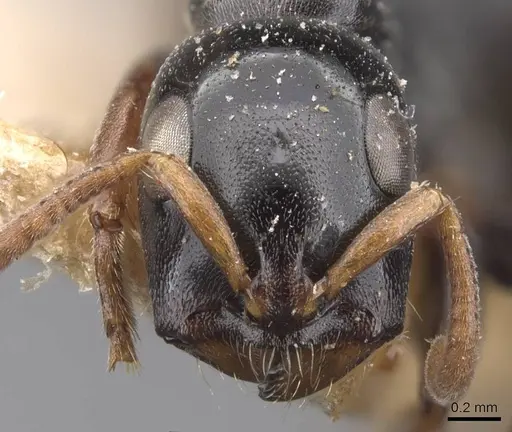
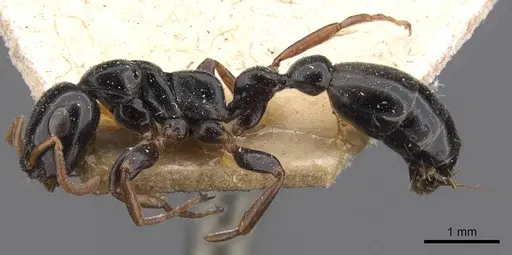
Tetraponera punctulata is a medium to large-sized arboreal ant native to Australia and southern Papua New Guinea [1][2]. Workers are remarkably variable in size, ranging from 0.77-1.44mm in head width, with the species showing an unusually long, thin body outline that makes it easy to identify in the field [1]. The body is black to dark brownish-black, with lighter-colored mandibles, antennae, and tarsi varying from medium-brown to yellowish-brown. These ants belong to the Pseudomyomrmecinae subfamily, known for their relatively large eyes. Unlike many ants that nest in soil, T. punctulata is a tree-nesting species that makes its home in dead branches, particularly favoring eucalypts [1][3]. The species is also known for tending scale insects (Coccoidea), which provide a honeydew food source [1][3].
Quick Summary
- Difficulty: Medium
- Origin & Habitat: Australia and southern Papua New Guinea, primarily in Eucalyptus woodland and open forest [1][4]. Also found in riparian woodland, mangrove, rainforest, gallery rainforest, and urban parkland habitats [1].
- Colony Type: Single-queen colonies (monogyne). Colonies are relatively small, with wild nests typically containing 1-11 workers [5].
- Colony: Monogyne
- Size & Growth:
- Queen: Unconfirmed, estimated based on genus patterns [6]
- Worker: 0.77-1.44mm head width, highly variable [1]
- Colony: Small colonies, typically under 20 workers in natural settings [5]
- Growth: Moderate, inferred from related Pseudomyrmecinae
- Development: Estimated 6-8 weeks based on genus patterns [6] (Development timeline not directly studied, estimates based on related arboreal ants)
- Antkeeping:
- Temperature: Keep at 24-28°C, these are tropical/subtropical arboreal ants that prefer warm conditions [1][2]
- Humidity: Moderate to high humidity (60-80%). They naturally inhabit tree branches which can dry out but also experience humidity from canopy moisture [5]
- Diapause: Likely minimal or no true diapause, occurs in monsoonal Australia where winters are mild [2]
- Nesting: Arboreal nesting specialist. Provide dead branches, cork nests, or acrylic nests with wood-like structures. They occupy pre-existing cavities in dead wood, often from beetle larvae [3][1]
- Behavior: Generally peaceful but defensive of their nest. Workers forage actively on tree trunks and branches [1]. They tend scale insects (coccoids) for honeydew, making them somewhat like aphid-farmers. Being arboreal, they are good climbers but not particularly aggressive toward keepers. Escape prevention is important due to their small size, they can squeeze through small gaps [5].
- Common Issues: small colony size means colonies are fragile and sensitive to disturbance, arboreal nature requires vertical space and climbing structures, horizontal test tubes alone are inadequate, tending scale insects means they need a sugar source or honeydew-producing insects, very small workers can escape through standard barrier setups, limited documented captive breeding success, wild colonies are small and difficult to establish
Housing and Nest Setup
T. punctulata is an arboreal ant that naturally nests in dead tree branches, particularly eucalypts [1]. In captivity, they do best in setups that mimic their natural tree-dwelling habitat. Cork nests or acrylic nests with narrow chambers work well, as these ants prefer tight spaces similar to the twig cavities they occupy in the wild [3]. You can also use sections of dead hardwood branches or bamboo, as they naturally take advantage of cavities previously excavated by beetle larvae [3]. Because they are arboreal, include climbing structures like twigs or mesh that allows workers to traverse vertical space. A formicarium with a foraging area that includes live plants or branches more closely mimics their natural environment. Keep the nest humid but allow some drying between waterings, their natural tree hollows experience moisture fluctuations [5].
Feeding and Diet
In the wild, T. punctulata tends scale insects (Coccoidea) and feeds on the honeydew these insects produce [1][3]. They also forage for small insects and likely scavenge. In captivity, offer a varied diet including sugar water or honey as a substitute for honeydew, along with small live prey like fruit flies, pinhead crickets, or small mealworms [1]. Since they tend scale insects in the wild, you could experiment with providing small scale insect colonies (cooccids) on suitable host plants, though this is advanced. Feed protein prey 2-3 times per week and keep a sugar source constantly available. Remove uneaten prey after 24-48 hours to prevent mold issues in the humid nest environment.
Temperature and Seasonal Care
As a species from monsoonal Australia and Papua New Guinea, T. punctulata prefers warm temperatures in the 24-28°C range [2][1]. They occur throughout northern Australia's tropical and subtropical zones, where temperatures remain warm year-round. Unlike temperate ants, they likely do not require a true diapause or hibernation period. Room temperature in most homes (20-24°C) may be slightly cool, consider using a gentle heating cable on one side of the nest to maintain optimal temperatures. Monitor colony activity, if workers seem sluggish, gradually increase temperature. Avoid temperatures below 20°C for extended periods.
Colony Dynamics and Growth
T. punctulata colonies are relatively small compared to many common ant species. In the wild, colonies typically contain only 1-11 workers, with some nests containing founding queens without any brood or coccids [5]. This small colony size means you should not expect rapid population explosions. Growth is likely moderate, expect several months to a year to reach 20-30 workers under good conditions. The extreme size variation seen in workers (0.77-1.44mm head width) may be related to colony nutrition or environmental factors [1]. Be patient with these ants and avoid disturbing the colony frequently, as small colonies are more sensitive to stress.
Behavior and Handling
T. punctulata workers are active foragers that patrol tree trunks in their natural habitat [1]. They are not particularly aggressive but will defend their nest if threatened. Being Pseudomyrmecinae, they have relatively good vision and will respond to movement outside their enclosure. They are excellent climbers, so ensure your setup has tight-fitting barriers. When working with the colony, move slowly and avoid sudden vibrations. These ants are not suitable for species that require frequent handling, observe through the nest rather than interacting directly. Their relationship with scale insects is fascinating to observe, as workers will tend and protect these insects much like aphid farmers.
Frequently Asked Questions
How long does it take for Tetraponera punctulata to produce first workers?
Exact development time is unconfirmed, but based on related Pseudomyrmecinae ants, expect 6-8 weeks from egg to worker at optimal temperature (around 26°C) [6]. Remember these are small colonies that grow slowly, be patient.
Can I keep Tetraponera punctulata in a test tube setup?
Test tubes can work for founding colonies, but these arboreal ants prefer tighter, more enclosed spaces than typical soil-nesting ants. A cork nest or acrylic nest with narrow chambers better mimics their natural twig-nesting habitat [3]. If using test tubes, provide a small diameter that allows workers to feel enclosed.
Do Tetraponera punctulata ants sting?
Pseudomyrmecinae ants have functional stingers, though they are not typically aggressive toward keepers. They may use their stinger if directly threatened or handled roughly. The sting is not considered dangerous to humans but may cause mild irritation [7].
How big do Tetraponera punctulata colonies get?
Colonies remain relatively small. Wild colonies typically reach only 1-11 workers, and even established captive colonies likely stay under 30-50 workers [5]. Do not expect the large colonies common with Lasius or Camponotus species.
Do Tetraponera punctulata need hibernation?
No, these ants come from monsoonal Australia and Papua New Guinea where winters remain mild [2]. They do not require a diapause period. Keep them at warm temperatures year-round (24-28°C).
What do Tetraponera punctulata eat?
They are omnivorous with a preference for sugar. In captivity, provide sugar water or honey alongside small live prey like fruit flies or small crickets [1]. They also tend scale insects in the wild, so a sugar source is important for their diet.
Are Tetraponera punctulata good for beginners?
This species is intermediate in difficulty. Their small colony size and specific arboreal nesting requirements make them less straightforward than common species like Lasius niger. They require more patience and specific setup considerations. Not recommended as a first ant but achievable for those with some experience.
Why are my Tetraponera punctulata dying?
Common causes include: temperature too cold (below 20°C), excessive humidity causing mold, disturbance to small colonies, or lack of sugar in their diet [1][5]. Also check for escape, their small size allows them to slip through standard barriers. Ensure the nest has proper ventilation to prevent stagnant conditions.
Can I keep multiple Tetraponera punctulata queens together?
No, this is a monogyne (single-queen) species [5]. Multiple unrelated queens will fight. Only keep one queen per colony.
When should I move Tetraponera punctulata to a formicarium?
Wait until the colony has at least 10-15 workers and the founding chamber becomes crowded. Foraging activity increasing and workers exploring beyond the founding tube are signs they need more space. Always ensure the new setup maintains appropriate humidity and has suitable small chambers.
References

This caresheet is licensed under CC BY-SA 4.0 .
ANTWEB1008728
View on AntWeb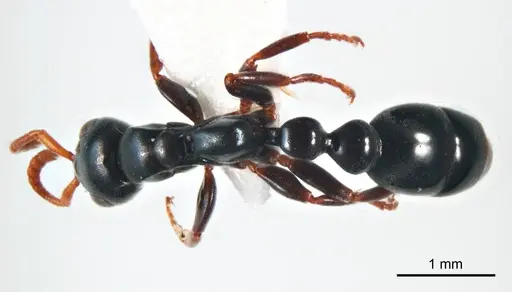
CASENT0106098
View on AntWeb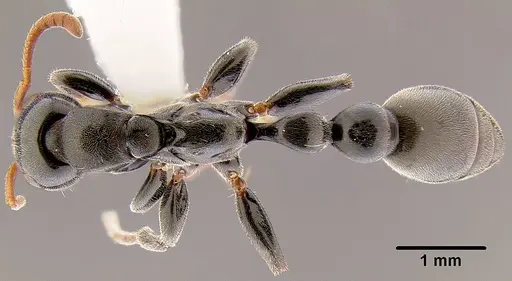
CASENT0172000
View on AntWeb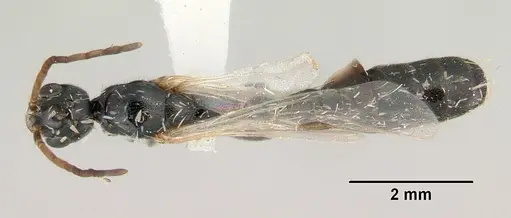
CASENT0172001
View on AntWeb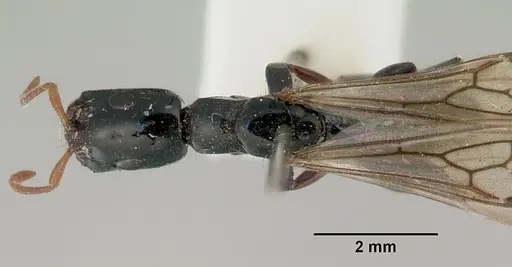
CASENT0172004
View on AntWeb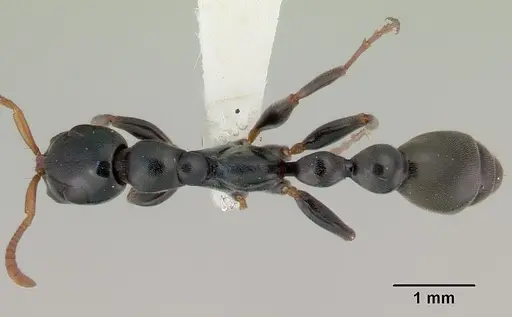
CASENT0907468
View on AntWeb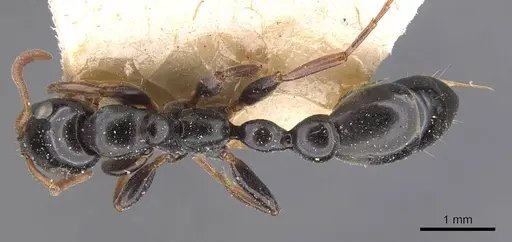
Literature
Loading...Loading products...