

Tetraponera fictrix
- Scientific Name
- Tetraponera fictrix
- Tribe
- Pseudomyrmecini
- Subfamily
- Pseudomyrmecinae
- Author
- Forel, 1897
- Distribution
- Found in 1 countries
Tetraponera fictrix Overview
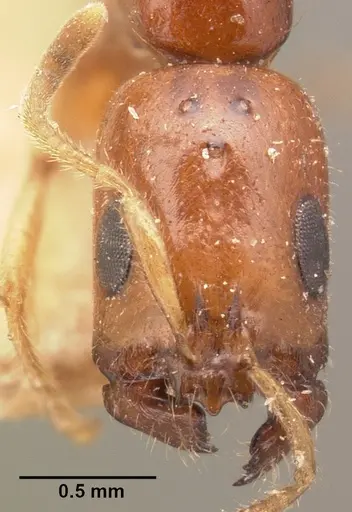
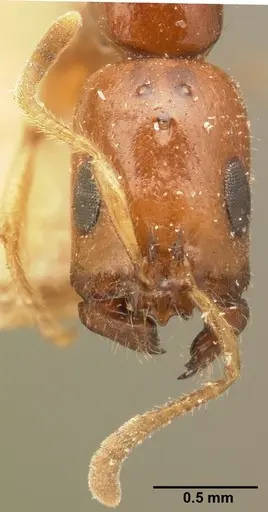
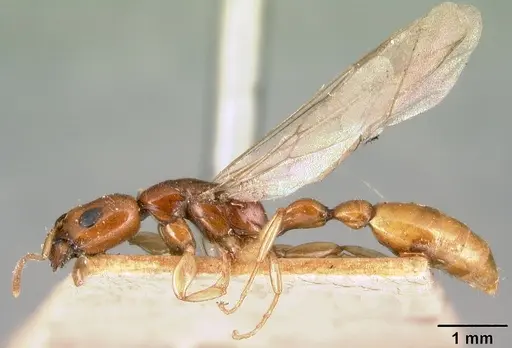
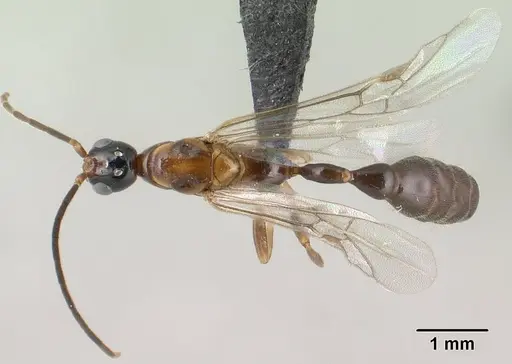
Tetraponera fictrix is an ant species of the genus Tetraponera. It is primarily documented in 1 countries , including Madagascar. Detailed taxonomic data and occurrence records can be further explored via authoritative databases such as AntWeb or the Global Biodiversity Information Facility (GBIF).
Tetraponera fictrix
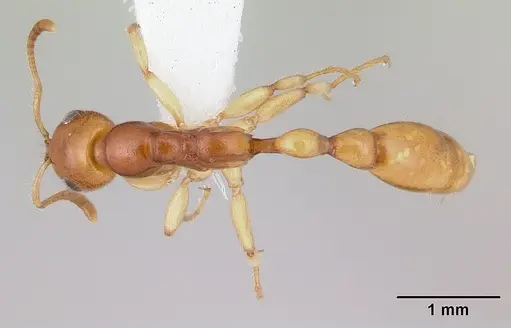
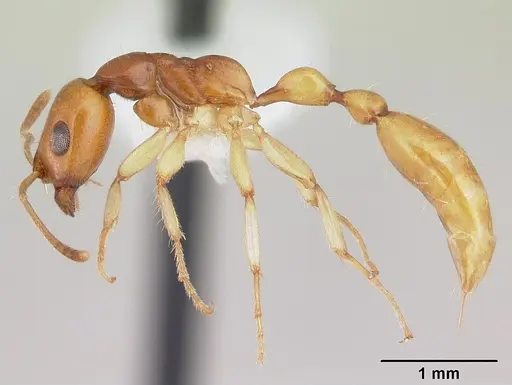
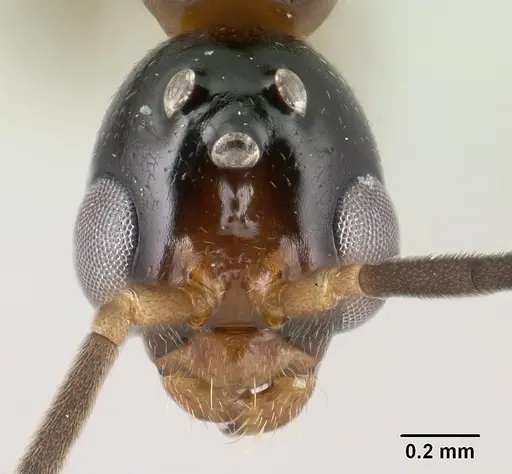
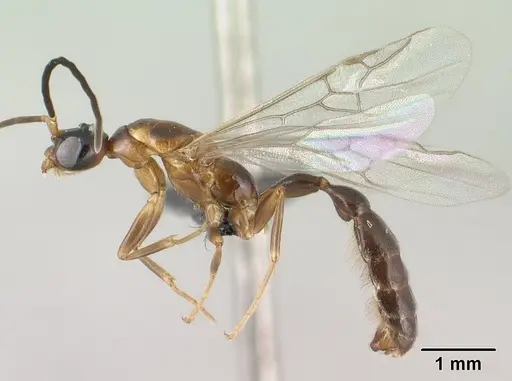
Tetraponera fictrix is a slender, long-legged ant species native to Madagascar, belonging to the Pseudomyrmecinae subfamily. Workers are typically 4-6mm with the characteristic elongated body shape typical of this group. The species is a member of the Tetraponera allaborans species group and is found exclusively in Madagascar, particularly in the tropical dry forests of the western region [1][2].
This species is arboreal, meaning it nests in trees and vegetation rather than in ground nests. It has been recorded in Kirindy Forest, a tropical dry forest in western Madagascar, where it represents one of ten Tetraponera species recorded from this single location, making it the most diverse local record for this genus [2]. The species prefers humid, light-exposed arboreal habitats [3].
Quick Summary
- Difficulty: Medium
- Origin & Habitat: Madagascar, specifically the tropical dry forests of the western region (Kirindy Forest) and coastal areas like Nossi Bé. They are arboreal nesters, living in trees and vegetation rather than on the ground [2][1].
- Colony Type: Colony structure is unconfirmed. Based on related Tetraponera species, likely single-queen colonies, but this has not been directly documented for T. fictrix specifically.
- Size & Growth:
- Queen:{.size-link} Estimated 8-10mm based on genus typical sizes, no species-specific measurement available
- Worker:{.size-link} Estimated 4-6mm based on genus typical sizes [3] provides morphological indices but not direct measurements
- Colony: Unknown, no colony size data available for this species
- Growth: Moderate, inferred from tropical arboreal ant patterns
- Development: Estimated 6-8 weeks at tropical temperatures (around 24-28°C) based on typical Pseudomyrmecinae development (Development timeline is estimated from genus-level patterns, not directly studied for this species)
- Antkeeping:
- Temperature: Keep at 24-28°C (warm tropical conditions). A heating cable on one side of the nest can create a gradient. These are tropical ants from Madagascar and need consistent warmth [2][3].
- Humidity: High humidity is essential, they prefer humid arboreal conditions. Keep the nest substrate consistently moist but not waterlogged. The species was recorded in humid habitats [3]. Provide a water tube and ensure the nest area stays damp.
- Diapause: No, these are tropical ants from Madagascar and do not require hibernation. They remain active year-round if kept warm.
- Nesting: Arboreal specialists. They naturally nest in hollow twigs, branches, and tree cavities. In captivity, they do well in Y-tong (AAC) nests or plaster nests with narrow chambers. Avoid naturalistic soil setups, they prefer elevated, enclosed spaces that mimic their tree-nesting lifestyle.
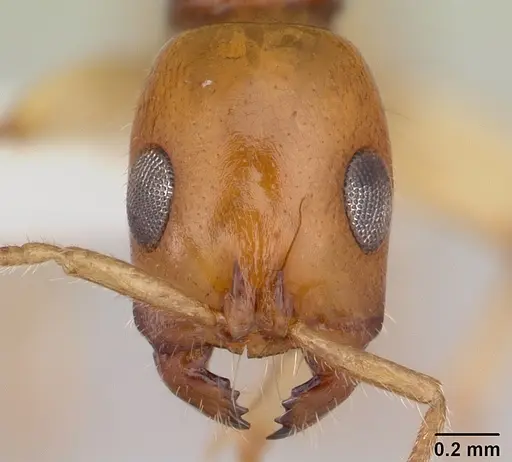
- Behavior: Active and alert ants with good vision due to their large eyes, typical of the Pseudomyrmecinae subfamily. They are likely predatory, hunting small insects and also tending to aphids for honeydew. Workers are fast-moving and may be defensive if threatened. Escape prevention is important as they are agile climbers, use Fluon on nest edges. They are diurnal, foraging during daylight hours in their natural habitat.
- Common Issues: tropical humidity requirements mean dry conditions will quickly stress and kill colonies, arboreal nesting means they do poorly in ground-based formicariums, provide appropriate elevated nest setups, escape risk is significant due to their slender bodies and climbing ability, use tight barriers, slow colony growth compared to ground-nesting species can frustrate beginners, wild-caught colonies may carry parasites from Madagascar that can affect captive colonies
Housing and Nest Setup
Tetraponera fictrix is an arboreal species, meaning you need to replicate their natural tree-nesting environment. In the wild, they nest in hollow twigs, branches, and tree cavities [2]. In captivity, Y-tong (AAC) nests work exceptionally well because they provide the narrow, enclosed chambers these ants prefer. Plaster nests can also work well, especially when hydrated to maintain humidity.
Avoid naturalistic soil formicariums, these ants do not thrive in ground-based setups. Instead, provide elevated nest spaces that mimic their arboreal lifestyle. The nest should have chambers narrow enough that workers can touch opposite walls, as they feel more secure in tight spaces. A test tube setup can work for founding colonies, but be prepared to move them to a more appropriate nest once the colony grows.
Escape prevention is critical. These are slender, agile ants that can squeeze through small gaps. Apply Fluon or similar barriers to all nest openings, and ensure any connections to outworlds are secure [3].
Feeding and Diet
Like other Pseudomyrmecinae ants, Tetraponera fictrix is likely omnivorous with a strong predatory instinct. In their natural habitat, they hunt small insects and arthropods, and they probably also tend aphids and scale insects for honeydew.
For captive colonies, offer a varied diet: small live prey like fruit flies, pinhead crickets, and small worms are excellent protein sources. They should have constant access to sugar water or honey. You can also offer occasional treats like tiny pieces of fruit or specialized ant jelly. Feed protein-rich prey 2-3 times per week, and keep sugar water available at all times.
For small colonies and founding queens, offer very small prey items. A single fruit fly or tiny cricket piece is enough for a founding colony. As the colony grows, you can offer larger prey. Remove any uneaten prey after 24 hours to prevent mold issues.
Temperature and Humidity
As tropical ants from Madagascar, Tetraponera fictrix requires warm and humid conditions. Keep the nest temperature in the range of 24-28°C. A heating cable placed on one side of the nest can create a gentle thermal gradient, allowing ants to regulate their temperature by moving between warmer and cooler areas.
Humidity is equally important. These arboreal ants naturally live in humid forest environments [3]. Keep the nest substrate consistently moist, the substrate should feel damp to the touch. A water tube connected to the nest provides a constant humidity source. Mist the nest occasionally, but avoid creating standing water.
Do not let temperatures drop below 20°C for extended periods. Cold stress can weaken and kill colonies. If your room temperature is below their needs, use a small heating mat or cable. However, avoid direct heat that could dry out the nest.
Colony Development and Growth
The founding queen will seal herself in a small chamber and raise her first brood alone. Based on typical Pseudomyrmecinae development, expect the first workers (nanitics) to emerge in about 6-8 weeks when kept at optimal tropical temperatures of 26-28°C [3]. These first workers will be smaller than mature workers.
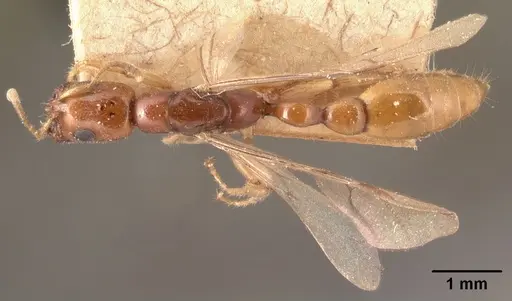
Colony growth is moderate, faster than some slow-growing genera like Camponotus, but not as rapid as some tropical Myrmicinae. A healthy established colony can reach several hundred workers over several years. The colony will produce new reproductives (alates) when it reaches sufficient size, typically after the colony has been established for 2-3 years.
Do not disturb founding colonies excessively. Queens are claustral and seal themselves in during founding, they do not forage and rely entirely on stored fat reserves. Avoid checking the nest until at least 4-6 weeks have passed, and even then, be very gentle. Disturbing the queen during founding often leads to colony failure.
Behavior and Temperament
Tetraponera fictrix workers are active, alert, and fast-moving. They have relatively good vision compared to many ant species, which is typical of the Pseudomyrmecinae subfamily. Workers will patrol the outworld actively and are quick to investigate new food sources.
These ants can be somewhat defensive when their nest is threatened, but they are not overly aggressive. They are more likely to flee than to attack. However, they may bite if directly handled or if the nest is severely disturbed.
They are diurnal foragers, meaning they are most active during daylight hours. In captivity, you will likely see peak activity in the morning and evening when you have the lights on. They will readily take sugar water and are not shy about coming out to forage.
Escape prevention is essential. Their slender bodies and active nature make them adept escape artists. Always use barriers like Fluon on nest rims and ensure all connections are secure.
Frequently Asked Questions
Is Tetraponera fictrix a good species for beginners?
This species is rated as medium difficulty. While not the hardest species to keep, it does require attention to humidity and temperature. Beginners should be comfortable maintaining warm, humid conditions before trying this species. If you have kept other tropical ants successfully, this is a good next step.
What do Tetraponera fictrix ants eat?
They are omnivorous with predatory tendencies. Feed them small live insects (fruit flies, pinhead crickets, small worms) as protein sources 2-3 times per week. Keep sugar water or honey available at all times. They will also occasionally accept fruit or ant jelly.
How long does it take for the first workers to emerge?
Based on typical Pseudomyrmecinae development, expect 6-8 weeks from egg to first worker at optimal temperatures of 26-28°C. The exact timeline may vary slightly based on temperature and colony health.
Do Tetraponera fictrix ants need hibernation?
No, they do not need hibernation. These are tropical ants from Madagascar and should be kept warm year-round. Maintain temperatures of 24-28°C consistently. Hibernation at cold temperatures would likely kill the colony.
What type of nest is best for Tetraponera fictrix?
Y-tong (AAC) nests or plaster nests work best. These are arboreal ants that naturally nest in tree cavities and hollow twigs. They do not do well in naturalistic soil formicariums. Provide narrow, enclosed chambers that mimic their natural tree-nesting environment.
Can I keep multiple queens together?
The colony structure for this specific species is not documented. Based on related Tetraponera species, they are likely single-queen colonies. It is not recommended to combine unrelated founding queens as this has not been studied for this species.
How big do Tetraponera fictrix colonies get?
Colony size data is not available for this specific species. Based on related arboreal Tetraponera species, colonies likely reach several hundred workers over several years. They are not among the largest ant species.
Do Tetraponera fictrix ants sting?
Tetraponera belongs to the Pseudomyrmecinae subfamily, which does not have a functional stinger like some other ant groups. They may bite if threatened, but they are not considered dangerous to humans.
Why are my Tetraponera fictrix dying?
The most common causes are low humidity (they need consistently moist conditions), temperatures below 20°C, or excessive disturbance during founding. Check that the nest substrate stays damp and that temperatures remain in the 24-28°C range. Also ensure they have proper escape prevention.
When should I move my colony to a formicarium?
Wait until the colony has at least 20-30 workers before moving to a larger formicarium. For founding colonies, a test tube or small Y-tong setup works well. Only upgrade when the colony visibly needs more space, moving too soon can cause stress.
Report an Issue
The current care sheet is based fully on literature. See inconsistencies, or something that's incorrect? Please , it will be resolved after review from an admin. Contributing to the blogs tab also helps providing information, to make us be able to further improve the caresheets. Thank you for your support!
References

This caresheet is licensed under CC BY-SA 4.0 .
Literature
Loading...Loading products...