
Tetraponera allaborans shows a January to December flight window. Peak activity occurs in January, with nuptial flights distributed across 3 months.

Tetraponera allaborans
- Scientific Name
- Tetraponera allaborans
- Tribe
- Pseudomyrmecini
- Subfamily
- Pseudomyrmecinae
- Author
- Walker, 1859
- Distribution
- Found in 14 countries
- Nuptial Flight
- from January to December, peaking in January
AI Identifiable
try →
Tetraponera allaborans Overview
Tetraponera allaborans is an ant species of the genus Tetraponera. It is primarily documented in 14 countries , including Australia, China, Hong Kong. Detailed taxonomic data and occurrence records can be further explored via authoritative databases such as AntWeb or the Global Biodiversity Information Facility (GBIF).
The nuptial flight of Tetraponera allaborans is a significant biological event, typically occurring from January to December, peaking in January. During this time, winged queens and males leave the nest to mate and establish new colonies.
Tetraponera allaborans - "Slender Ant"
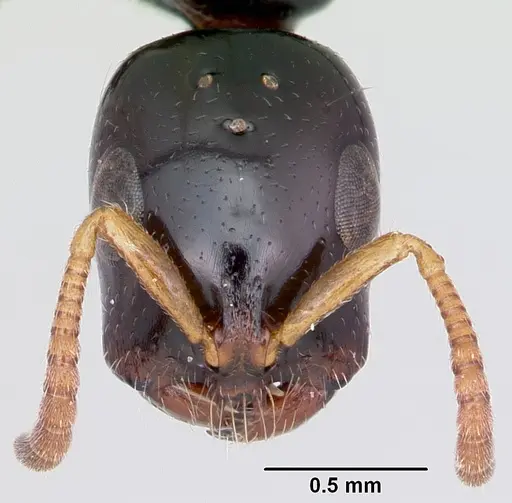
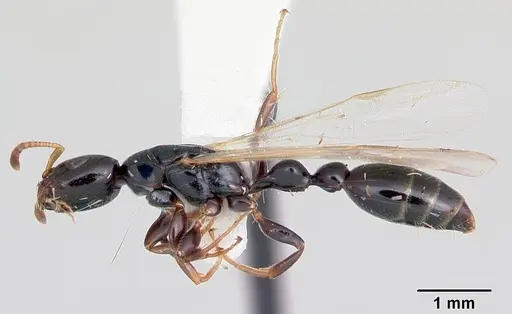
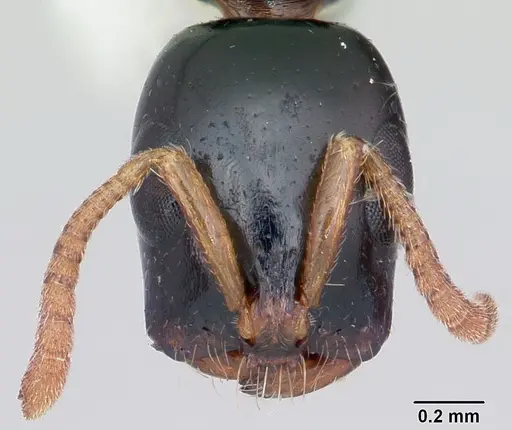
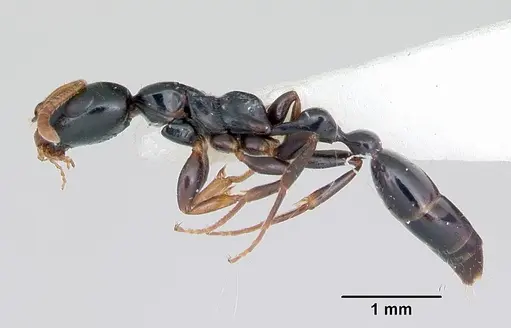
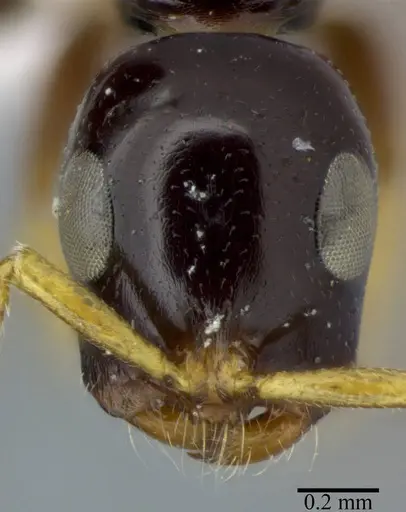
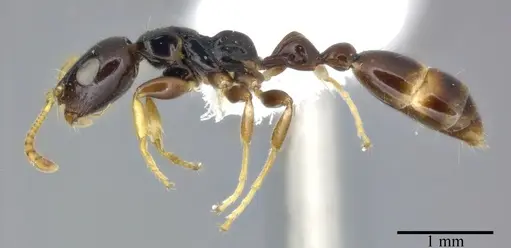
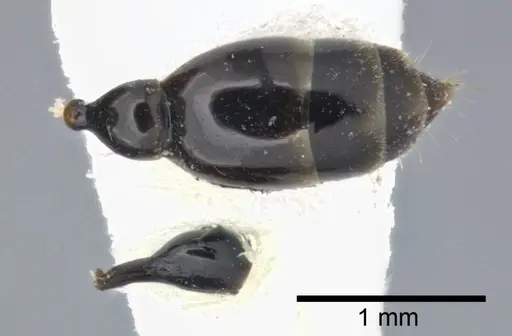
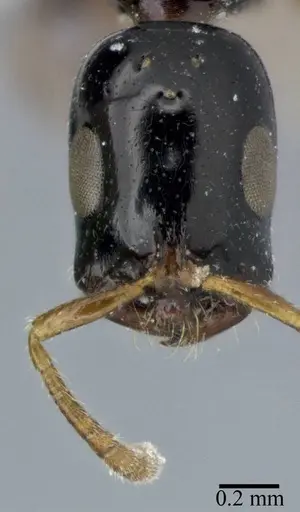
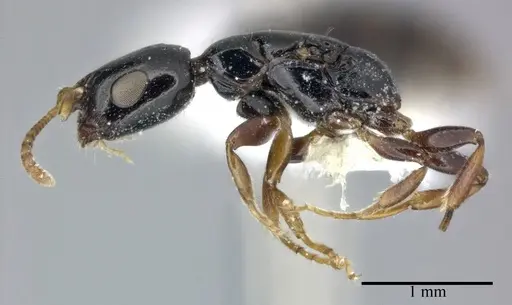
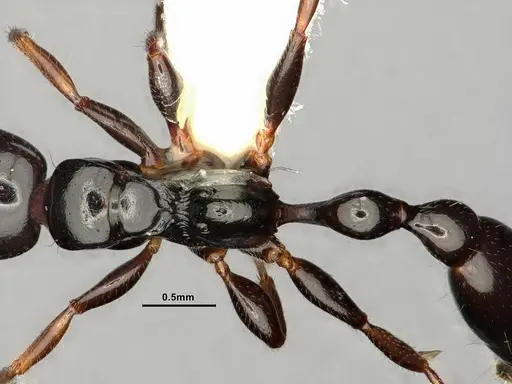
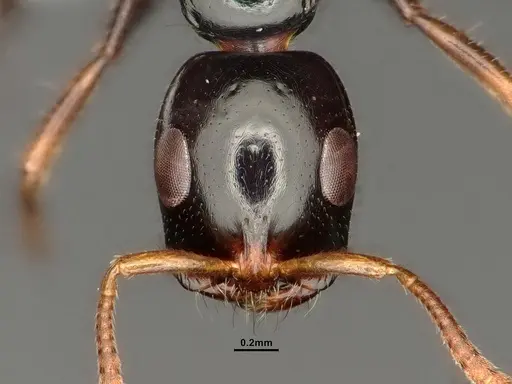
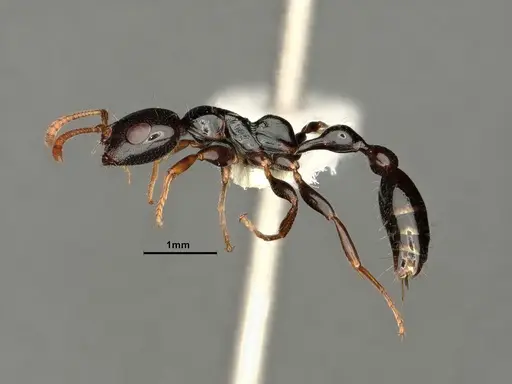
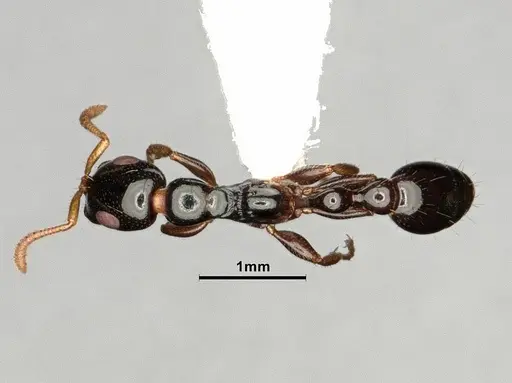
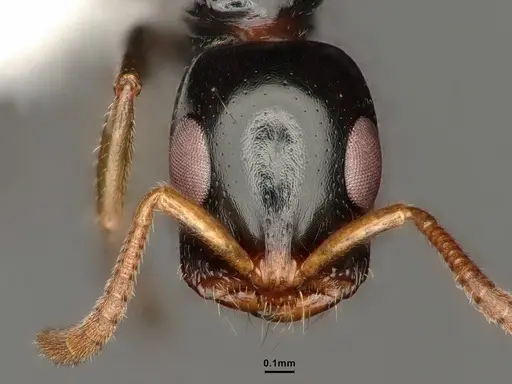
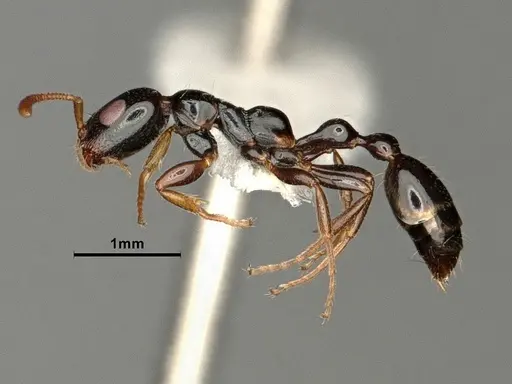
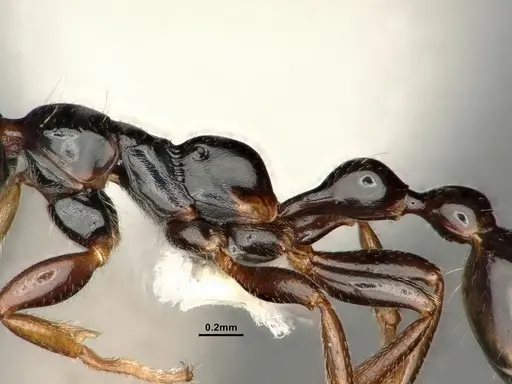
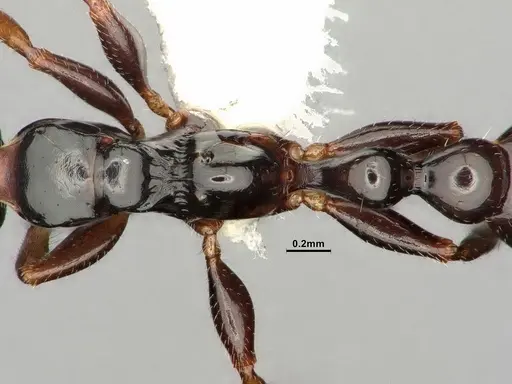
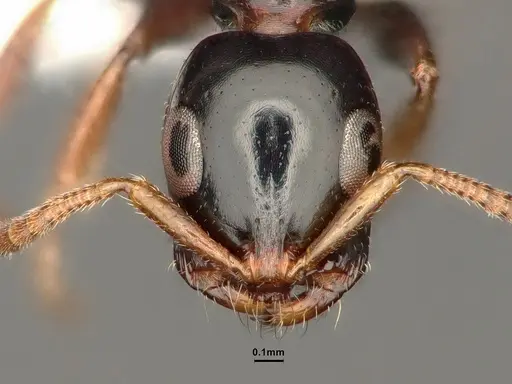
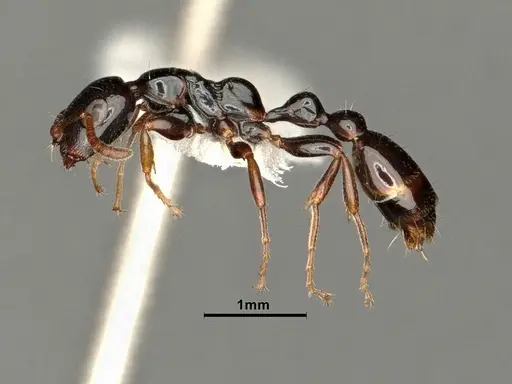
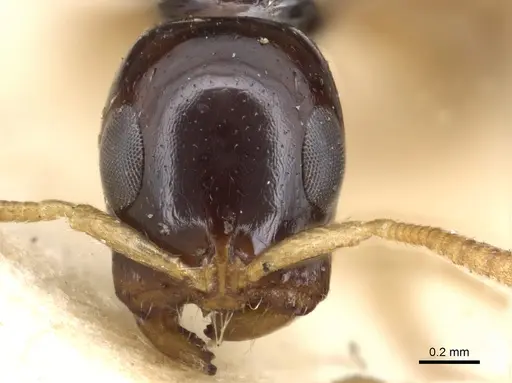
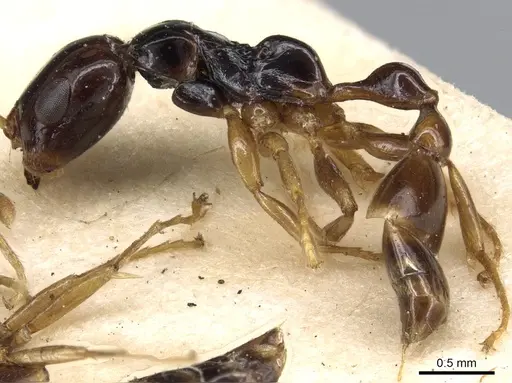
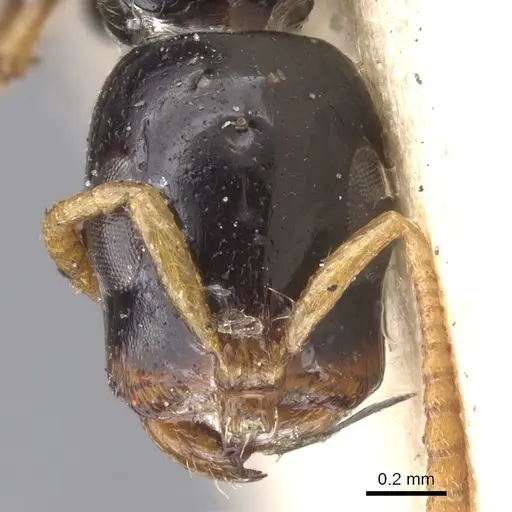
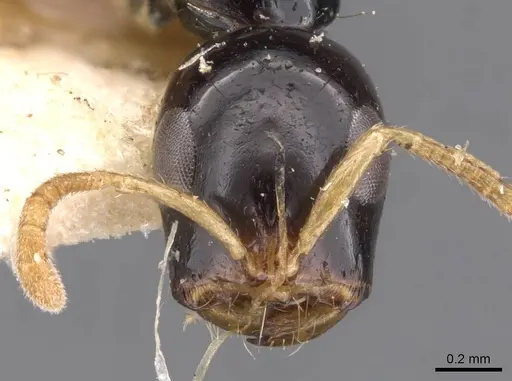
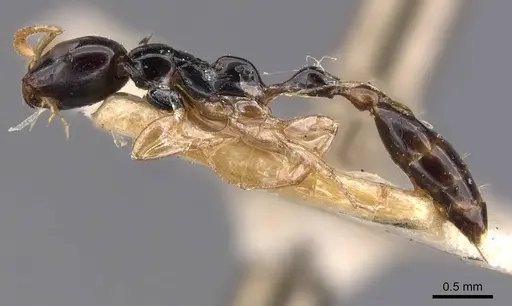
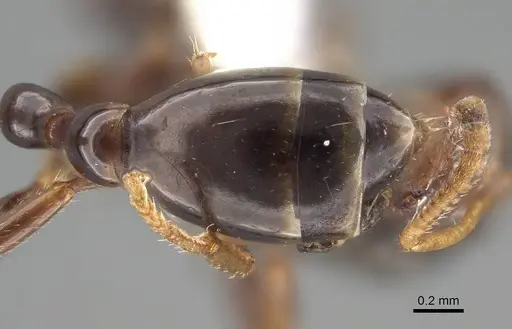
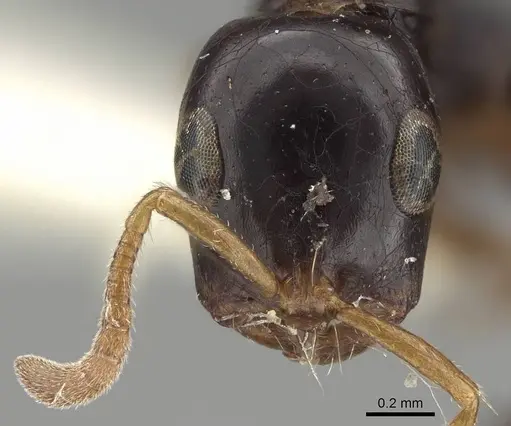
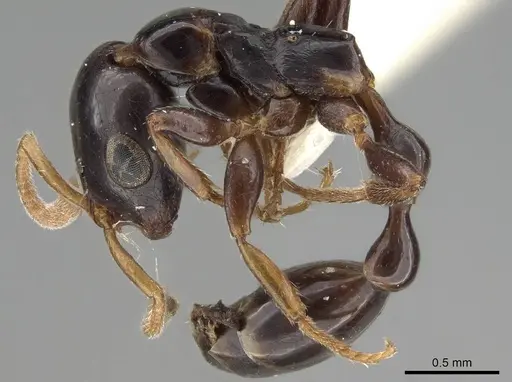
Tetraponera allaborans is a striking, slender ant species characterized by its distinctly narrow, delicate body and shiny black coloration. These ants are known for their arboreal lifestyle, primarily inhabiting hollow structures within plants and trees, such as dead twigs, branches, and even specialized plant cavities called domatia. They are adept at navigating their arboreal environment with their powerful mandibles and tight grip. Queens of this species are around 13mm in size, while workers are typically 9-10mm.
- Difficulty: Medium
- Origin & Habitat: Southeast Asia, including Sri Lanka, India, China, Thailand, Malaysia, Singapore, Brunei Darussalam, and Indonesia. in Tropical to subtropical rainforests, often found in primary and secondary rainforests, montane forests, and various other forest types including oak-pine and bamboo forests. They commonly nest in preformed cavities within dead twigs and hollow stems of a wide variety of plant species..
- Colony Type: Monogyne (single queen), claustral (though sometimes with adoption) founding.
- Size & Growth:
- Queen: 13-13mm
- Worker: 9-10mm
- Colony: Small (500 to 1000 workers). Medium. Initial egg production is low, but it increases significantly in the second to fourth years to support colony growth and defense. growth.
- Antkeeping:
- Temperature: Maintain an arena temperature between 21-30°C and a nest temperature between 24-28°C..
- Humidity: The arena should have 60-70% humidity, while the nest area requires higher humidity, around 60-80%..
- Diapause: Not required. Not specified at Not specified.
- Nesting: These ants prefer nesting in pre-existing hollows, replicating their natural habitat in wood and hollow stems. Suitable formicarium types include those designed for arboreal species like cork, softwood, acrylic cylinders, or Ytong/Plaster nests with appropriate hollow spaces..
- Behavior: Medium (towards prey and threats to their host plant) aggressiveness.
- Common Issues: Escape prevention (due to their slender bodies and agility), Maintaining high humidity in the nest, Providing appropriate arboreal nesting structures, Ensuring consistent protein supply.
Nuptial Flight Activity Analysis 72 observations
Flight Activity by Hour 72 observations
Tetraponera allaborans nuptial flight activity peaks around 11:00 during the late morning to early afternoon. Activity is spread across a 24-hour window (00:00–23:00). A secondary activity peak occurs around 14:00. Times may be influenced by human observation patterns.
Tetraponera allaborans are fascinating arboreal ants, known for their mutualistic relationship with host plants in the wild. They typically inhabit hollow structures within these plants, which are called myrmecophytes. These plants provide the ants with shelter and food sources like extrafloral nectar. In return, the ants protect their host plants from herbivores by aggressively attacking insects and even mammals that pose a threat. Their sophisticated pheromone systems allow them to quickly mobilize and overpower invaders.
Given their arboreal nature, providing a suitable nesting setup is crucial for keeping Tetraponera allaborans. Nests that mimic hollow branches or twigs, such as those made from cork or softwood, are ideal. While they are a generally delicate-looking species, they are quite active and require an outworld with plenty of climbing opportunities, replicating their natural foraging environment. Consider adding twigs, leaf litter, and stones to create an engaging habitat.
These ants are known to sting, and their venom contains peptides that can induce rapid paralysis in insects and cause significant pain to mammals. While not typically aggressive towards their keepers unless provoked, it's wise to handle them with care and use appropriate precautions, especially when performing maintenance on their formicarium. Their slender bodies and ability to quickly react make them quite agile, so secure setups are important for escape prevention.
Diet-wise, Tetraponera allaborans are omnivores. In the wild, they consume various insects, sometimes even consuming larger prey like katydids or leaf beetles after subduing them. For captive colonies, a diet of honey water and small insects like flies and crickets is recommended. Ensuring a varied protein source will contribute to the colony's overall health and growth.
Colony founding for this species is primarily claustral, meaning the queen will seal herself in a chamber and raise her first brood without needing to forage. However, colony adoption is also noted as a founding method. New colonies begin with a low egg production rate, which then increases substantially as the colony matures, ensuring a steady supply of workers for defense and foraging. Providing a calm and undisturbed founding chamber is vital for a successful start.
Frequently Asked Questions
What kind of formicarium is best for Tetraponera allaborans?
For these amazing arboreal ants, you'll want a formicarium that mimics hollow wood or stems. Cork nests, softwood setups, or acrylic cylinders with plenty of climbing space are ideal. They really thrive in setups that let them express their natural tree-dwelling behaviors.
Do Tetraponera allaborans sting?
Yes, Tetraponera allaborans workers are equipped with a stinger. Their venom is quite potent against insects, causing paralysis, and can be painful to mammals. While they're not typically aggressive towards keepers, it's always wise to exercise caution during colony maintenance.
What do Tetraponera allaborans eat?
These slender ants are omnivores. In the wild, they're known to hunt various insects. For your colony, offer them honey water for carbohydrates and a steady supply of small feeder insects like fruit flies and small crickets to meet their protein needs. A diverse diet is key for a flourishing colony!
How large do Tetraponera allaborans colonies get?
Tetraponera allaborans colonies are on the smaller side compared to some other ant species. They typically reach an estimated size of around 500 to 1000 workers. This makes them a more manageable species for many ant keepers.
Do Tetraponera allaborans need a diapause (hibernation)?
No, Tetraponera allaborans do not require a diapause period. They are a tropical to subtropical species, so maintaining consistent temperatures and humidity levels year-round is important for their well-being.
What are the ideal temperature and humidity for Tetraponera allaborans?
For optimal health and activity, keep their outworld or arena between 21-30°C and the nest area slightly warmer, from 24-28°C. Humidity-wise, aim for 60-70% in the foraging area and a higher 60-80% inside the nest to support their brood.
Are Tetraponera allaborans difficult to keep?
They are considered a 'Medium' difficulty species for antkeeping. While not as demanding as some expert-level ants, they do have specific requirements for their arboreal nesting, humidity, and escape prevention due to their slender bodies and swift movements.
What is the queen's size for Tetraponera allaborans?
The queen of Tetraponera allaborans is quite noticeable, measuring around 13mm in length. She's larger than her worker counterparts, making her easy to identify within the colony.
How fast do Tetraponera allaborans colonies grow?
Their colony growth rate is considered medium. While the queen initially produces eggs at a slower pace, this significantly increases after the first year or two, ensuring a steady expansion of the workforce to defend and sustain the growing colony.
Where are Tetraponera allaborans naturally found?
These fascinating ants are native to Southeast Asia, with a wide distribution across countries like India, China, Thailand, Malaysia, and more. They inhabit various tropical and subtropical rainforest environments.
Can I keep multiple Tetraponera allaborans queens together?
No, Tetraponera allaborans are a monogyne species, meaning each colony typically has only a single queen. Attempting to house multiple queens together will likely lead to conflict and stress for the colony.
What makes Tetraponera allaborans unique?
Their most defining characteristics are their slender, delicate bodies and their specialized arboreal lifestyle. They have evolved strong mutualistic relationships with certain host plants, living within hollow structures and fiercely defending their plant partners. This makes observing their behavior incredibly rewarding for ant keepers.

This caresheet is licensed under CC BY-SA 4.0 .
CASENT0103238
View on AntWeb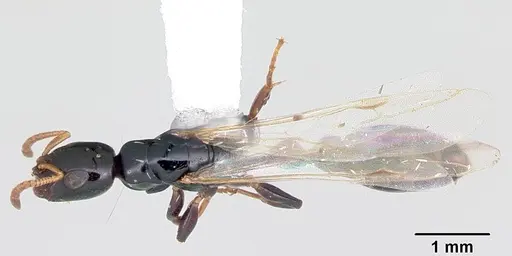
CASENT0103239
View on AntWeb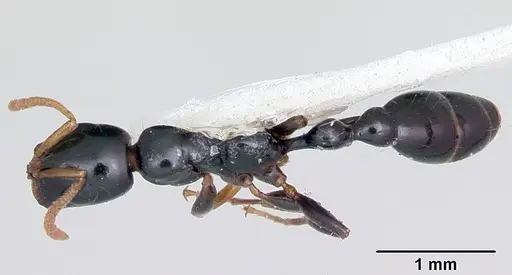
CASENT0246285
View on AntWeb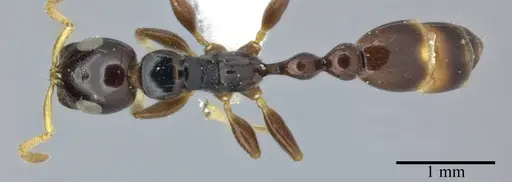
CASENT0246306
View on AntWeb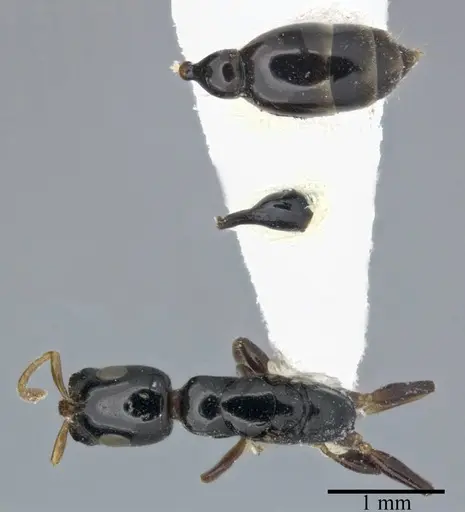
CASENT0883572
View on AntWeb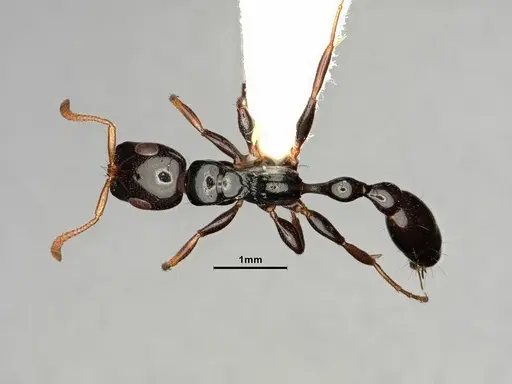
CASENT0883880
View on AntWeb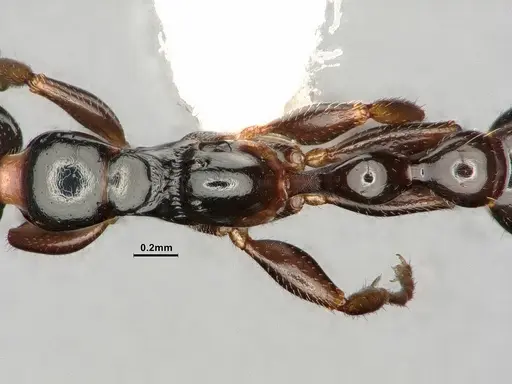
CASENT0884286
View on AntWeb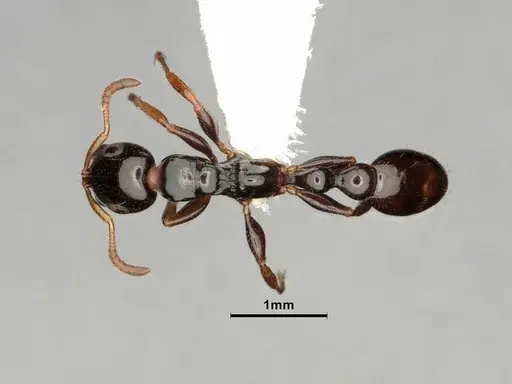
CASENT0902822
View on AntWeb
CASENT0902823
View on AntWeb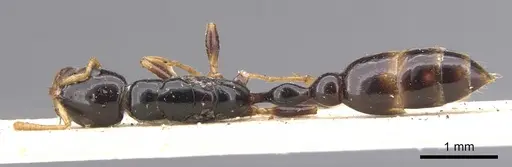
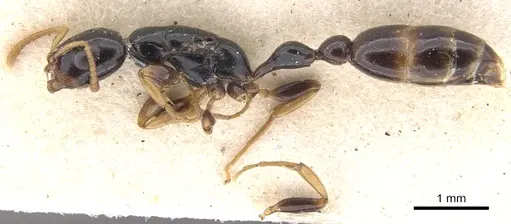
CASENT0904037
View on AntWeb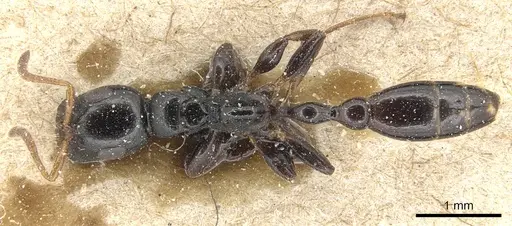
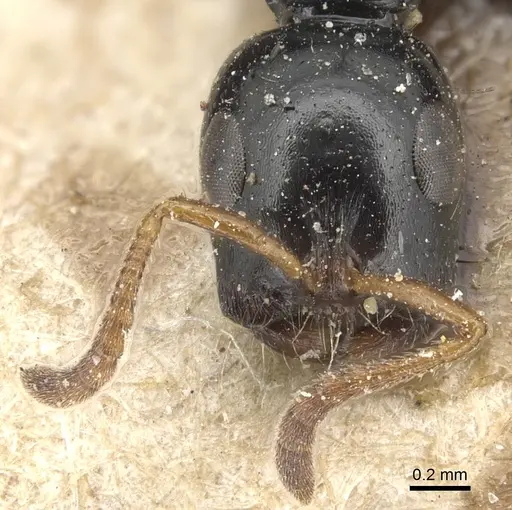
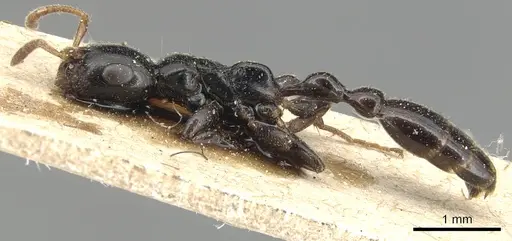
CASENT0907456
View on AntWeb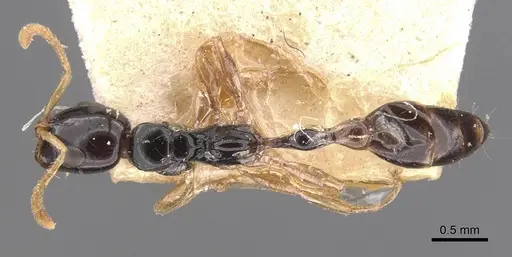
CASENT0919889
View on AntWeb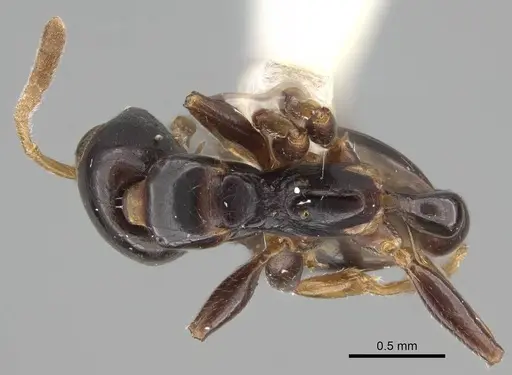
Literature
Loading...Loading products...