

Tetraponera aitkenii
- Scientific Name
- Tetraponera aitkenii
- Tribe
- Pseudomyrmecini
- Subfamily
- Pseudomyrmecinae
- Author
- Forel, 1902
- Distribution
- Found in 3 countries
Tetraponera aitkenii Overview
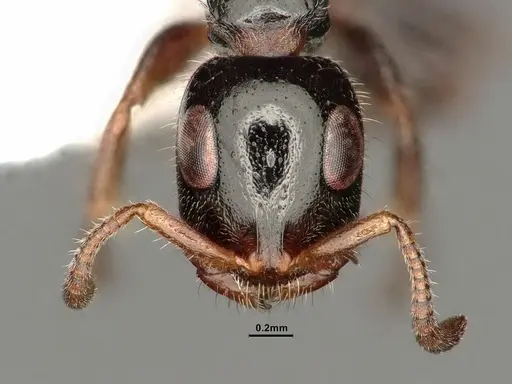
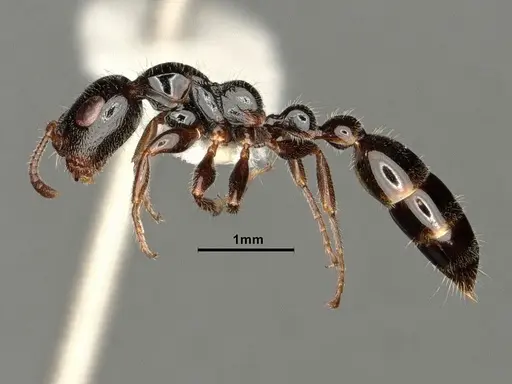
Tetraponera aitkenii is an ant species of the genus Tetraponera. It is primarily documented in 3 countries , including India, Sri Lanka, Thailand. Detailed taxonomic data and occurrence records can be further explored via authoritative databases such as AntWeb or the Global Biodiversity Information Facility (GBIF).
Tetraponera aitkenii
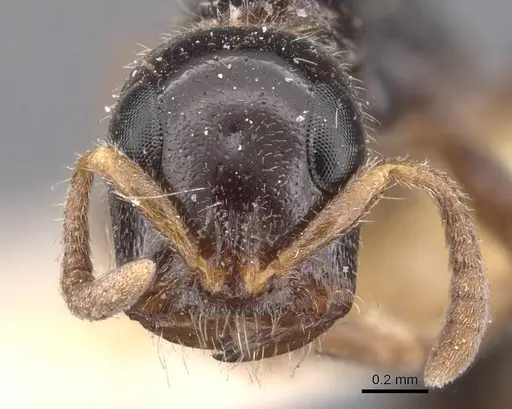
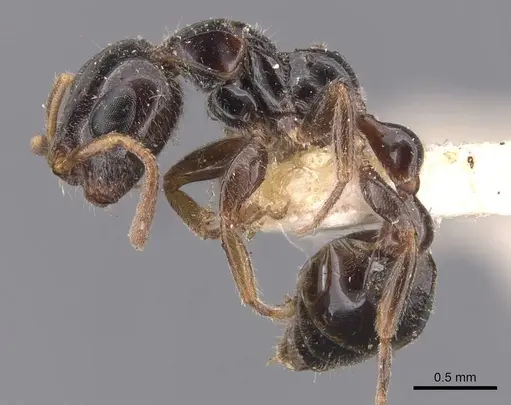
0.40), a thin petiole, and moderately dense pubescence on the gaster [1]. Long standing hairs are abundant on the head and mesosoma, giving them a somewhat fuzzy appearance [1]. This species is found across southern Asia, from India through Bangladesh, Malaysia, Thailand, and recently recorded in Nepal and the Andaman and Nicobar Islands [2][1].
These ants have an interesting association with trees, they have been documented visiting extrafloral nectary glands of cashew trees (Anacardium occidentale) in India [3]. They are also commonly found on mango trees in various parts of their range [4][5]. This arboreal nesting and foraging behavior makes them quite different from many common soil-nesting ants kept in captivity.
Quick Summary
- Difficulty: Medium
- Origin & Habitat: Native to southern Asia including India, Bangladesh, Malaysia, Thailand, and Nepal. Found in tropical and subtropical regions, typically associated with trees like mango and cashew. Workers are commonly found foraging on tree trunks and visiting extrafloral nectaries [2][1][3].
- Colony Type: Colony structure is not well documented. Based on genus-level information, likely monogyne (single queen) but this requires confirmation. No ergatoid replacement reproductives have been documented for this species.
- Size & Growth:
- Queen: Not directly measured for this species, related Tetraponera species queens are larger than workers, likely 4-6mm range based on genus patterns
- Worker: 0.75-0.85mm head width (HW) [1]
- Colony: Unknown for this species, related Tetraponera species typically reach a few hundred workers
- Growth: Unknown, likely moderate based on small worker size
- Development: Unknown, estimates based on related Pseudomyrmecinae suggest 6-10 weeks at optimal temperature (Development time is unconfirmed for this specific species)
- Antkeeping:
- Temperature: Keep at 24-28°C, these are tropical ants that prefer warm conditions
- Humidity: Moderate to high humidity (60-80%), their tropical arboreal habitat suggests they prefer damp conditions
- Diapause: Unknown, tropical species may have reduced activity in cooler months but true hibernation is unlikely
- Nesting: Arboreal nester in nature, they likely nest in hollow twigs, dead branches, or under bark. In captivity, a small formicarium or Y-tong nest with tight chambers works well. Provide some climbing structures
- Behavior: Active foragers that search for nectar and small prey on trees and vegetation. They are not aggressive toward keepers but will defend their nest. Their small size and arboreal nature mean they are excellent climbers, escape prevention is important. They are relatively fast-moving and alert.
- Common Issues: small size makes escape likely without fine mesh barriers, tropical humidity requirements can lead to mold in poorly ventilated nests, wild-caught colonies may have parasites that are difficult to treat, limited availability in the antkeeping hobby means established colonies are rare, arboreal nature requires vertical space and climbing structures
Housing and Nest Setup
Tetraponera aitkenii is an arboreal species, meaning they naturally live in trees and woody vegetation. In captivity, you should provide a nest that mimics their natural hollow twig or dead branch habitat. A Y-tong (AAC) formicarium with narrow chambers works well, or you can use a small naturalistic setup with cork bark or fake plants for climbing. Because they are small ants, ensure the chambers and passages are appropriately scaled, too large a space can stress them. Include a water tube for humidity and consider misting the outworld occasionally to maintain moisture. They will appreciate having plants or other vertical structures to climb on, reflecting their tree-dwelling lifestyle.
Feeding and Diet
In the wild, these ants are known to visit extrafloral nectaries on trees like cashew and mango, where they feed on sugary nectar [3]. They also likely hunt small insects and arthropods for protein. In captivity, offer a mix of sugar sources (sugar water, honey, or diluted honey water) and protein foods. For protein, you can offer small prey items like fruit flies, small crickets, or other tiny insects. Because they are small ants, prey items should be appropriately sized, nothing larger than their head width. Feed sugar sources constantly and protein 2-3 times per week. Remove uneaten prey after 24 hours to prevent mold.
Temperature and Humidity
As a tropical species from southern Asia, Tetraponera aitkenii prefers warm and moderately humid conditions. Keep the nest area at 24-28°C, this is warmer than many common temperate ant species require. You can achieve this with a small heating cable or mat placed on one side of the nest to create a gentle temperature gradient. Avoid temperatures below 22°C as this may slow their metabolism and brood development. For humidity, aim for 60-80%, this can be maintained with a water tube attached to the nest and occasional misting. These ants are sensitive to dry conditions, so monitor the substrate moisture and rehydrate when it starts drying out.
Behavior and Colony Dynamics
Tetraponera aitkenii workers are active foragers that spend much of their time searching for nectar and small prey on vegetation. They are not particularly aggressive and rarely sting, making them safe to handle. However, they are excellent climbers and can squeeze through very small gaps due to their tiny size. This means you need excellent escape prevention, use fluon on container rims and ensure all ventilation holes are covered with fine mesh (at least 0.5mm). Colonies are likely small to moderate in size, probably reaching a few hundred workers at maturity. The queen is likely claustral (she seals herself in to raise the first workers alone), but this has not been directly documented for this species.
Frequently Asked Questions
Is Tetraponera aitkenii a good beginner ant?
This species is rated as medium difficulty and may not be the best choice for complete beginners. They require warm, humid tropical conditions and their small size makes escape prevention challenging. They are also rarely available in the antkeeping hobby. If you're new to antkeeping, consider starting with a more common species like Lasius niger or Camponotus species before attempting Tetraponera.
What do Tetraponera aitkenii ants eat?
They feed on sugary nectar in the wild (they've been documented visiting cashew and mango tree nectaries), and likely hunt small insects for protein. In captivity, offer sugar water or honey water as a constant food source, and supplement with small protein-rich prey like fruit flies, pinhead crickets, or other tiny insects. Feed protein 2-3 times per week and remove uneaten prey after 24 hours [3].
How long does it take for Tetraponera aitkenii to raise first workers?
The exact development time is unconfirmed for this species. Based on related Pseudomyrmecinae ants, expect around 6-10 weeks from egg to first worker at optimal temperature (around 26°C). The first workers (nanitics) will likely be smaller than fully-grown workers. Be patient, small ant species sometimes take longer to establish than larger species.
Do Tetraponera aitkenii ants need hibernation?
No, hibernation is not required. As a tropical species from southern Asia, they do not experience cold winters in their natural habitat. They may have reduced activity during cooler months, but you do not need to induce a true diapause. Simply maintain their normal warm temperatures year-round. Dropping temperatures below 20°C for extended periods could be harmful.
Can I keep Tetraponera aitkenii in a test tube?
Yes, you can start a colony in a test tube setup. Use a standard test tube with a water reservoir (filled cotton ball) for humidity. However, because they are an arboreal species, you may need to transfer them to a more appropriate formicarium with climbing structures as the colony grows. The test tube works well for the founding stage but a small Y-tong or naturalistic setup will be better for a mature colony.
How big do Tetraponera aitkenii colonies get?
The maximum colony size is not well documented for this species. Based on related Tetraponera species, colonies likely reach a few hundred workers at maturity. They are not among the largest ant species, so expect moderate colony sizes rather than the thousands of workers seen in some Formica or Camponotus species.
Do Tetraponera aitkenii ants sting?
Pseudomyrmecinae ants have a functional stinger, but these ants are not considered aggressive and rarely sting. Their small size also means any sting would be very mild. They are safe to handle and are more likely to flee than to attack when disturbed. However, always observe your ants' behavior and handle with care.
Why are my Tetraponera aitkenii escaping?
These ants are excellent climbers and can squeeze through tiny gaps due to their small size. Escape prevention is critical, use fluon or another barrier on all container rims, and cover any ventilation holes with fine mesh (0.5mm or smaller). Check your setup daily and ensure there are no gaps larger than about 0.5mm. Their small size means they can escape through gaps that would hold back larger ants.
What temperature is best for Tetraponera aitkenii?
Keep them at 24-28°C, with 26°C being ideal. Use a small heating cable or mat on one side of the nest to maintain warmth, especially if your room temperature is below 24°C. Avoid temperature fluctuations and keep them away from cold drafts. These tropical ants need consistent warmth for healthy brood development.
References

This caresheet is licensed under CC BY-SA 4.0 .
CASENT0884284
View on AntWeb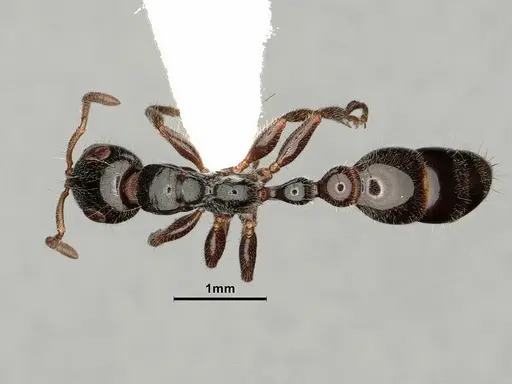
CASENT0907455
View on AntWeb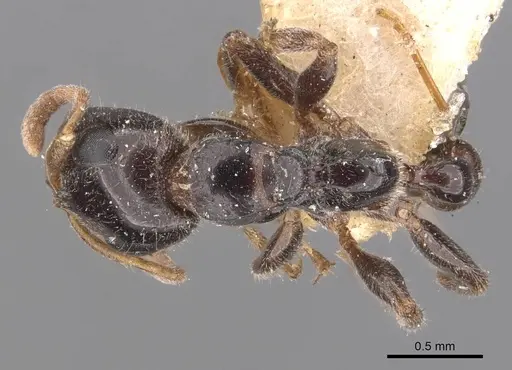
Literature
Loading...Loading products...