

Tetramorium validiusculum
- Scientific Name
- Tetramorium validiusculum
- Tribe
- Crematogastrini
- Subfamily
- Myrmicinae
- Author
- Emery, 1897
- Distribution
- Found in 2 countries
Tetramorium validiusculum Overview
Tetramorium validiusculum is an ant species of the genus Tetramorium. It is primarily documented in 2 countries , including Australia, Papua New Guinea. Detailed taxonomic data and occurrence records can be further explored via authoritative databases such as AntWeb or the Global Biodiversity Information Facility (GBIF).
Tetramorium validiusculum
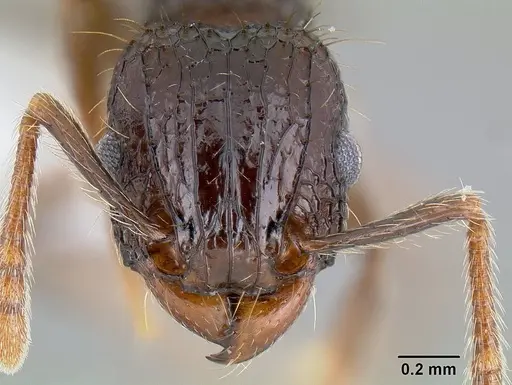
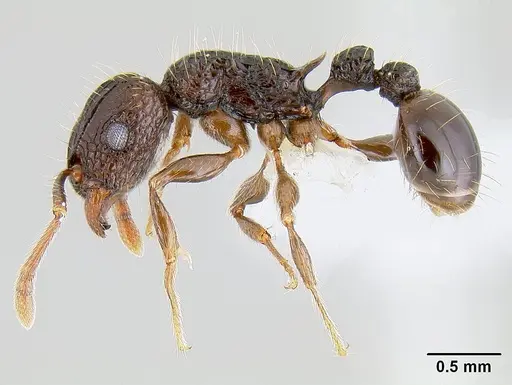
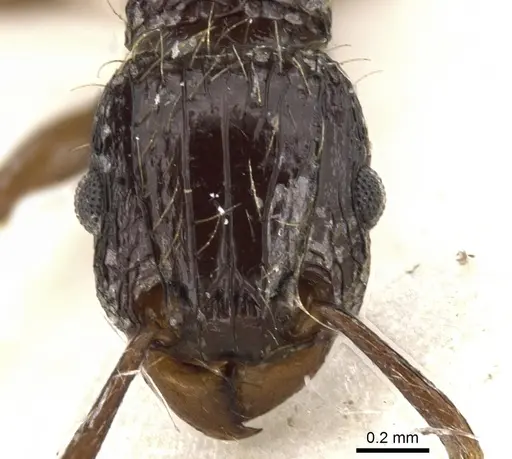
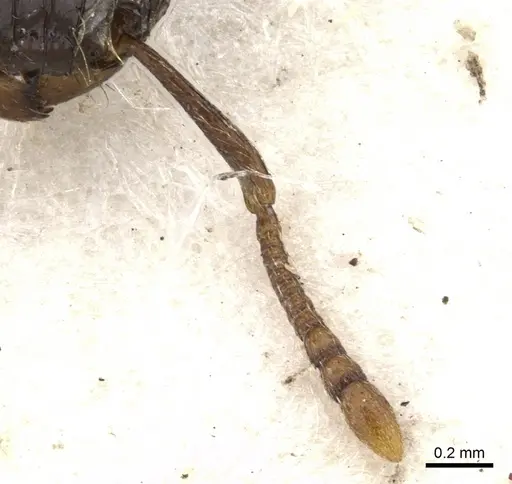
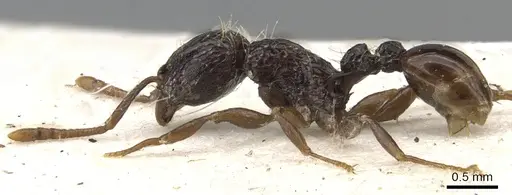
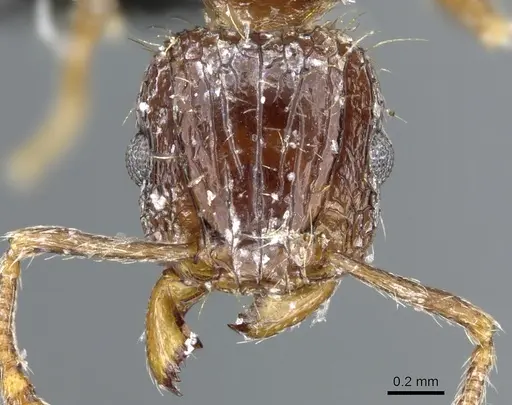
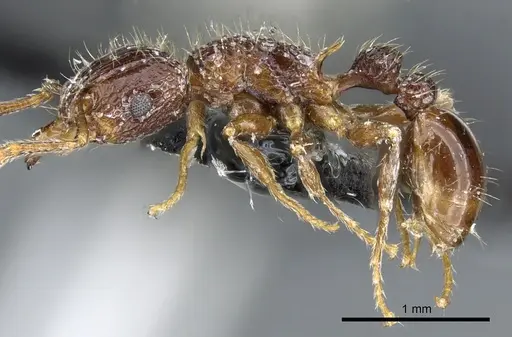
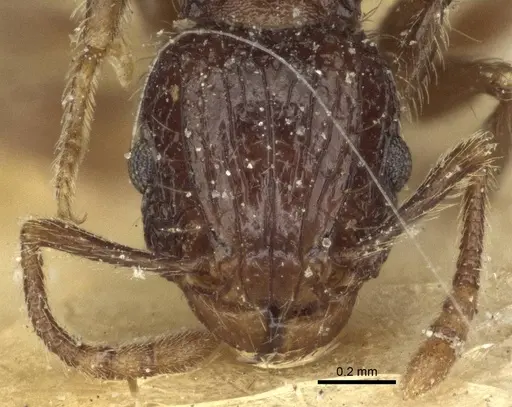
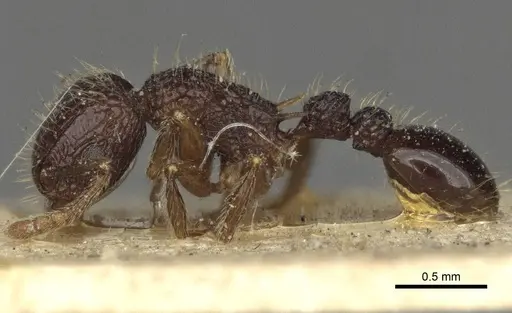
Tetramorium validiusculum is a small, dark brown to black ant species native to the Australasian region, including New Guinea, northern Australia (Cape York Peninsula), and recently documented in the Philippines [1]. Workers measure 3.7-4.6mm and belong to the Myrmicinae subfamily, characterized by their two-segmented waist (petiole and postpetiole) and acidic stinger [2]. This species is closely related to Tetramorium pacificum, distinguished by its strongly reduced head sculpture, the dorsal surface has longitudinal carinae without the cross-meshes typical of related species [1]. They inhabit rainforests and disturbed forest areas, typically nesting in rotten wood and under bark [3]. The colony structure appears to be single-queen (monogyne), with claustral founding behavior typical of the genus.
Quick Summary
- Difficulty: Medium
- Origin & Habitat: Australasian region, found in New Guinea, northern Australia (Cape York Peninsula), and the Philippines. Inhabits rainforest and disturbed forest habitats (pine and coffee plantations), with nests in rotten wood and under bark [3][1].
- Colony Type: Monogyne (single-queen colonies). Colony founding is claustral, the queen seals herself in and raises the first workers alone using stored fat reserves, typical of Tetramorium species.
- Colony: Monogyne
- Founding: Claustral
- Size & Growth:
- Queen: Unconfirmed size, related Tetramorium species typically have queens 6-9mm
- Worker: 3.7-4.6mm [3]
- Colony: Likely several hundred workers based on typical Tetramorium colony sizes
- Growth: Moderate, estimated 6-10 weeks from egg to first worker at optimal temperature
- Development: 6-10 weeks estimated based on typical Tetramorium development (Development time inferred from related Tetramorium species, actual timing may vary with temperature)
- Antkeeping:
- Temperature: Keep at 22-26°C. This species comes from tropical rainforest environments, so warmth supports activity and brood development
- Humidity: High humidity preferred (60-80%). Maintain moist substrate, these ants naturally nest in rotting wood which retains moisture [3]
- Diapause: No true diapause required. As a tropical species, they do not need hibernation but may reduce activity in cooler conditions
- Nesting: Provide a moist nest environment. Rotten wood nesting suggests they do well in Y-tong, plaster, or naturalistic setups with damp substrate. They accept test tubes with moisture reservoirs but prefer wood-based nesting sites [3]
- Behavior: Workers are active foragers, typical of Tetramorium. They are not particularly aggressive but will defend the nest. Their small size (under 5mm) means escape prevention must be excellent, they can squeeze through tiny gaps. Active primarily in warmer temperatures, less active when cool.
- Common Issues: escape prevention is critical due to small worker size, use fine mesh barriers, tropical species may struggle in cool rooms below 20°C, high humidity requirements can lead to mold if ventilation is poor, wild-caught colonies may harbor parasites that cause colony failure, slow founding phase may lead to overchecking by impatient keepers
Housing and Nest Setup
Tetramorium validiusculum does well in several nest types. In the wild, they nest in rotting wood and under bark, so a Y-tong (AAC) nest or plaster formicarium with wood-themed chambers works well [3]. These setups hold moisture effectively while providing the dark, enclosed spaces these ants prefer. Test tubes with water reservoirs can work for founding colonies, but expect slower growth compared to wood-based nests. The key is maintaining consistent humidity without waterlogging, the substrate should feel damp but not soggy. A naturalistic setup with cork bark or rotting wood pieces on moist soil mimics their natural habitat closely. Whatever nest you choose, ensure it has a dark area for the queen and brood, plus an outworld for foraging.
Feeding and Diet
Like most Tetramorium species, T. validiusculum is an omnivore that accepts both protein and sugar sources. Feed them small protein items like fruit flies, pinhead crickets, mealworms, and other small insects. They also consume honey, sugar water, or honeydew. In nature, they forage for small arthropods and likely tend aphids for honeydew. Offer protein roughly twice weekly and keep a sugar source available constantly. Remove uneaten prey after 24-48 hours to prevent mold. Since workers are small (3.7-4.6mm), prey items should be appropriately sized, nothing larger than the ant's head. [3]
Temperature and Seasonal Care
Keep your colony at 22-26°C for optimal activity and brood development. As a tropical species from New Guinea and northern Australia, they prefer consistent warmth. Avoid temperatures below 18°C for extended periods, this species does not tolerate cool conditions well. A small heating cable on one side of the nest can create a temperature gradient, allowing ants to self-regulate. Unlike temperate species, they do not require a winter diapause. However, they may become less active if the room temperature drops. Monitor colony behavior, if workers cluster together and move slowly, the environment may be too cool. [3]
Colony Founding
Claustral founding means the queen seals herself in a small chamber and does not leave to forage. She lives entirely on stored fat reserves while raising the first brood. This process typically takes 4-8 weeks before the first workers (nanitics) emerge. During this time, do not disturb the queen or open the founding chamber. Place the queen in a dark, humid location and wait patiently. Once nanitics appear, you can begin offering tiny food items, but the colony should remain undisturbed for several more weeks. The founding chamber should have access to water but not be flooded, a damp cotton ball provides moisture without drowning risk. [3]
Behavior and Temperament
Workers are active foragers that search for food both on the ground and in vegetation. They are not particularly aggressive toward humans but will defend their nest vigorously against intruders. Compared to some Myrmicinae, they are relatively calm, they won't swarm aggressively like some Formica or Solenopsis species. Their small size makes them excellent escape artists, so use fluon on test tube rims and fine mesh on any openings. Workers live about 1-2 years, while queens can live several years, allowing colonies to grow substantial over time. [3]
Frequently Asked Questions
How long does it take for Tetramorium validiusculum to raise first workers?
Expect 6-10 weeks from egg to first worker at optimal temperature (22-26°C). This is typical for Tetramorium species. The queen will remain sealed in her chamber during this time, do not disturb her.
Can I keep Tetramorium validiusculum in a test tube?
Yes, test tubes work for founding colonies. Use a test tube with a water reservoir separated by a cotton plug. Keep it humid and dark. However, wood-based nests (Y-tong or plaster) typically yield better results long-term since these ants naturally nest in rotting wood.
Do Tetramorium validiusculum ants sting?
Yes, Myrmicinae ants have functional stingers. However, this species is not particularly aggressive and the sting is mild for humans. Their small size means the sting is barely noticeable compared to larger ants.
What temperature do Tetramorium validiusculum need?
Keep them at 22-26°C. This tropical species prefers warmth and will be less active in cool conditions. Avoid temperatures below 18°C for extended periods.
Are Tetramorium validiusculum good for beginners?
They are moderate difficulty. The main challenges are escape prevention (due to their small size) and maintaining proper humidity. They are more forgiving of temperature fluctuations than some tropical species but require attention to humidity levels.
How big do Tetramorium validiusculum colonies get?
Colonies likely reach several hundred workers based on typical Tetramorium colony sizes. The queen can live several years, allowing sustained colony growth.
Do Tetramorium validiusculum need hibernation?
No, they do not require hibernation. As a tropical species from New Guinea and northern Australia, they do not experience cold winters. Simply maintain consistent room temperature year-round.
What do Tetramorium validiusculum eat?
They are omnivores. Offer small protein sources (fruit flies, pinhead crickets, mealworms) twice weekly and keep a sugar source (honey, sugar water) available constantly. Remove uneaten prey after 24-48 hours.
Why are my Tetramorium validiusculum escaping?
Their small size (3.7-4.6mm) makes them excellent escape artists. Use fluon on all rims and openings, and ensure your formicarium has no gaps wider than 1mm. Check connections between the nest and outworld carefully.
Can I keep multiple Tetramorium validiusculum queens together?
This species is monogyne, single-queen colonies. Do not attempt to introduce multiple unrelated queens to the same setup as they will fight. Only keep one queen per colony.
References

This caresheet is licensed under CC BY-SA 4.0 .
CASENT0106004
View on AntWeb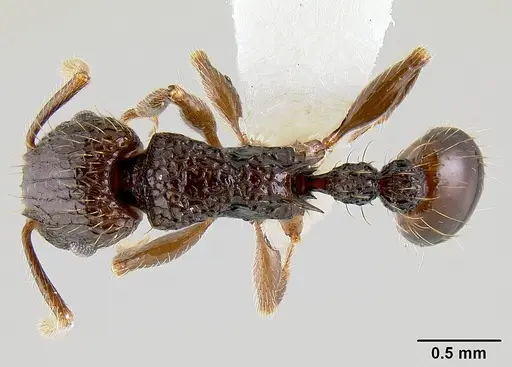
CASENT0901080
View on AntWeb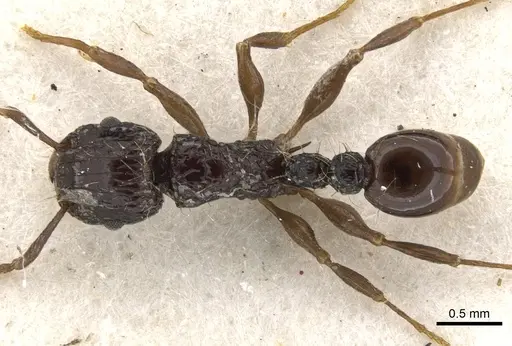
CASENT0904849
View on AntWeb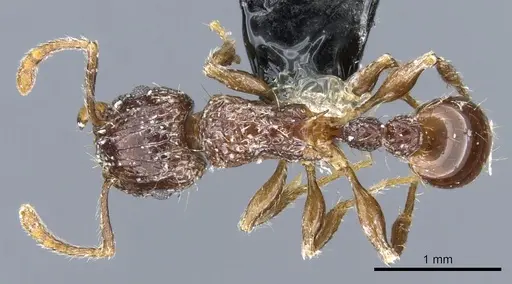
CASENT0916590
View on AntWeb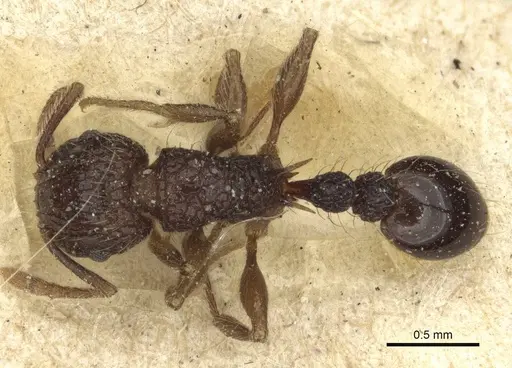
Literature
Loading...Loading products...