

Tetramorium pacificum
- Scientific Name
- Tetramorium pacificum
- Tribe
- Crematogastrini
- Subfamily
- Myrmicinae
- Author
- Mayr, 1870
- Common Name
- Ant
- Distribution
- Found in 9 countries
Tetramorium pacificum Overview
Tetramorium pacificum (commonly known as the Ant) is an ant species of the genus Tetramorium. It is primarily documented in 9 countries , including Fiji, Indonesia, Mauritius. Detailed taxonomic data and occurrence records can be further explored via authoritative databases such as AntWeb or the Global Biodiversity Information Facility (GBIF).
Tetramorium pacificum - "Ant"
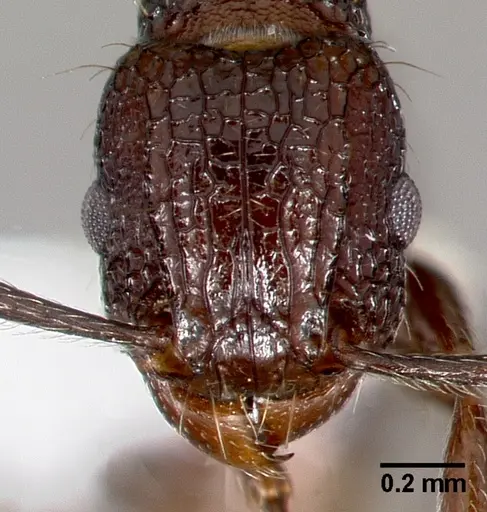
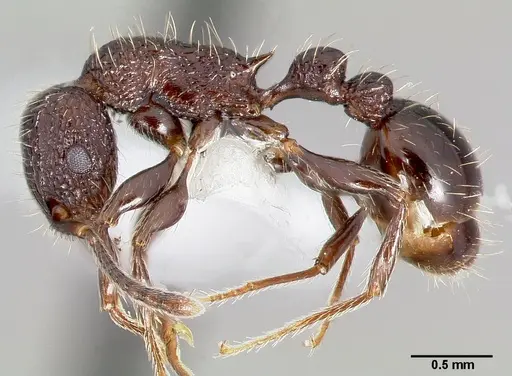
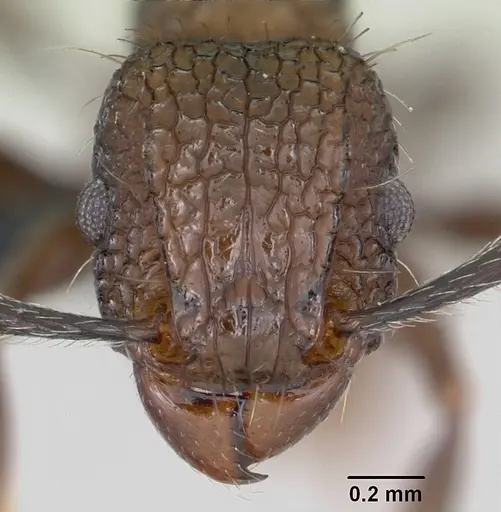
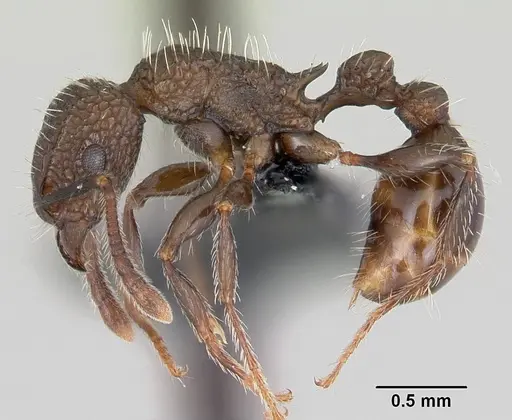
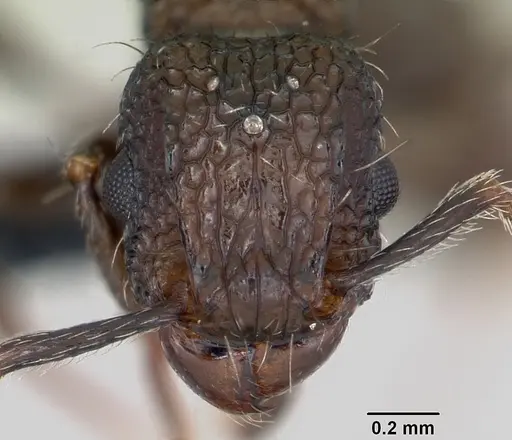
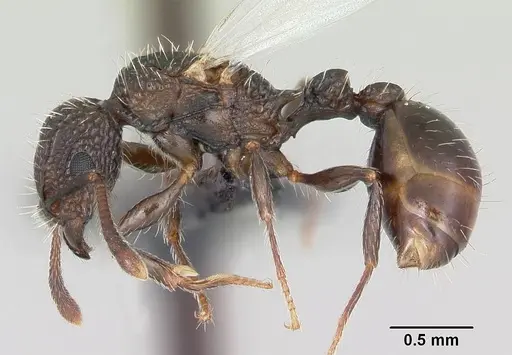
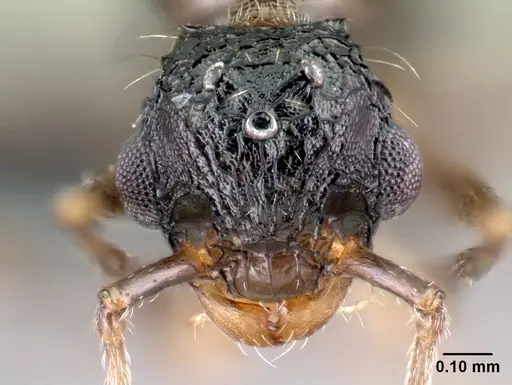
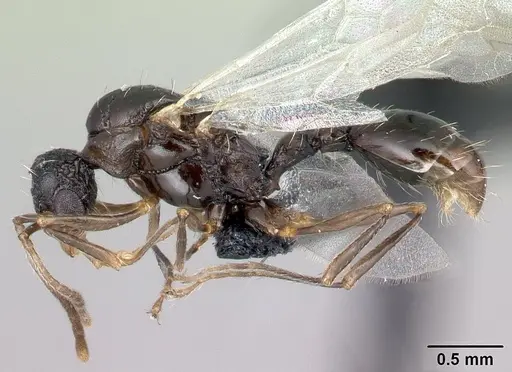
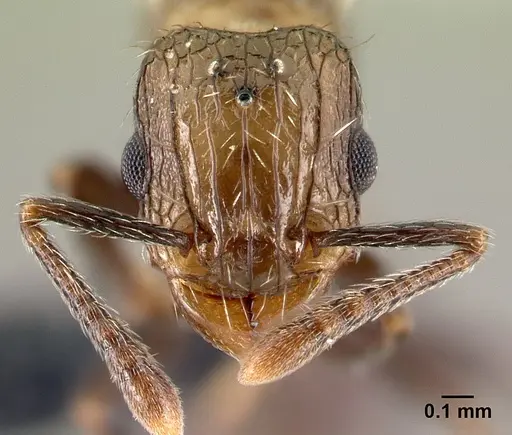
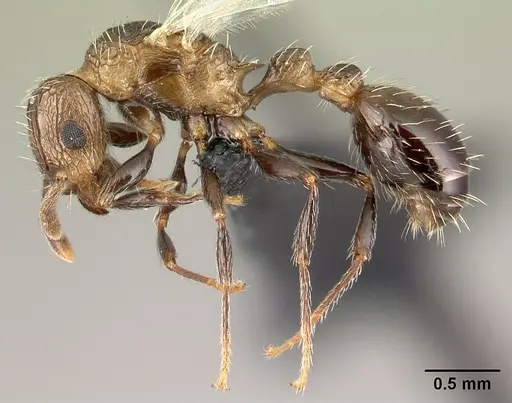
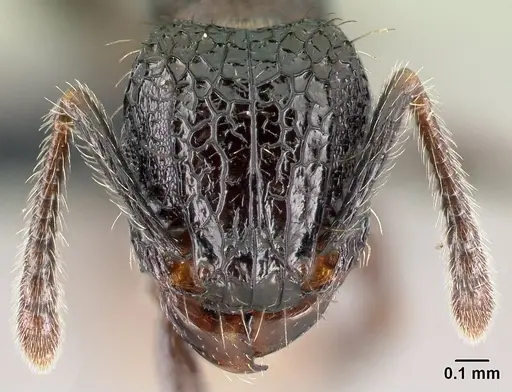
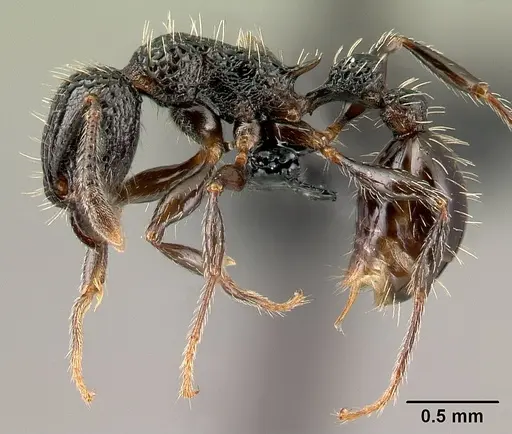
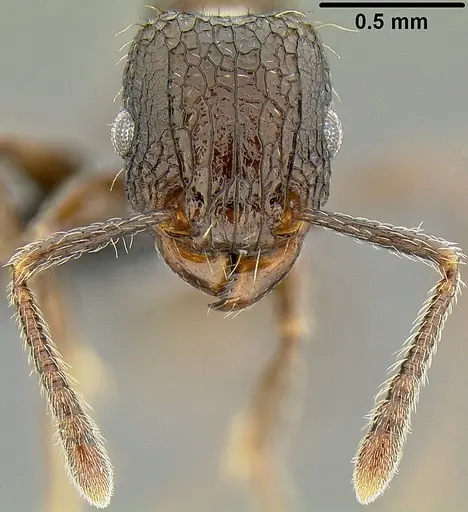
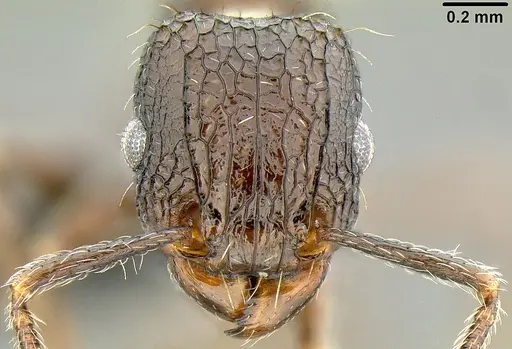
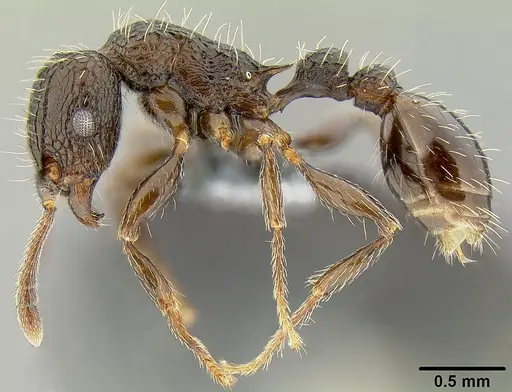
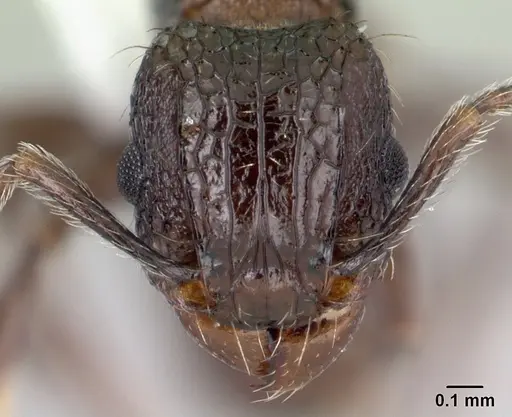
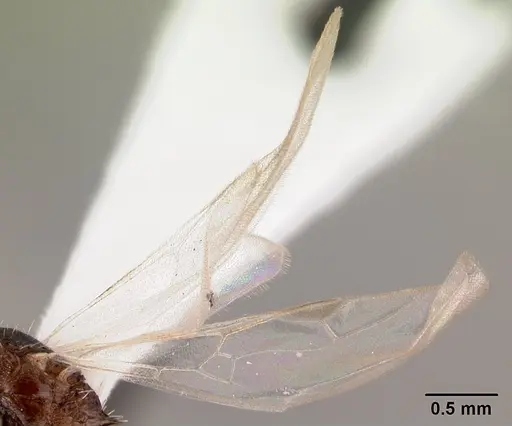
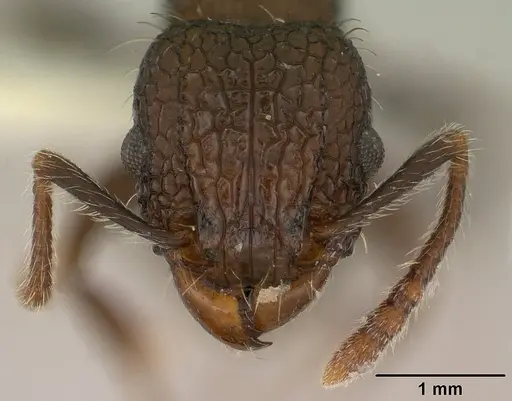
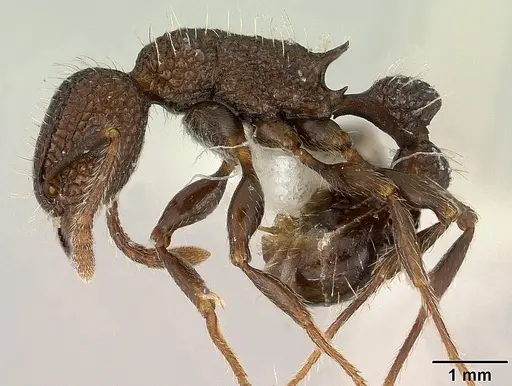
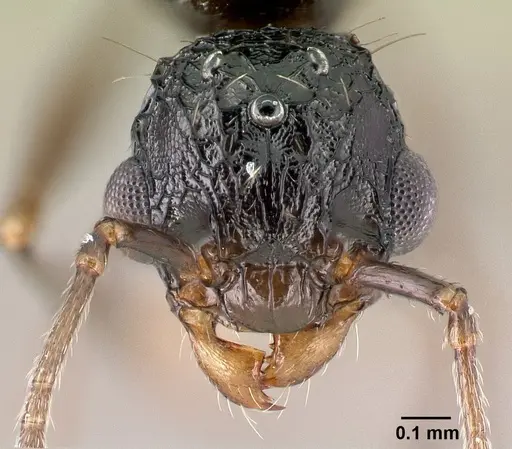
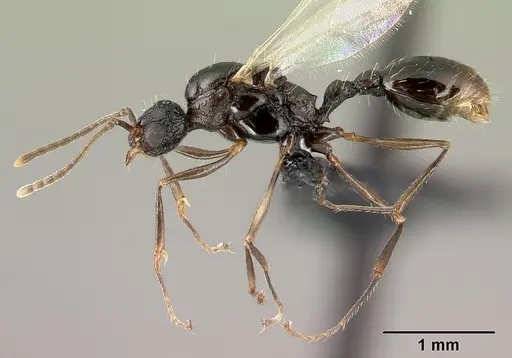
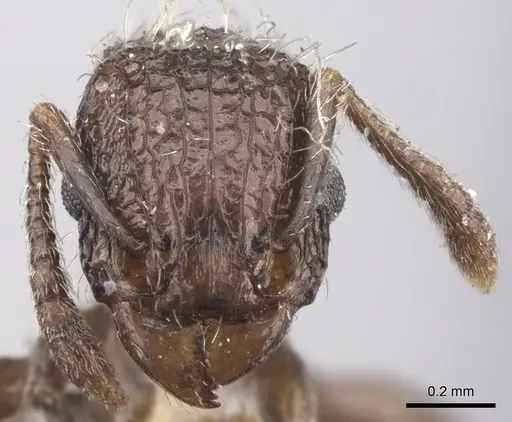
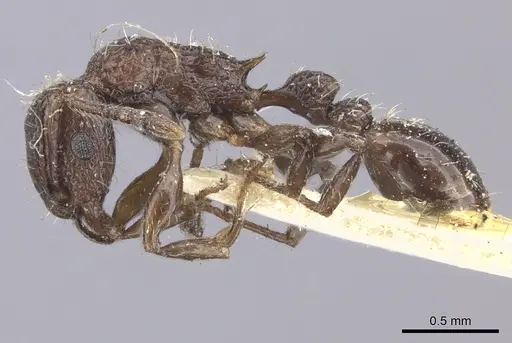
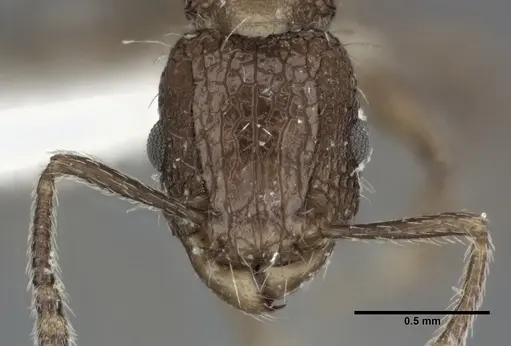
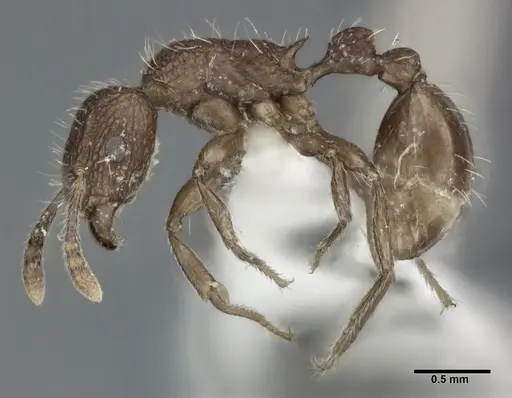
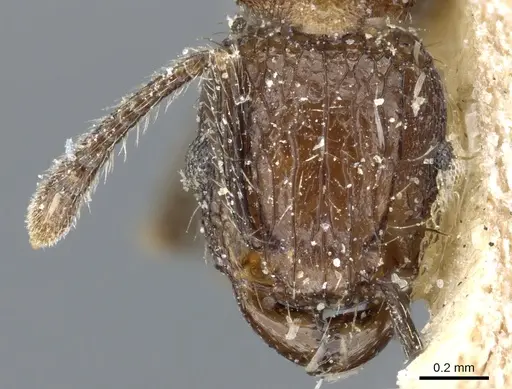
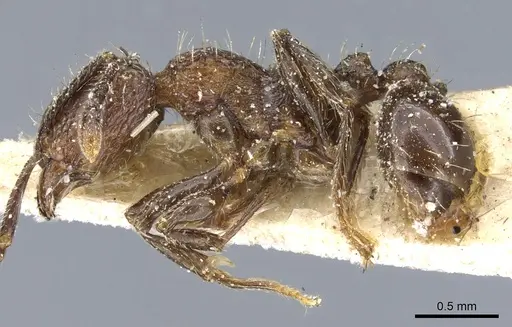
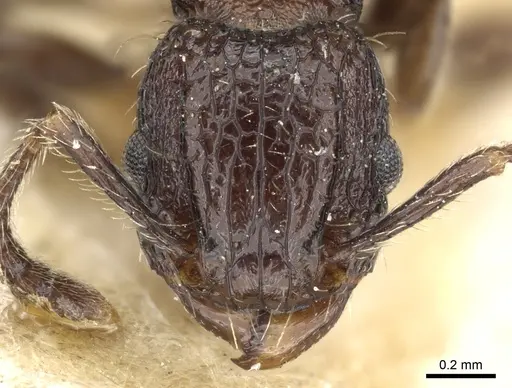
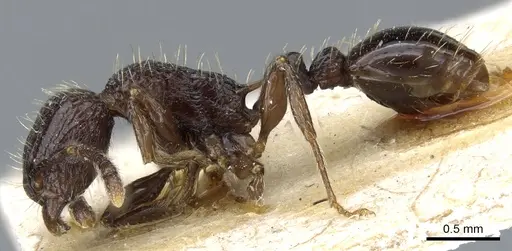
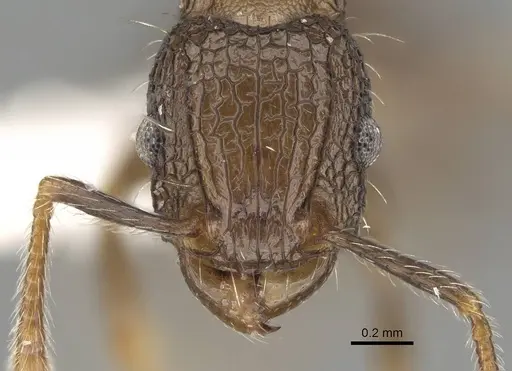
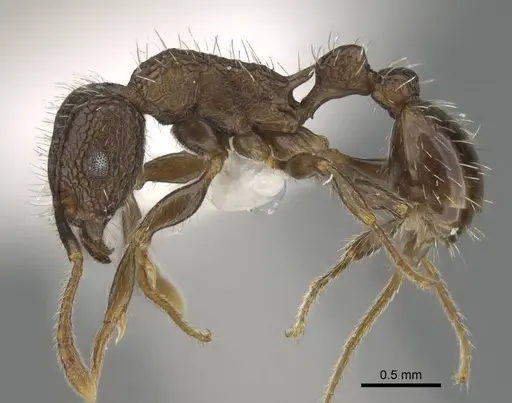
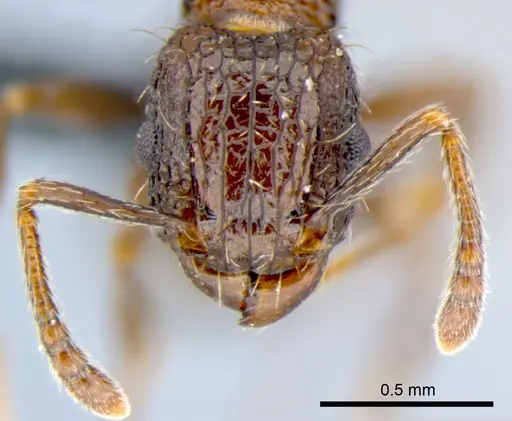
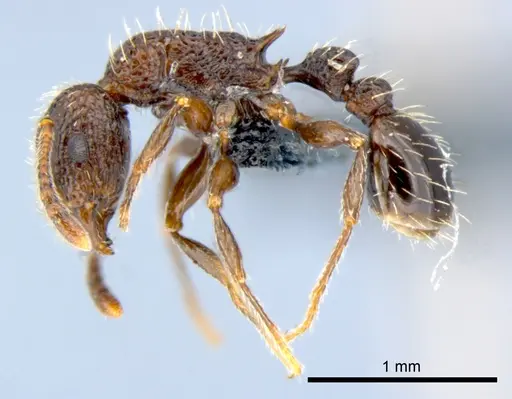
Tetramorium pacificum is a small, dark brown to blackish-brown ant belonging to the Tetramorium bicarinatum species group [1][2]. Workers measure approximately 3-4mm in total length, with queens slightly larger at 3.5-3.8mm [3][4]. This species has a vast native distribution across the Oriental and Indo-Australian regions, including most Pacific island systems from Tonga to Fiji, Samoa, and French Polynesia [5][6]. It has also been introduced to parts of North America, Central America, and the Caribbean, where it can become invasive [5][6]. The ant is characterized by its uniformly dark coloration, smooth shiny mandibles, and the presence of basigastral costulae (fine ridges) on the first gastral tergite [2].
Quick Summary
- Difficulty: Easy
- Origin & Habitat: Native to the Indo-Pacific region including Tonga (type locality), Fiji, Samoa, French Polynesia, Australia, New Caledonia, Indonesia, Malaysia, Philippines, Thailand, Singapore, Sri Lanka, India, and southern China [5][6]. Found in diverse habitats from atoll forests to high-elevation forests, with a preference for wooded and shrubby vegetation areas [7][8]. In its native range, it often inhabits disturbed areas such as coconut groves, plantations, and garden areas [1].
- Colony Type: Likely monogyne (single queen colony), which is typical for the genus. Colony size reaches up to several hundred workers in established colonies.
- Colony: Monogyne
- Founding: Claustral
- Size & Growth:
- Queen: 3.5-3.8mm [3]
- Worker: 2.9-3.6mm [3] to 3.7-4.6mm [4]
- Colony: Several hundred workers in mature colonies (estimated based on related species)
- Growth: Moderate
- Development: 6-8 weeks (estimated based on typical Tetramorium development patterns) (Development time is temperature-dependent, warmer conditions accelerate development)
- Antkeeping:
- Temperature: Keep at 22-26°C. This species originates from tropical and subtropical regions, so warmth is important for colony health and brood development [9].
- Humidity: Moderate humidity around 50-70%. They tolerate a range of conditions but prefer slightly moist substrates [9].
- Diapause: No true diapause required. As a tropical species, they remain active year-round if kept warm. However, slight temperature reduction in winter months may slow activity naturally.
- Nesting: Flexible nesting preferences. In nature, they nest in rotting wood, tree hollows, and moss mats [8]. In captivity, they do well in test tubes, Y-tong nests, or plaster nests with moderate humidity.
- Behavior: Generally peaceful and non-aggressive. Workers are active foragers that search for protein and sugar sources. They are known to tend aphids and collect honeydew from sap-sucking insects [10]. They show arboreal tendencies, often foraging in trees and shrubs, but also forage on the ground. Escape prevention should be moderate, their small size means they can squeeze through small gaps, so standard barrier methods are recommended [9].
- Common Issues: colonies may fail if kept too cold, maintain warm temperatures year-round, small size means escapes are possible without proper barrier setup, introduced populations may carry parasites that affect wild-caught colonies, colonies can become stressed from frequent disturbance during founding
Housing and Nest Setup
Tetramorium pacificum adapts well to various captive setups. Test tubes work excellently for founding colonies, the queen seals herself in a chamber and raises her first brood there. As the colony grows, you can transfer to a Y-tong (acrylic) nest or a plaster nest with moisture chambers. These ants prefer moderate humidity, so a nest material that holds some moisture without becoming waterlogged works best. Because they show some arboreal tendencies in the wild, adding some vertical space or climbing structures can encourage natural foraging behavior. A small outworld for foraging allows workers to hunt for protein and collect sugar sources. [8][3][9]
Feeding and Diet
These ants are opportunistic feeders with a varied diet. Workers readily accept sugar sources, honey water or sugar water should be available at all times. For protein, offer small insects like fruit flies, small crickets, or mealworms. In the wild, they commonly tend aphids and other sap-sucking insects for honeydew [10], so they may also accept commercial ant sugars. They have been documented collecting food bodies from plants [11], showing they'll explore novel food sources. Feed protein prey 2-3 times per week, and keep sugar water constantly available. Remove uneaten prey after 24 hours to prevent mold.
Temperature and Seasonal Care
As a tropical species from the Indo-Pacific region, Tetramorium pacificum needs warm conditions. Keep the nest area at 22-26°C for optimal brood development [9]. Temperatures below 20°C may slow colony growth and activity. A heating cable or mat on one side of the nest creates a temperature gradient that allows ants to regulate their own exposure to warmth. Unlike temperate species, they do not require a true winter diapause. However, slight seasonal temperature variations in their native range mean they can tolerate minor cooling in winter months without harm. Avoid sudden temperature swings and keep them away from air conditioning vents.
Colony Development
Claustral founding means the queen seals herself in a chamber and raises her first workers entirely on energy from her stored fat reserves, you won't need to feed her during this phase. First workers (nanitics) are typically smaller than mature workers and appear within 6-8 weeks under optimal warm conditions. After the first workers emerge, the colony enters a growth phase. Expect moderate growth rates, a healthy colony may reach 50-100 workers within the first year. Colony growth accelerates as more workers are produced. Maximum colony size likely reaches several hundred workers based on related species patterns. [3][4][9]
Behavior and Temperament
Tetramorium pacificum workers are active and efficient foragers. They are not particularly aggressive toward humans or other colonies, making them easy to handle. Workers show both ground-foraging and arboreal foraging behavior, they will readily climb to access food sources. They are known to form trails to food sources and can establish consistent foraging patterns. The species is considered a 'tramp ant', adaptable and capable of establishing colonies in disturbed habitats. This translates to captive care as a resilient species that tolerates some variation in housing conditions. [8][9]
Frequently Asked Questions
How long does it take for Tetramorium pacificum to have first workers?
Expect first workers (nanitics) to emerge in 6-8 weeks under optimal warm conditions (22-26°C). The exact timing depends on temperature, warmer conditions speed up development while cooler temperatures slow it down.
Can I keep Tetramorium pacificum in a test tube?
Yes, test tubes work perfectly for founding colonies. The claustral queen will seal herself in a chamber and raise her first brood without any intervention. Once the colony reaches 20-30 workers, consider moving to a larger nest like a Y-tong or plaster formicarium.
What do Tetramorium pacificum ants eat?
They accept a varied diet. Offer sugar water or honey water constantly for energy. For protein, provide small insects like fruit flies, small crickets, or mealworms 2-3 times per week. They will also tend aphids for honeydew if given the opportunity.
Do Tetramorium pacificum ants sting?
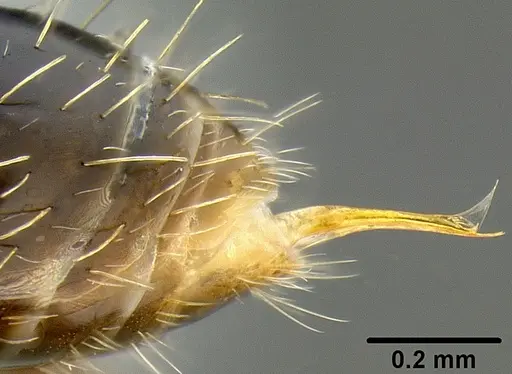
As Myrmicinae ants, they have a functional stinger. However, their sting is mild and not particularly painful to humans. They are not aggressive and typically only sting when directly threatened or handled roughly.
Are Tetramorium pacificum good for beginners?
Yes, this species is considered easy to keep. They are resilient, tolerate a range of conditions, and have straightforward feeding requirements. Their small size and moderate escape prevention needs make them manageable for new antkeepers.
Do Tetramorium pacificum need hibernation?
No, they do not require hibernation. As a tropical species from the Indo-Pacific region, they remain active year-round when kept warm. You can maintain stable temperatures throughout the year without a winter cooling period.
How big do Tetramorium pacificum colonies get?
Mature colonies likely reach several hundred workers. Growth is moderate, expect 50-100 workers within the first year under good conditions, with growth accelerating as the colony establishes.
When should I move my colony to a formicarium?
Move from test tube to a larger nest when the colony reaches 20-30 workers or when the test tube shows signs of drying out. A Y-tong or plaster nest with moisture chambers works well for this species.
Why are my Tetramorium pacificum dying?
Common causes include temperatures below 20°C, too dry or too wet nesting conditions, mold from overfeeding, or stress from frequent disturbance. Check that temperatures are warm and stable, humidity is moderate, and remove uneaten prey promptly.
References

This caresheet is licensed under CC BY-SA 4.0 .
CASENT0005829
View on AntWeb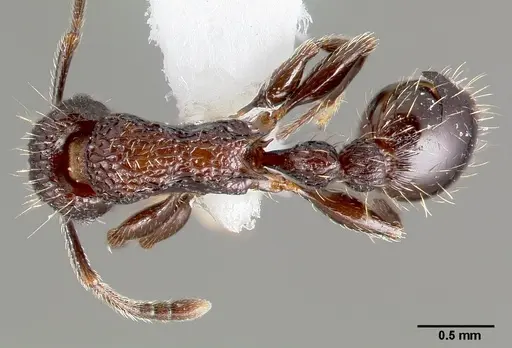
CASENT0055878
View on AntWeb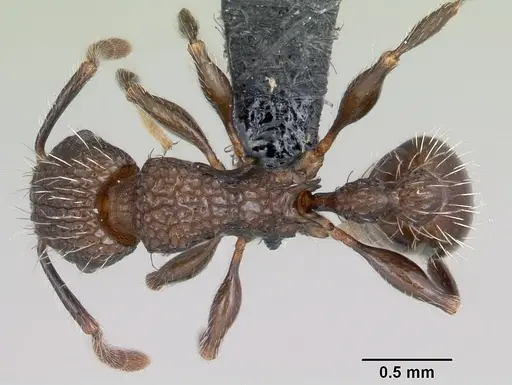
CASENT0104991
View on AntWeb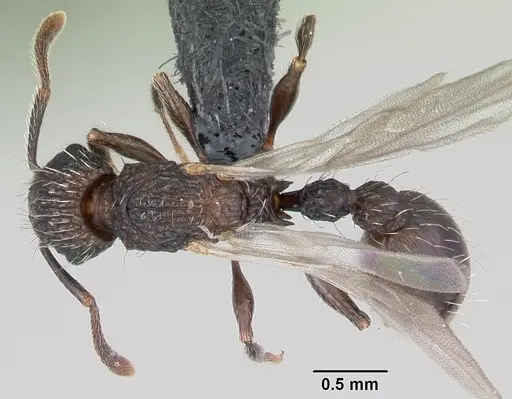
CASENT0158910
View on AntWeb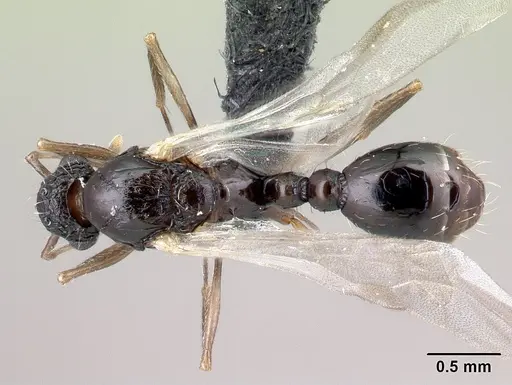
CASENT0158920
View on AntWeb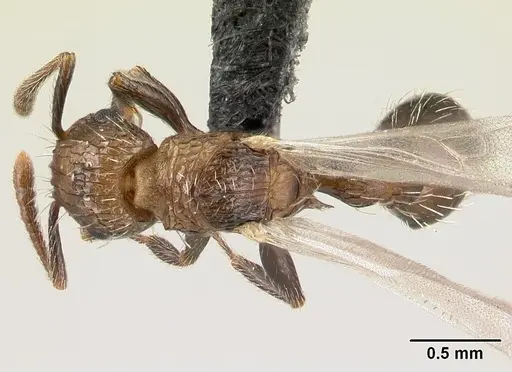
CASENT0158921
View on AntWeb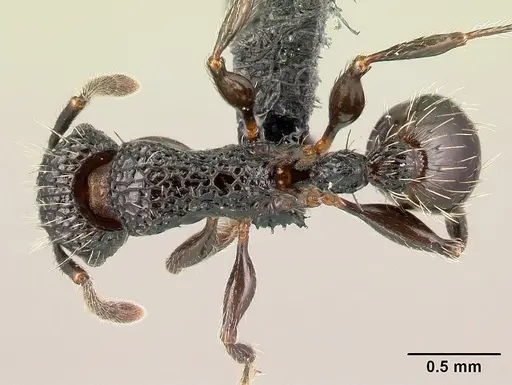
CASENT0171075
View on AntWeb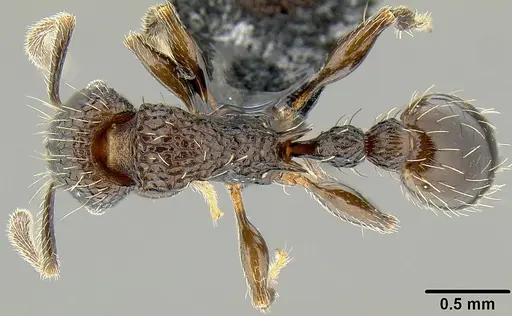
CASENT0178428
View on AntWeb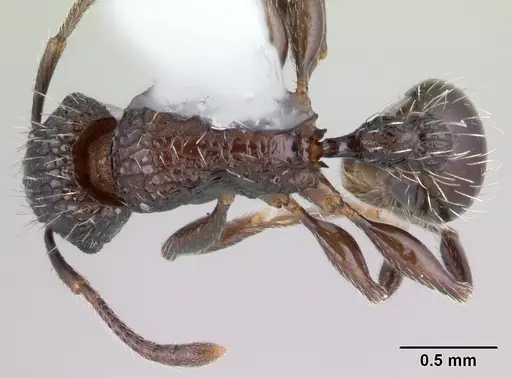
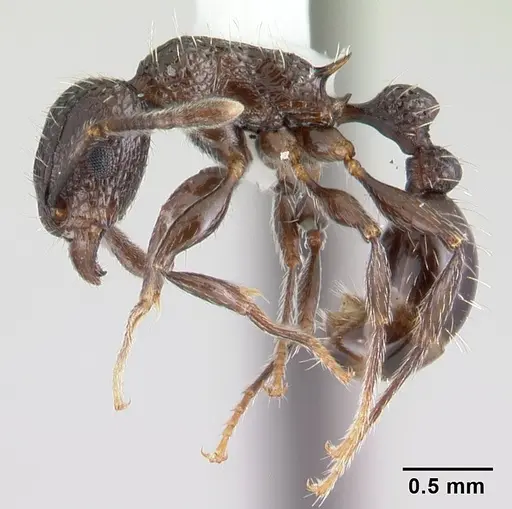
CASENT0178429
View on AntWeb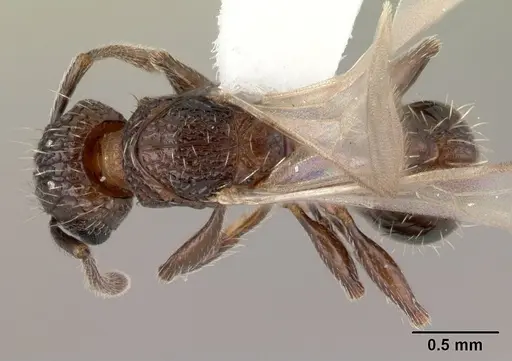
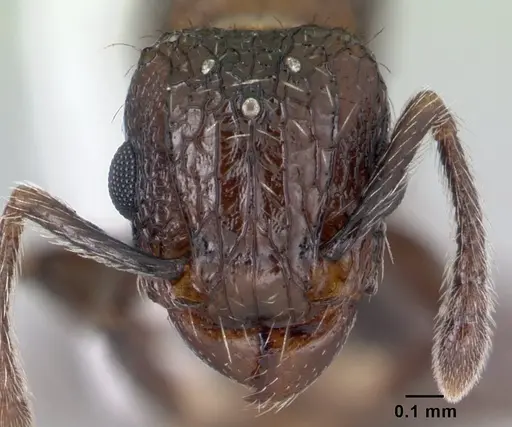
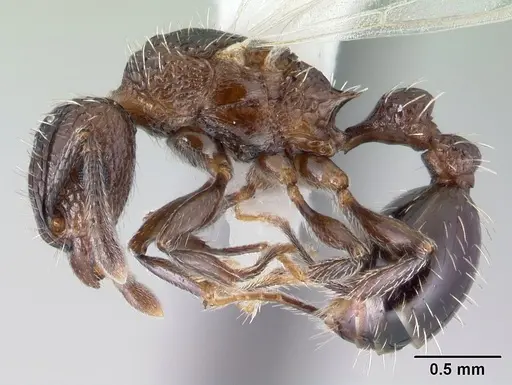
CASENT0179060
View on AntWeb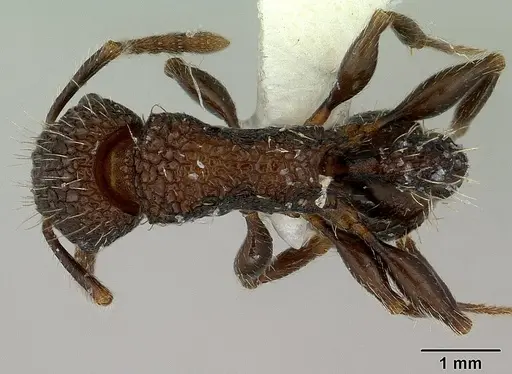
CASENT0217237
View on AntWeb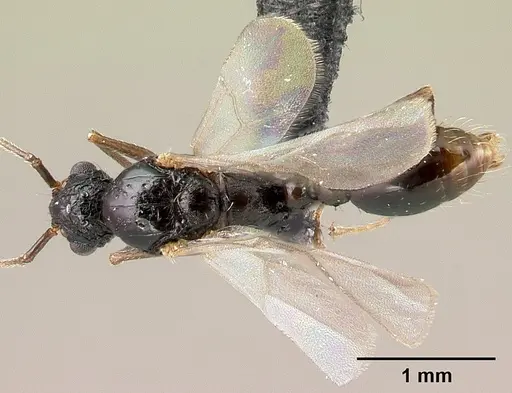
CASENT0235203
View on AntWeb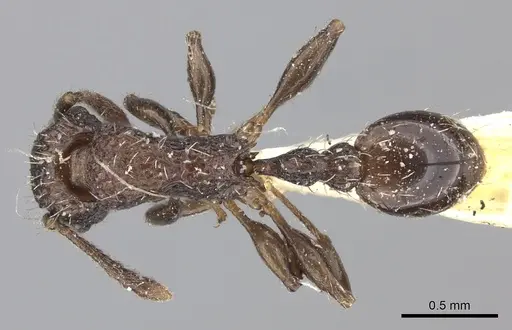
CASENT0246149
View on AntWeb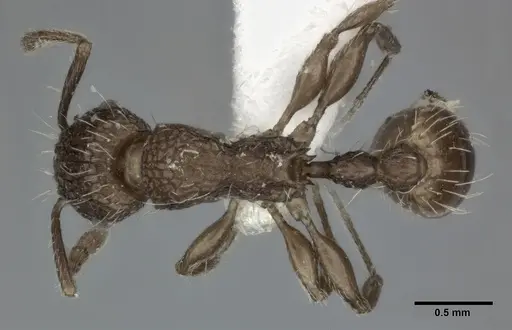
CASENT0904848
View on AntWeb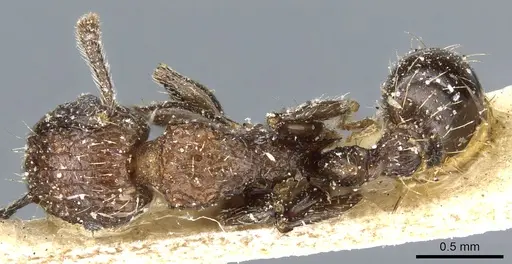
CASENT0904850
View on AntWeb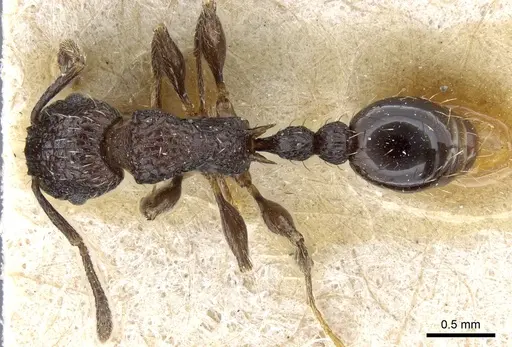
CASENT0919926
View on AntWeb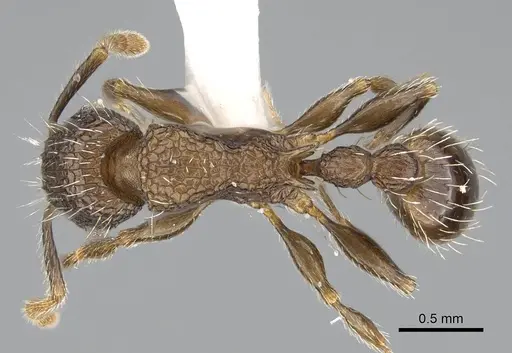
CSIRONC0052
View on AntWeb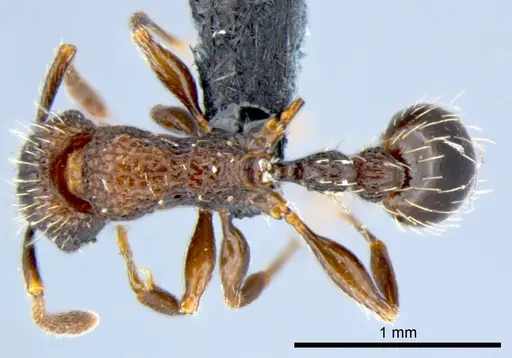
Literature
Loading...Loading products...