

Tetramorium snellingi
- Scientific Name
- Tetramorium snellingi
- Tribe
- Crematogastrini
- Subfamily
- Myrmicinae
- Author
- Hita Garcia <i>et al.</i>, 2010
- Distribution
- Found in 3 countries
Tetramorium snellingi Overview
Tetramorium snellingi is an ant species of the genus Tetramorium. It is primarily documented in 3 countries , including Central African Republic, Kenya, Uganda. Detailed taxonomic data and occurrence records can be further explored via authoritative databases such as AntWeb or the Global Biodiversity Information Facility (GBIF).
Tetramorium snellingi
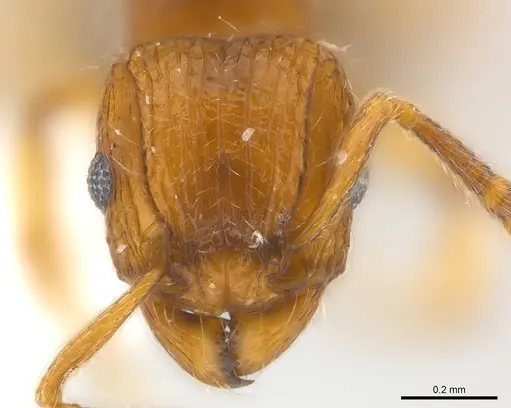
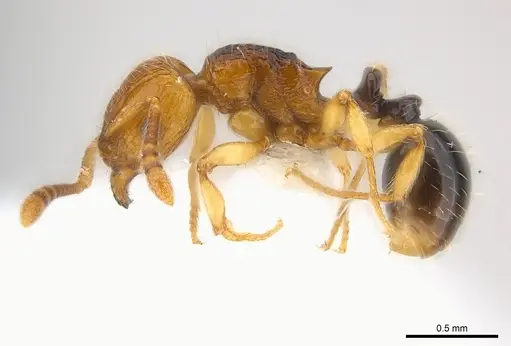
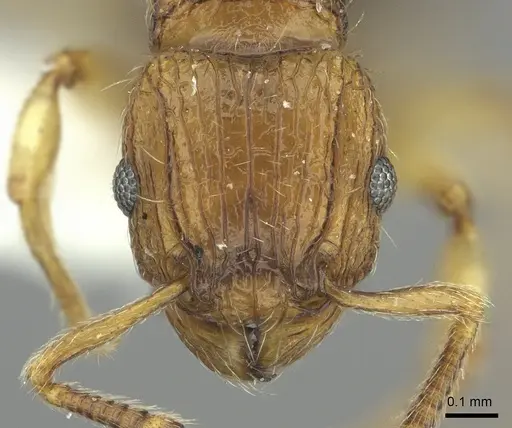
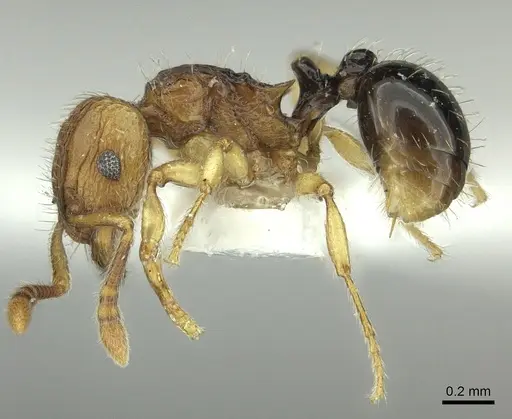
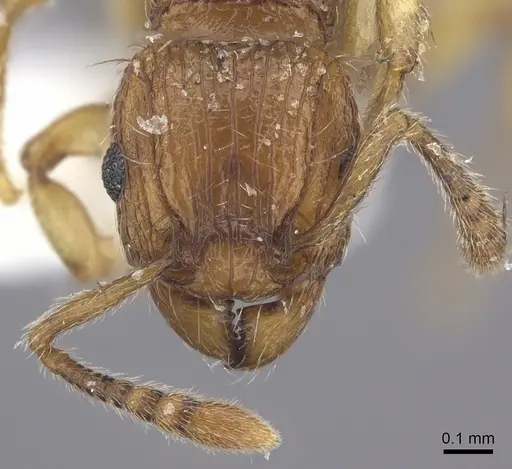
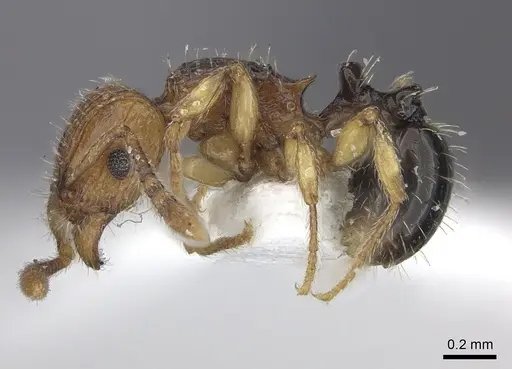
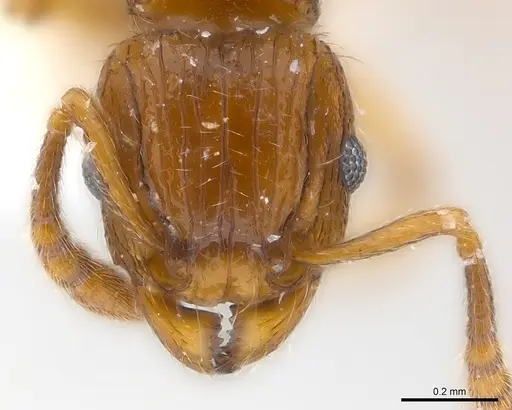
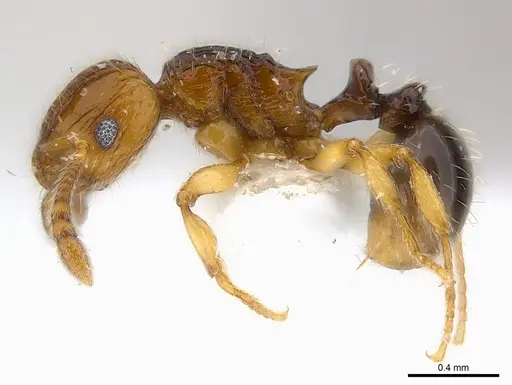
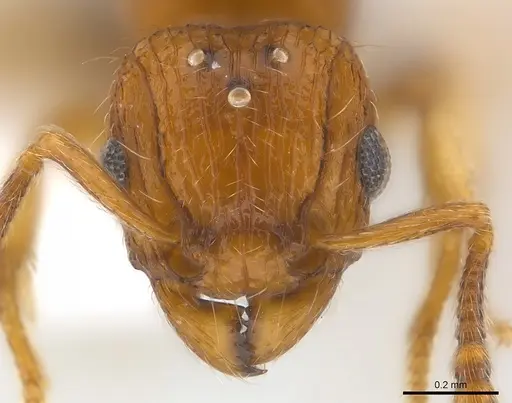
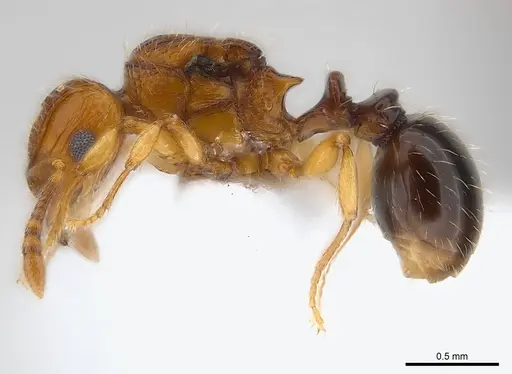
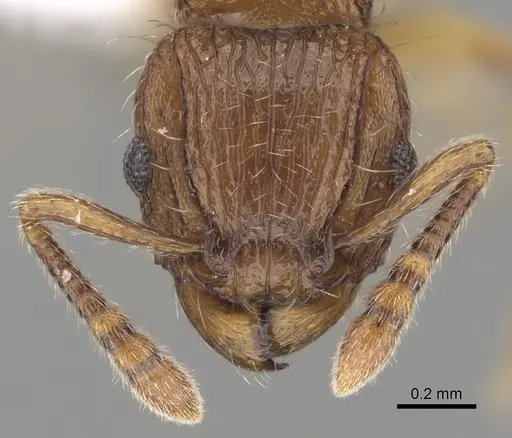
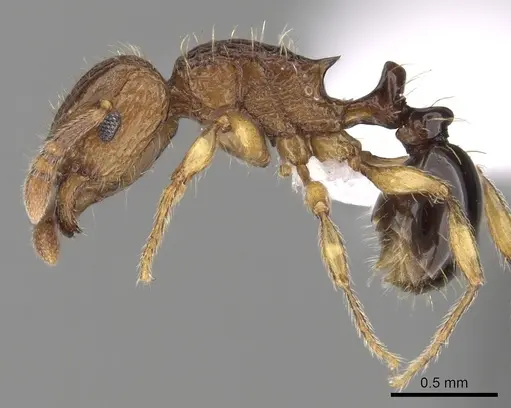
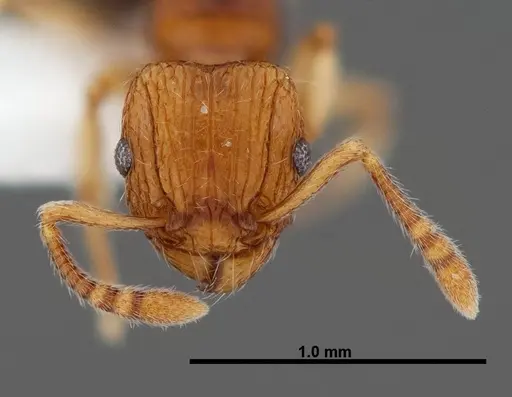
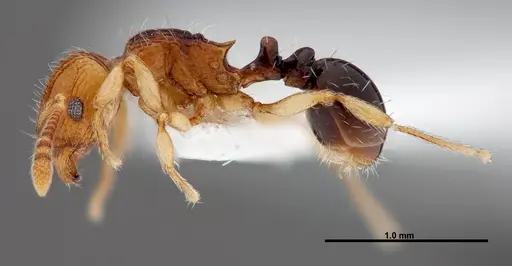
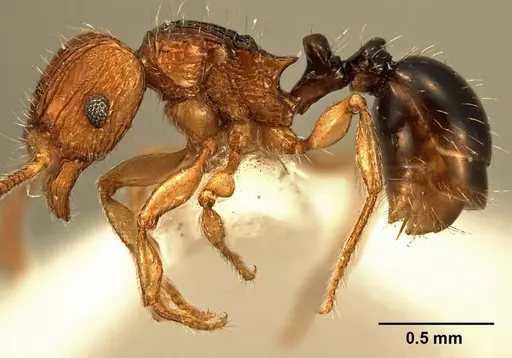
Tetramorium snellingi is a tiny leaf-litter ant species native to the rainforests of Western Kenya, Uganda, and the Central African Republic. Workers measure just 2.5-3mm and feature a striking bicolored appearance, their head and mesosoma are orange to reddish brown while their petiole, postpetiole, and gaster are dark brown to black, creating a distinctive contrast [1]. This species belongs to the Tetramorium weitzeckeri species group and can be identified by its medium-sized triangular propodeal spines and the presence of standing hairs on the first gastral tergite [1]. Queens are slightly larger at 3-3.5mm and share the same color pattern as workers [2].
This ant is a strict forest species endemic to the Kakamega Forest in Western Kenya, where it lives exclusively in the leaf-litter layer and never ventures into the canopy, lower vegetation, or underground [2]. Preliminary research suggests these ants are predatory, making them interesting for keepers interested in a small, active hunting species [2]. They appear sensitive to habitat disturbance, which makes them potentially useful as a bioindicator for forest health [2].
Quick Summary
- Difficulty: Medium
- Origin & Habitat: Kakamega Forest in Western Kenya, with range extending through Ruwenzori Mountains in Western Uganda to Central African Republic. Found in near-primary and secondary rainforest habitats at elevations around 1600-1650m [2][1].
- Colony Type: Colony structure is unconfirmed. No data available on whether they are single-queen (monogyne) or multi-queen (polygyne) colonies.
- Size & Growth:
- Queen: 3.0-3.5mm [2], from two measured queens
- Worker: 2.5-3mm [1], workers measure HL 0.622-0.667mm, HW 0.578-0.619mm
- Colony: Unknown, no colony size data available
- Growth: Unknown, no development data available
- Development: Unknown, no direct development data available. Based on typical Tetramorium patterns, estimate 6-10 weeks at optimal temperature. (Development timeline has not been directly studied. Related Tetramorium species typically develop from egg to worker in 6-10 weeks under warm conditions.)
- Antkeeping:
- Temperature: Keep at 22-26°C. This species comes from a tropical rainforest environment, so warmth and stability are important. A heating cable on one side of the nest can create a gentle gradient.
- Humidity: High humidity is essential, these ants live in rainforest leaf-litter. Keep the nest substrate consistently moist but not waterlogged. The substrate should feel damp to the touch, with some slightly drier areas available for the ants to choose.
- Diapause: Unlikely, being a tropical species from near the equator, they probably do not require a hibernation period. However, slight seasonal slowdowns may occur.
- Nesting: In nature, they nest in the leaf-litter layer of rainforest floors. For captivity, a naturalistic setup with moist soil/leaf-litter works well. Y-tong (AAC) nests or plaster nests can also work if kept adequately humid. They prefer tight chambers scaled to their tiny size.
- Behavior: These ants are small but active foragers in the leaf-litter layer. Preliminary stable isotope analysis indicates they are predatory, meaning they hunt small invertebrates rather than relying on honeydew or seeds [2]. They are likely aggressive toward small prey items. Their tiny size (under 3mm) means escape prevention must be excellent, use fine mesh and tight-fitting barriers. They are not known to be particularly aggressive toward humans and are unlikely to sting significantly.
- Common Issues: escape prevention is critical, they are very small and can squeeze through tiny gaps, high humidity requirements can lead to mold if ventilation is poor, predatory diet means they need a constant supply of small live prey, sensitive to habitat disturbance, wild-caught colonies may be stressed, slow colony growth may frustrate beginners expecting rapid development
Housing and Nest Setup
Tetramorium snellingi is a tiny leaf-litter ant that requires careful housing setup. In the wild, they live exclusively in the forest floor's leaf-litter layer, so a naturalistic setup with moist soil and decaying leaves works best [2]. You can use a test tube setup for founding colonies, but be prepared to move them to a more naturalistic formicarium as the colony grows. Y-tong (AAC) nests or plaster nests also work well if you maintain high humidity. The key is providing tight chambers and narrow passages scaled to their tiny 2.5-3mm worker size, they will feel stressed in overly large, open spaces. Always use excellent escape prevention because their small size allows them to squeeze through gaps that would hold back larger ants.
Feeding and Diet
Preliminary research using stable isotope analysis indicates Tetramorium snellingi is a predatory ant species [2]. This means their primary food source is small live invertebrates rather than plant-based sugars. In captivity, you should offer small live prey such as fruit flies, springtails, and other tiny arthropods. They will likely accept small mealworms, cricket pieces, and similar protein sources, but live prey should form the core of their diet. You can occasionally offer a drop of sugar water or honey, but do not rely on these as primary food sources, their natural diet is predatory. Feed them every few days, removing any uneaten prey after 24 hours to prevent mold issues.
Temperature and Humidity
As a species from the equatorial rainforest of Kakamega Forest, Tetramorium snellingi requires warm and humid conditions. Keep the nest area at 22-26°C, which mimics their natural tropical environment at around 1600m elevation [2]. A heating cable on one side of the nest can create a gentle temperature gradient, but avoid hot spots that could dry them out. Humidity is critical, these ants live in the damp leaf-litter layer of rainforests, so the nest substrate should remain consistently moist but never waterlogged. Mist occasionally and monitor condensation levels. Adequate ventilation is important to prevent mold while maintaining humidity.
Colony Development and Growth
Specific development data for Tetramorium snellingi is not available. Queens measure 3.0-3.5mm while workers are 2.5-3mm [2][1]. Based on typical Tetramorium genus patterns, expect the first workers (nanitics) to emerge around 6-10 weeks after founding, but this is an estimate. Colony growth will likely be slow initially, which is normal for small leaf-litter species. The colony size in the wild is unknown, no published colony size data exists. Be patient with these ants, as they are not fast-growing species. Focus on providing consistent care rather than expecting rapid expansion.
Behavior and Temperament
Tetramorium snellingi is an active forager in the leaf-litter layer. Their small size and predatory nature mean they are constantly hunting small invertebrates in their environment. They are not known to be particularly aggressive toward humans, and being in the Myrmicinae subfamily, they do have a sting but it is likely minimal given their tiny size. The most notable behavioral trait is their strict association with forest habitats, they are never found in open areas like glades, roads, or agricultural land [2]. This makes them sensitive to environmental changes and may explain why they are being studied as a potential bioindicator for forest disturbance.
Frequently Asked Questions
How long does it take for Tetramorium snellingi to produce first workers?
The exact development timeline has not been studied for this species. Based on typical Tetramorium genus patterns, expect around 6-10 weeks from egg to first worker at optimal temperature (22-26°C). This is an estimate, actual timing may vary.
What do Tetramorium snellingi ants eat?
Preliminary research indicates they are predatory, meaning they hunt small invertebrates. In captivity, feed them small live prey like fruit flies, springtails, and tiny arthropods. They may accept small protein sources like mealworm pieces, but live food should be their primary diet.
Are Tetramorium snellingi good for beginners?
This species is rated as Medium difficulty. While not the hardest ant to keep, their small size, high humidity requirements, and predatory diet make them better suited for keepers with some experience. Their slow growth and specific habitat needs require patient, consistent care.
Do Tetramorium snellingi ants sting?
They have a sting apparatus, but given their tiny size (workers are only 2.5-3mm), any sting would be minimal. They are not considered dangerous to humans.
Can I keep Tetramorium snellingi in a test tube?
You can start them in a test tube setup for founding, but be prepared to move them to a more naturalistic formicarium as the colony grows. They need high humidity and tight chambers scaled to their tiny size. A naturalistic setup with moist soil and leaf-litter mimics their natural habitat best.
How big do Tetramorium snellingi colonies get?
The maximum colony size is unknown, no published data exists on colony sizes for this species. Being a small leaf-litter ant, colonies are likely modest in size compared to larger Tetramorium species.
Do Tetramorium snellingi need hibernation?
Unlikely. As a tropical species from near the equator in Kenya, they probably do not require a hibernation period. Slight seasonal slowdowns may occur, but you do not need to induce diapause.
What makes Tetramorium snellingi unique?
This species is endemic to Kakamega Forest in Western Kenya, making it rare in the antkeeping hobby. They have a striking bicolored appearance, orange-red head and mesosoma contrasting with dark brown to black gaster. They are also being studied as a potential bioindicator for forest disturbance due to their sensitivity to habitat changes.
Why are my Tetramorium snellingi dying?
Common causes include: low humidity (they need consistently moist conditions), escape (their tiny size allows them to slip through small gaps), insufficient prey (they need small live food regularly), and stress from wild collection. Ensure your setup maintains high humidity, has excellent escape prevention, and provides appropriate prey.
What temperature should I keep Tetramorium snellingi at?
Keep them at 22-26°C. This tropical rainforest species needs warmth and stable temperatures. A heating cable on one side of the nest can create a gentle gradient, but avoid overheating or drying out the nest.
References

This caresheet is licensed under CC BY-SA 4.0 .
CASENT0217052
View on AntWeb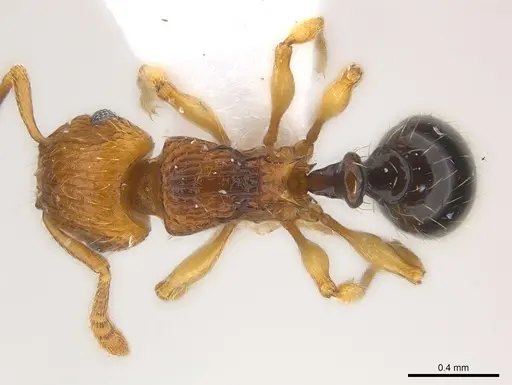
CASENT0217055
View on AntWeb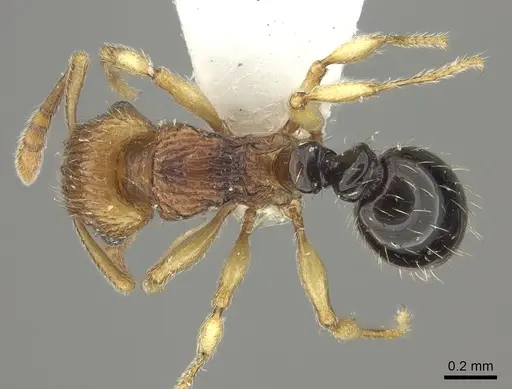
CASENT0217056
View on AntWeb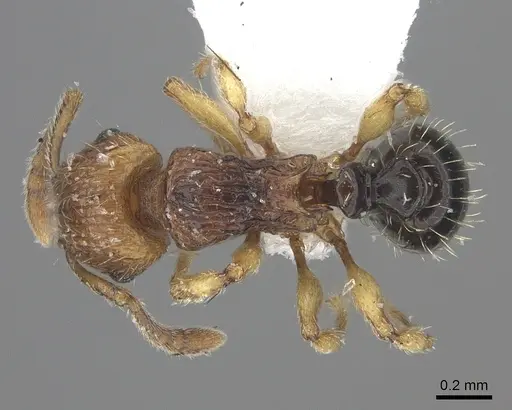
CASENT0217057
View on AntWeb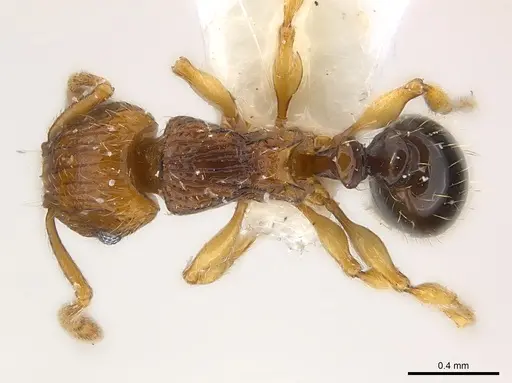
CASENT0217058
View on AntWeb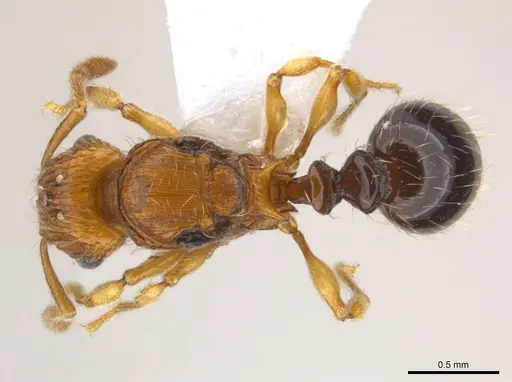
CASENT0363706
View on AntWeb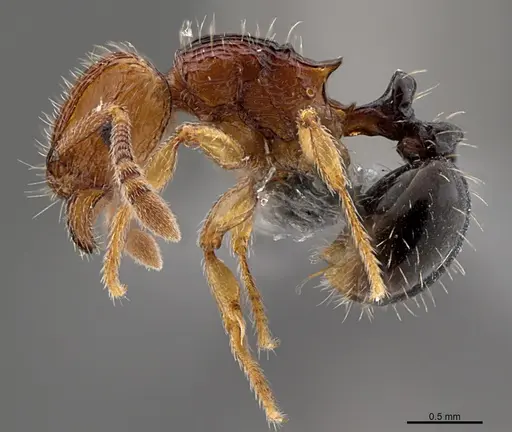
CASENT0411804
View on AntWeb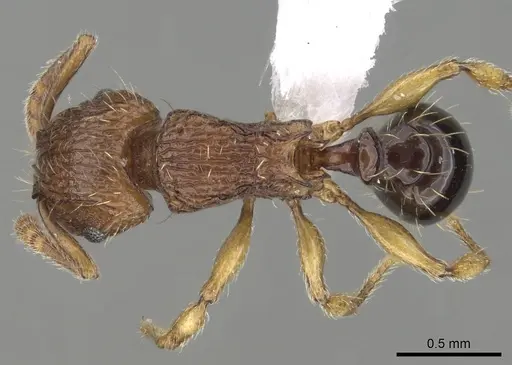
FMNHINS0000047316
View on AntWeb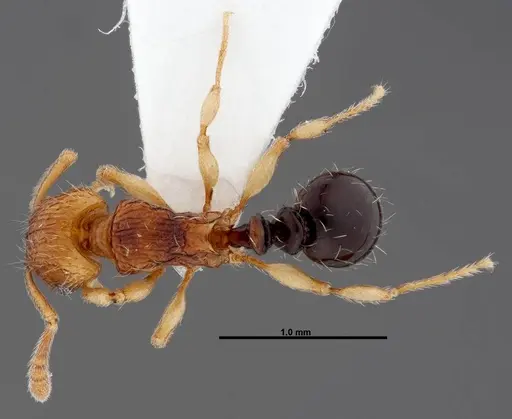
ZFMKHYM20093102
View on AntWeb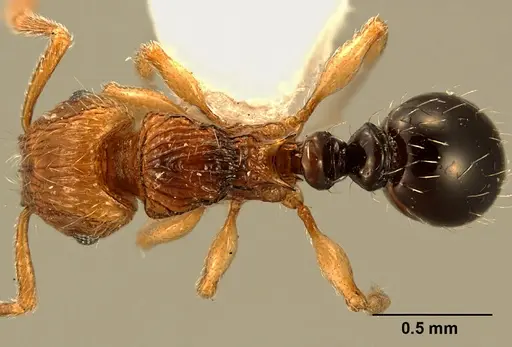
Literature
Loading...Loading products...