

Tetramorium weitzeckeri
- Scientific Name
- Tetramorium weitzeckeri
- Tribe
- Crematogastrini
- Subfamily
- Myrmicinae
- Author
- Emery, 1895
- Distribution
- Found in 9 countries
Tetramorium weitzeckeri Overview
Tetramorium weitzeckeri is an ant species of the genus Tetramorium. It is primarily documented in 9 countries , including Kenya, Malawi, Mozambique. Detailed taxonomic data and occurrence records can be further explored via authoritative databases such as AntWeb or the Global Biodiversity Information Facility (GBIF).
Tetramorium weitzeckeri
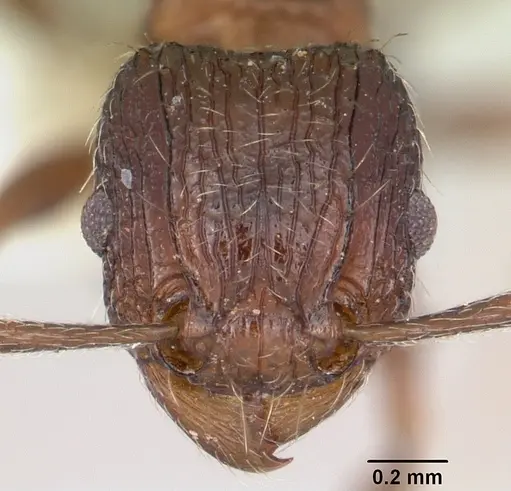
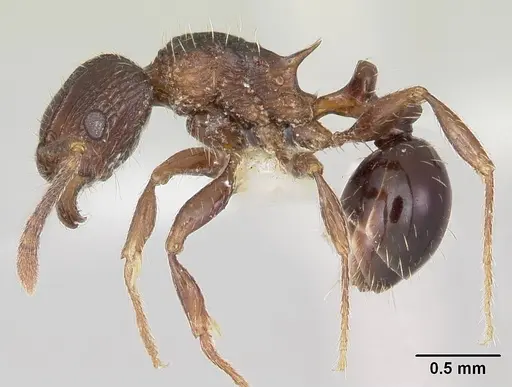
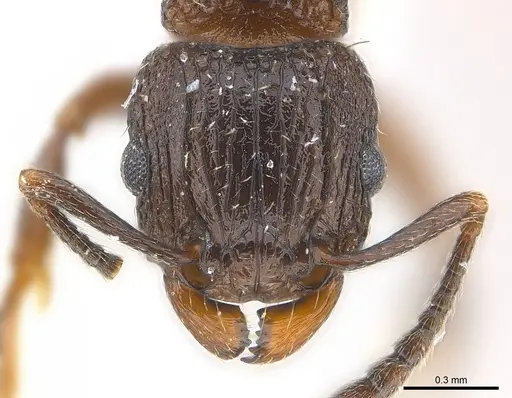
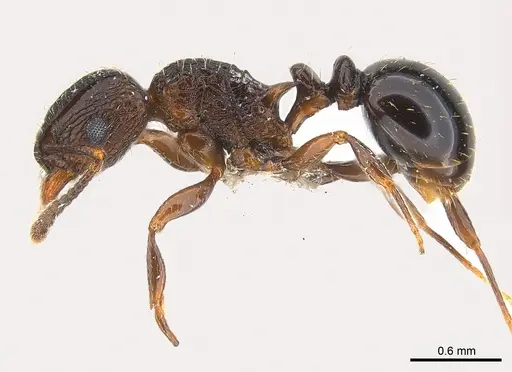
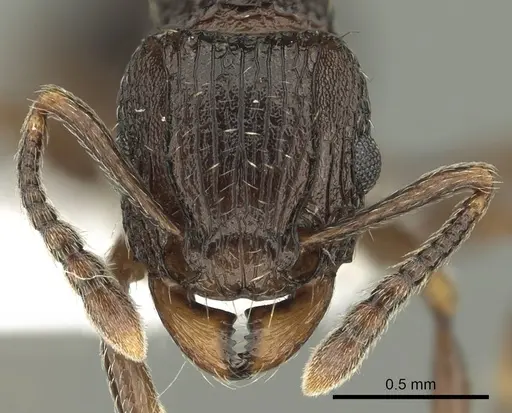
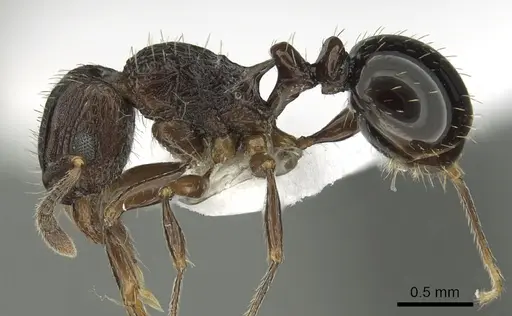
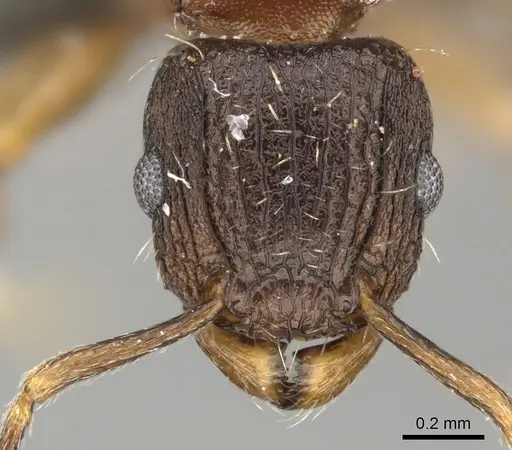
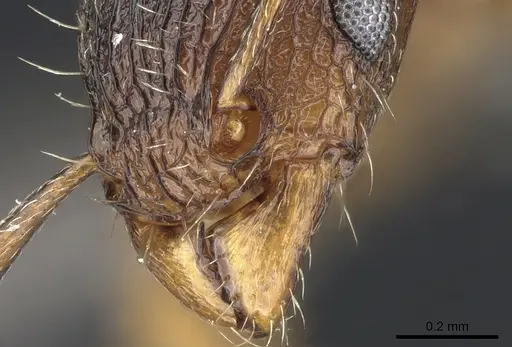
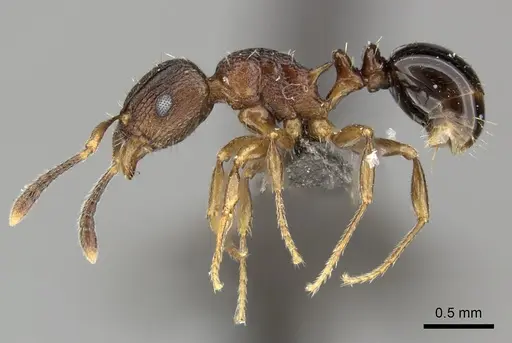
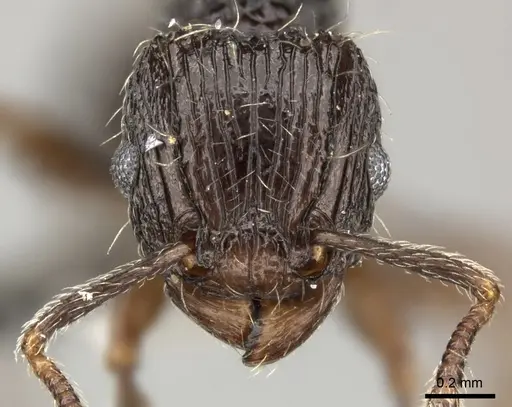
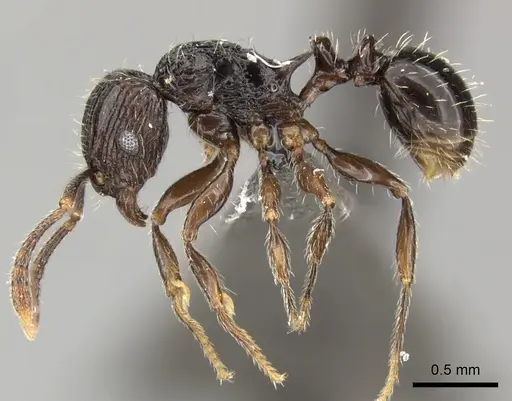
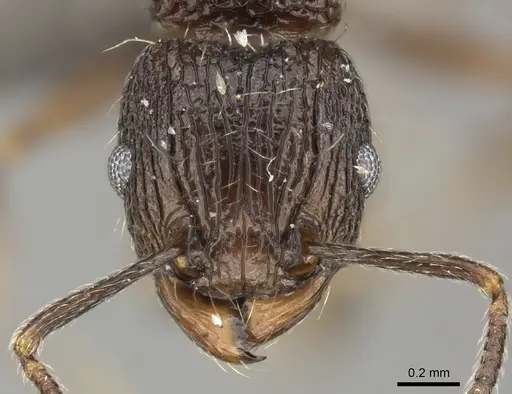
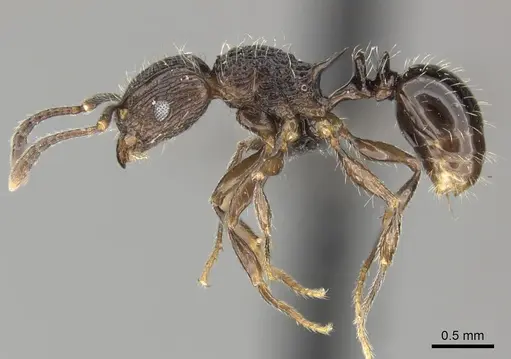
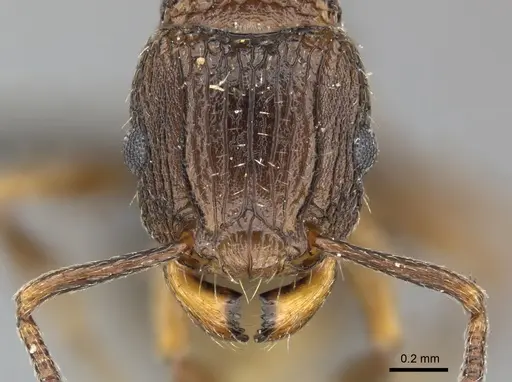
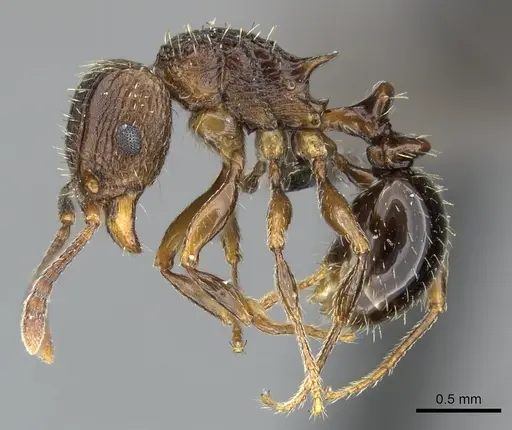
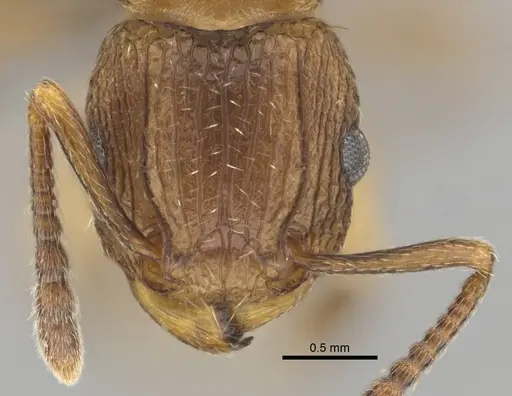
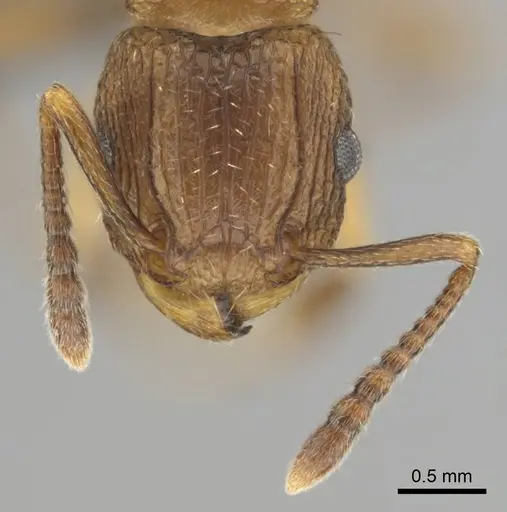
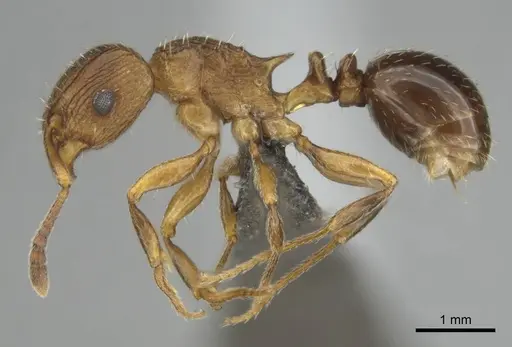
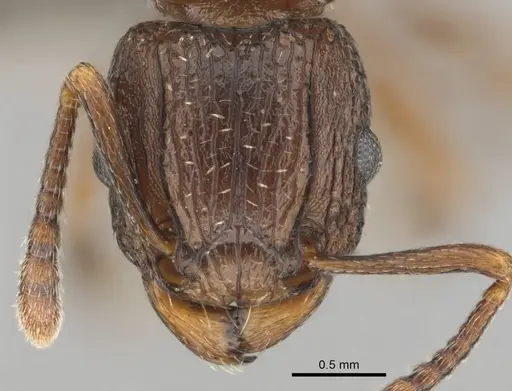
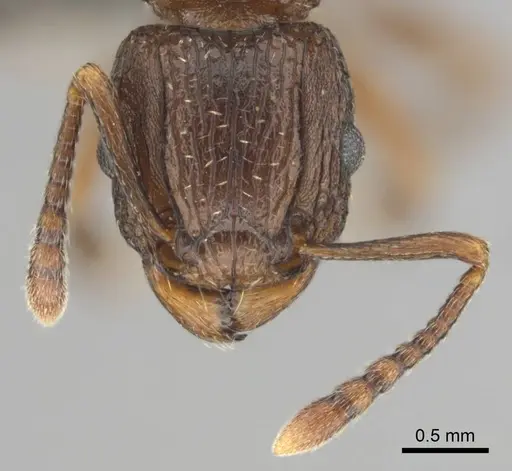
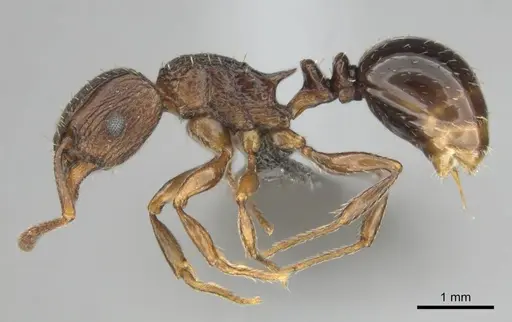
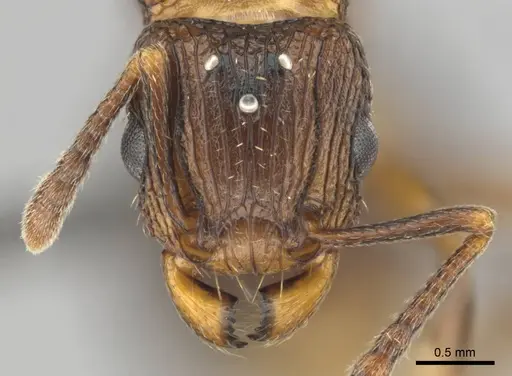
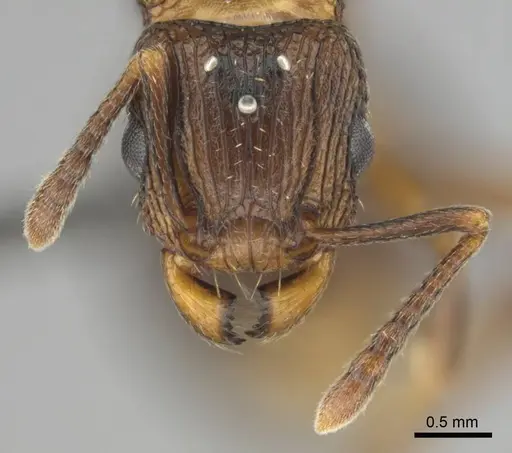
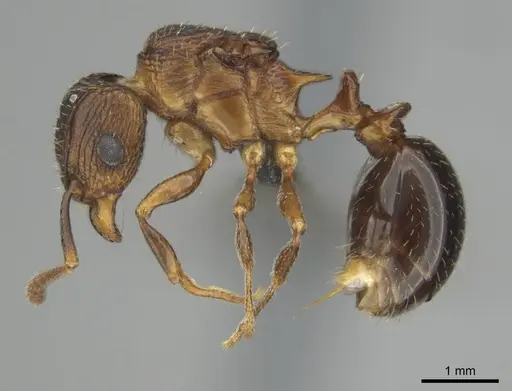
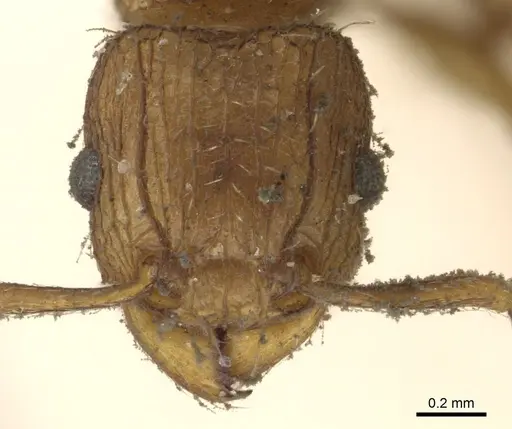
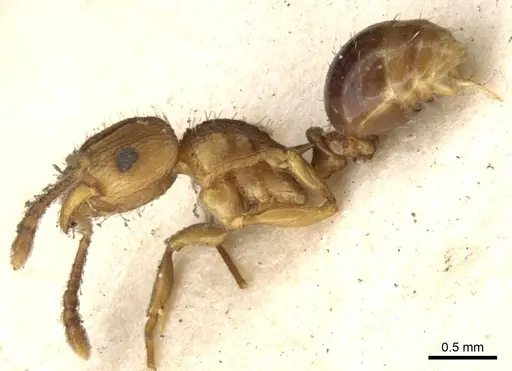
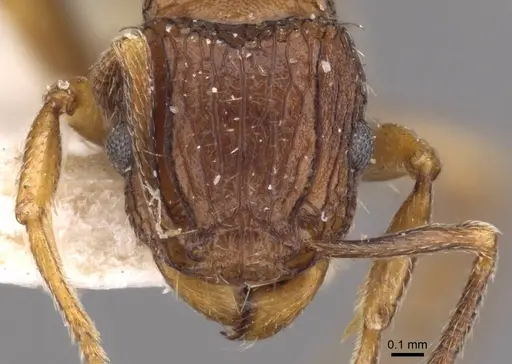
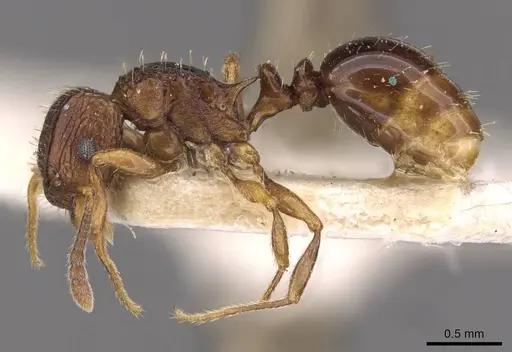
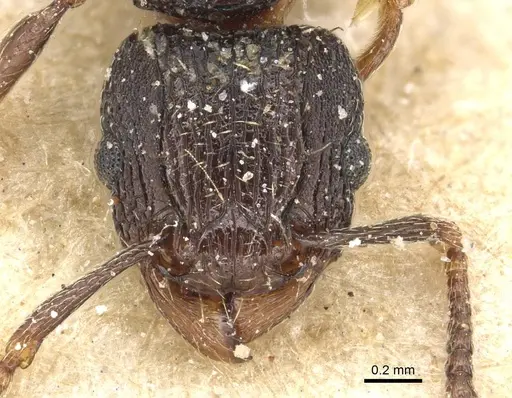
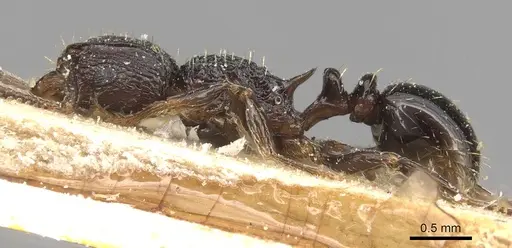
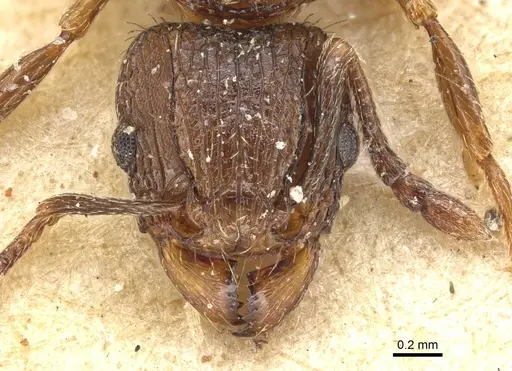
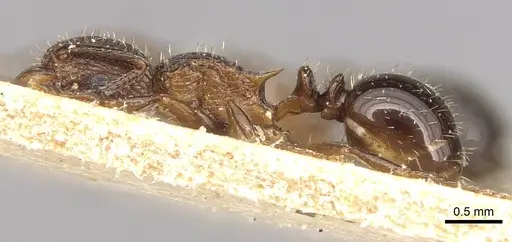
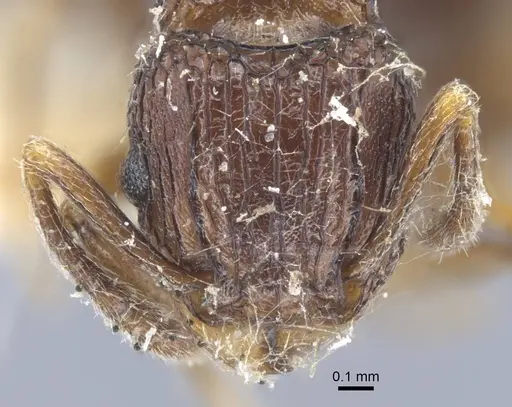
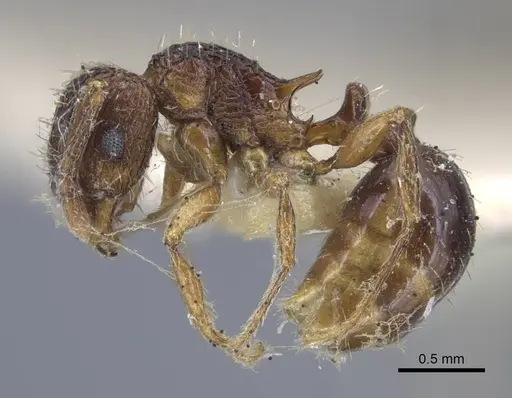
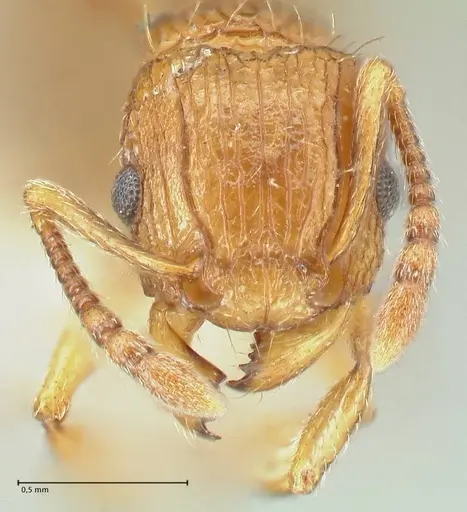
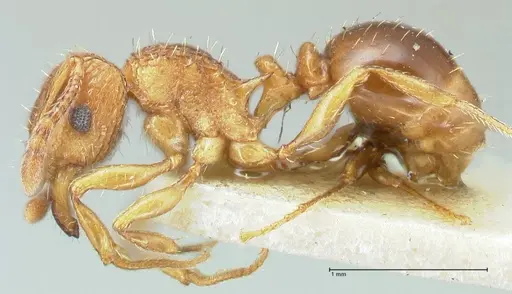
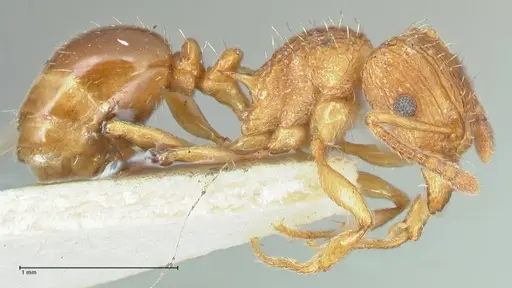
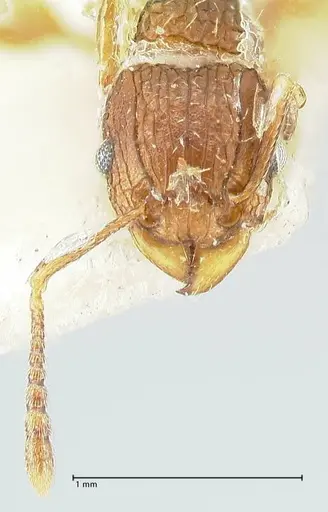
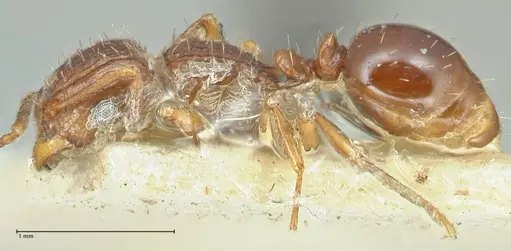
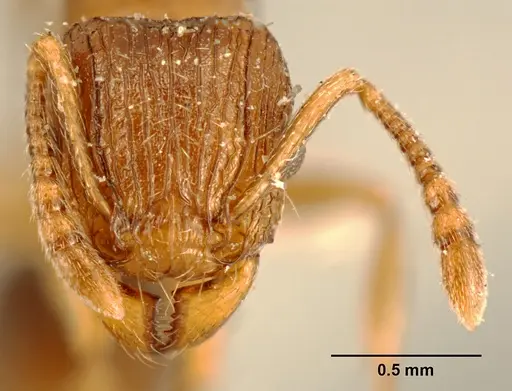
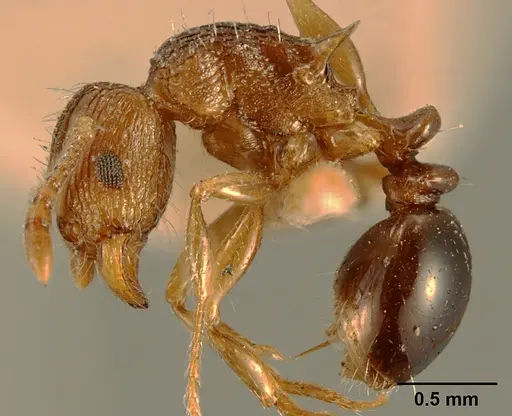
Tetramorium weitzeckeri is a small to medium-sized ant native to eastern and southern Africa, where it thrives in savannah and open grassland habitats [1][2]. Workers measure 3-4mm with a distinctive appearance: their head and body feature strong longitudinal ridges (rugae), and they sport very long, sharp spines on their rear (propodeal spines) [1]. Their coloring ranges from light brown to nearly black, with the gaster typically darker than the rest of the body [3][1]. This species is one of the most common Tetramorium ants in eastern and southern Africa, easily recognized by the long standing hairs on the first abdominal segment and their shiny, unsculptured waist segments and gaster [1]. They are ground-nesting ants typically found nesting under stones in sunny, open areas [4].
Quick Summary
- Difficulty: Easy
- Origin & Habitat: Eastern and Southern Africa, found in countries including South Africa, Kenya, Tanzania, Zimbabwe, Mozambique, Namibia, Ethiopia, Sudan, and recently recorded in Rwanda [2][5]. This is a savannah and open grassland species that avoids dense rainforests [6].
- Colony Type: Likely single-queen (monogyne) colonies based on typical Tetramorium patterns, though colony structure has not been directly documented for this species.
- Colony: Monogyne
- Founding: Claustral
- Size & Growth:
- Queen: Approximately 6-7mm (estimated based on genus patterns for Tetramorium queens)
- Worker: 3.0-4.1mm [3]
- Colony: Likely several hundred workers based on typical Tetramorium colony sizes
- Growth: Moderate, estimated based on genus patterns
- Development: Estimated 6-8 weeks at optimal temperature based on related Tetramorium species (Development time inferred from genus patterns, specific data for this species is unavailable)
- Antkeeping:
- Temperature: Keep at 22-26°C, they are a warm-climate species from African savannahs. A heating cable on one side of the nest can create a temperature gradient [2]
- Humidity: Moderate, prefer drier conditions than many ants. Keep substrate lightly moist but allow it to partially dry between waterings. These are dry habitat ants [2]
- Diapause: Not required, being an African species, they do not undergo true hibernation. However, a slight cool period (around 18-20°C) during winter months may benefit colonies if you live in a temperate climate
- Nesting: Test tube setups work well for founding colonies. For established colonies, a Y-tong (AAC) nest or plaster nest with dry to moderately humid conditions suits them. They naturally nest under stones in compacted soil [4]
- Behavior: Generally calm and non-aggressive toward keepers. Workers are active foragers that search for food on the ground. They are not known for stinging, Myrmicinae ants have functional stingers but Tetramorium species are not particularly aggressive. Their small size (3-4mm) means they can escape through small gaps, so use fine mesh barriers. They are daytime foragers, actively searching for seeds, small insects, and honeydew in their natural savannah habitat.
- Common Issues: escape prevention is critical, tiny workers can slip through small gaps, dry habitat requirements mean overwatering can cause mold problems, slow founding phase, claustral queens need patience during the first few months, wild-caught colonies may carry parasites that can devastate captive colonies, test tube flooding can drown founding queens, use proper water reservoir sizes
Housing and Nest Setup
For founding colonies, a standard test tube setup works well. Fill a clean test tube with water, plug it with cotton leaving about 1-2cm of free space, then place the queen in the open end. Cover with a dark cloth to reduce stress. The queen will seal herself into a chamber at the cotton end. For established colonies with 50+ workers, you can transition to a Y-tong (AAC) formicarium or a plaster nest. These ants prefer drier conditions than many common pet ants, so avoid overly humid setups. A small water reservoir connected to the nest provides humidity without creating wet substrate. Keep nesting area at room temperature (22-26°C) and avoid direct sunlight [2][4].
Feeding and Diet
Tetramorium weitzeckeri is a generalist feeder typical of savannah ants. Offer protein sources like small crickets, mealworms, or fruit flies twice weekly. They also readily accept sugar water, honey, or diluted maple syrup as an energy source. In the wild, they collect seeds and tend aphids for honeydew, so occasional seed offerings may be accepted. Remove uneaten food after 24-48 hours to prevent mold. A constant sugar water supply is recommended for established colonies. Feed small amounts initially and adjust based on how quickly workers clear the food [4].
Temperature and Seasonal Care
As an African savannah species, T. weitzeckeri prefers warm conditions year-round. Maintain temperatures between 22-26°C for optimal colony activity and brood development. They can tolerate brief periods slightly above or below this range but growth will slow outside these conditions. Unlike temperate species, they do not require true hibernation. If you live in a temperate climate, you can allow a slight temperature drop to 18-20°C during winter months, but this is not strictly necessary. Avoid temperatures below 15°C as this can stress or kill colonies. A heating cable placed on one side of the nest creates a gradient allowing ants to self-regulate their temperature [2].
Colony Founding
Queens are likely claustral, they seal themselves in a small chamber and raise their first workers without leaving to forage. After mating, the queen finds a suitable nesting spot, seals herself in, and uses stored fat reserves to produce eggs and feed larvae. The first workers (nanitics) are typically smaller than mature workers but will begin foraging once they emerge. This founding phase can take 4-8 weeks depending on temperature. During this time, do not disturb the queen or move the setup. Place the setup in a dark, quiet location and wait patiently. After nanitics emerge, you can begin offering tiny food items near the nest entrance [4].
Behavior and Observation
Workers are active foragers that search the ground for food items. They are diurnal, being most active during daylight hours. In the wild, they nest under stones in compacted soil, taking advantage of the sun-warmed surfaces for thermoregulation. In captivity, they will explore the outworld regularly and establish foraging trails. They are not aggressive and rarely bite, making them easy to handle. Their small size (3-4mm) means they can squeeze through surprisingly small gaps, always use fine mesh barriers and check for escape routes. Watch for workers carrying food back to the nest, this indicates the colony is thriving and you can gradually increase feeding amounts [1][4].
Frequently Asked Questions
How long does it take for Tetramorium weitzeckeri to raise first workers?
Expect 6-8 weeks from egg to first worker at optimal temperature (22-26°C). This is typical for Tetramorium species, though specific development data for T. weitzeckeri is not documented. The queen will remain sealed in her chamber until nanitics emerge.
Can I keep Tetramorium weitzeckeri in a test tube?
Yes, test tubes work well for founding colonies. Use a standard setup with a water reservoir and cotton plug. Keep the tube in a dark, quiet location at 22-26°C. Once the colony reaches 50+ workers, consider moving them to a Y-tong or plaster nest for more space.
Do Tetramorium weitzeckeri ants sting?
They have stingers as Myrmicinae ants, but they are not aggressive and rarely sting. Their small size means any sting would be very mild. They are considered safe to handle and suitable for beginners.
What do Tetramorium weitzeckeri eat?
They are generalist feeders. Offer protein (small insects like crickets, mealworms, fruit flies) twice weekly and provide constant access to sugar water, honey, or diluted syrup. They may also accept seeds in captivity.
Are Tetramorium weitzeckeri good for beginners?
Yes, they are considered an easy species to keep. They are calm, do not require complex care, and tolerate typical room temperatures. Their main requirements are warm conditions and moderate humidity. The main challenge is preventing escapes due to their small size.
How big do Tetramorium weitzeckeri colonies get?
Based on typical Tetramorium patterns, colonies likely reach several hundred workers. Specific colony size data for this species is not documented, but they are not considered supercolonial.
Do Tetramorium weitzeckeri need hibernation?
No, as an African savannah species they do not require true hibernation. They prefer consistent warm temperatures year-round. A slight temperature drop in winter is optional but not necessary.
When should I move my colony to a formicarium?
Move from test tube to a formicarium (Y-tong or plaster nest) when the colony reaches approximately 50-100 workers. Make sure the new setup has appropriate humidity levels, these ants prefer drier conditions than many pet ants.
Why are my Tetramorium weitzeckeri dying?
Common causes include: overwatering (causing mold), temperatures below 15°C, disturbance during founding phase, or parasites from wild-caught colonies. Ensure proper escape prevention and maintain warm, moderately dry conditions.
References

This caresheet is licensed under CC BY-SA 4.0 .
CASENT0103295
View on AntWeb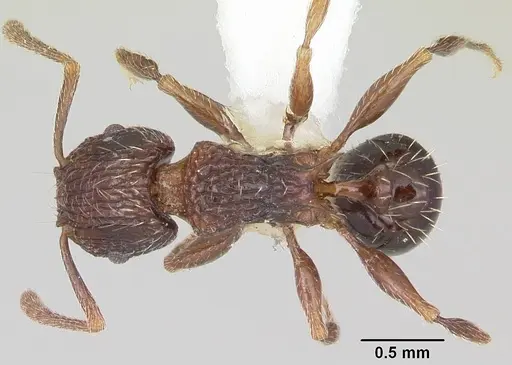
CASENT0217060
View on AntWeb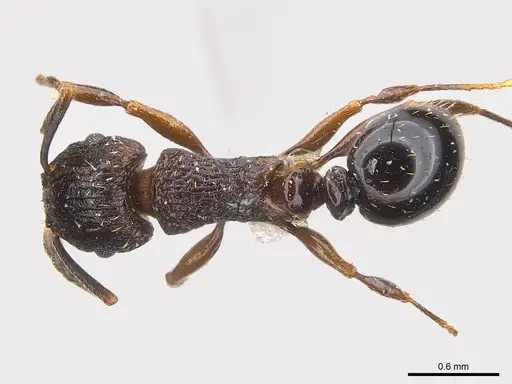
CASENT0217231
View on AntWeb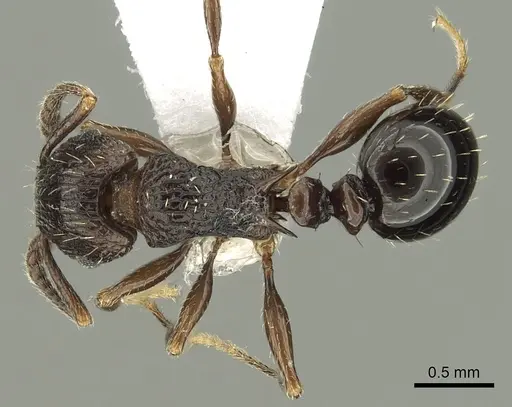
CASENT0235814
View on AntWeb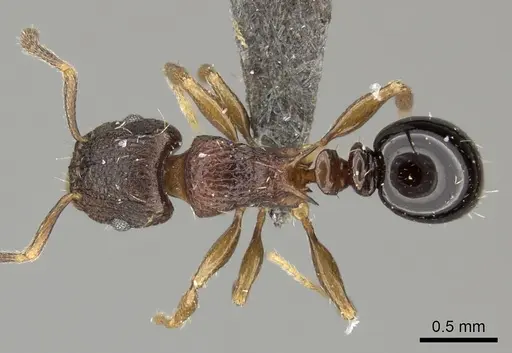
CASENT0235816
View on AntWeb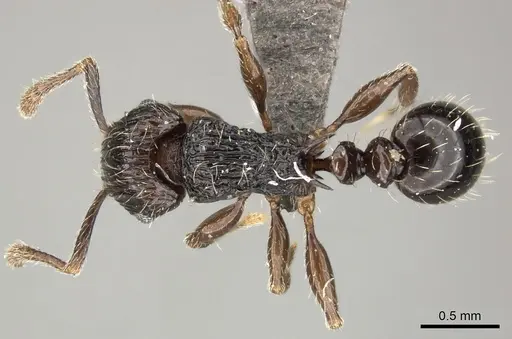
CASENT0235817
View on AntWeb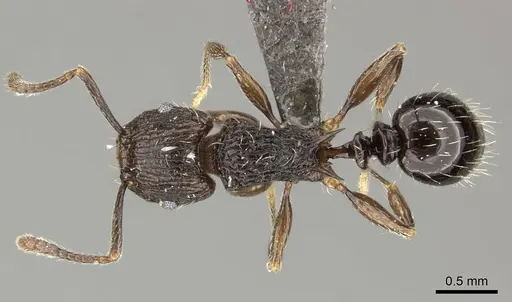
CASENT0249013
View on AntWeb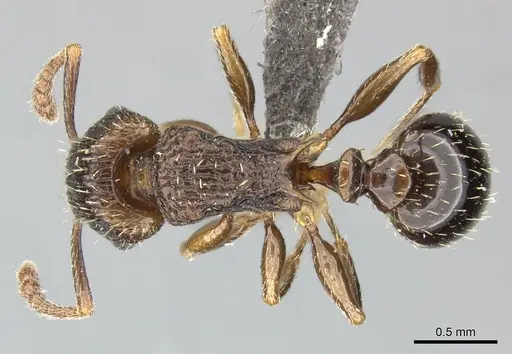
CASENT0253642
View on AntWeb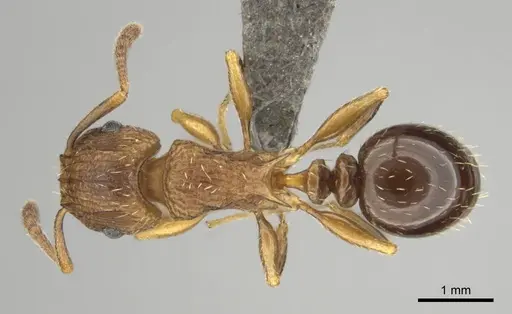
CASENT0253654
View on AntWeb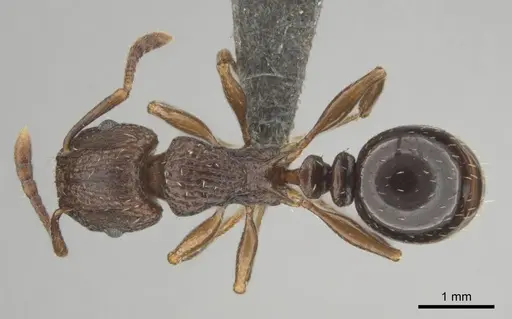
CASENT0257069
View on AntWeb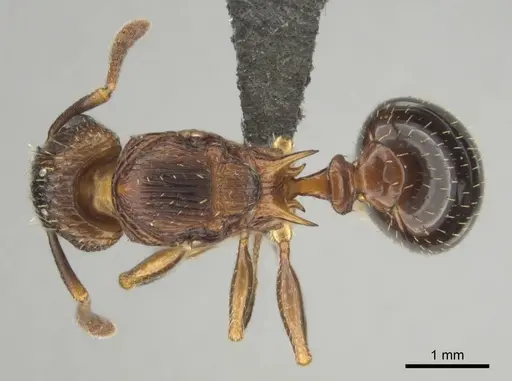
CASENT0775452
View on AntWeb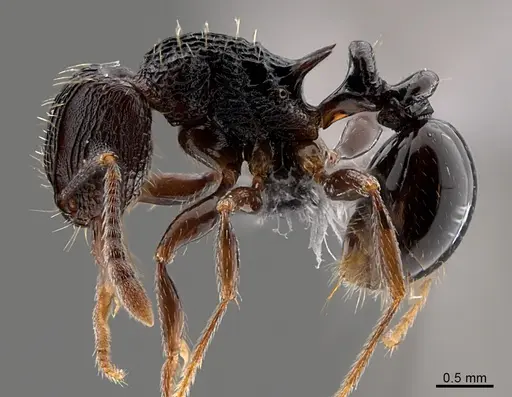
CASENT0901175
View on AntWeb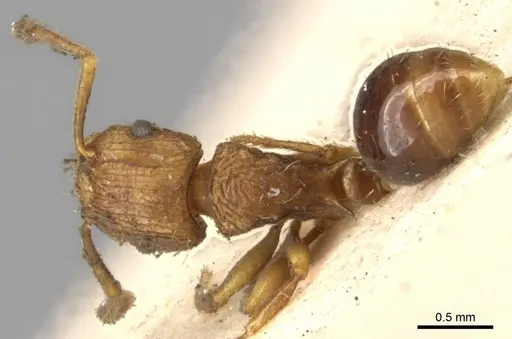
CASENT0909180
View on AntWeb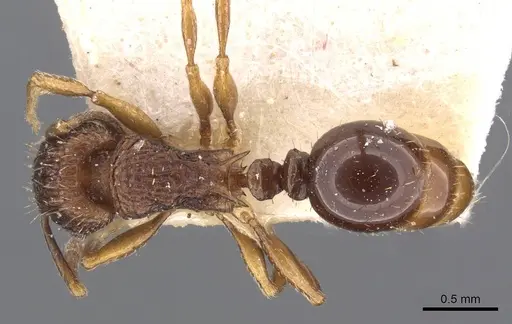
CASENT0915094
View on AntWeb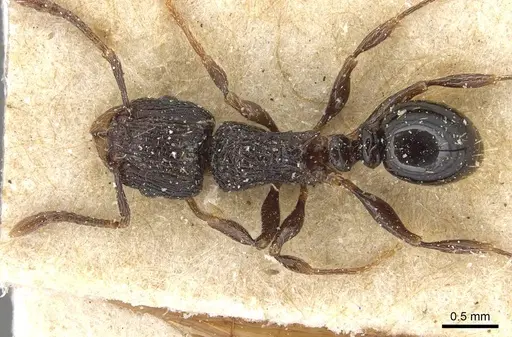
CASENT0915095
View on AntWeb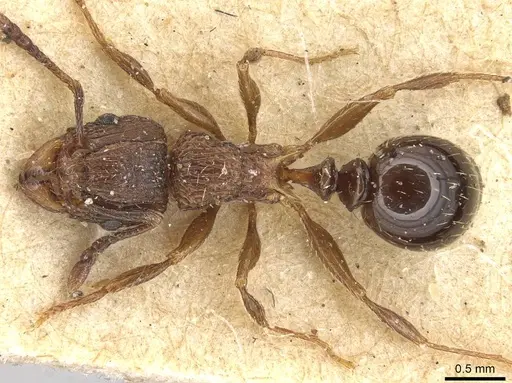
CASENT0917086
View on AntWeb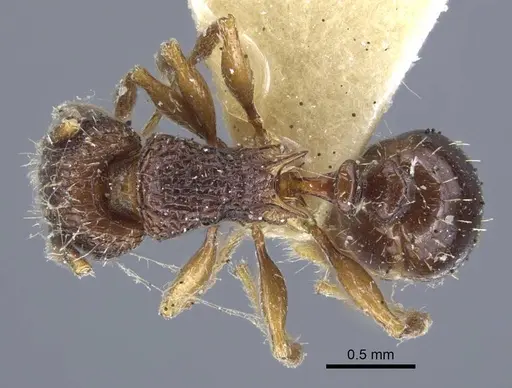
FOCOL2103
View on AntWeb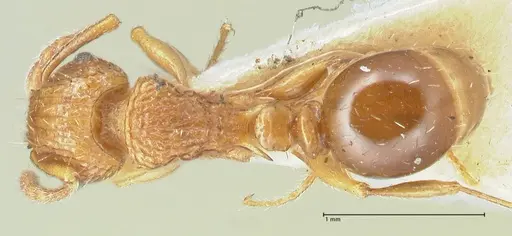
FOCOL2104
View on AntWeb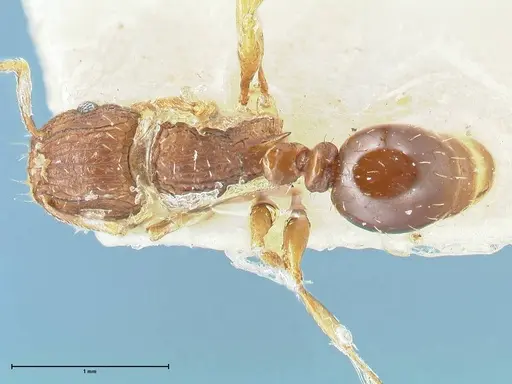
ZFMKHYM20096086
View on AntWeb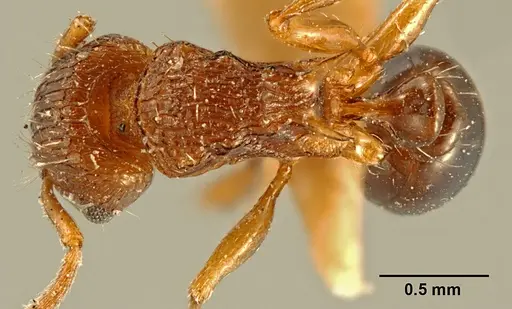
Literature
Loading...Loading products...