

Tetramorium sanetrai
- Scientific Name
- Tetramorium sanetrai
- Tribe
- Crematogastrini
- Subfamily
- Myrmicinae
- Author
- Schulz & Csősz, 2007
- Distribution
- Found in 1 countries
Tetramorium sanetrai Overview
Tetramorium sanetrai is an ant species of the genus Tetramorium. It is primarily documented in 1 countries , including Italy. Detailed taxonomic data and occurrence records can be further explored via authoritative databases such as AntWeb or the Global Biodiversity Information Facility (GBIF).
Tetramorium sanetrai
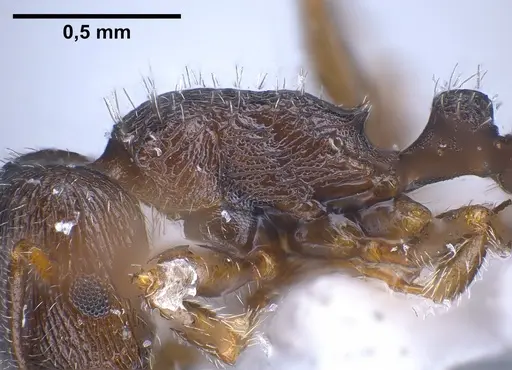
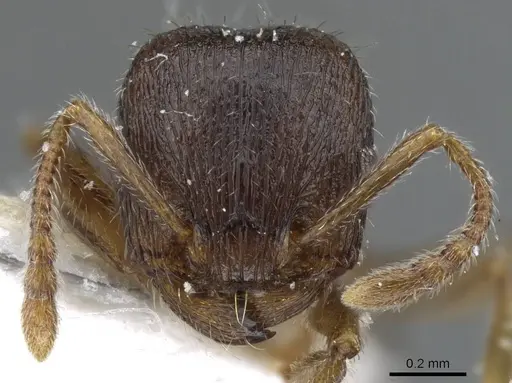
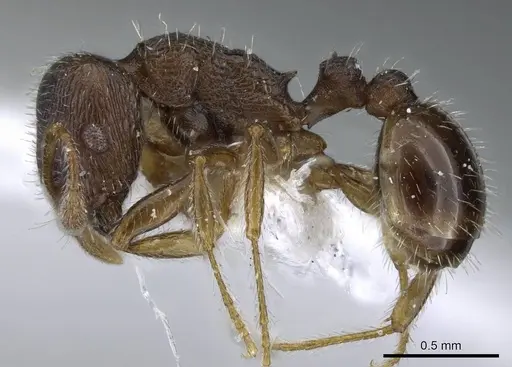
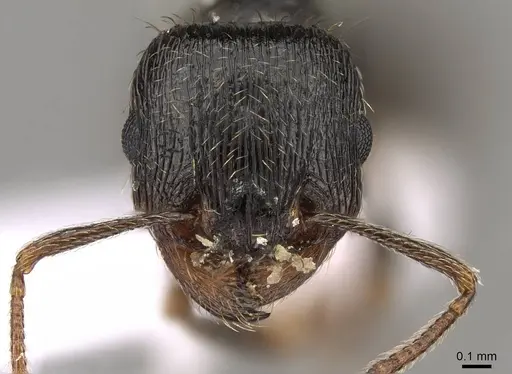
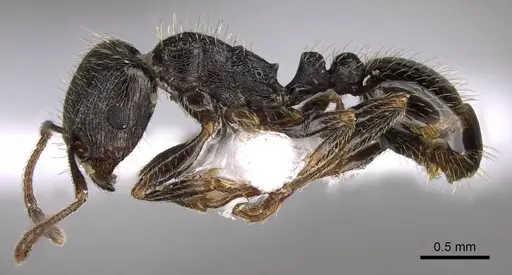
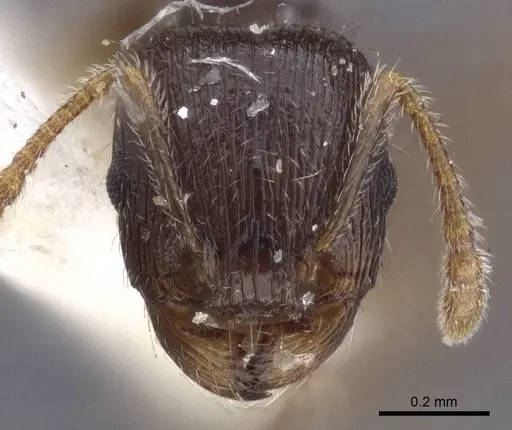
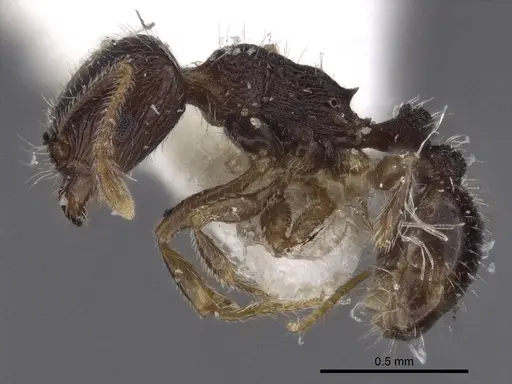
Tetramorium sanetrai is a tiny ant species endemic to the mountains of southern Italy, specifically Calabria and the Gargano peninsula [1]. Workers measure just 0.68-0.78mm in head length, making them among the smaller Tetramorium species. They are dark brown to black with a nearly square head, short antennae, and a distinctive cubic petiolar node. Queens are slightly larger at about 1mm and are entirely black. This species was only formally described in 2007 and remains one of the least studied European ants, in fact, nothing has been documented about its biology in the wild [2]. What we know comes from the original taxonomic description, which focused on identifying how to tell it apart from similar species like T. rhodium and T. alternans.
Quick Summary
- Difficulty: Medium
- Origin & Habitat: Endemic to southern Italy, found in Calabria (around Umbriatico and Frascineto at 350-500m elevation) and the Gargano peninsula in Puglia (around 700m elevation). The type specimens were collected in May in dry, rocky Mediterranean habitats [1][2].
- Colony Type: Unknown. Based on typical Tetramorium patterns, likely single-queen (monogyne) colonies, but this has not been confirmed. No information exists on colony size or structure in the wild.
- Size & Growth:
- Queen:{.size-link} ~0.97-1.0mm (CS 986 μm) [1]
- Worker:{.size-link} ~0.68-0.78mm (CS 740 μm range 683-783) [1]
- Colony: Unknown, no wild colony data exists. Based on similar Tetramorium species, likely under 500 workers.
- Growth: Unknown, no development data exists for this species. Estimated moderate growth based on genus patterns.
- Development: Estimated 6-10 weeks at optimal temperature (22-25°C), based on typical Tetramorium development (No direct data exists. This is a rough estimate based on related species, actual timing may vary significantly.)
- Antkeeping:
- Temperature: Keep around 22-26°C. Being a Mediterranean species from southern Italy, they likely prefer warm conditions. A gentle gradient allowing them to choose their preferred temperature is ideal.
- Humidity: Moderate. These ants come from relatively dry rocky Mediterranean hillsides. The nest should have some damp areas but also dry zones for them to regulate moisture themselves.
- Diapause: Likely yes. As a species from southern Italy with temperate climate, they probably require a winter rest period of 2-3 months at cooler temperatures (around 10-15°C). This is standard for European Tetramorium.
- Nesting: Based on collection data (under stones in rocky hillsides), they likely prefer nesting in soil with good drainage or under stones. In captivity, a small test tube setup or Y-tong nest with sandy substrate works well. Their tiny size means they need tight chambers and narrow passages.
- Behavior: No specific behavioral observations exist for this species. Based on genus patterns, they are likely docile and not aggressive. Their tiny size (under 1mm) makes them vulnerable and they will likely flee rather than fight. They are ground-nesting and probably forage for small prey. Escape prevention is critical, they can squeeze through the tiniest gaps due to their minute size.
- Common Issues: escape prevention is critical due to their tiny size, even standard test tube setups may need additional barriers, no biological data exists, keepers are essentially pioneering captive care for this species, slow growth is likely, beginners may lose patience without understanding this is normal for the species, winter dormancy requirements are uncertain but likely needed for European species, wild-caught colonies may have unknown parasites or health issues since nothing is known about this species
Housing and Setup
Because T. sanetrai is so small, housing requires attention to scale. A standard test tube setup works well for founding colonies, use a small water reservoir and keep the cotton tight to prevent escapes. Once the colony grows beyond 20-30 workers, you can move them to a small formicarium or Y-tong nest with narrow chambers. The nest material should be sandy or soil-based to allow for their natural tunneling behavior. These ants were found under stones in rocky Italian hillsides, so include some small stones or rough surfaces in the outworld. Escape prevention is critical, these ants are tiny enough to squeeze through standard barrier setups. Apply Fluon or use fine mesh on all openings [1][2].
Feeding
No specific diet data exists for this species. Based on typical Tetramorium behavior, they likely accept small protein sources like fruit flies, pinhead crickets, and other tiny arthropods. They probably also collect honeydew from aphids and will take sugar water or honey. Feed small amounts of protein 2-3 times per week and keep a constant sugar source available. Remove uneaten prey after 24 hours to prevent mold. Start with tiny prey items, these ants are only 0.7mm long, so even fruit fly pupae may be large initially.
Temperature and Seasonal Care
Maintain temperatures around 22-26°C during the active season. Being from southern Italy (Calabria and Gargano regions), they are adapted to Mediterranean warmth but not extreme heat. A heating cable on one side of the nest can create a temperature gradient. During winter (roughly November through February), reduce temperature to around 10-15°C to allow for dormancy. This mimics their natural cycle in the Italian mountains. Do not feed during the dormant period and keep moisture lower. Return to normal temperatures gradually in spring [1][2].
Colony Founding
No documented observations exist for colony founding in this species. Based on typical Tetramorium patterns, the queen likely seals herself in a small chamber (claustral founding) and raises the first workers on stored fat reserves. The founding chamber should be small and dark. First workers (nanitics) will be even smaller than regular workers. Be patient, with no species-specific data, expect 6-10 weeks for first workers to emerge, but this is purely an estimate based on related species.
Growth Expectations
You should expect slow growth. Since nothing is documented about this species' development, there are no guarantees. Based on similar Tetramorium species, colonies may take several months to reach 50 workers and years to reach potential maximum size. Do not overfeed in an attempt to speed growth, excess food mold kills colonies. Monitor but don't intervene unless the colony is clearly declining. Each successful captive colony of this species adds to our knowledge base.
Frequently Asked Questions
How long does it take for Tetramorium sanetrai to raise first workers?
Unknown, no documented development timeline exists for this species. Based on typical Tetramorium patterns, expect 6-10 weeks at warm temperatures (22-25°C), but this is a rough estimate. The first workers (nanitics) will be tiny, even smaller than normal workers.
What do Tetramorium sanetrai ants eat?
No species-specific feeding observations exist. Based on typical Tetramorium diet, they likely eat small insects and arthropods, and will accept sugar sources. Start with tiny prey like fruit flies, flightless fruit flies, or small mealworm pieces. Offer honey or sugar water as a constant sugar source. Remove uneaten food within 24 hours.
Do Tetramorium sanetrai ants need hibernation?
Likely yes. As a species from southern Italy with temperate climate, they probably require a winter dormancy period. Keep them cool (around 10-15°C) for 2-3 months during winter (roughly November-February in the Northern Hemisphere). Reduce feeding and moisture during this period. This is standard for European ant species [1][2].
How big do Tetramorium sanetrai colonies get?
Unknown, no wild colony data exists for this species. Based on similar Tetramorium species, colonies likely reach a few hundred workers at most. This species is very small and was only described in 2007,so no one has documented colony sizes in the wild [1].
Can I keep multiple Tetramorium sanetrai queens together?
Unknown. No information exists about colony structure for this species. Most Tetramorium are single-queen colonies, but some can have multiple queens. Do not attempt combining unrelated queens, this has not been studied and could result in fighting. Start with one queen per colony.
Are Tetramorium sanetrai good for beginners?
No, this species is not recommended for beginners. Almost nothing is known about its biology, and keepers are essentially pioneering captive husbandry. Additionally, their tiny size makes them challenging to house and care for properly. Start with better-documented species like Tetramorium caespitum or other common pet ants before attempting this species.
Do Tetramorium sanetrai ants sting?
Tetramorium belongs to the subfamily Myrmicinae, which includes many species with functional stingers. However, no specific observations exist for this species. Given their tiny size (under 1mm), any sting would be negligible to humans. They are more likely to flee than to use defensive stinging.
Why are my Tetramorium sanetrai dying?
Without species-specific data, we cannot identify specific causes. Common issues include: escape through tiny gaps (they are very small), mold from overfeeding, temperatures too high or too low, and stress from too much handling. Ensure excellent escape prevention, moderate feeding, appropriate temperature (22-26°C), and minimal disturbance. If your colony is declining with no obvious cause, there may be issues specific to this poorly-known species that we don't yet understand.
Where is Tetramorium sanetrai found in the wild?
This species is endemic to southern Italy, specifically the mountains of Calabria (around Umbriatico and Frascineto) and the Gargano peninsula in Puglia. They have been collected at elevations between 350-700m in dry, rocky Mediterranean habitats. They have never been found anywhere else in the world [1][2].
Report an Issue
The current care sheet is based fully on literature. See inconsistencies, or something that's incorrect? Please , it will be resolved after review from an admin. Contributing to the blogs tab also helps providing information, to make us be able to further improve the caresheets. Thank you for your support!
References

This caresheet is licensed under CC BY-SA 4.0 .
ANTWEB1041305
View on AntWeb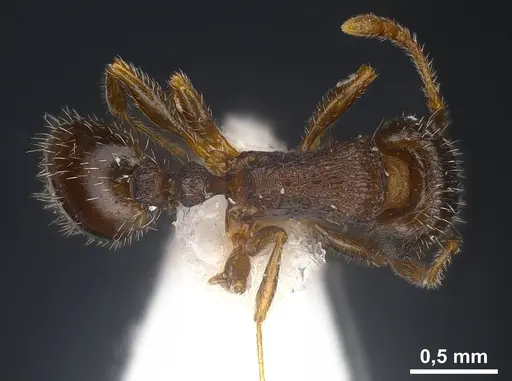
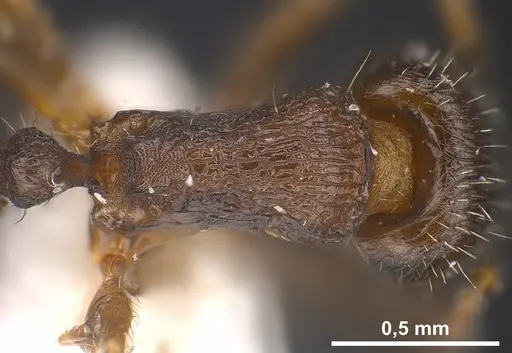
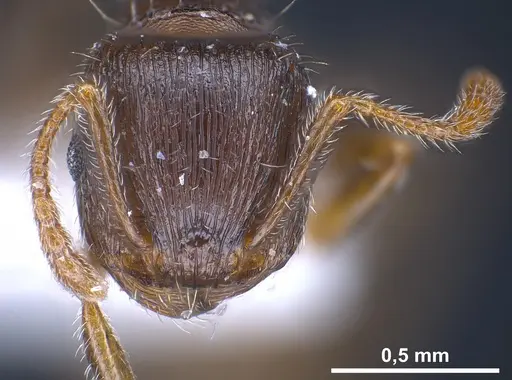
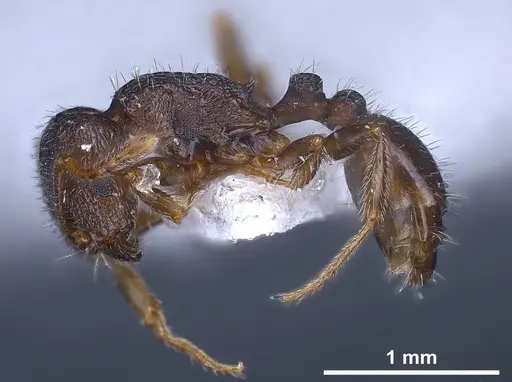
CASENT0905852
View on AntWeb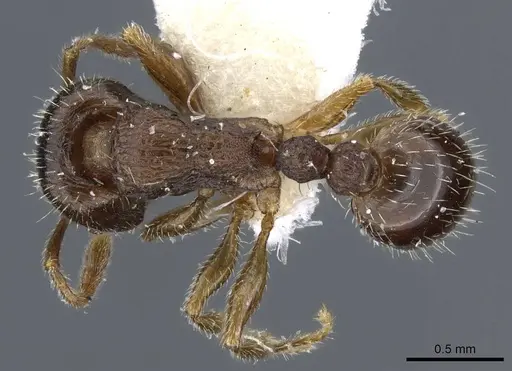
CASENT0914581
View on AntWeb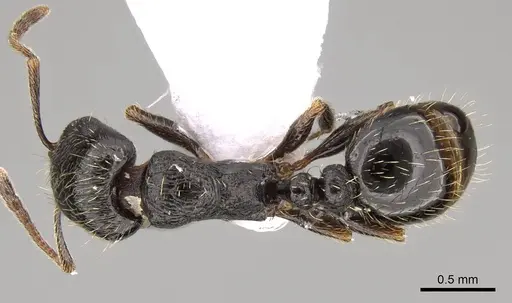
CASENT0916597
View on AntWeb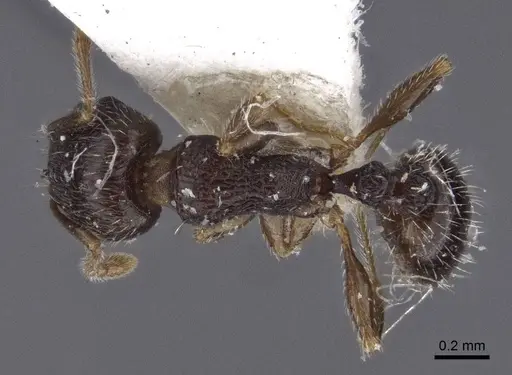
Literature
Loading...Loading products...