

Tetramorium pinnipilum
- Scientific Name
- Tetramorium pinnipilum
- Tribe
- Crematogastrini
- Subfamily
- Myrmicinae
- Author
- Bolton, 1980
- Distribution
- Found in 3 countries
Tetramorium pinnipilum Overview
Tetramorium pinnipilum is an ant species of the genus Tetramorium. It is primarily documented in 3 countries , including Gabon, Kenya, Uganda. Detailed taxonomic data and occurrence records can be further explored via authoritative databases such as AntWeb or the Global Biodiversity Information Facility (GBIF).
Tetramorium pinnipilum
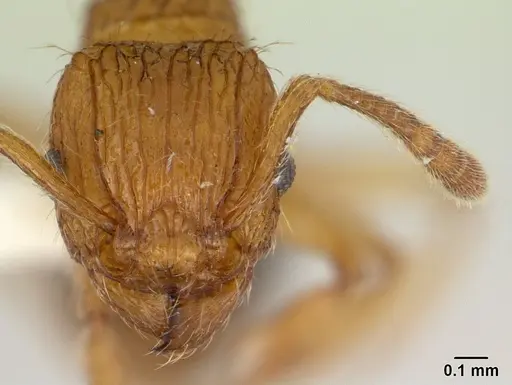
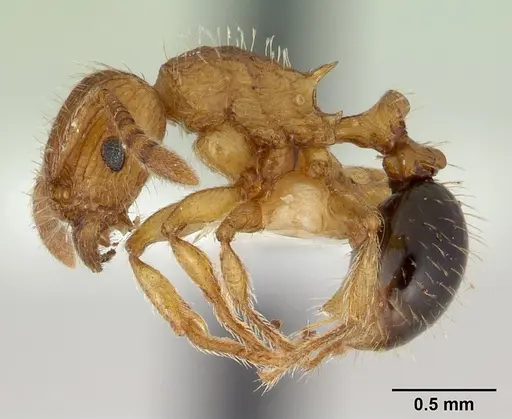
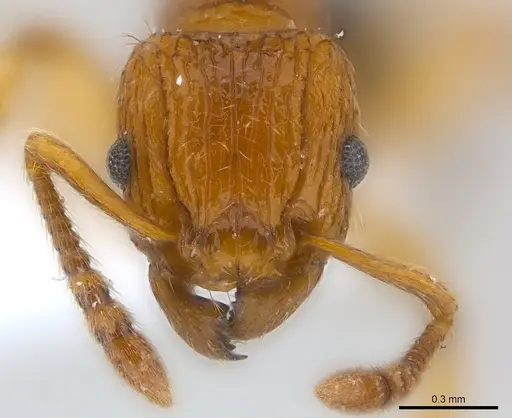
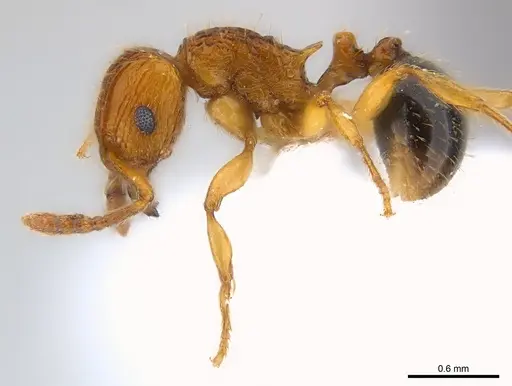
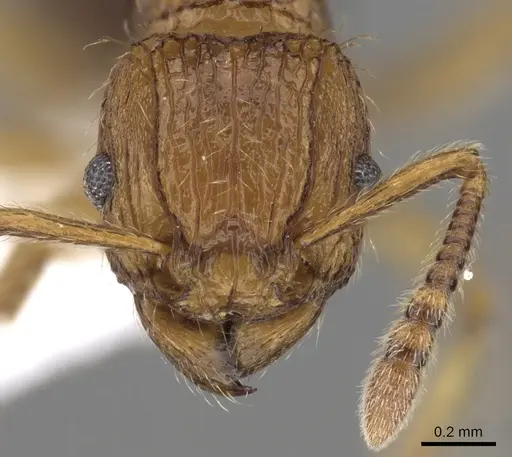
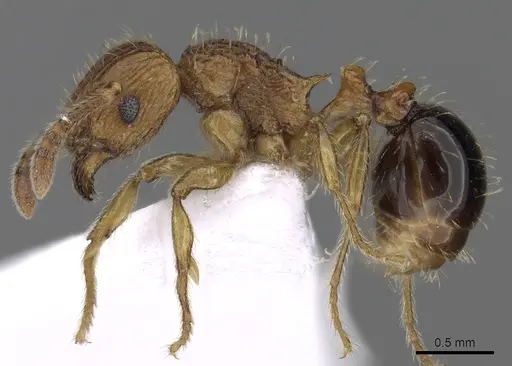
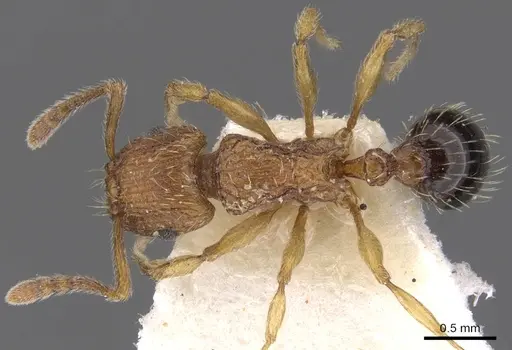
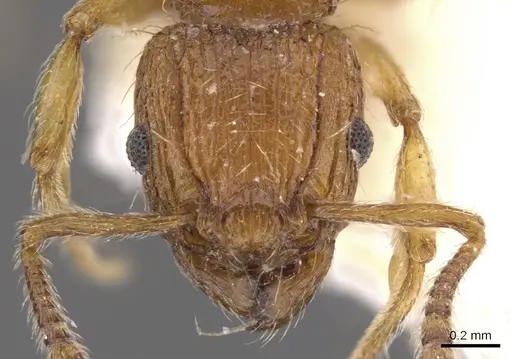
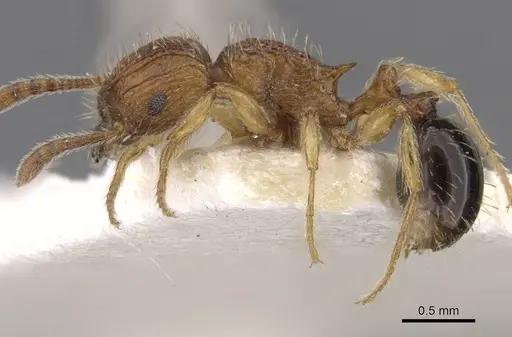
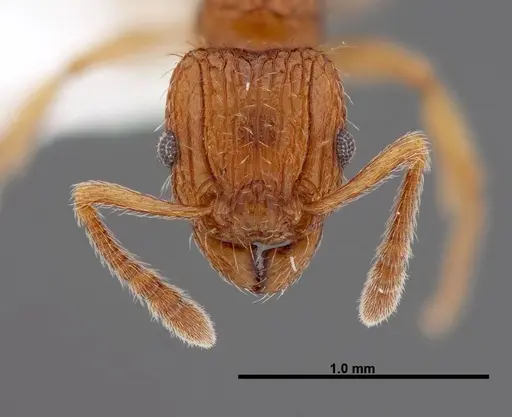
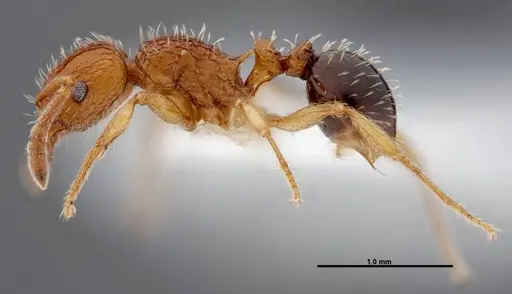
Tetramorium pinnipilum is a small leaf-litter ant species native to the rainforests of Angola and Western Kenya, where it ranks among the most common ant species in the forest floor ecosystem [1]. Workers measure approximately 3.4mm in total length, with a distinctive bicolored appearance: the head, mesosoma, petiole, and postpetiole are orange-brown, while the gaster is strikingly dark brown to black [2][1]. This species belongs to the Tetramorium weitzeckeri species group and is the edouardi complex [3]. What makes T. pinnipilum truly unique is its bizarre pilosity, the only species in its entire group with conspicuously pinnate, pectinate, or plumose (feathery) hairs on all dorsal surfaces, giving it a fuzzy appearance under magnification [2][1].
Quick Summary
- Difficulty: Medium
- Origin & Habitat: Rainforests of Angola and Western Kenya, found abundantly in leaf litter [1]
- Colony Type: Colony structure is unconfirmed. Based on typical Tetramorium patterns, likely single-queen (monogyne) colonies.
- Size & Growth:
- Queen: Unconfirmed, no documented queen measurements available
- Worker: 3.4mm total length (HL 0.733-0.83mm, HW 0.678-0.800mm) [1][2]
- Colony: Unknown, likely moderate size typical of leaf-litter Tetramorium species
- Growth: Moderate, inferred from typical Tetramorium development patterns
- Development: Estimated 6-10 weeks based on related Tetramorium species at optimal temperature (Development timeline not directly studied for this species, estimates based on genus-level data)
- Antkeeping:
- Temperature: Keep at 22-26°C, rainforest species needs warm, stable conditions. A gentle temperature gradient allows the colony to self-regulate.
- Humidity: High humidity is essential, these ants live in rainforest leaf litter. Keep the nest substrate consistently moist but not waterlogged, with some drier areas available.
- Diapause: Unknown, being an Afrotropical rainforest species, likely no true diapause but may show reduced activity during cooler periods
- Nesting: Natural nesting: leaf litter and upper soil layers of rainforests. In captivity, a naturalistic setup with moist substrate (soil/peat mix) or a plaster/acrylic nest with high humidity works well. They prefer tight, humid chambers.
- Behavior: This is a calm, non-aggressive leaf-litter species that forages quietly in the substrate. Workers are small but active, searching for food throughout the nest area. Escape risk is moderate due to their small size, use standard barrier precautions. They do not have a functional stinger but may use mild chemical defenses typical of Myrmicinae.
- Common Issues: high humidity requirements can lead to mold problems if ventilation is inadequate, small size makes escape prevention important, they can slip through small gaps, rainforest origin means they are sensitive to drying out, colony growth may be slow initially, patience is needed during founding, wild-caught colonies may carry parasites that can affect captive populations
Housing and Nest Setup
Tetramorium pinnipilum naturally lives in the leaf litter and upper soil layers of rainforests, so they need a setup that recreates these humid, substrate-rich conditions [1]. A naturalistic terrarium-style setup works best, use a moist soil/peat mixture as the substrate, at least 5-8cm deep to allow for natural tunneling and foraging behavior. Alternatively, a plaster or acrylic nest with tight chambers and a water reservoir can work, but ensure humidity stays high. Because they are small and escape-risk exists, use a well-fitting lid and apply Fluon or another barrier to the rim. A small outworld area for feeding is helpful but not strictly necessary, they will readily forage in a connected foraging area.
Feeding and Diet
Like most Tetramorium species, T. pinnipilum is omnivorous, feeding on small insects, seeds, and honeydew in the wild. In captivity, offer a varied diet: small live prey like fruit flies, pinhead crickets, or mealworms (appropriately sized to their tiny workers), sugar water or honey as an energy source, and occasional seeds or protein-rich foods. Feed small amounts 2-3 times per week, removing any uneaten prey after 24 hours to prevent mold. The feathery hairs on their bodies may help them capture small arthropods in nature, ensure prey items are small enough for their tiny mandibles.
Temperature and Humidity
As a rainforest species from Angola and Kenya, T. pinnipilum requires warm and humid conditions. Maintain temperatures between 22-26°C, avoiding sudden drops or fluctuations. A heating cable on one side of the nest can create a gentle gradient, but always ensure there's an unheated area the ants can retreat to if they overheat. Humidity is critical, keep the substrate consistently moist but not waterlogged. Mist the nest occasionally and consider using a water reservoir in plaster nests. Poor humidity causes workers to become sluggish and can kill the colony. However, also provide some ventilation to prevent stagnant air and mold buildup. [1]
Behavior and Colony Dynamics
This is a peaceful, non-aggressive species that forms small colonies in the wild. Workers are active foragers that search through leaf litter and soil for food. The most striking feature of this species is its bizarre pilosity, the long, feathery hairs covering their bodies are unique among African Tetramorium species and make them easily identifiable under magnification [2][1]. Colonies likely grow to moderate sizes (possibly several hundred workers), but the exact maximum is unknown. They are not defensive and pose no sting risk, their primary defense is simply staying hidden in the substrate. Watch for colony establishment success, as founding colonies can be fragile.
Finding and Acquiring
Tetramorium pinnipilum is found only in the rainforests of Angola and Western Kenya, making it a rarely kept species in the antkeeping hobby [1]. Wild-caught colonies may be available from specialty importers, but availability is limited. If obtaining from the wild, ensure you have proper collection permits and never release captive colonies in non-native areas. The species is not established in the pet trade, so expect to pay a premium for wild-caught colonies. When purchasing, look for healthy workers with the characteristic feathery hairs and bicolored appearance (orange-brown body, dark gaster).
Frequently Asked Questions
How long does it take for Tetramorium pinnipilum to have first workers?
The exact timeline is unconfirmed, but based on related Tetramorium species, expect 6-10 weeks from egg to first worker at optimal temperature (around 24°C). Founding colonies need patience, the queen will lay eggs, and workers should emerge within a few months under proper conditions.
Do Tetramorium pinnipilum ants sting?
No, this species does not have a functional stinger. As a Myrmicinae ant, they lack the specialized stinger that some subfamilies possess. They are completely harmless to humans and pose no danger.
What do Tetramorium pinnipilum eat?
They are omnivorous like most Tetramorium species. Feed small live insects (fruit flies, pinhead crickets, small mealworms), sugar water or honey, and occasionally seeds. Small prey items are essential given their tiny worker size.
Can I keep Tetramorium pinnipilum in a test tube?
Test tubes can work for founding colonies if kept humid, but a naturalistic setup with moist substrate is better for long-term success. These leaf-litter ants prefer to forage and tunnel in soil. If using test tubes, ensure the cotton stays moist and consider adding a small soil chamber.
Are Tetramorium pinnipilum good for beginners?
This species is rated as Medium difficulty. While not aggressive or dangerous, their high humidity requirements and need for warm, stable conditions make them better suited for keepers who have experience maintaining humidity-dependent species. Beginners may struggle with keeping them properly moist without causing mold.
How big do Tetramorium pinnipilum colonies get?
The exact maximum colony size is unknown, but based on similar leaf-litter Tetramorium species, colonies likely reach several hundred workers. They are not among the largest Tetramorium species.
Do Tetramorium pinnipilum need hibernation?
No, being an Afrotropical rainforest species from Kenya and Angola, they do not require hibernation. Maintain warm temperatures year-round (22-26°C). They may show reduced activity during cooler periods but do not enter true diapause.
Why is my Tetramorium pinnipilum colony dying?
Common causes include: too dry conditions (rainforest species need high humidity), temperature extremes or fluctuations, mold from poor ventilation, too large prey items they cannot subdue, or stress from wild-caught origins. Ensure humidity is consistently high, temperatures are stable, and feed appropriately sized prey.
How do I identify Tetramorium pinnipilum?
Look for the distinctive feathery (pinnate, pectinate, or plumose) hairs on all body parts, this is unique among species in its group [2]. They also have a striking bicolored appearance: orange-brown head, mesosoma, petiole, and postpetiole contrasting with a very dark brown to black gaster [1]. Workers are about 3.4mm total length with small eyes.
When should I move Tetramorium pinnipilum to a formicarium?
Wait until the colony is well-established with at least 20-30 workers and the queen is consistently laying eggs. For this species, a naturalistic setup with soil substrate is often preferable to moving to a traditional formicarium. If using test tubes for founding, transition when the water reservoir needs frequent refilling.
References

This caresheet is licensed under CC BY-SA 4.0 .
CASENT0178321
View on AntWeb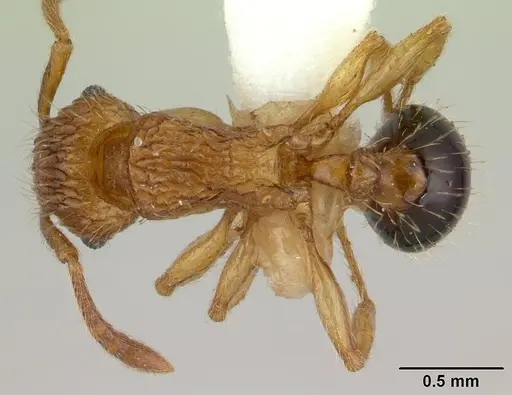
CASENT0217066
View on AntWeb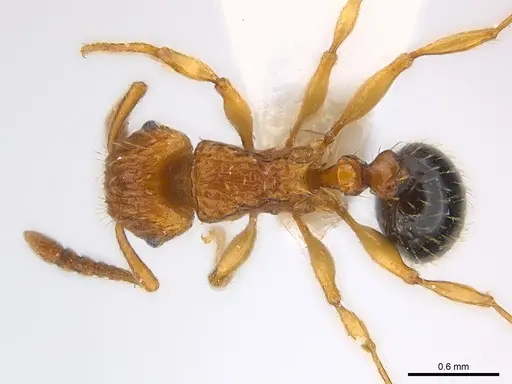
CASENT0217230
View on AntWeb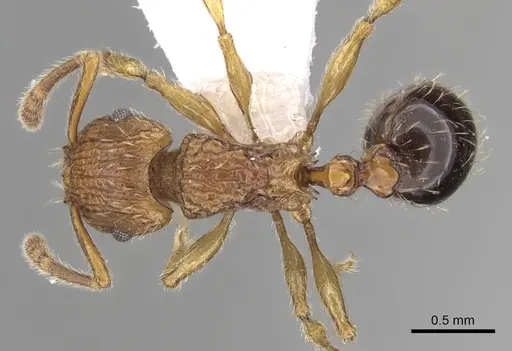
CASENT0367088
View on AntWeb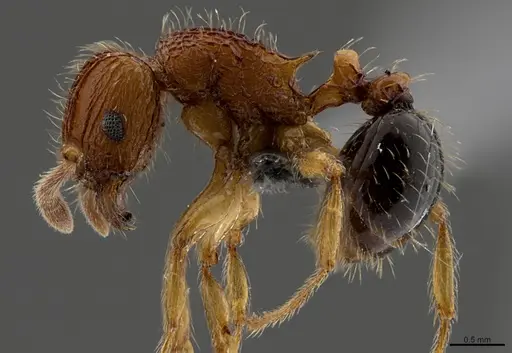
CASENT0901158
View on AntWeb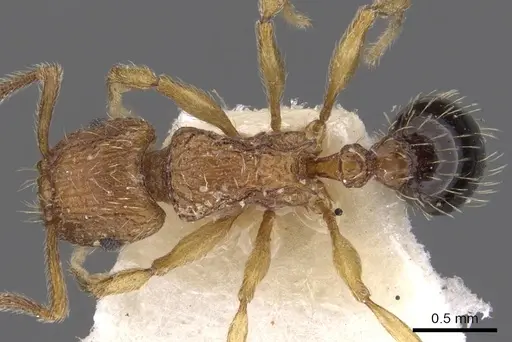
FMNHINS0000047315
View on AntWeb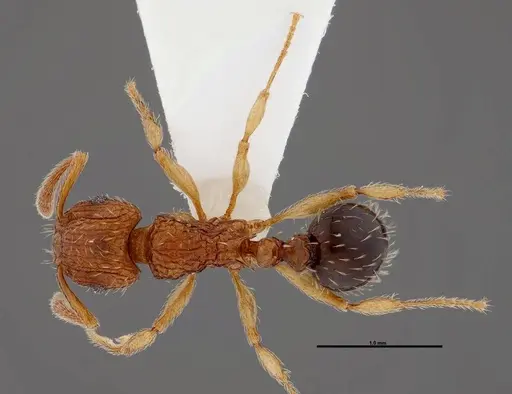
Literature
Loading...Loading products...