

Tetramorium maurum
- Scientific Name
- Tetramorium maurum
- Tribe
- Crematogastrini
- Subfamily
- Myrmicinae
- Author
- Santschi, 1918
- Distribution
- Found in 2 countries
Tetramorium maurum Overview
Tetramorium maurum is an ant species of the genus Tetramorium. It is primarily documented in 2 countries , including Algeria, Morocco. Detailed taxonomic data and occurrence records can be further explored via authoritative databases such as AntWeb or the Global Biodiversity Information Facility (GBIF).
Tetramorium maurum
Tetramorium maurum is a small Myrmicinae ant species native to the western Mediterranean region, specifically documented in Tunisia and the broader Maghreb region of North Africa [1]. Workers are typical of the genus, measuring around 3-5mm with the characteristic 12-segmented antennae and a two-segmented petiole (the narrow 'waist' between the thorax and abdomen). The species was originally described as a subspecies of Tetramorium caespitum in 1918 before being elevated to full species status in 1929 [2].
This species inhabits the dry, warm environments of Tunisia's coastal and inland regions. Like other Tetramorium species, they are ground-nesting ants that establish colonies in soil or under stones. They are generalist foragers, collecting nectar, small insects, and tending aphids for honeydew. The colony structure appears to be monogyne (single queen), which is typical for most Tetramorium species.
Quick Summary
- Difficulty: Easy
- Origin & Habitat: Native to Tunisia and the Maghreb region (North Africa), specifically the Palaearctic zone [1]. In nature, they nest in dry to moderately moist soil, often under stones or in open ground habitats. The species has been documented in forest environments in Algeria and Morocco.
- Colony Type: Monogyne (single queen colonies). This follows typical Tetramorium patterns where colonies establish with one founding queen.
- Size & Growth:
- Queen:{.size-link} Estimated 6-8mm based on genus typical size for Tetramorium queens
- Worker:{.size-link} 3-5mm based on genus typical measurements
- Colony: Estimated up to several hundred workers based on typical Tetramorium colony development
- Growth: Moderate, typical for Mediterranean Tetramorium species
- Development: Estimated 6-8 weeks at optimal temperature based on genus-level data for Tetramorium species (Development time is typical for small Myrmicinae in warm conditions)
- Antkeeping:
- Temperature: Keep at 22-26°C. These are warm-climate ants from North Africa, so they prefer temperatures in the low-to-mid 20s Celsius. A slight gradient allowing workers to self-regulate is beneficial.
- Humidity: Moderate humidity around 50-60%. They prefer drier conditions compared to tropical species, think semi-arid Mediterranean habitat. Allow the nest substrate to dry partially between waterings.
- Diapause: Yes, as a species from a temperate climate with seasonal variation, they benefit from a winter rest period. Reduce temperature to 10-15°C for 8-12 weeks during winter.
- Nesting: Test tubes work well for founding colonies. For established colonies, a Y-tong (AAC) nest or plaster formicarium with moderate moisture works well. They prefer compact chambers over large open spaces.
- Behavior: Generally peaceful and non-aggressive toward keepers. Workers are active foragers that will readily explore and collect food. They are not known for stinging, Myrmicinae can sting but Tetramorium species are typically docile. Escape risk is moderate due to their small size, standard escape prevention measures are recommended.
- Common Issues: colonies can fail if kept too wet, their natural habitat is relatively dry, overheating can be fatal, avoid temperatures above 30°C, small colony size means founding colonies are vulnerable to stress, poor escape prevention can lead to escapes due to their small worker size, hibernation failure is common if temperatures aren't lowered properly in winter
Temperature and Care
Tetramorium maurum comes from the warm Mediterranean climate of Tunisia, so they do best with temperatures in the 22-26°C range. This is warmer than many temperate ant species but cooler than tropical ones. You can use a heating cable on one side of the nest to create a temperature gradient, but avoid direct heat that could cause overheating.
During the active season (spring through fall), room temperature within this range works well. In winter, you'll need to simulate their natural seasonal cycle by reducing temperatures to around 10-15°C for 8-12 weeks. This winter rest period is important for colony health and triggers reproductive behavior in spring. Place the colony in a cool basement, garage, or use a refrigerator set to appropriate temperatures.
Feeding and Diet
Like most Tetramorium species, T. maurum is omnivorous and will accept a variety of foods. Their diet in nature consists of small insects, nectar, and honeydew from aphids. In captivity, you should offer a balanced diet of protein and sugars.
For protein, offer small insects like fruit flies, small crickets, or mealworms. For sugars, provide honey water, sugar water, or commercial ant nectar. Feed protein 2-3 times per week, and keep a sugar source available at all times. Remove uneaten food after 24-48 hours to prevent mold.
Founding colonies (queen with just eggs/larvae) don't need food, the claustral queen survives on her stored fat reserves until her first workers emerge. Once workers are active, begin offering small amounts of food.
Nesting and Habitat
In the wild, Tetramorium maurum nests in soil, often under stones or in open ground. They prefer compact, slightly moist but not wet substrate. For captive colonies, test tubes work perfectly for founding queens, fill the tube about 1/3 with water, push a cotton ball to create a water reservoir, then add the queen.
For established colonies, Y-tong (AAC) nests or plaster formicariums work well. Keep the nest material moderately moist, damp but not dripping. These ants don't need high humidity like tropical species, aim for around 50-60% relative humidity in the nest area. Provide an outworld (foraging area) where workers can search for food.
Colony Founding
Tetramorium maurum follows the typical claustral founding pattern. When a newly mated queen finds a suitable nesting spot, she seals herself into a small chamber and lays eggs. She does not leave to forage during this time, she survives entirely on her stored fat reserves and metabolizes her wing muscles for energy.
The queen tends her eggs and larvae alone until the first workers (nanitics) emerge. These first workers are typically smaller than mature workers but immediately begin foraging to feed the colony. This founding phase typically takes 4-8 weeks depending on temperature. Do not disturb the founding queen or move the nest during this critical period.
Behavior and Temperament
This species is generally calm and easy to handle. Workers are active and will readily explore their environment, making them interesting to watch. They are not particularly aggressive and rarely bite or sting, making them suitable for beginners.
However, they are small and can be quick, so watch for escapes. Use standard escape prevention like Fluon on test tube rims or fine mesh on outworlds. Workers communicate through chemical trails, you'll notice them following paths to food sources.
The colony will establish a clear division of labor with workers tending brood, foraging for food, and maintaining the nest. Queens remain in the nest laying eggs once established.
Frequently Asked Questions
How long does it take for Tetramorium maurum to get their first workers?
Expect 6-8 weeks from egg to first worker at optimal temperature (around 24°C). This is typical for Tetramorium species. The claustral queen will remain sealed in her chamber until her first nanitic workers emerge.
Do Tetramorium maurum ants sting?
They have a stinger as Myrmicinae, but they are not aggressive and rarely use it. They are considered docile and safe to handle. If threatened, they may bite, but the bite is mild.
What temperature do Tetramorium maurum need?
Keep them at 22-26°C during the active season. They prefer warm conditions but not extreme heat. In winter, provide a diapause period at 10-15°C for 8-12 weeks.
Can I keep multiple Tetramorium maurum queens together?
This species is monogyne, they form single-queen colonies. Combining unrelated queens is not recommended as they will likely fight. Only one queen should be kept per colony.
How often should I feed Tetramorium maurum?
Feed protein (insects) 2-3 times per week. Keep a sugar source (honey water or sugar water) available at all times. Remove uneaten food after 24-48 hours to prevent mold.
Do Tetramorium maurum need hibernation?
Yes, they benefit from a winter rest period. Reduce temperatures to 10-15°C for 8-12 weeks during winter. This helps trigger spring reproductive behavior and maintains colony health.
What do Tetramorium maurum eat?
They are omnivorous. Offer small insects (fruit flies, small crickets, mealworms) for protein, and sugar sources (honey water, sugar water, or commercial ant nectar). They will also collect nectar and honeydew in nature.
Are Tetramorium maurum good for beginners?
Yes, they are considered easy to keep. They are docile, don't require extreme humidity, and accept a wide variety of foods. Their main requirements are warm temperatures and a winter diapause period.
How big do Tetramorium maurum colonies get?
Colonies typically reach several hundred workers. Growth is moderate, expect a few hundred workers within the first year under good conditions.
When should I move Tetramorium maurum to a formicarium?
Keep them in a test tube for the founding phase (until you have 20+ workers). Once the colony reaches 30-50 workers and the test tube is becoming crowded, you can move them to a proper formicarium or Y-tong nest.
Report an Issue
The current care sheet is based fully on literature. See inconsistencies, or something that's incorrect? Please , it will be resolved after review from an admin. Contributing to the blogs tab also helps providing information, to make us be able to further improve the caresheets. Thank you for your support!
References

This caresheet is licensed under CC BY-SA 4.0 .
CASENT0915028
View on AntWeb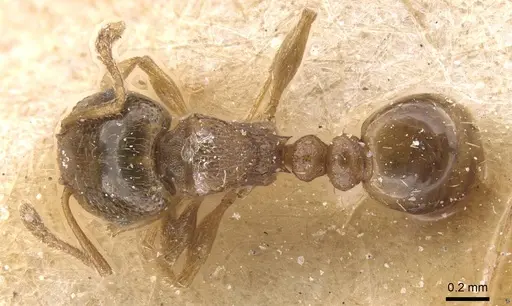
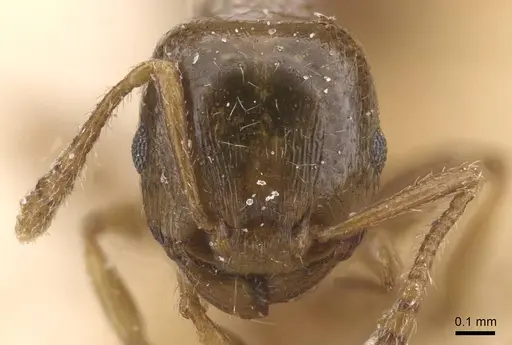
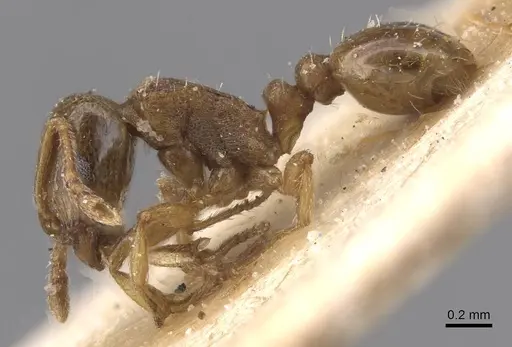
Literature
Loading...Loading products...