

Tetramorium kakamega
- Scientific Name
- Tetramorium kakamega
- Tribe
- Crematogastrini
- Subfamily
- Myrmicinae
- Author
- Hita Garcia <i>et al.</i>, 2010
- Distribution
- Found in 1 countries
Tetramorium kakamega Overview
Tetramorium kakamega is an ant species of the genus Tetramorium. It is primarily documented in 1 countries , including Kenya. Detailed taxonomic data and occurrence records can be further explored via authoritative databases such as AntWeb or the Global Biodiversity Information Facility (GBIF).
Tetramorium kakamega
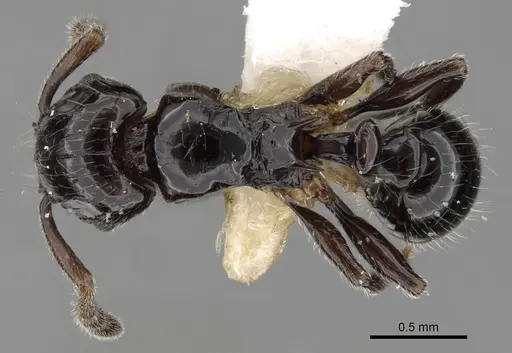
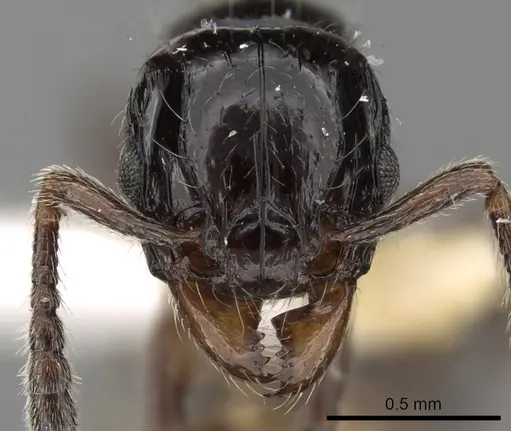
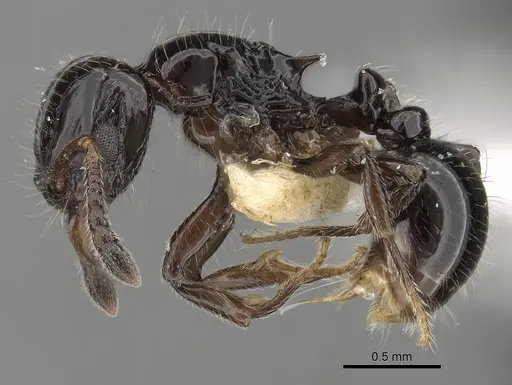
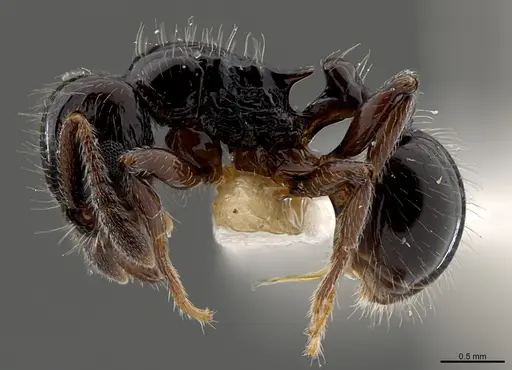
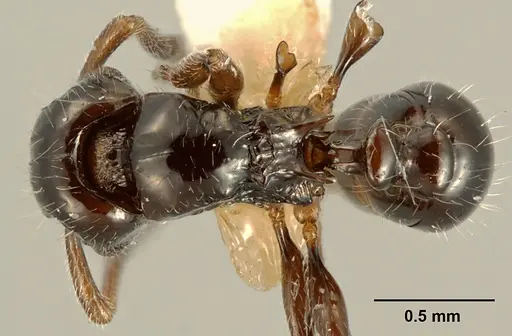
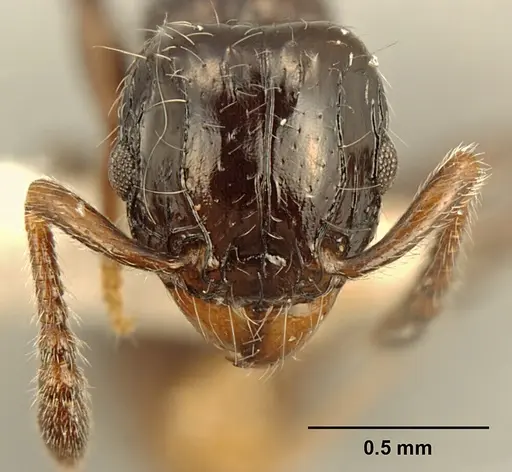
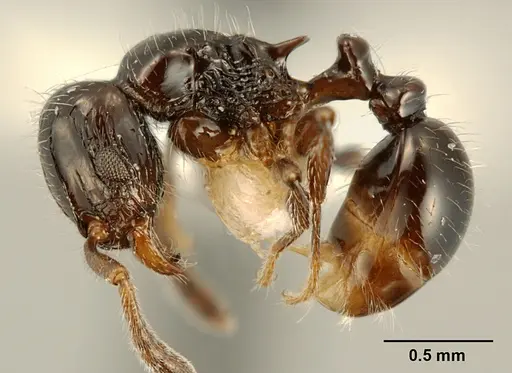
Tetramorium kakamega is a tiny, dark brown ant species newly described from the Kakamega Forest in Western Kenya. Workers measure approximately 2.5-3mm in total length, making them one of the smaller Tetramorium species you'll encounter. They have a nearly black body with slightly lighter brown legs and antennae, and their most distinctive feature is the pair of long, spine-like propodeal projections on their rear [1].
This species belongs to the Tetramorium muralti species complex within the larger Tetramorium weitzeckeri species group, all of which are endemic to African rainforests. Only known from a handful of specimens collected at 1800m elevation in equatorial rainforest, T. kakamega represents one of the more obscure species in the hobby. Related species in this group typically form small colonies and nest in rotting wood or under bark [1].
Quick Summary
- Difficulty: Medium
- Origin & Habitat: Kakamega Forest, Western Kenya at 1800m elevation. Found in equatorial rainforest under the bark of rotten wood [1].
- Colony Type: Likely monogyne (single queen colonies) based on typical Tetramorium patterns. Colony size is unknown but likely small, related species in the muralti complex typically reach 100-500 workers [1].
- Colony: Monogyne
- Founding: Claustral
- Size & Growth:
- Queen: Undescribed, no queen caste has been documented [1]
- Worker: 2.5-3mm total length (HL 0.756-0.778mm, WL 0.856-0.911mm) [1]
- Colony: Unknown, only known from 5 worker specimens. Related muralti complex species typically have 100-500 workers [1]
- Growth: Moderate, estimated based on genus patterns
- Development: Estimated 6-10 weeks at optimal temperature based on typical Tetramorium development [1] (Development timeline is not directly studied for this species. Estimates based on genus-level data for similar small Myrmicinae ants.)
- Antkeeping:
- Temperature: Keep at 22-26°C. Being from high-altitude Kenyan rainforest, they likely prefer warm but not hot conditions with moderate humidity [1].
- Humidity: High humidity required, think damp forest floor. Keep the nest substrate consistently moist but not waterlogged. Provide a water tube for drinking access.
- Diapause: Unlikely, being from equatorial Africa, they probably do not require a true diapause. However, a slight reduction in temperature during 'winter' months may be beneficial.
- Nesting: In nature they nest under bark of rotten wood. In captivity, a small Y-tong (AAC) nest or a naturalistic setup with rotting wood pieces works well. They prefer tight, humid chambers over open spaces.
- Behavior: These are small, generally non-aggressive ants. Workers are active foragers that search for small prey and honeydew. Due to their tiny size, escape prevention is critical, they can squeeze through standard test tube cotton if it becomes loose. They are not known to sting and pose no danger to keepers. Workers are relatively slow-moving compared to some Tetramorium species.
- Common Issues: tiny size means escapes are likely without fine mesh barriers, high humidity needs can lead to mold if ventilation is poor, limited data means colony development may have unexpected requirements, wild-caught colonies may carry parasites that are poorly understood, slow growth can frustrate beginners who overfeed or disturb the nest
Housing and Nest Setup
For such tiny ants, you'll need appropriately scaled housing. A small Y-tong (AAC) nest with narrow chambers works well, or you can use a small test tube setup with a cotton barrier. The key is tight spaces, these ants feel secure in compact chambers. If using a naturalistic setup, include pieces of rotting wood or cork bark for them to nest under. Avoid tall, open formicaria where they may feel exposed. A small outworld connected to the nest works fine for feeding. Always use fluon or another barrier on the edges of any opening, their small size means they'll find the tiniest gaps [1].
Feeding and Diet
Like most Tetramorium species, T. kakamega is omnivorous. Offer small protein sources like fruit flies, pinhead crickets, or small mealworms. They will also accept sugar water, honey, or honeydew. In the wild, they foraged under bark of rotten wood where they likely collected small insects and honeydew from aphids or scale insects. Feed small amounts every 2-3 days and remove uneaten prey after 24 hours to prevent mold. A constant sugar source (honey water at 1:4 ratio with water) should be available. Their small size means even tiny prey items are substantial meals for them.
Temperature and Humidity
Being from 1800m elevation in equatorial Kenya, these ants experience warm but not extreme temperatures year-round. Aim for 22-26°C in the nest area. A small heating cable on one side of the nest can create a gentle gradient if your room temperature runs cool. Humidity is important, keep the nest substrate consistently damp but not sitting in water. A water tube connected to the nest provides drinking water and helps maintain humidity through evaporation. Mist the outworld occasionally but avoid directly wetting the nest area. Good ventilation is essential to prevent mold while maintaining humidity [1].
Colony Development
Since this species has never been kept in captivity (only known from wild-caught type specimens), expect some experimentation. Queens likely seal themselves in during founding (claustral behavior is typical for Tetramorium). The first workers, called nanitics, will be smaller than mature workers. Expect 6-10 weeks from egg to first worker at optimal temperature. Growth will be moderate, don't expect rapid colony expansion. Related species in the muralti complex typically max out around 100-500 workers, so don't be alarmed if your colony stays relatively small. Patience is key with this poorly understood species. [1]
Handling and Temperament
These are peaceful, non-aggressive ants that pose no sting threat to keepers. Workers are relatively slow-moving and won't dart around the outworld. They are not known to bite. However, their tiny size makes them easy to accidentally crush, handle any moving containers with extra care. They are not escape artists in terms of climbing, but their small size means they can squeeze through gaps that larger ants cannot. Always check that any connections between nest and outworld are sealed with fluon or petroleum jelly. There is no documented aggression toward keepers or other colonies.
Frequently Asked Questions
How long does it take for Tetramorium kakamega to produce first workers?
Based on typical Tetramorium development, expect 6-10 weeks from egg to first worker at optimal temperature (22-26°C). This is an estimate since the species has never been kept in captivity, actual timing may vary.
Can I keep Tetramorium kakamega in a test tube setup?
Yes, a small test tube setup works well for founding colonies. Use a cotton barrier and ensure the water reservoir is appropriately sized, not too large or it may flood. Cover the tube with a dark cloth for the first few weeks until workers emerge.
Do Tetramorium kakamega ants sting?
No, this species does not sting. They are completely harmless to keepers. As small Myrmicinae ants, they lack the powerful stingers found in some other ant groups.
What do Tetramorium kakamega eat?
They are omnivorous. Offer small protein sources like fruit flies, tiny crickets, or mealworms, plus a constant sugar source like honey water or sugar water. They likely also accept honeydew if you keep aphids.
Are Tetramorium kakamega good for beginners?
This is a challenging species for beginners due to limited available care information and their small size requiring excellent escape prevention. If you're experienced with small Myrmicinae like Tetramorium or Pheidole, this species can be an interesting challenge.
How big do Tetramorium kakamega colonies get?
Colony size is unknown since the species has only been described from wild specimens. Based on related species in the muralti complex, colonies likely reach 100-500 workers at maturity.
Do Tetramorium kakamega need hibernation?
No, being from equatorial Kenya, they do not require a true diapause. You may reduce feeding slightly during winter months but no hibernation period is needed.
Why are my Tetramorium kakamega escaping?
Their tiny size allows them to squeeze through gaps that larger ants cannot. Apply fluon or petroleum jelly to all edges and connections. Check that cotton barriers are packed tightly. Use fine mesh if using any ventilation screens.
When should I move Tetramorium kakamega to a formicarium?
Wait until the colony has at least 20-30 workers before considering a move. Test tube setups work well for small Tetramorium colonies. If you do move them, choose a small nest with appropriately scaled chambers.
Can I keep multiple Tetramorium kakamega queens together?
This has not been studied. Based on typical Tetramorium behavior, single-queen colonies are most likely. Combining unrelated queens is not recommended without evidence they will tolerate each other.
References

This caresheet is licensed under CC BY-SA 4.0 .
Literature
Loading...Loading products...