
Tetramorium impurum
- Scientific Name
- Tetramorium impurum
- Tribe
- Crematogastrini
- Subfamily
- Myrmicinae
- Author
- Foerster, 1850
- Distribution
- Found in 13 countries
Tetramorium impurum Overview
Tetramorium impurum is an ant species of the genus Tetramorium. It is primarily documented in 13 countries , including Andorra, Austria, Bosnia and Herzegovina. Detailed taxonomic data and occurrence records can be further explored via authoritative databases such as AntWeb or the Global Biodiversity Information Facility (GBIF).
Tetramorium impurum
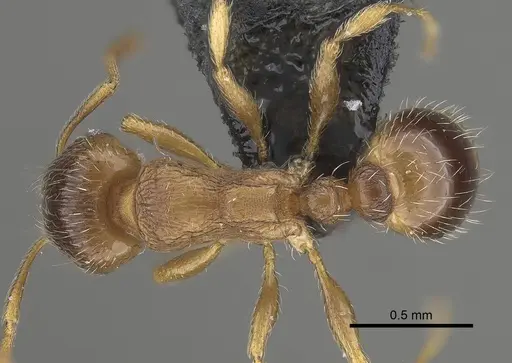
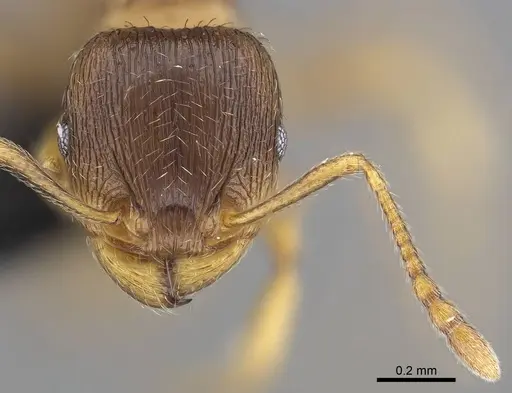
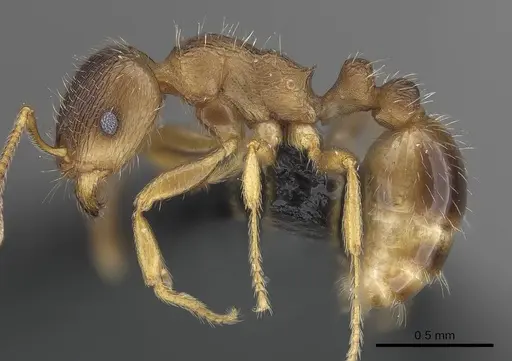
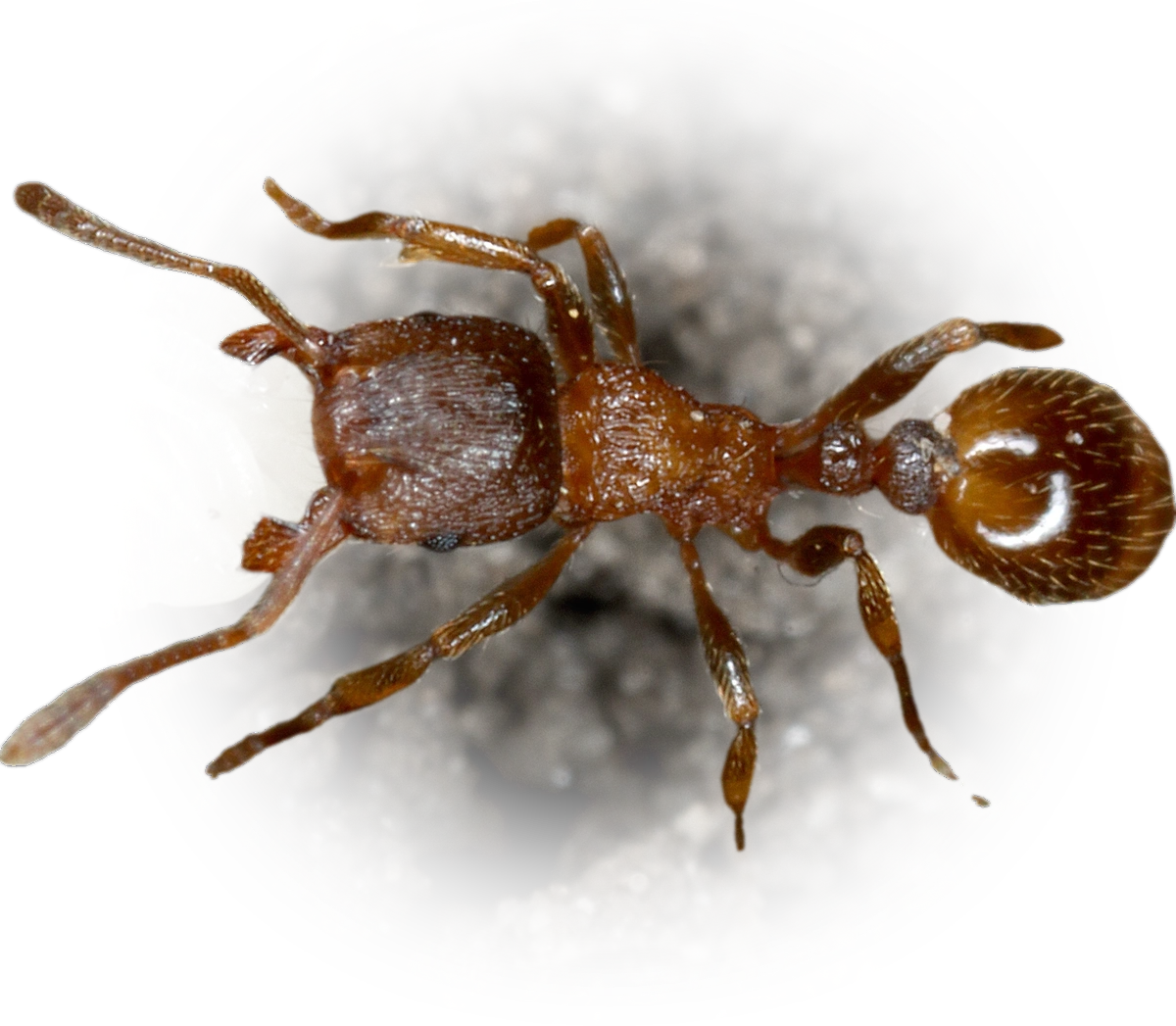
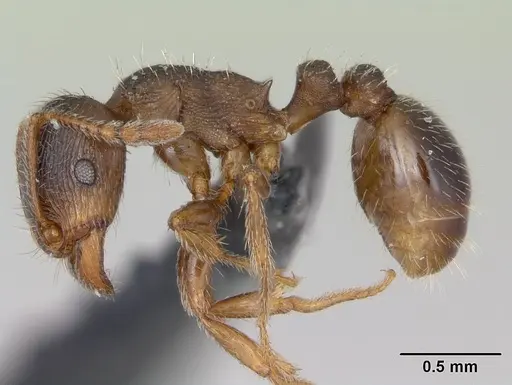
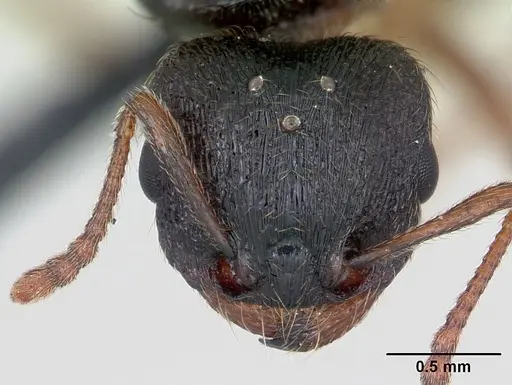
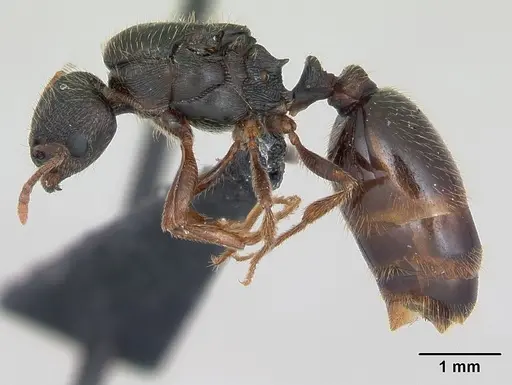
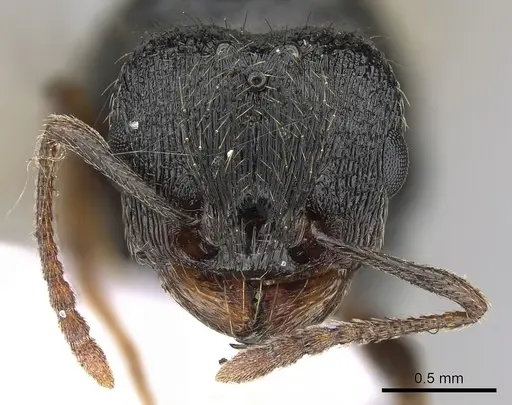
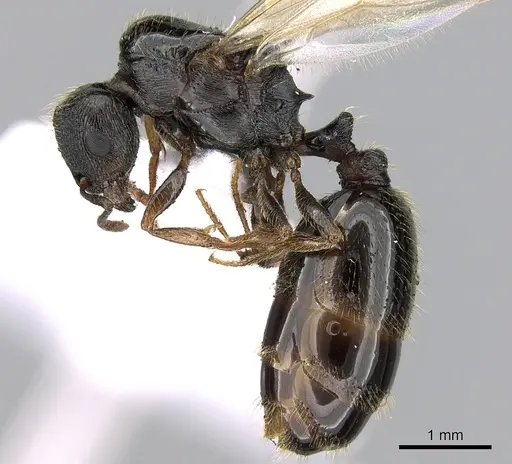
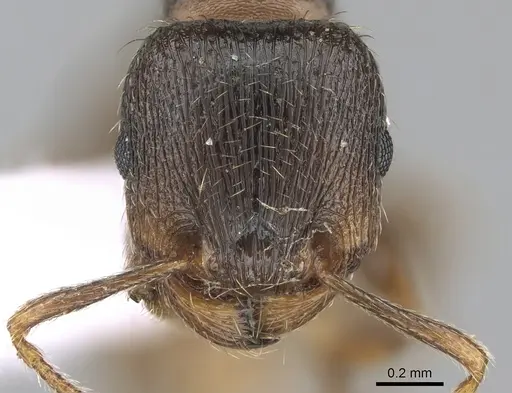
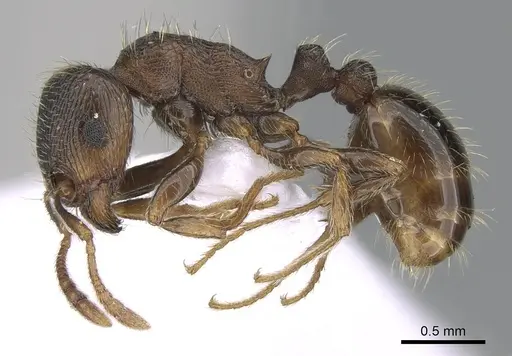
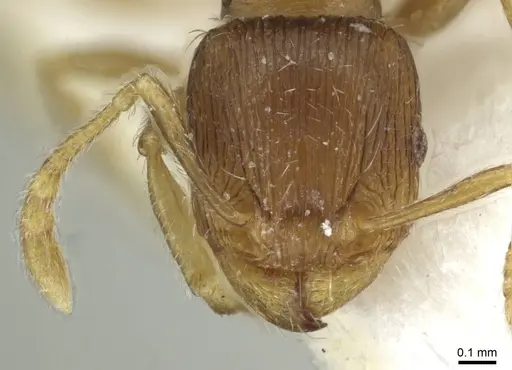
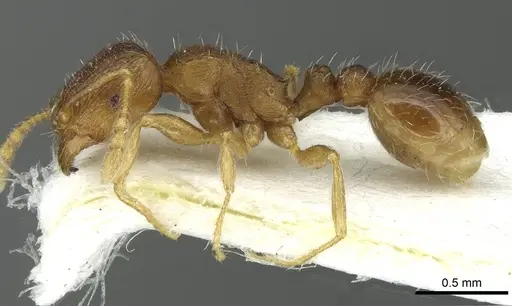
Tetramorium impurum is a medium-sized ant from the Tetramorium caespitum cryptic species complex, only recently separated from its lookalike Tetramorium caespitum [1]. Workers are 2-4 mm long and range from light brown to black, with eastern populations often showing a lighter mesosoma [1][2]. They have the smallest eyes of any species in the complex and strong sculpturing on the propodeum [1]. Native to Europe and Anatolia, they prefer cooler mountain habitats and replace Tetramorium caespitum at higher elevations [3][4]. They nest under stones or in small soil mounds in meadows, semi-dry grasslands, rocky pastures, and subalpine areas up to about 2000 m elevation [1]. This species is a host for several social parasites, including the workerless ant Tetramorium atratulum and various Strongylognathus species [1].
Quick Summary
- Difficulty: Expert
- Origin & Habitat: Native to the Palaearctic region: Central Europe, Balkans, Italy, Anatolia, and parts of Iberia and France. Eastern clade inhabits mountain areas and lowlands from the Balkans north to about 52°N, western clade lives in sandy coastal areas, riverbanks, and oak forests in Iberia and western France [1]. Prefers mountain and alpine pastures, nesting in ground under stones or in small soil mounds [5].
- Colony Type: Single queen (monogynous). Queens found claustrally, raising the first brood without foraging [1][6][7].
- Size & Growth:
- Queen: 5.5-8 mm [2]
- Worker: 2-4 mm, typically around 3 mm [2][8][9]
- Colony: Up to several thousand workers [9]
- Growth: Slow
- Development: 12-16 weeks (estimated), slow larval development with possible overwintering of last instar [7][10] (Strategy T species: restricted to warm nest sites to complete first worker batch before winter. Larval diapause occurs in the last stage [7].)
- Antkeeping:
- Temperature: Keep at 20-24°C. Less heat-tolerant than other pavement ants, wild populations occur at cooler average temperatures (site average ~14°C) [1]. Avoid above 30°C. Provide a gradient with a cooler area.
- Humidity: Moderate to low. They come from dry, open habitats and well-drained soils [6]. Let the nest substrate dry partially between waterings, aim for damp, not waterlogged.
- Diapause: Yes. Requires 3-4 months at 5-10°C during winter, mimicking mountain conditions. Last instar larvae can overwinter [7][10].
- Nesting: Simple test tube setup with a water-filled tube connected to a dry outworld. Placing a flat stone over the entrance mimics their natural nesting habit [1]. Plaster or Y-tong nests also work. Avoid acrylic nests.
- Behavior: Active ground foragers using group recruitment, workers lay a trail pheromone to lead nestmates to food [11]. Dominant in Mediterranean communities, defending food and territory [8][9]. They have a modified stinger used to smear venom (smear defense, typical of Crematogastrini). Not aggressive towards humans but will defend the nest. Escape risk is high due to small size, use fluon barriers.
- Common Issues: invasive species warning: Tetramorium impurum has established populations in the Nearctic region, do NOT keep in non-native countries unless extreme precautions are taken, never release, very slow growth, first workers can take 3-4 months or more, patience is essential, humidity management, too wet causes colony decline, keep drier than typical tropical species, identification confusion, workers are nearly identical to Tetramorium caespitum, reliable ID requires males or chemical analysis, social parasites, wild colonies may host Tetramorium atratulum or Strongylognathus spp., watch for unusual brood or queen behavior, temperature sensitivity, overheating (above 30°C) can be lethal, avoid direct sun or heat mats
Housing and Nest Setup
Tetramorium impurum does well in simple test tube setups. Provide a water-filled test tube as a humidity chamber connected to a dry outworld. In nature they nest under stones, so placing a small flat stone on the setup makes them feel secure [1]. They prefer compact spaces rather than large open chambers. Use a plaster or Y-tong nest kept slightly moist, but avoid wet conditions, this species comes from dry habitats [6]. Escape prevention is critical: workers are only about 3 mm and can squeeze through tiny gaps. Apply fluon or mineral oil to the outworld walls. Replace the test tube water every 2-3 weeks or when mold appears. A small piece of damp cotton in the tube provides moisture, do not soak.
Feeding and Diet
In the wild, Tetramorium impurum is a dominant scavenger, feeding mainly on nectar, honeydew, and insect corpses [8][9]. Foragers use group recruitment, a successful forager returns to the nest and leads others to the food by following a pheromone trail [11]. In captivity, provide a constant supply of sugar water (honey or sugar solution) and small protein insects 2-3 times a week: fruit flies, pinhead crickets, or mealworm pieces. They are not picky and will also accept dead insects. Remove uneaten prey after 24 hours to avoid mold. Watch how quickly they recruit, it's a sign of colony health.
Temperature and Seasonal Care
Keep colony temperatures between 20-24°C during the active season. This species is less thermophilic than other pavement ants, in the wild they occur at cooler average temperatures (~14°C) and are replaced by Tetramorium caespitum in warm lowlands [1][6]. Avoid temperatures above 30°C. The critical thermal maximum is about 42°C, but never expose them to that level [9]. They are most active in July in Mediterranean regions. In winter, they need a true hibernation period of 3-4 months at 5-10°C, mimicking the mountain environment [7][10]. Reduce feeding during hibernation, the colony will be mostly inactive. Do not skip diapause, it's essential for their seasonal rhythm.
Colony Development and Growth
Colony growth is slow. Queens are claustral, they seal themselves in a chamber and raise the first brood without foraging, living on stored fat [7][10]. This founding phase can take 12-16 weeks or longer to produce the first tiny workers (nanitics). The species belongs to Strategy T (temperature-limited): they need warm nest sites to complete development before winter, and the last larval stage can overwinter [7][10]. This slow development is an adaptation to mountain habitats. Once established, colonies grow steadily but not rapidly. Expect only a few hundred workers after the first year under good conditions. Colonies can eventually reach several thousand workers [9]. Be patient, slow growth is normal, not a sign of trouble.
Social Parasites and Wild Collection
Tetramorium impurum serves as host for several social parasites. The most notable is Tetramorium atratulum, a completely workerless parasitic ant that relies entirely on the host colony [1][12]. Various Strongylognathus species (slave-making ants) also parasitize this species [1]. If you collect a colony from the wild, watch for signs of parasitism: unusual numbers of small or deformed individuals, multiple queen types, or odd worker behavior. Parasitized colonies may grow poorly or collapse. If you suspect parasitism, isolate the colony and monitor. The small orthopteran Myrmecophilus acervorum is also sometimes found inside nests, harmless to the ants but indicates a wild-caught colony [13].
Identification and Similar Species
Tetramorium impurum is part of the Tetramorium caespitum cryptic species complex, several lookalike species that are genetically and chemically distinct [1]. Telling them apart by workers alone is extremely difficult. The most reliable identification uses male genitalia: males have an impurum-like form without a corner on the ventral paramere lobe, and paramere length exceeds 1 mm [1]. Chemically, Tetramorium impurum produces 4-methyl-3-hexanol and 4-methyl-3-hexanone in the mandibular glands, while Tetramorium caespitum produces 3-octanone [14]. If you caught a founding queen and want to confirm species, wait for males to develop or use chemical analysis. For most antkeepers, the care requirements of the two species are nearly identical, so precise ID is not essential for husbandry.
Frequently Asked Questions
How long does it take for Tetramorium impurum to produce first workers?
Expect 12-16 weeks from founding to first workers, sometimes longer. This species has slow larval development and the last larval stage can overwinter, extending the timeline [7][10]. Patience is key, slow growth is normal.
Do Tetramorium impurum ants need hibernation?
Yes, they require a winter dormancy of 3-4 months at 5-10°C. This mimics their mountain habitat and is essential for their life cycle. Skipping hibernation can disrupt development and harm the colony long-term [7].
What temperature is best for Tetramorium impurum?
Keep them at 20-24°C. They are less heat-tolerant than other pavement ants, naturally living at cooler average temperatures (~14°C) and replaced by Tetramorium caespitum in warmer areas [1]. Room temperature is usually ideal. Avoid above 30°C.
Can I keep multiple Tetramorium impurum queens together?
No, this species is monogynous, meaning one queen per colony [1][6]. Multiple unrelated queens will fight. If you catch several founding queens, house them separately.
How big do Tetramorium impurum colonies get?
Colonies can reach several thousand workers over several years [9]. Growth is slow, expect a few hundred workers after the first year if conditions are good, with larger colonies developing over 2-3 years.
What do Tetramorium impurum ants eat?
They eat nectar, honeydew, and insects. In captivity, offer sugar water or honey constantly and small insects (fruit flies, pinhead crickets, mealworms) 2-3 times a week [8][9]. They use group recruitment to find food [11].
Are Tetramorium impurum good for beginners?
Generally no, due to their invasive potential and slow growth. They require patience and proper hibernation. They are not aggressive and don't need exotic setups, but the slow development and strict diapause make them more suitable for keepers with some experience. Beginners should start with a non-invasive, faster-growing species.
Do Tetramorium impurum ants sting?
They can sting, but their sting is mild. As Myrmicinae, they have a functional stinger, but these ants are not particularly aggressive and rarely sting unless directly threatened. The sting is not medically significant for healthy humans.
How do I identify Tetramorium impurum?
Worker identification is extremely difficult, they look nearly identical to Tetramorium caespitum. The most reliable method is examining male genitalia (paramere lobe shape) or using chemical analysis [1][14]. If you caught a queen, wait for males to develop for confirmation. For practical purposes, care requirements are nearly identical to Tetramorium caespitum.
Why is my Tetramorium impurum colony growing slowly?
Slow growth is normal, this species has naturally slow larval development as an adaptation to mountain habitats [7][10]. They also have larval diapause where the last instar overwinters. As long as the queen is alive and conditions are appropriate, patience is key. Check that humidity isn't too high, they prefer drier conditions.
Report an Issue
The current care sheet is based fully on literature. See inconsistencies, or something that's incorrect? Please , it will be resolved after review from an admin. Contributing to the blogs tab also helps providing information, to make us be able to further improve the caresheets. Thank you for your support!
References

This caresheet is licensed under CC BY-SA 4.0 .
ANTWEB1008488
View on AntWeb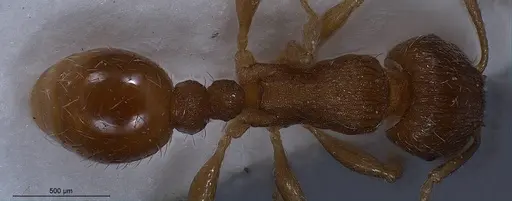
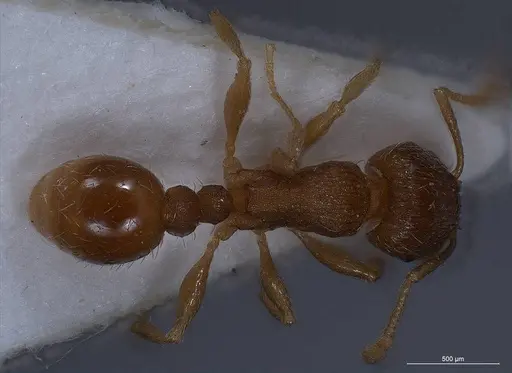
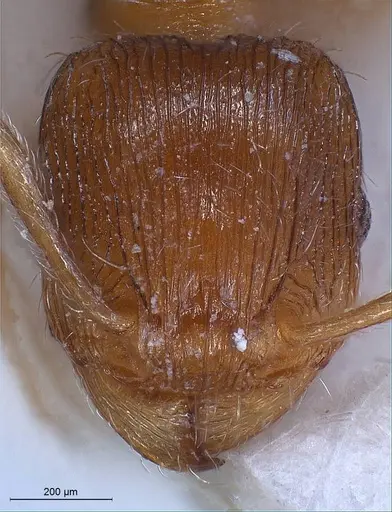
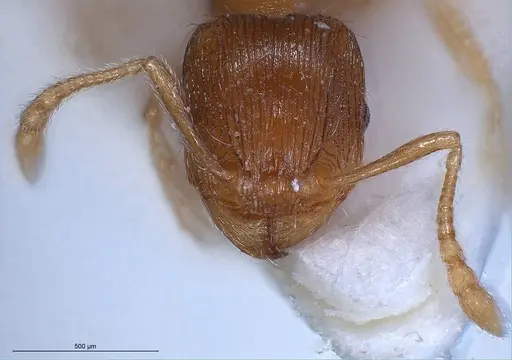
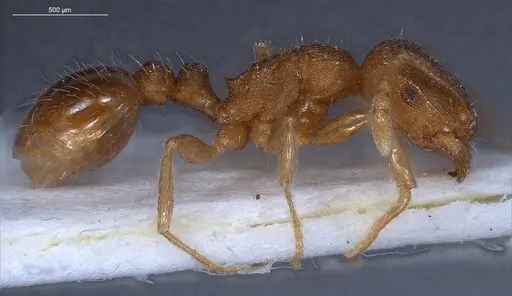
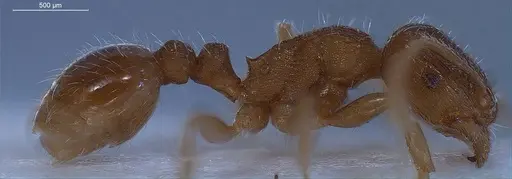
CASENT0173645
View on AntWeb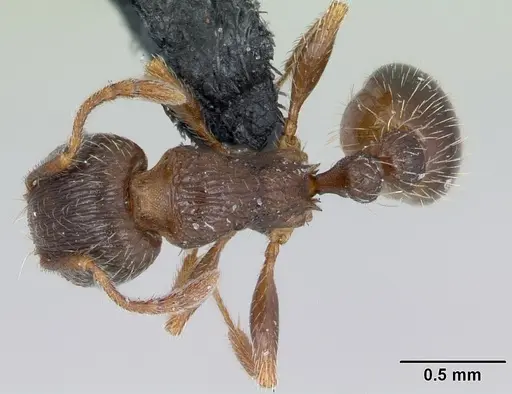
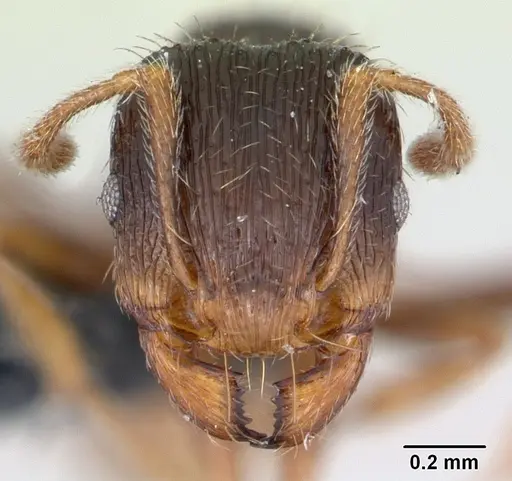
CASENT0173869
View on AntWeb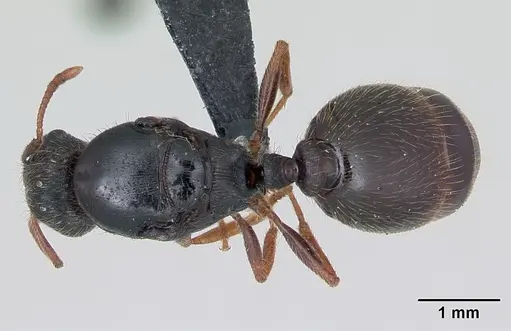
CASENT0281558
View on AntWeb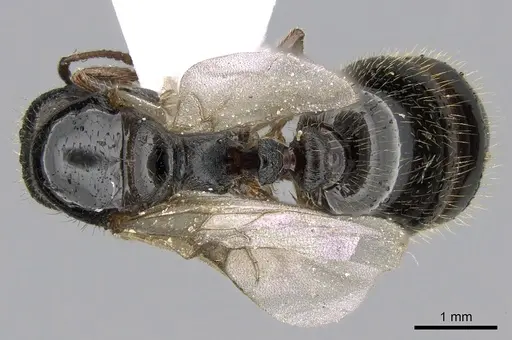
CASENT0281559
View on AntWeb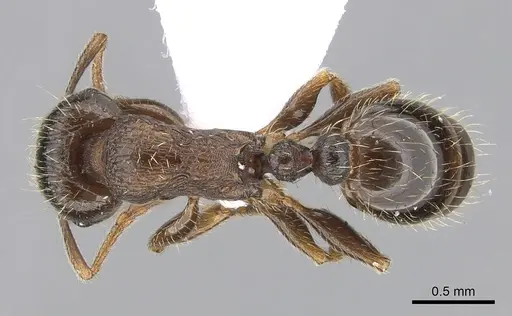
CASENT0915001
View on AntWeb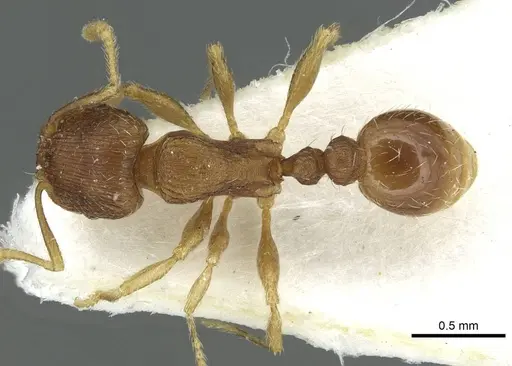
CASENT0919635
View on AntWeb