

Tetramorium humbloti
- Scientific Name
- Tetramorium humbloti
- Tribe
- Crematogastrini
- Subfamily
- Myrmicinae
- Author
- Forel, 1891
- Distribution
- Found in 9 countries
Tetramorium humbloti Overview
Tetramorium humbloti is an ant species of the genus Tetramorium. It is primarily documented in 9 countries , including Comoros, Madagascar, Mauritius. Detailed taxonomic data and occurrence records can be further explored via authoritative databases such as AntWeb or the Global Biodiversity Information Facility (GBIF).
Tetramorium humbloti
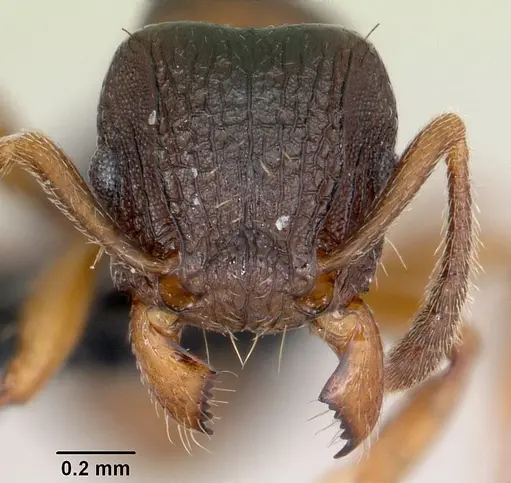
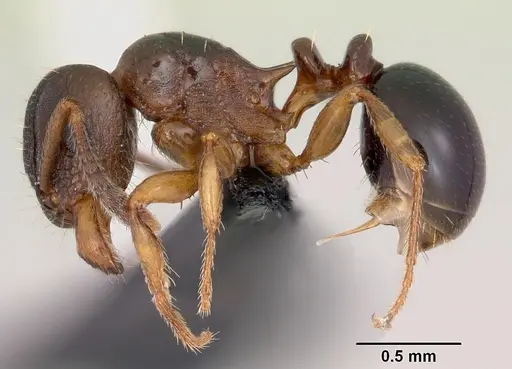
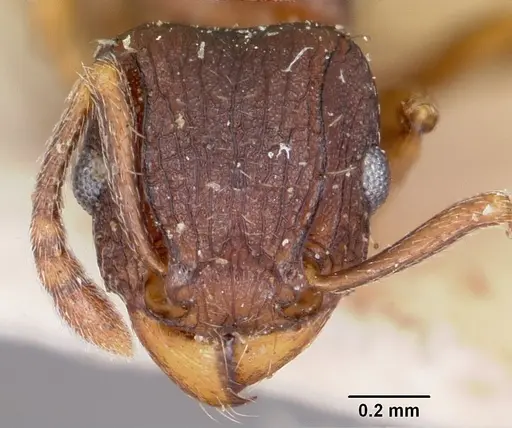
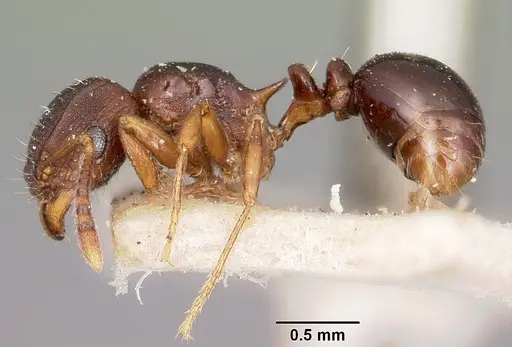
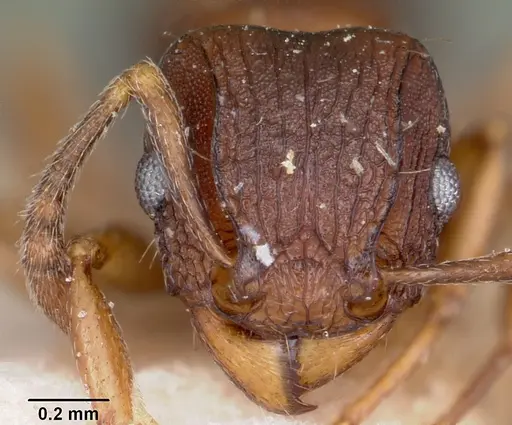
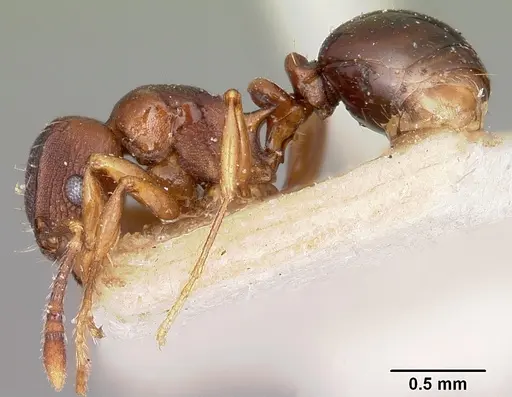
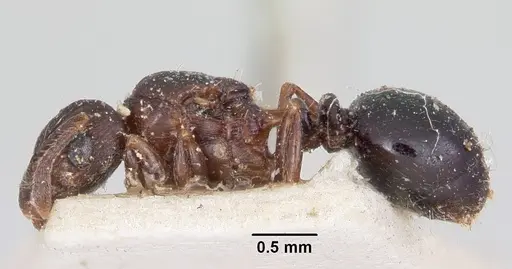
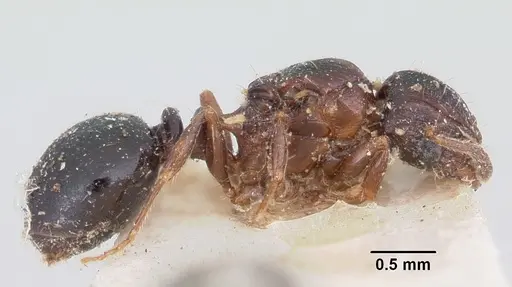
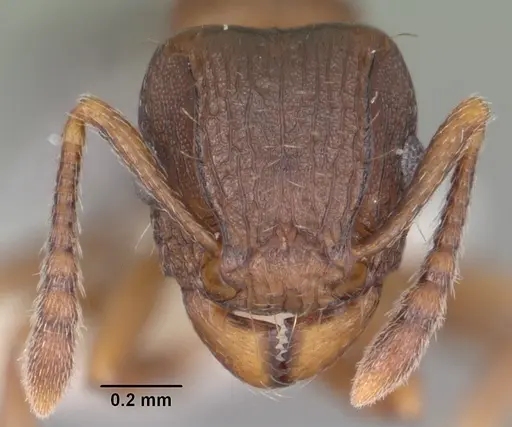
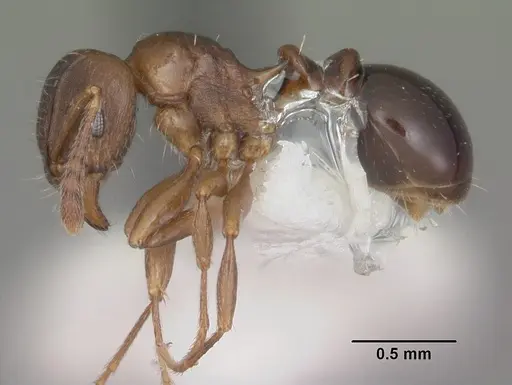
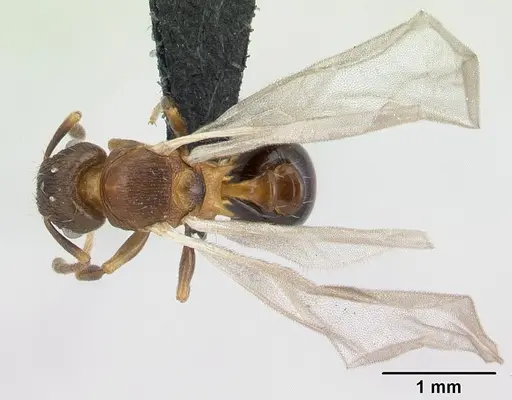
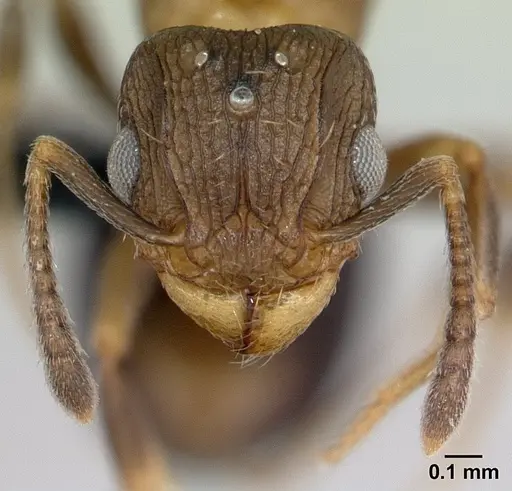
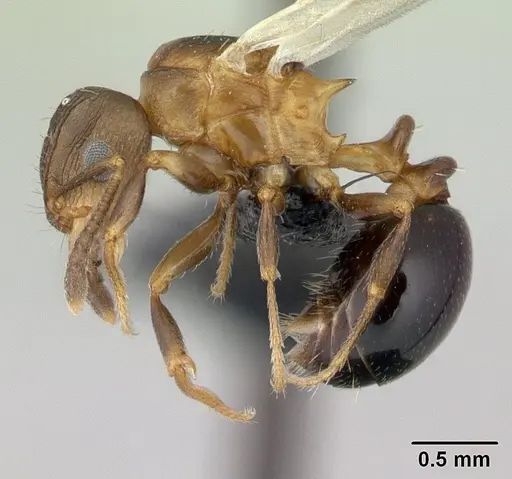
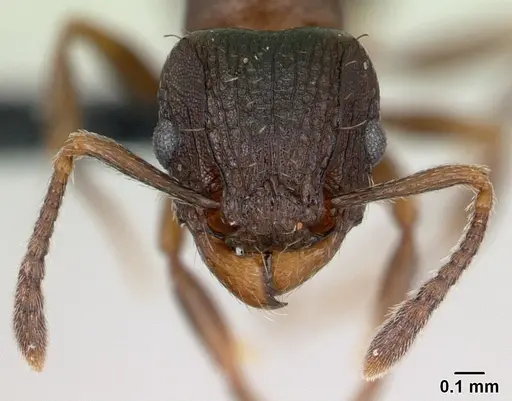
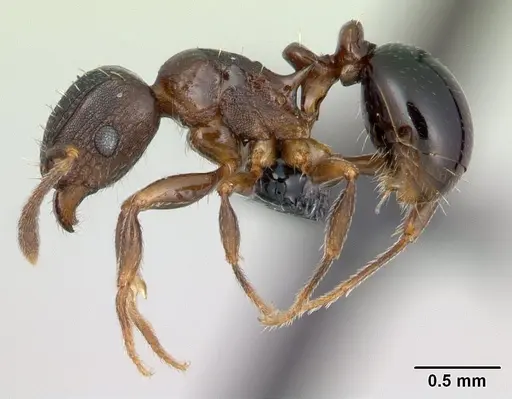
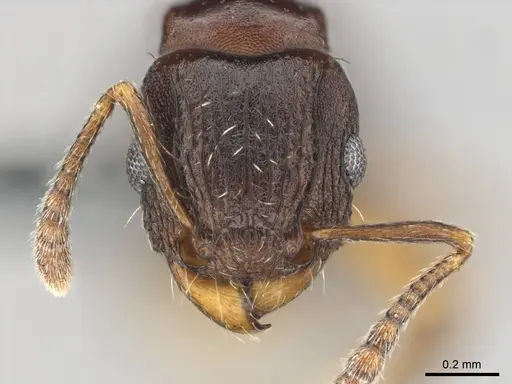
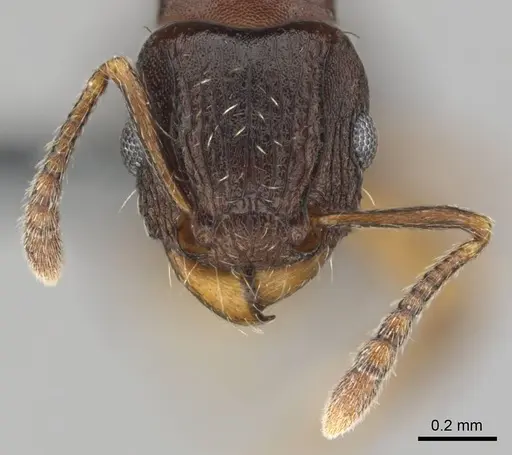
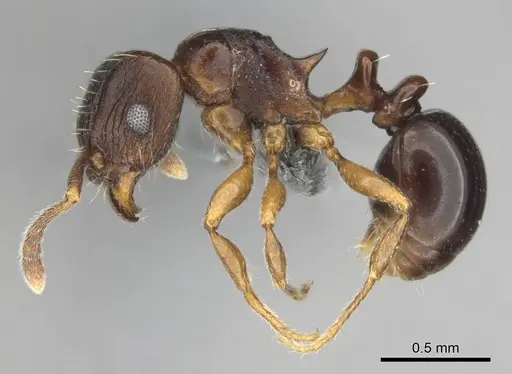
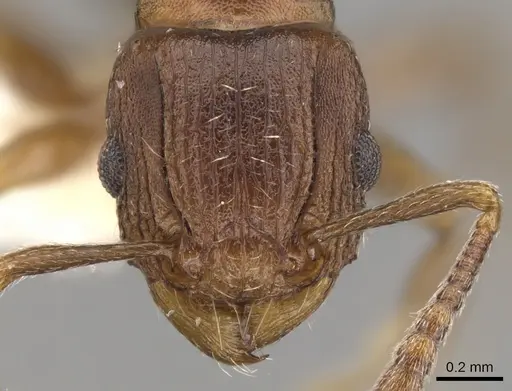
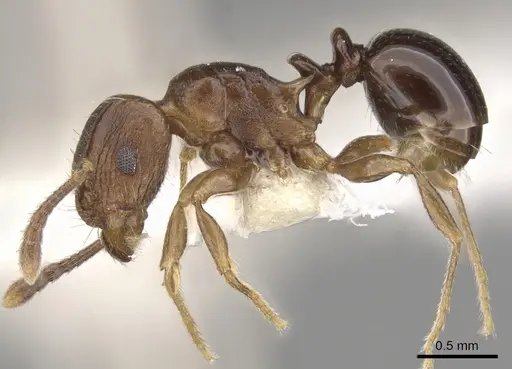
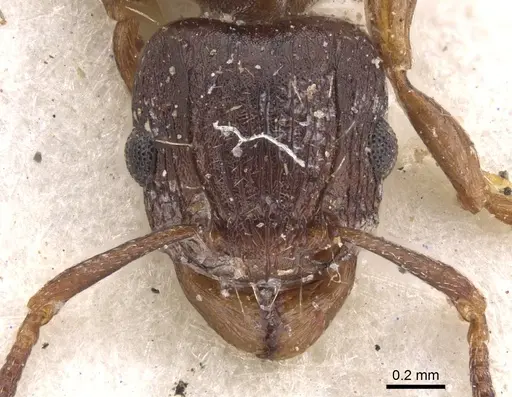
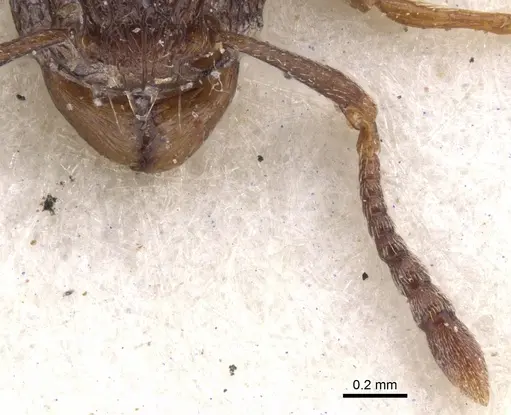
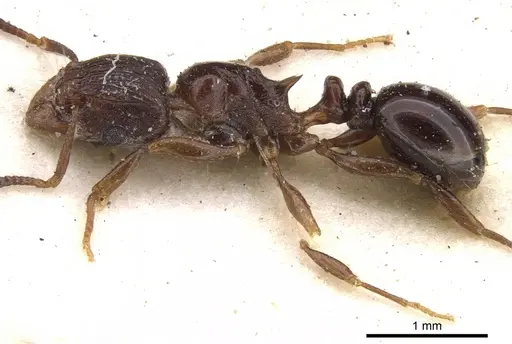
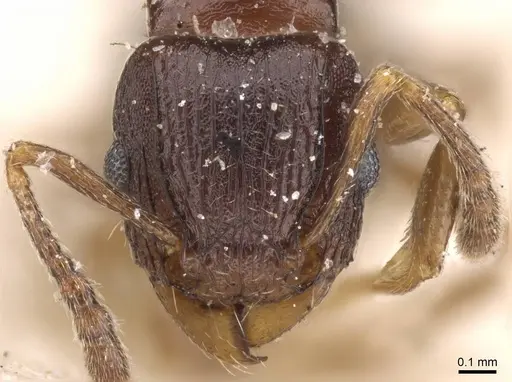
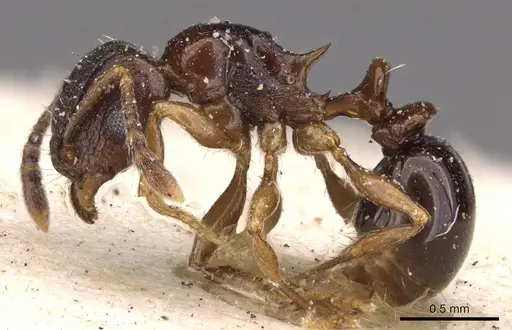
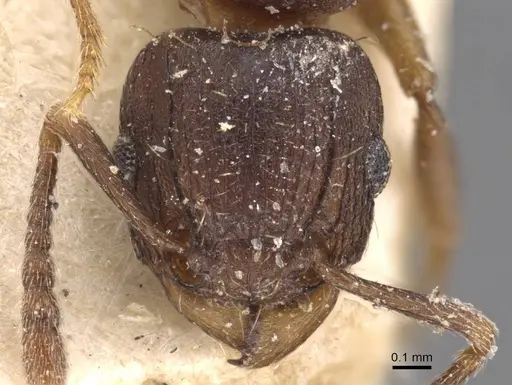
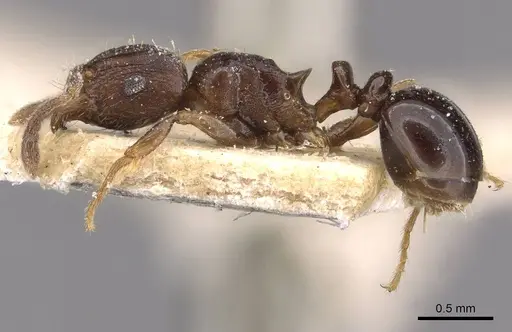
Tetramorium humbloti is a small, robust ant species measuring 3.4-4.1mm in total worker length [1]. Workers have a distinctive appearance with a dark brown to light reddish-brown coloration, often with a darker gaster [2]. The species is easily identified by its strongly squamiform (scale-like) petiole and postpetiole, which are highly compressed from front to back, and by the complete absence of standing hairs on the first gastral tergite [2][3]. The mesosoma is notably smooth and shiny, especially on the pronotum, with only weak or absent sculpturing [2][3]. This species belongs to the Tetramorium weitzeckeri species group and is unusual because it is the only member of its group found in the Malagasy region, having been introduced from mainland Africa [4][5].
Quick Summary
- Difficulty: Easy
- Origin & Habitat: Native to the African continent from South Africa to Tanzania, and introduced to the Malagasy region including Comoros, Mauritius, Mayotte, Nosy Be, and Madagascar [2][3]. In Africa, the species prefers open savannah, woodland, and natural open habitats. In Madagascar, it shows remarkable habitat flexibility, being found in rainforests, tropical dry forests, littoral rainforests, coastal dunes, coastal scrubs, woodlands, disturbed forests, and even coffee plantations and other human-modified areas [4].
- Colony Type: Colony structure is not well documented in scientific literature. Based on typical Tetramorium patterns, likely single-queen (monogyne) colonies, though this requires confirmation.
- Size & Growth:
- Queen: Unconfirmed, likely around 6-8mm based on genus patterns
- Worker: 3.4-4.1mm total length, head length 0.73-0.83mm, head width 0.71-0.82mm [1][2]
- Colony: Unknown, likely several hundred workers based on typical Tetramorium colony sizes
- Growth: Moderate, inferred from typical Tetramorium development patterns
- Development: Estimated 6-8 weeks at optimal temperature based on genus-level data for Tetramorium species (Development time is inferred from related species, specific timing for T. humbloti has not been directly studied)
- Antkeeping:
- Temperature: Keep at 22-26°C, these are warm-climate ants from tropical and subtropical regions. A slight gradient allowing cooler areas around 22°C and warmer spots up to 26°C is ideal [4].
- Humidity: Moderate to high humidity, they adapt to various conditions from dry forests to rainforests. Keep nest substrate moderately moist but not waterlogged, with some drier areas available [4].
- Diapause: Likely minimal or no true diapause, given their tropical/subtropical origin, they probably do not require hibernation. However, a slight cooling period during winter months may be beneficial.
- Nesting: In captivity, standard formicarium setups work well. They accept test tubes, Y-tong (AAC) nests, and plaster or acrylic nests. The species shows habitat flexibility, so provide a nest with both moist and relatively dry chambers.
- Behavior: Workers are active foragers that search for food both on the ground and possibly up vegetation. They are not particularly aggressive but will defend their nest. The species has long propodeal spines which may be used defensively. Workers are relatively fast-moving and good climbers, so escape prevention should be moderate, they are not tiny ants but standard Myrmicinae size. They likely have a functional stinger as members of Myrmicinae.
- Common Issues: colonies may fail if kept too cold, maintain warm temperatures year-round, wild-caught colonies may carry parasites that can devastate captive colonies, overfeeding can lead to mold problems in nest setups, queen loss during founding is common, ensure founding queens are undisturbed, habitat flexibility means they adapt well, but optimal conditions still need fine-tuning
Housing and Nest Setup
Tetramorium humbloti adapts well to various captive setups. Test tubes work well for founding colonies, use a standard test tube setup with a water reservoir and cotton plug, keeping the tube partially filled with water and providing a dark, quiet space for the queen [4]. Once the colony reaches 20-30 workers, you can transition to a formicarium. Y-tong (AAC) nests are excellent for this species as they provide appropriate chamber sizes and allow you to observe colony activity. Plaster nests or acrylic nests also work well. Because this species shows habitat flexibility in the wild, from rainforests to dry coastal areas, they are not demanding about humidity levels, but a gradient from moderately moist to slightly drier chambers gives them choices. Ensure the nest has proper ventilation to prevent mold while maintaining adequate humidity [4].
Feeding and Diet
Like most Tetramorium species, T. humbloti is likely omnivorous with a preference for protein. In captivity, offer protein sources such as small insects (fruit flies, small crickets, mealworms), and occasionally other arthropods. They likely also accept sugar sources, a small drop of sugar water or honey water can be offered, though acceptance may vary. Feed protein 2-3 times per week for growing colonies, and remove any uneaten prey after 24-48 hours to prevent mold. Sugar water should be available constantly for established colonies. Their natural habitat flexibility suggests they are adaptable feeders, but protein should form the primary diet component [4].
Temperature and Seasonal Care
Maintain warm temperatures for this species, aim for 22-26°C in the nest area. A heating cable or heating mat on one side of the nest can create a temperature gradient, allowing workers to self-regulate by moving between warmer and cooler areas. Avoid temperatures below 20°C for extended periods. Because they originate from tropical and subtropical regions (Africa and Madagascar), they do not require true hibernation. However, slight seasonal variations may occur naturally, some keepers report reduced activity during winter months even without cooling, which is normal. If you choose to provide a cooler period, reduce temperatures to around 18-20°C for 2-3 months rather than a true cold diapause. Keep them warm and stable the rest of the year for optimal brood development [4][3].
Behavior and Temperament
Workers are active and industrious, typical of Tetramorium ants. They are not overly aggressive but will readily defend their nest if threatened. The workers possess relatively long propodeal spines which may serve a defensive function. They are good climbers and foragers, searching actively for food resources. Workers likely communicate about food sources through chemical trails, a common behavior in the genus. The species shows remarkable adaptability in the wild, being found in both natural habitats and human-modified areas like coffee plantations, this suggests they are resilient and adaptable in captivity as well [4].
Colony Development
Colony growth is likely moderate, with founding queens raising their first brood alone. The first workers (nanitics) will typically be smaller than mature workers but will quickly be replaced by normal-sized workers as the colony grows. Based on typical Tetramorium patterns, expect the first workers to emerge 6-8 weeks after the queen lays eggs, though this timeline is estimated rather than directly observed for this species. Colonies likely reach several hundred workers over time, though exact maximum colony sizes are not documented. A healthy colony will show consistent brood development with eggs, larvae, and pupae present in various stages throughout the warm season.
Identification Tips
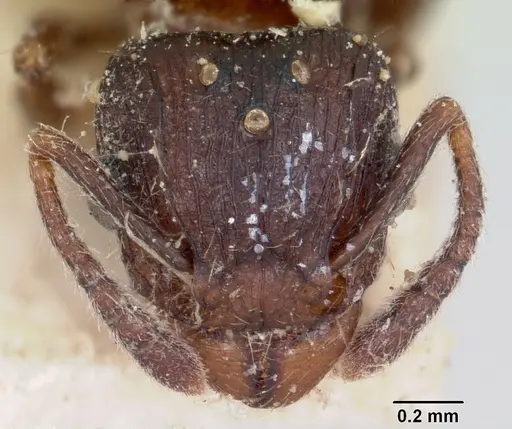
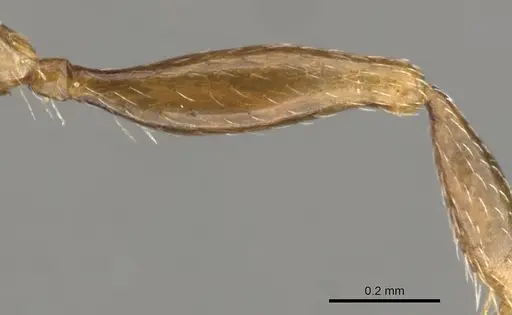
Tetramorium humbloti can be distinguished from other Tetramorium species by several key features: the propodeal spines are long and acute (PSLI 29-39), the mesosoma (especially the pronotum) is typically unsculptured and smooth and shiny, and the first gastral tergite completely lacks standing hairs [2][3]. The petiole and postpetiole are strongly squamiform (scale-like) and highly compressed from front to back, appearing about 3-4 times wider than long in dorsal view [2]. Workers measure 3.4-4.1mm total length with a head length of 0.73-0.83mm [1][2]. Coloration varies from light reddish brown to dark brown, often with a darker gaster [2]. These identification features are useful if you encounter similar-looking species and need to confirm you have T. humbloti.
Frequently Asked Questions
How long does it take for Tetramorium humbloti to raise first workers?
Based on typical Tetramorium development patterns, expect first workers approximately 6-8 weeks after the queen lays eggs at optimal temperature (22-26°C). This is an estimate rather than directly observed data for this specific species.
What temperature do Tetramorium humbloti ants need?
Keep them warm at 22-26°C. These are tropical/subtropical ants from Africa and Madagascar that prefer consistent warmth. A heating cable on one side of the nest creates a useful gradient.
Are Tetramorium humbloti ants good for beginners?
Yes, this species is considered easy to keep. They are adaptable to various habitats in the wild, which translates to forgiving care requirements in captivity. They are not aggressive and tolerate typical captive setups well.
Do Tetramorium humbloti ants sting?
As members of the Myrmicinae subfamily, they likely have a functional stinger. However, their sting is not considered medically significant for humans, it may cause mild irritation at most.
What do Tetramorium humbloti ants eat?
They are omnivorous with a protein preference. Feed small insects like fruit flies, small crickets, or mealworms 2-3 times per week. Sugar water or honey water can be offered as a supplemental energy source.
How big do Tetramorium humbloti colonies get?
Colony size is not well documented, but based on related Tetramorium species, colonies likely reach several hundred workers over time.
Do Tetramorium humbloti ants need hibernation?
Probably not, given their tropical and subtropical origin, they do not require true hibernation. A slight reduction in activity during winter months may occur naturally, but maintain temperatures above 18°C.
Can I keep multiple Tetramorium humbloti queens together?
Colony structure is not well documented for this species. Based on typical Tetramorium patterns, single-queen colonies are most common. Combining unrelated queens is not recommended without evidence they accept colony-founding associations.
What makes Tetramorium humbloti different from other Tetramorium?
It is the only species of the T. weitzeckeri species group found in the Malagasy region, having been introduced from Africa. Key identification features include the smooth, shiny mesosoma (especially the pronotum) and the complete absence of standing hairs on the first gastral tergite.
When should I move my Tetramorium humbloti colony to a formicarium?
You can keep them in a test tube setup for the founding stage. Once the colony reaches 20-30 workers and you see consistent brood development, a formicarium provides more space for growth. Y-tong nests work well for this species.
References

This caresheet is licensed under CC BY-SA 4.0 .
CASENT0059691
View on AntWeb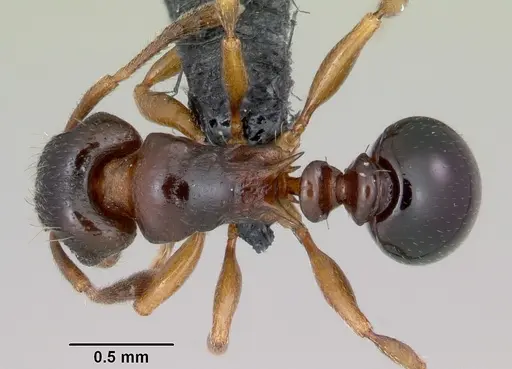
CASENT0101295
View on AntWeb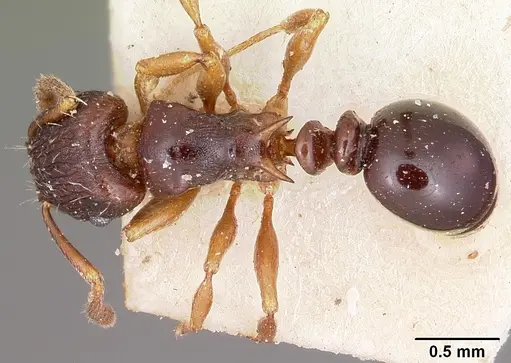
CASENT0101296
View on AntWeb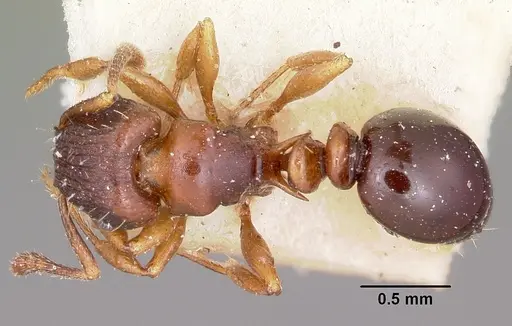
CASENT0101737
View on AntWeb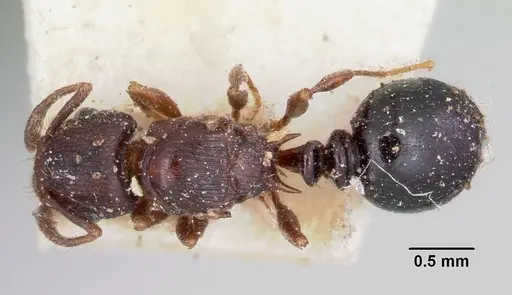
CASENT0102391
View on AntWeb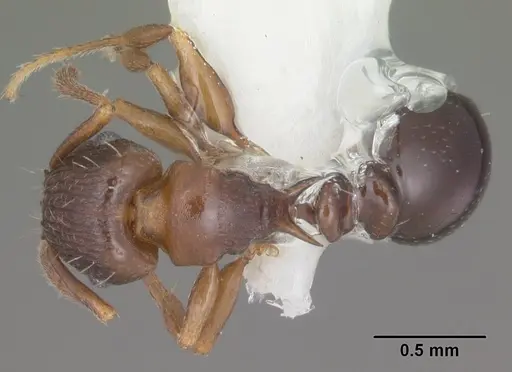
CASENT0132784
View on AntWeb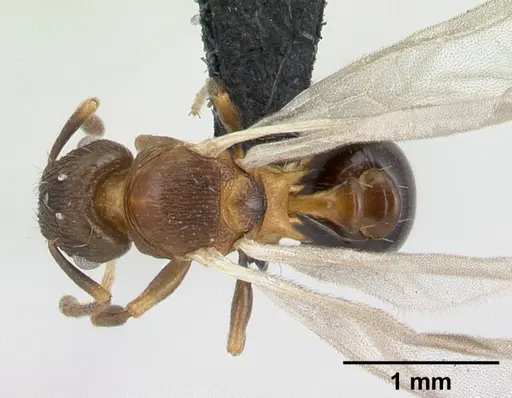
CASENT0134851
View on AntWeb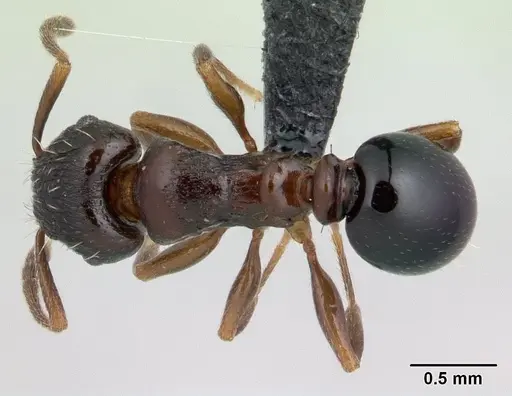
CASENT0250260
View on AntWeb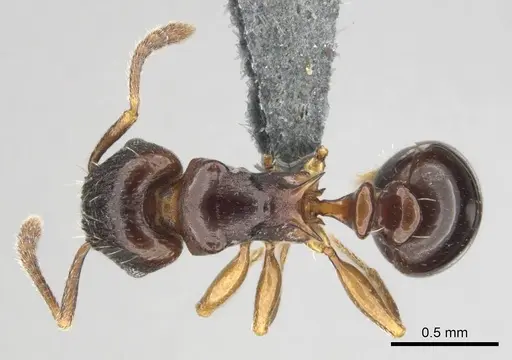
CASENT0900677
View on AntWeb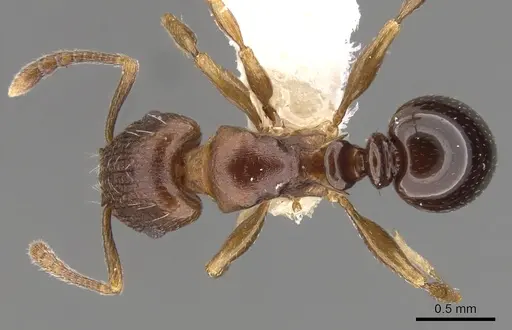
CASENT0901157
View on AntWeb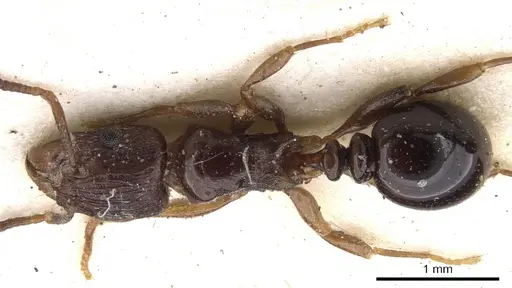
CASENT0909182
View on AntWeb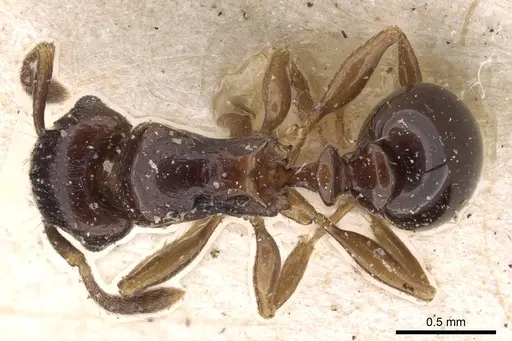
CASENT0909183
View on AntWeb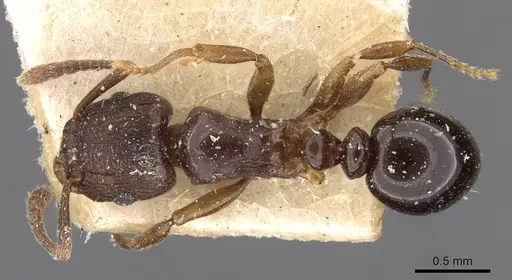
Literature
Loading...Loading products...