

Tetramorium guineense
- Scientific Name
- Tetramorium guineense
- Tribe
- Crematogastrini
- Subfamily
- Myrmicinae
- Author
- Bernard, 1953
- Common Name
- Ant
- Distribution
- Found in 12 countries
Tetramorium guineense Overview
Tetramorium guineense (commonly known as the Ant) is an ant species of the genus Tetramorium. It is primarily documented in 12 countries , including Congo, Democratic Republic of the, Central African Republic. Detailed taxonomic data and occurrence records can be further explored via authoritative databases such as AntWeb or the Global Biodiversity Information Facility (GBIF).
Tetramorium guineense - "Ant"
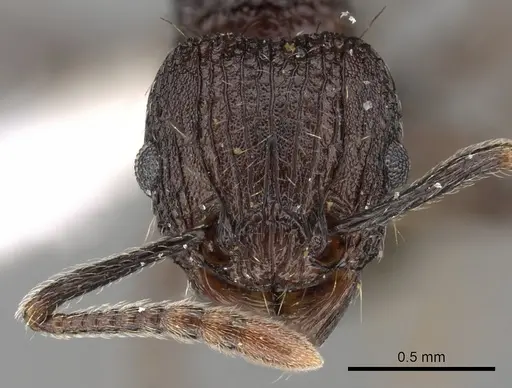
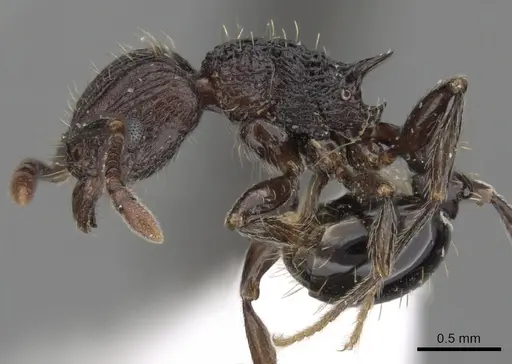
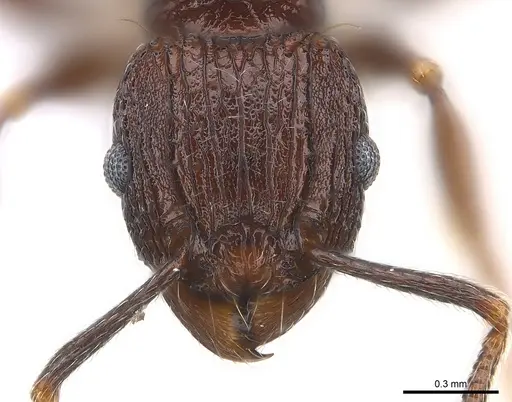
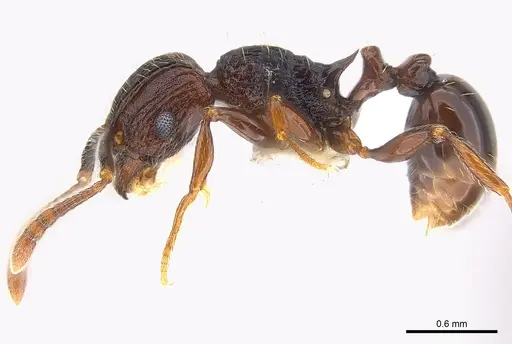
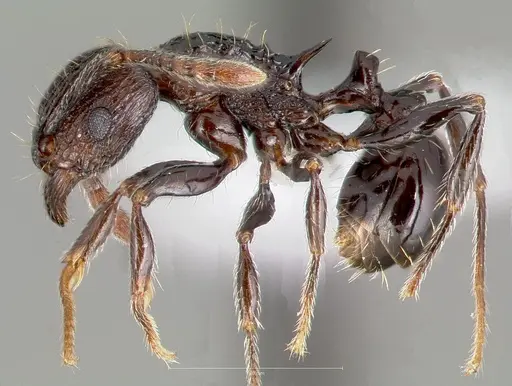
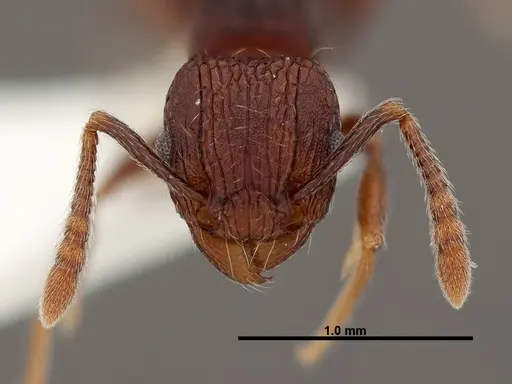
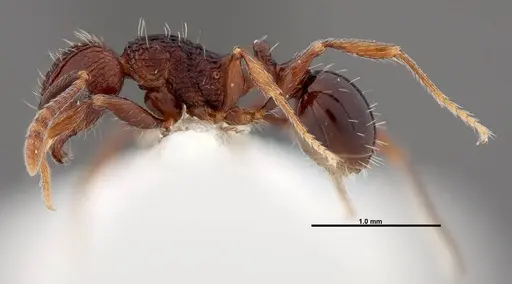
Tetramorium guineense is a small to medium-sized ant native to the rainforests of West and Central Africa. Workers measure 2.9-3.7mm and have a distinctive appearance with a dark glossy brown to reddish-brown body, often with a darker abdomen. The species is easily identified by the strong reticulate-punctate ground sculpturation on the head and the presence of standing hairs on the first gastral tergite [1]. These ants belong to the Tetramorium weitzeckeri species group and are very common and abundant throughout their native African range [1].
This species is predaceous, hunting small insects and arthropods in the leaf-litter layer. In their native habitat, they nest in rotten stumps or dead logs with adherent bark [2]. They have become widely distributed globally through human commerce and are now found in greenhouses, tropical areas, and islands across the Pacific, Caribbean, and even parts of Asia. Their ability to thrive in human-altered environments has made them a successful tramp species.
Quick Summary
- Difficulty: Easy
- Origin & Habitat: Native to West and Central African rainforests (Guinea, Ghana, Ivory Coast, Nigeria, Cameroon, Gabon, Democratic Republic of Congo). Also introduced to many tropical and subtropical regions worldwide including Hawaii, Caribbean, Pacific Islands, and southern United States [1][3]. In their native range, they inhabit rainforest environments and nest in rotting wood or dead logs with bark [2].
- Colony Type: Single-queen colonies (monogyne). Queens areclaustral, they seal themselves in a chamber and raise the first brood using stored fat reserves without leaving to forage.
- Size & Growth:
- Queen:{.size-link} Approximately 5-7mm (estimated based on worker size and genus patterns)
- Worker:{.size-link} 2.9-3.7mm [2]
- Colony: Likely several hundred workers based on similar Tetramorium species
- Growth: Moderate
- Development: 6-8 weeks (estimated based on typical Tetramorium development at warm temperatures) (Development time is temperature-dependent, warmer temperatures within the safe range accelerate development)
- Antkeeping:
- Temperature: Keep at 24-28°C. As a tropical species, they prefer warm conditions. A heating cable on one side of the nest creates a temperature gradient allowing workers to regulate their own exposure [2].
- Humidity: High humidity (70-80%). These rainforest ants need consistently moist substrate. Keep the nest material damp but not waterlogged. Mist occasionally or use a water reservoir connected to the nest.
- Diapause: No, this is a tropical species that does not require hibernation. Keep temperatures stable year-round.
- Nesting: They naturally nest in rotting wood, dead logs, and under bark. In captivity, they do well in Y-tong (AAC) nests, plaster nests, or naturalistic setups with rotting wood pieces. They also accept test tube setups if provided with a dark cover and high humidity.
- Behavior: These ants are predaceous, actively hunting small insects and arthropods in the leaf-litter layer [2]. Workers are moderately aggressive when defending the nest but not particularly territorial. They forage individually rather than in large raiding parties. They are small but active, with workers moving quickly when disturbed. Escape prevention is important, their small size means they can squeeze through small gaps, so use fine mesh barriers and tight-fitting lids.
- Common Issues: small size makes escape likely without fine mesh barriers, predaceous diet requires live prey, they may ignore dead food initially, colonies can become stressed if temperatures drop below 22°C, high humidity requirements can lead to mold if ventilation is poor, wild-caught colonies may carry parasites that can decimate the colony
Housing and Nest Setup
Tetramorium guineense does well in a variety of nest types. Y-tong (AAC) nests work excellently because they provide the dark, humid environment these ants prefer. Plaster nests are also suitable, you can keep them consistently moist to match their rainforest origins. naturalistic setups with rotting wood pieces mimic their natural nesting preferences. If using test tubes, provide a second tube connected as a water reservoir and cover both with a dark sleeve to reduce light stress.
The outworld should be simple, these ants are not large or particularly messy. A small plastic container or glass jar works as a foraging area. Because they are predaceous, you'll want easy access to place live prey. Escape prevention is critical due to their small size, use fluon on the rim of the outworld and ensure all connections between tubes are secure. Fine mesh over any ventilation holes is essential. [2][1]
Feeding and Diet
As predaceous ants, Tetramorium guineense primarily hunts small insects and arthropods. In captivity, they readily accept live prey such as fruit flies, small crickets, mealworms, and other small insects. They will also accept protein-based dead foods if moved with forceps, but live prey triggers their natural hunting behavior more effectively.
Beyond protein, they can accept sugar sources. While not as carbohydrate-focused as some ants, they will take sugar water, honey, or diluted honey water. In the wild, they have been observed feeding on fruit (including papaya) and attracted to flowers [4]. Offer sugar water once or twice a week alongside their protein meals.
Feed them small prey items 2-3 times per week. The amount depends on colony size, start with one or two small insects and adjust based on how quickly they consume them. Remove any uneaten prey after 24 hours to prevent mold issues.
Temperature and Seasonal Care
These are tropical ants that need warm temperatures to thrive. Keep the nest area at 24-28°C. Temperatures below 22°C can slow their metabolism and reduce feeding activity, while temperatures above 32°C may stress the colony. A small heating cable placed on one side of the nest creates a gradient that allows workers to move to warmer or cooler areas as needed.
Unlike temperate species, Tetramorium guineense does not require hibernation or diapause. Maintain consistent temperatures year-round. Avoid placing the nest near air conditioning vents, drafty windows, or other sources of temperature fluctuation. If your room temperature is within their preferred range, no additional heating may be needed.
Monitor colony behavior as a guide, if workers are active and foraging, temperatures are likely appropriate. If they cluster in the coolest part of the nest or become sluggish, consider raising the temperature slightly. [2]
Humidity Management
As rainforest ants from Central and West Africa, Tetramorium guineense requires high humidity. Aim for 70-80% relative humidity in the nest area. The substrate or nest material should feel consistently damp but never waterlogged. Standing water in the nest can drown brood and kill the colony.
In test tube setups, use a water reservoir tube connected to the nest tube via a cotton bridge. This allows gradual moisture transfer. Check the setup every few days, if condensation disappears quickly or the cotton looks dry, add more water. In Y-tong or plaster nests, you can mist the nest area directly or pour water into water reservoirs built into the nest.
Good ventilation is important to prevent mold while maintaining humidity. Small ventilation holes covered with fine mesh work well. If you notice mold growing on the substrate, improve ventilation and reduce moisture temporarily until the mold is removed. [1][2]
Colony Founding and Early Development
Newly mated queens of Tetramorium guineense are claustral, they seal themselves in a small chamber and raise their first brood without leaving to forage. The queen uses stored fat reserves to produce eggs and feed the developing larvae. This founding chamber is typically in soil, rotting wood, or under bark.
During founding, the queen lays a cluster of eggs that develop into larvae, then pupae, and finally emerge as nanitic (first) workers. These initial workers are often smaller than mature workers but immediately begin helping the colony. The queen stops foraging and now receives food from workers who go out to hunt.
For captive colonies, provide the founding queen with a small container of moist substrate (like a test tube with cotton and water) and leave her completely undisturbed. Do not feed the founding queen, she does not leave the chamber to eat. Once the first workers emerge (typically 6-8 weeks after founding), you can begin offering small prey items near the nest entrance. [2]
Behavior and Temperament
Tetramorium guineense workers are active and predaceous, hunting individually through the leaf-litter in search of small arthropods. They are not particularly aggressive toward humans but will defend their nest vigorously if threatened. When disturbed, they may rush out in defensive groups.
These ants use chemical communication like most ants, and their mandibular gland secretions contain 3-octanone as the major component [5]. They lay odor trails to guide nestmates to food sources, though their trail pheromones are species-specific [6].
In the colony, workers take on different roles: some forage for food, some care for brood, and some defend the nest. This division of labor becomes more pronounced as the colony grows. Workers have a relatively short lifespan of several months, with the colony continuously replacing workers as they die off.
Frequently Asked Questions
Can I keep Tetramorium guineense in a test tube?
Yes, test tubes work well for founding colonies and small established colonies. Use a test tube with a water reservoir (cotton at one end, water filling the rest) and connect a second tube as a dry foraging area. Cover the tubes with a dark sleeve to reduce stress. Keep humidity high and temperatures warm (24-28°C). As the colony grows to several hundred workers, consider moving to a larger nest like a Y-tong or plaster formicarium.
How long does it take for Tetramorium guineense to produce first workers?
From egg to first worker (nanitics), expect approximately 6-8 weeks at optimal temperatures of 24-28°C. This timeline is typical for Tetramorium species and may vary slightly based on temperature and feeding. The queen seals herself in during founding and raises the first brood alone. Once workers emerge, the colony enters a growth phase with each subsequent brood developing faster.
Do Tetramorium guineense ants sting?
Tetramorium guineense belongs to the subfamily Myrmicinae, which includes many species with functional stingers. These ants can sting if handled roughly or if they feel their colony is threatened. The sting is mild for most people, similar to a minor bee sting, but individual reactions vary. For antkeeping purposes, they are not considered dangerous, simply use gentle handling and avoid provoking them.
What do Tetramorium guineense eat?
They are predaceous ants that primarily eat small insects and arthropods. Offer live prey such as fruit flies, small crickets, mealworms, or other tiny insects 2-3 times per week. They will also accept sugar sources like sugar water or honey occasionally. Some keepers report them eating ripe fruit. Unlike some ants, they are not primarily sugar-focused, so protein-rich prey should make up the bulk of their diet.
Are Tetramorium guineense good for beginners?
Yes, they are considered a good species for beginners. They are relatively hardy, adapt well to captivity, and have straightforward care requirements. They don't require hibernation, which simplifies seasonal care. The main challenges are providing a proper predaceous diet and maintaining high humidity. Their small size means escape prevention requires attention, but this is manageable with proper setup.
How big do Tetramorium guineense colonies get?
Based on similar Tetramorium species, colonies likely reach several hundred workers at maturity. They are not among the largest ant species, but a healthy colony should reach 300-500+ workers over 1-2 years. Colony growth rate is moderate, it takes time for the queen to ramp up egg production and for workers to develop.
Do Tetramorium guineense need hibernation?
No, they do not require hibernation. As a tropical species native to African rainforests, they prefer consistent warm temperatures year-round. Keep them at 24-28°C continuously. Dropping temperatures below 20°C for extended periods can stress or kill the colony. If your room is naturally cooler in winter, use a small heater or heating cable to maintain appropriate temperatures.
Why are my Tetramorium guineense dying?
Common causes include: temperatures below 22°C (they are tropical and need warmth), low humidity causing desiccation, mold from poor ventilation, stress from too much light or disturbance, lack of proper protein prey, or parasites from wild-caught colonies. Check each of these factors systematically. Also ensure escape prevention is working, stressed ants that escape are rarely found. If the colony was wild-caught, parasites are a common issue that often kills captive colonies.
When should I move my colony to a formicarium?
Move to a larger nest when the test tube or founding setup becomes crowded, typically when the colony reaches 50-100 workers. Signs include workers constantly clustering on the cotton barrier, frequent escape attempts, or the water reservoir running dry too quickly. A Y-tong or plaster nest provides more space and better humidity control for growing colonies. Make the transition gradually by placing the old nest near the new one and allowing workers to explore.
Can I keep multiple Tetramorium guineense queens together?
No, this is a monogyne (single-queen) species. Unlike some Tetramorium species that can form multi-queen colonies, Tetramorium guineense colonies typically have only one reproductive queen. Introducing additional queens will likely result in fighting and death of all but one queen. If you have multiple founding queens, house them separately.
Report an Issue
The current care sheet is based fully on literature. See inconsistencies, or something that's incorrect? Please , it will be resolved after review from an admin. Contributing to the blogs tab also helps providing information, to make us be able to further improve the caresheets. Thank you for your support!
References

This caresheet is licensed under CC BY-SA 4.0 .
CASENT0101479
View on AntWeb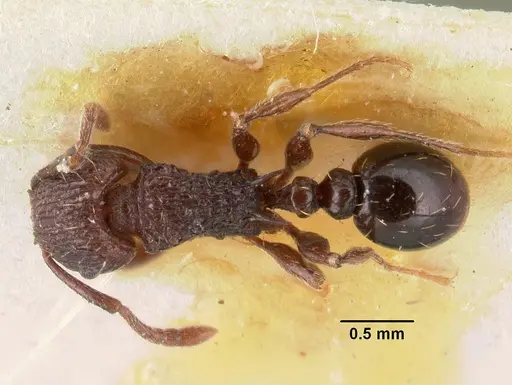
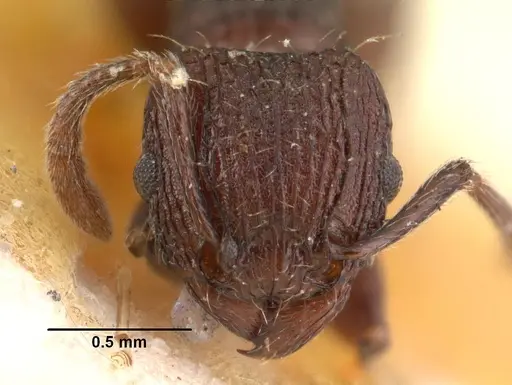
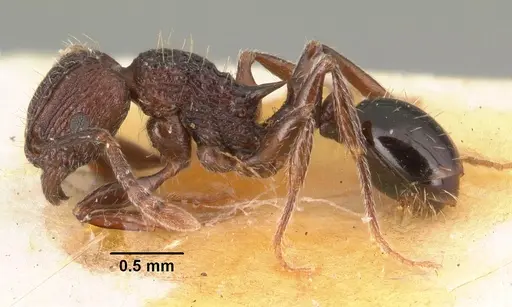
CASENT0175470
View on AntWeb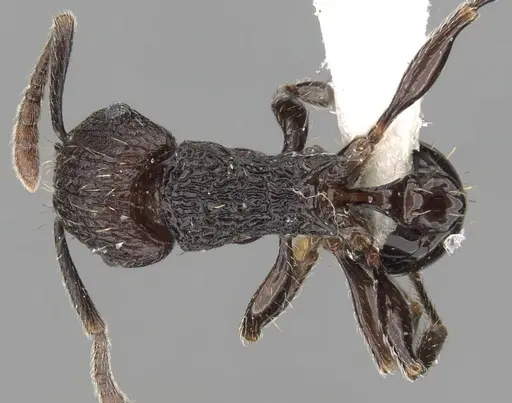
CASENT0217061
View on AntWeb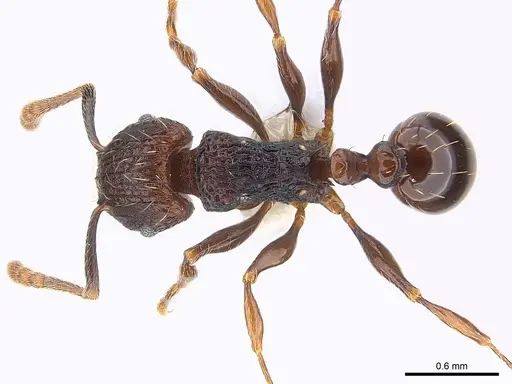
CASENT0405831
View on AntWeb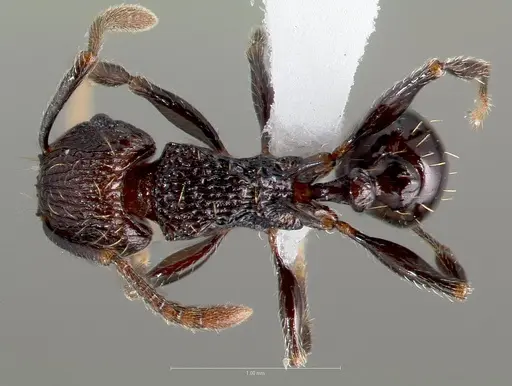
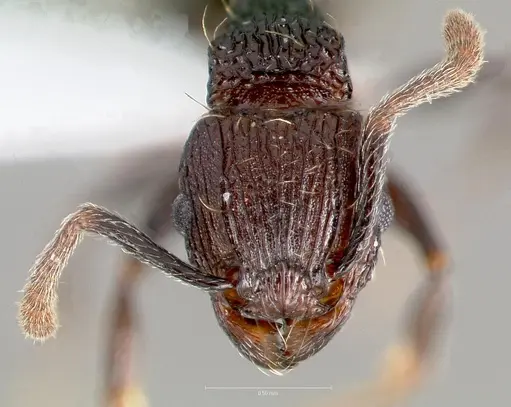
FMNHINS0000047319
View on AntWeb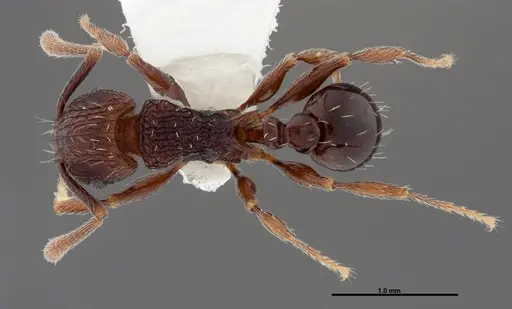
Literature
Loading...Loading products...