

Tetramorium grandinode
- Scientific Name
- Tetramorium grandinode
- Tribe
- Crematogastrini
- Subfamily
- Myrmicinae
- Author
- Santschi, 1913
- Distribution
- Found in 2 countries
Tetramorium grandinode Overview
Tetramorium grandinode is an ant species of the genus Tetramorium. It is primarily documented in 2 countries , including Namibia, South Africa. Detailed taxonomic data and occurrence records can be further explored via authoritative databases such as AntWeb or the Global Biodiversity Information Facility (GBIF).
Tetramorium grandinode
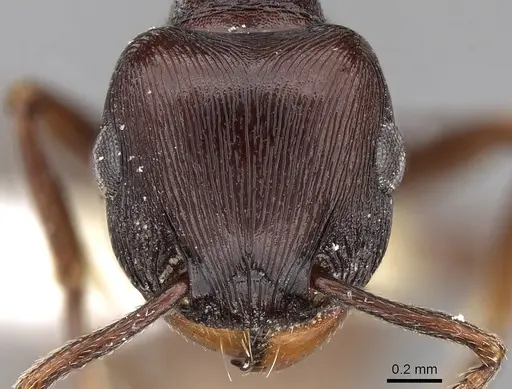
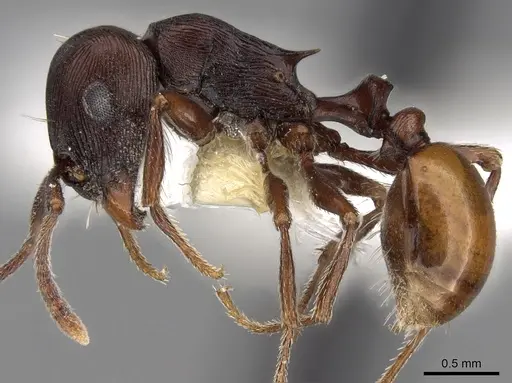
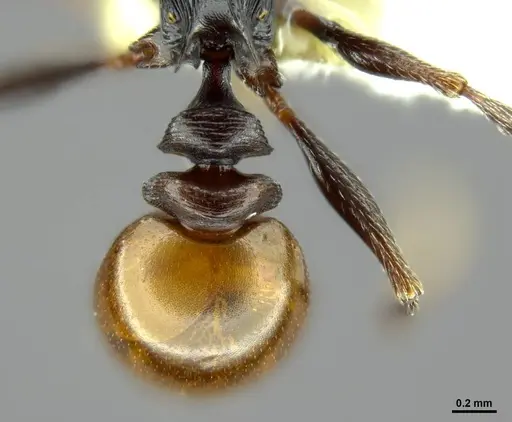
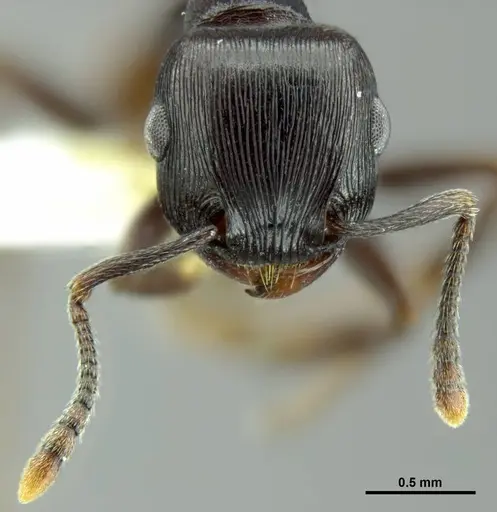
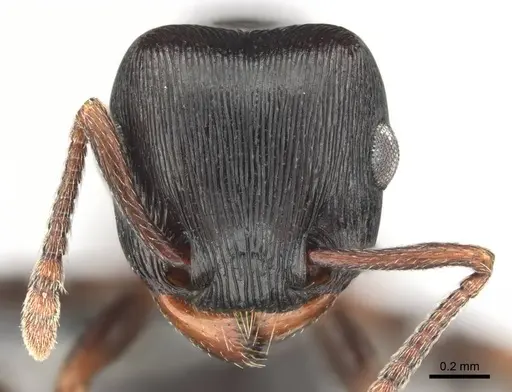
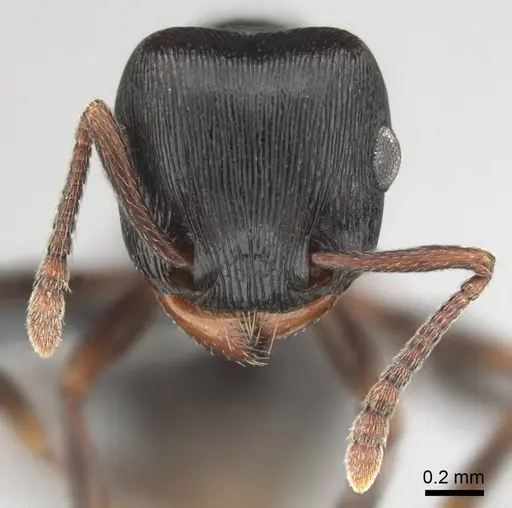
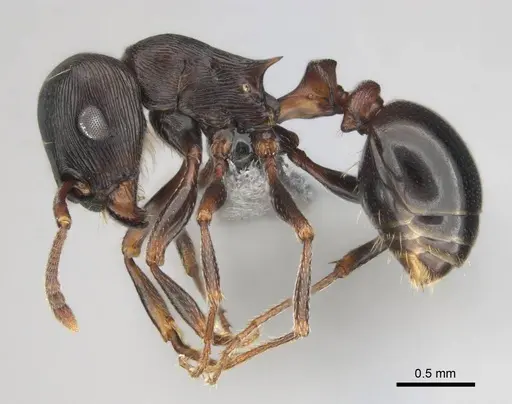
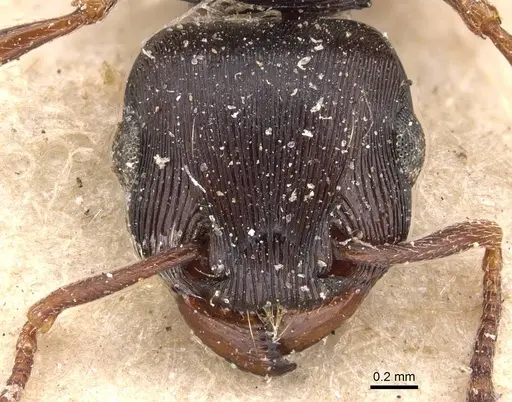
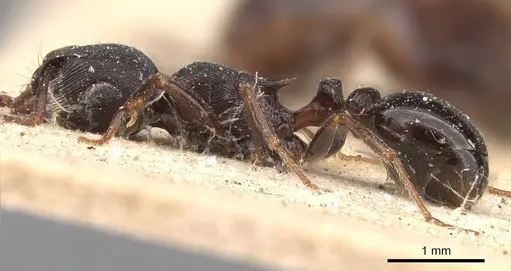
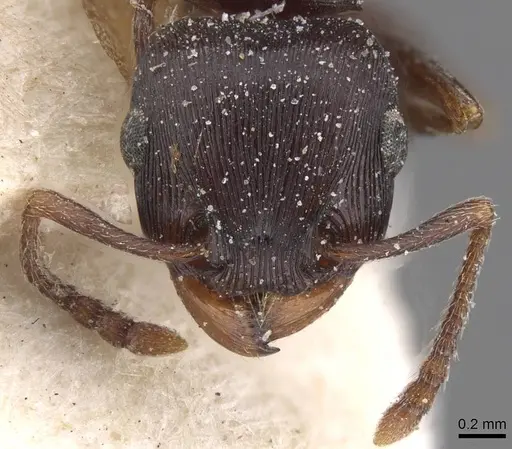
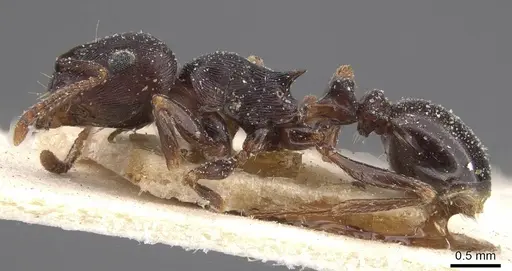
Tetramorium grandinode is a medium-sized seed harvester ant native to the arid regions of southern Africa, specifically found in South Africa's Northern Cape and Western Cape provinces, as well as Namibia [1][2]. Workers measure 5.0-5.3mm and are characterized by their remarkably broad petiole and postpetiole nodes, these lateral extensions are so pronounced that they serve as the primary identification feature distinguishing this species from all others in the Tetramorium solidum group [1][3]. The dorsal surface of the mesosoma has fine longitudinal rugulae giving a glossy appearance between the ridges, and the overall coloration ranges from deep reddish brown to blackish brown [1]. What makes this species particularly interesting is its specialized adaptation to harsh desert and semi-desert environments, it's a seed harvester that forages for seeds and stores them as food, a behavior that allows it to thrive in regions where other food sources may be scarce for extended periods [1][2].
Quick Summary
- Difficulty: Medium
- Origin & Habitat: Native to the Kalahari Xeric Savanna, Nama Karoo, Succulent Karoo, Namibian Savanna Woodlands, and Namib Desert in South Africa and Namibia [1]. They nest in deep soil on flood plains and have been collected from riverine fringe habitats with sparse vegetation [1][2].
- Colony Type: Single-queen colonies (monogyne), typical for the Tetramorium solidum group [1]. Queens are claustral, sealing themselves in during founding.
- Colony: Monogyne
- Founding: Claustral
- Size & Growth:
- Queen: Unconfirmed specific measurements, estimated 7-9mm based on genus patterns
- Worker: 5.0-5.3mm [1][2]
- Colony: Colony size data is limited, related species in the solidum group typically reach several hundred workers
- Growth: Moderate, seed harvesters tend to grow at moderate rates compared to purely predatory species
- Development: Estimated 6-10 weeks at optimal temperature based on related Tetramorium species [1] (Development time is estimated from genus-level data since species-specific studies are not available)
- Antkeeping:
- Temperature: Keep at 22-26°C, they originate from warm arid regions and prefer temperatures on the warmer side. A heating cable on one side of the nest can create a gradient [1].
- Humidity: Low to moderate, these are desert-adapted ants. Keep the nest substrate dry to slightly moist but never wet. Allow areas to dry out completely between waterings [1].
- Diapause: Yes, they experience seasonal slowdown in winter. Reduce temperature to 15-18°C for 2-3 months during winter months, mimicking their natural habitat conditions in the Southern Hemisphere [1].
- Nesting: They naturally nest in deep soil on flood plains. In captivity, a naturalistic setup with sandy soil or a Y-tong/plaster nest works well. They prefer compact, dark nesting areas that mimic their underground chambers [1][2].
- Behavior: Seed harvester ants, they collect seeds and store them in the nest as their primary food source. They are moderately active foragers and will readily scavenge for seeds, sugar baits, and protein sources. Workers are not particularly aggressive but will defend their nest and food resources. Their small size (5mm) means they can escape through small gaps, use fine mesh barriers and tight-fitting lids [1][2].
- Common Issues: escape prevention is critical due to their small 5mm size, they squeeze through tiny gaps, overwatering can be fatal, these desert ants are adapted to dry conditions and suffer in damp nests, seed storage requires proper ventilation to prevent mold in the nest, slow founding phase, claustral queens seal themselves in and may take months before first workers emerge, limited availability in the antkeeping hobby, this is not a commonly kept species
Housing and Nest Setup
For Tetramorium grandinode, you'll want to replicate their natural nesting conditions in deep soil. A naturalistic setup with a sandy soil mixture works well, use a substrate that's compactable so they can dig proper chambers. Alternatively, a Y-tong (acrylic) nest with narrow chambers can work, though they may prefer more soil-based housing. The nest should be dark since these ants naturally nest underground. Since they're seed harvesters, include some seed-appropriate areas in the outworld where they can store foraged seeds. A water test tube should always be available, but avoid high humidity, these are desert-adapted ants that suffer in damp conditions. Use a shallow outworld since they don't need much vertical space for foraging [1][2].
Feeding and Diet
As seed harvester ants, their diet centers around seeds they collect and store. Offer a variety of small seeds, grass seeds, millet, and similar small seeds work well. They will also readily accept sugar water or honey as an energy source. For protein, offer small insects like fruit flies, small mealworms, or cricket pieces. In the wild, they were collected using tuna baits, sugar baits, and cookie baits, showing they have an omnivorous diet [1][2]. Feed seeds continuously as they store them, and offer protein 2-3 times per week. Remove any uneaten seeds that show signs of mold to keep the nest healthy.
Temperature and Seasonal Care
Keep your colony at 22-26°C, with a warmer end around 26°C and cooler areas around 22°C. A heating cable placed on one side of the nest creates the temperature gradient they need to regulate their own conditions. During the Southern Hemisphere winter (roughly May to August in their native range), reduce temperatures to 15-18°C for 2-3 months to allow for natural dormancy. This winter rest period is important for colony health and may trigger reproductive behavior in the following season. Do not feed heavily during the cold period, reduce food offerings and the colony will naturally slow down [1].
Colony Founding
Queens are claustral, meaning they seal themselves in a chamber after mating and raise the first brood without leaving to forage. The queen uses stored fat reserves to survive and feed the first generation of workers. This founding phase can take 4-8 weeks or longer before the first workers (nanitics) emerge. The nanitics will be smaller than mature workers but will immediately begin foraging for seeds and caring for subsequent brood. Be patient during founding, do not disturb the queen's sealed chamber as this can cause her to abandon or kill the brood. Once workers emerge, they will gradually expand the nest and increase foraging activity [1].
Behavior and Foraging
Tetramorium grandinode workers are active foragers that search for seeds, sugar sources, and protein. They use chemical trails to recruit nestmates to good food sources, once a worker finds something worthwhile, others will follow the pheromone trail. They are not particularly aggressive toward humans but will defend their nest vigorously. Workers are about 5mm long and can move surprisingly fast when excited. Their most distinctive physical feature is the extremely broad petiole and postpetiole nodes, these are the body segments between the thorax and abdomen that appear swollen when viewed from above. This adaptation may help with seed carrying or serve as a defensive characteristic [1][3][2].
Frequently Asked Questions
How long does it take for Tetramorium grandinode to raise first workers?
Expect 6-10 weeks from egg to first worker at optimal temperature (around 24-26°C). This is based on related Tetramorium species since specific development data for T. grandinode is not available. The claustral queen seals herself in and the first nanitics emerge after she has raised them on stored energy reserves [1].
What do Tetramorium grandinode ants eat?
They are seed harvesters, seeds make up the bulk of their diet. Offer small seeds like grass seeds, millet, or commercial ant seed mixes. They also accept sugar water, honey, and small insects for protein. In the wild, they were attracted to tuna, sugar, and cookie baits [1][2].
Do Tetramorium grandinode ants need hibernation?
Yes, they benefit from a winter rest period. Reduce temperatures to 15-18°C for 2-3 months during winter. This mimics their natural conditions in the Southern Hemisphere where temperatures drop significantly. Reduce feeding during this period and allow the colony to slow down naturally [1].
Are Tetramorium grandinode good for beginners?
This species is rated as medium difficulty. While not the hardest species to keep, they do have specific needs, low humidity, warm temperatures, and proper seed storage. They are also less commonly available in the hobby. Beginners should ensure they can maintain proper temperature and humidity before acquiring this species [1].
How big do Tetramorium grandinode colonies get?
Colony size data is limited, but based on related species in the Tetramorium solidum group, colonies likely reach several hundred workers. They are not among the largest Tetramorium species but can still form substantial colonies over time [1][2].
Can I keep multiple Tetramorium grandinode queens together?
No, this species is monogyne, meaning colonies have a single queen. Multiple unrelated queens will fight until only one remains. Only introduce multiple queens if you are attempting pleometrosis (founding together) and even then, only one typically survives long-term [1].
What makes Tetramorium grandinode easy to identify?
They have remarkably broad petiole and postpetiole nodes, these are the narrow body segments between the thorax and abdomen. The postpetiole is extremely broadened laterally (DPpI: 184-322), making them look almost deformed compared to typical ants. This feature distinguishes them from all other species in the solidum group [1][3].
Do Tetramorium grandinode ants sting?
Tetramorium belongs to the Myrmicinae subfamily, which includes species with functional stingers. While not particularly aggressive, they can sting if threatened. The sting is not medically significant for healthy humans but can cause mild irritation [1].
What humidity level do Tetramorium grandinode need?
Keep humidity low to moderate, these are desert-adapted ants from arid regions of southern Africa. The nest substrate should be dry to slightly moist but never waterlogged. Allow areas to dry out completely between waterings. High humidity can lead to mold and health problems [1].
When should I move Tetramorium grandinode to a formicarium?
Keep them in a test tube or small founding setup for the first 6-12 months until the colony reaches 30-50 workers. Once the colony is established and you see workers regularly foraging in the outworld, you can transition to a larger naturalistic setup. They prefer soil-based nests where they can store seeds [1].
References

This caresheet is licensed under CC BY-SA 4.0 .
CASENT0280904
View on AntWeb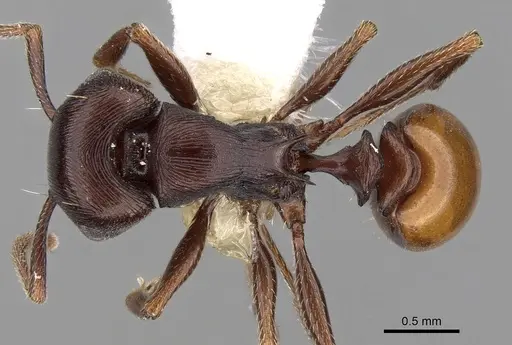
CASENT0764655
View on AntWeb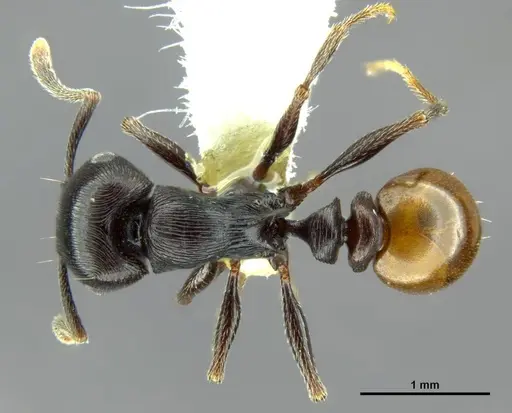
CASENT0813930
View on AntWeb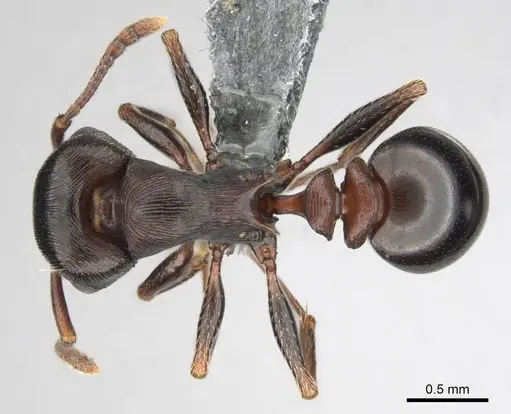
CASENT0818846
View on AntWeb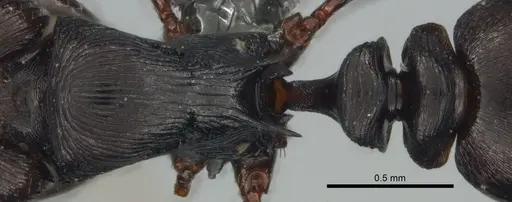
CASENT0909135
View on AntWeb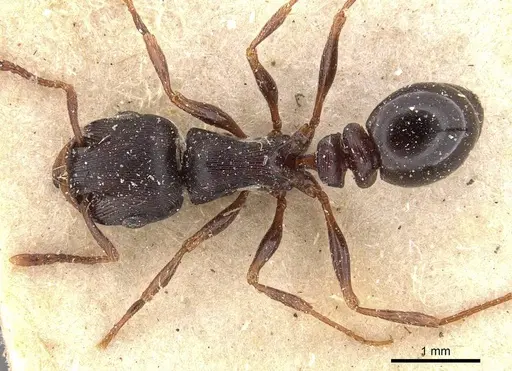
CASENT0915017
View on AntWeb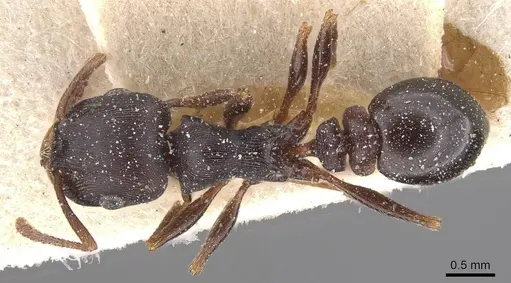
Literature
Loading...Loading products...