

Tetramorium solidum
- Scientific Name
- Tetramorium solidum
- Tribe
- Crematogastrini
- Subfamily
- Myrmicinae
- Author
- Emery, 1886
- Distribution
- Found in 3 countries
Tetramorium solidum Overview
Tetramorium solidum is an ant species of the genus Tetramorium. It is primarily documented in 3 countries , including Libya, Namibia, South Africa. Detailed taxonomic data and occurrence records can be further explored via authoritative databases such as AntWeb or the Global Biodiversity Information Facility (GBIF).
Tetramorium solidum
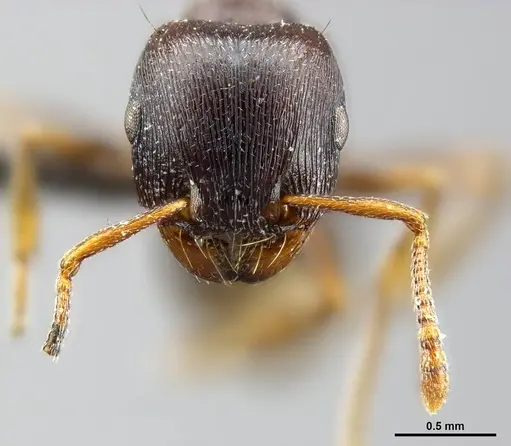
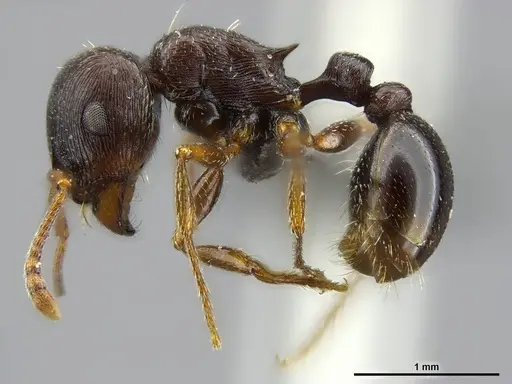
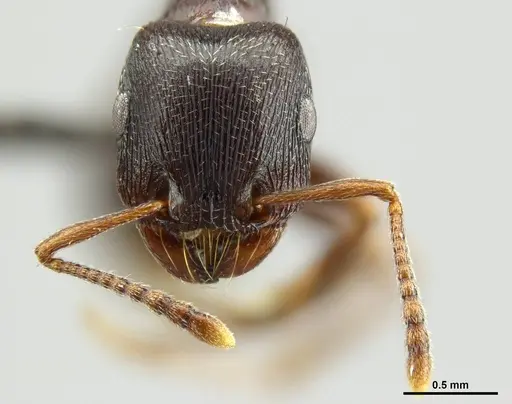
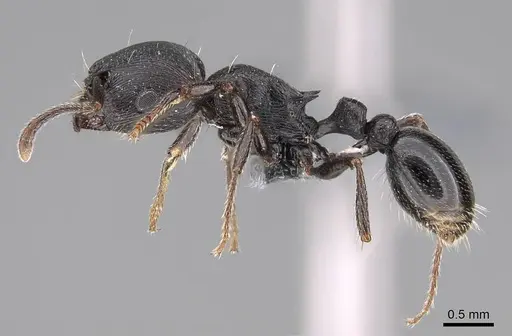
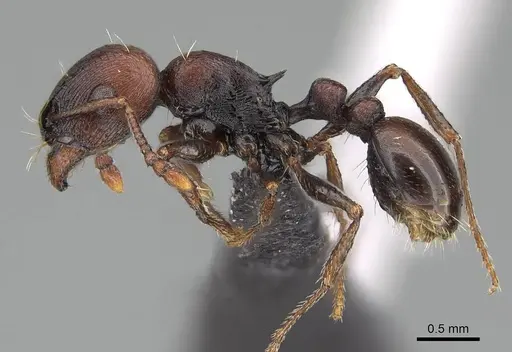
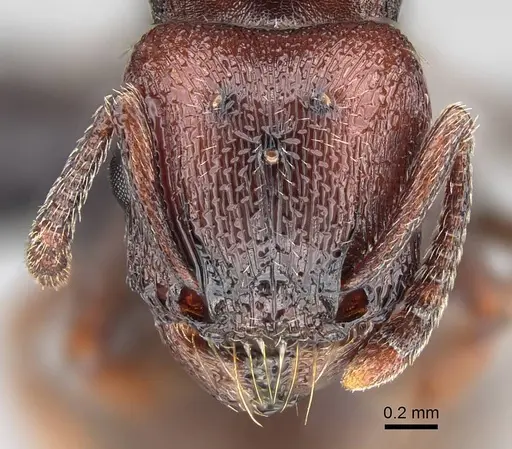
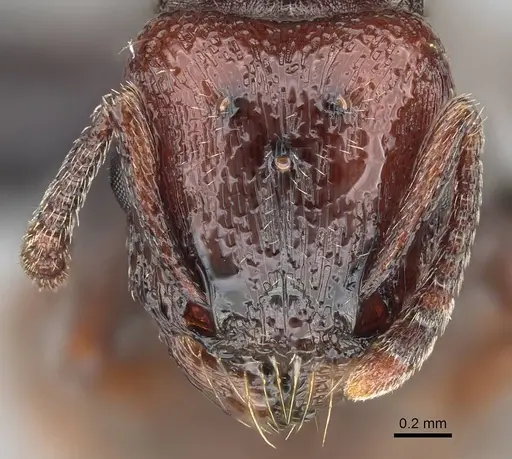
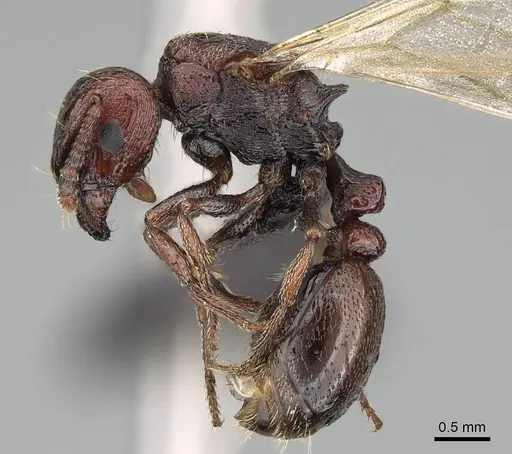
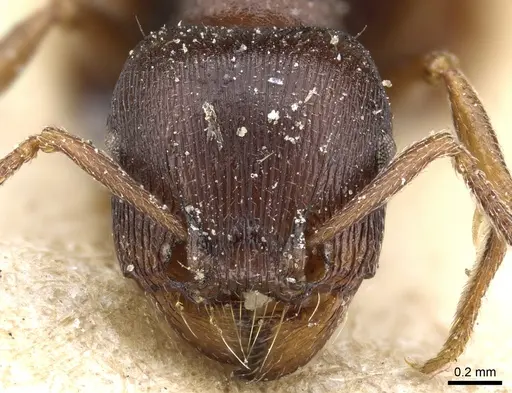
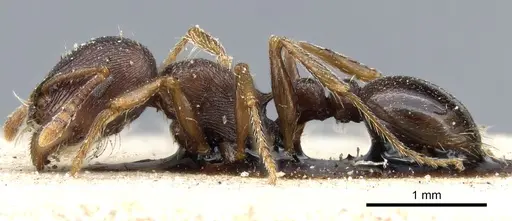
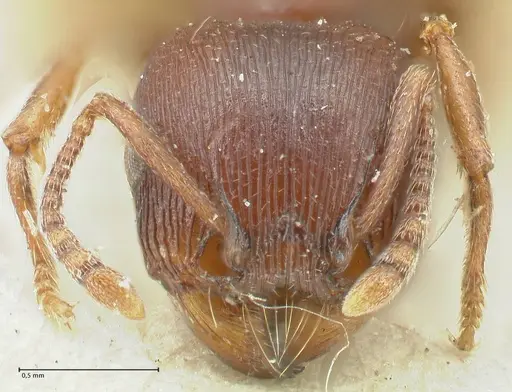
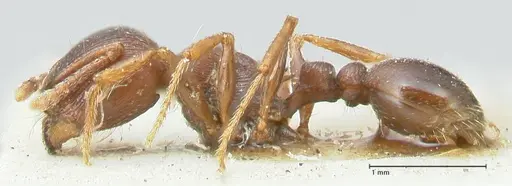
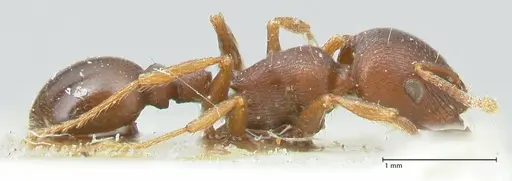
Tetramorium solidum is a small seed-harvesting ant native to South Africa. Workers measure 4.1-5.1mm and have a distinctive uniformly black or dark brown coloration with very long, sharp propodeal spines [1]. Unlike many ants covered in dense hairs, this species has sparse hairs restricted to the mesosoma and petiole, making it relatively easy to identify within its species group [2]. The most notable feature is their specialized granivorous diet, they collect and store seeds in their nests, making them one of the few truly seed-harvesting ants in the Myrmicinae [2][1]. They nest in clay soils, building characteristic craters around their nest entrances [2].
Quick Summary
- Difficulty: Easy
- Origin & Habitat: South Africa (Western Cape and Northern Cape) in Montane Fynbos, Renosterveld, Nama Karoo and Succulent Karoo habitats [2]. Found in semi-arid to arid regions receiving less than 700mm annual rainfall [3].
- Colony Type: Single-queen colonies (monogyne). Queens are claustral founders that seal themselves in to raise the first workers alone.
- Colony: Monogyne
- Founding: Claustral
- Size & Growth:
- Queen: Approximately 6-7mm (estimated from genus patterns)
- Worker: 4.1-5.1mm total length, HL 0.905-1.076mm [2][1]
- Colony: Unknown for this species, but related Tetramorium species typically reach 500-2000 workers
- Growth: Moderate, seed-harvesting ants tend to grow steadily but not rapidly
- Development: Estimated 6-8 weeks at optimal temperature based on genus patterns (Development time is inferred from typical Tetramorium development, specific data for this species is unavailable)
- Antkeeping:
- Temperature: Keep at 22-26°C. These ants come from warm South African regions and prefer temperatures in the mid-to-high range. A heating cable on one side of the nest creates a suitable gradient.
- Humidity: Low to moderate. They inhabit semi-arid Karoo regions, so keep the nesting area relatively dry with just slight moisture. Allow portions of the nest to dry out between waterings.
- Diapause: Likely required. As a South African species from temperate regions, they probably need a winter rest period of 8-12 weeks at 10-15°C.
- Nesting: Clay soil nesting in the wild, a naturalistic setup with compact soil or sandy-clay mix works well. Y-tong or acrylic nests with some soil chambers also work. They build craters around entrances, so provide space for this behavior.
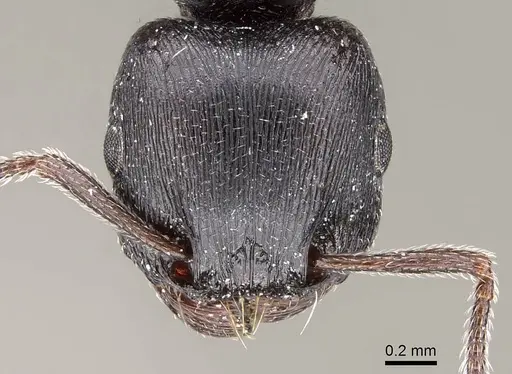
- Behavior: Generally peaceful and non-aggressive. They are granivores (seed-eaters), so they forage for seeds and store them in the nest rather than hunting live prey [2]. Workers are moderate foragers that search for seeds and small food items. They have a psammophore, a brush of hairs under their head used for carrying sand and dust [1]. Escape risk is moderate due to their small size, use standard barrier methods.
- Common Issues: seed storage behavior can lead to mold if the nest stays too wet, keep nesting area dry, slow founding stage, claustral queens take time to raise first workers, patience is required, small colony sizes mean they are vulnerable to disturbance during early growth, may be harder to feed than predatory ants since they prefer seeds, offer various seed types, escapes are possible due to small worker size, use proper barriers
Housing and Nest Setup
In the wild, Tetramorium solidum nests in clay soils and builds distinctive craters around their nest entrances [2]. For captivity, a naturalistic setup with a compact sandy-clay substrate works best, this mimics their natural nesting conditions and allows them to create proper tunnels and chambers. You can also use Y-tong (AAC) nests or acrylic nests with soil-filled chambers. Since they are seed harvesters, provide some open space in the outworld where they can sort and store seeds. A water test tube connected to the nest area provides drinking water without creating excess moisture in the nesting chambers.
Feeding and Diet
As specialist seed harvesters, these ants primarily collect and store seeds [2][1]. Offer a variety of small seeds, grass seeds, millet, poppy seeds, and similar small grains work well. They also accept some protein sources like small insects, but seeds should form the bulk of their diet. Unlike predatory ants that need constant protein, Tetramorium solidum can thrive on a seed-based diet with occasional insect offerings. Make sure seeds are small enough for the workers to handle. They store seeds in the nest, so don't be alarmed if you see seed caches, this is natural behavior. Remove any moldy seeds promptly to prevent contamination.
Temperature and Seasonal Care
These South African ants prefer warm conditions. Keep the nest area at 22-26°C, with a slight gradient allowing workers to choose their preferred temperature. A heating cable placed on one side of the nest (on top of the nest material) creates this gradient without over-drying the setup. During winter, they likely need a diapause period of 8-12 weeks at 10-15°C, simulating the cooler South African winters in their native habitat. Reduce feeding during this period and allow the colony to rest. Queens are collected in April and males in September in the wild [2], suggesting a seasonal cycle, adjust your heating and feeding to match this pattern.
Humidity Requirements
Tetramorium solidum comes from semi-arid to arid regions of South Africa (Nama Karoo and Succulent Karoo) [2]. Keep the nesting substrate relatively dry, damp but not wet. Allow portions of the nest to dry out between waterings. The key is to provide a gradient from slightly moist to dry areas so ants can self-regulate. Overly wet conditions will cause mold problems and can kill the colony. A small water source for drinking is sufficient for hydration, they get most of their moisture from seeds and food.
Behavior and Colony Dynamics
This species is relatively peaceful and does not exhibit aggressive swarming or stinging behavior. Workers are moderate foragers that search for seeds and small food items. The colony will grow steadily over time, with the queen laying eggs that develop through larvae and pupae into workers. First workers (nanitics) will be smaller than mature workers but will quickly grow. The psammophore, a brush of hairs on the underside of the head, helps them move sand and soil during nest building [1]. Colonies may show crater-building behavior around nest entrances, especially when establishing their initial chambers.
Frequently Asked Questions
Can I keep Tetramorium solidum in a test tube?
You can use a test tube for the founding claustral queen, but these ants will do better in a naturalistic setup with soil since they naturally nest in clay soils. Once workers arrive, transfer to a formicarium with soil or sandy-clay mix.
What do Tetramorium solidum ants eat?
They are seed harvesters, offer various small seeds like grass seeds, millet, and poppy seeds. They also accept occasional small insects for protein. Seeds should make up the majority of their diet.
How long until first workers in Tetramorium solidum?
Based on typical Tetramorium development, expect first workers (nanitics) in 6-8 weeks after the queen lays eggs. This is a claustral species where the queen seals herself in and raises the first brood alone.
Do Tetramorium solidum ants sting?
They are not known for stinging. As Myrmicinae, they have a stinger but typically use it only for defense when directly threatened. Their primary defense is fleeing.
Are Tetramorium solidum good for beginners?
Yes, they are considered easy to keep. They are peaceful, don't require live prey (seeds are easy to provide), and are relatively hardy. The main challenge is providing proper semi-arid conditions.
Do Tetramorium solidum need hibernation?
Likely yes. As a South African species from temperate regions, they probably need a winter diapause of 8-12 weeks at 10-15°C to maintain their natural seasonal cycle.
How big do Tetramorium solidum colonies get?
Based on related species, colonies likely reach 500-2000 workers over several years. They are not supercolony-forming and typically have a single queen.
When should I move Tetramorium solidum to a formicarium?
Keep them in a test tube or small container during the founding stage. Once the colony has 20-30 workers and you see seed storage behavior, transfer to a larger naturalistic setup with soil chambers.
References

This caresheet is licensed under CC BY-SA 4.0 .
CASENT0217978
View on AntWeb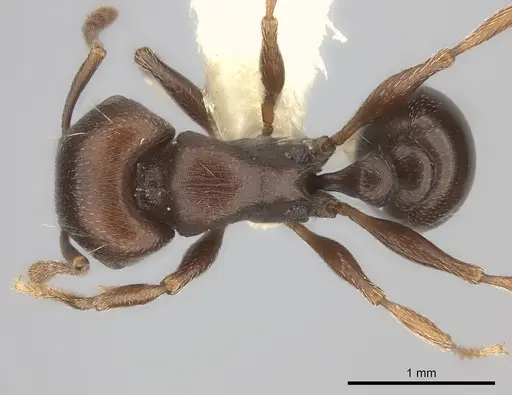
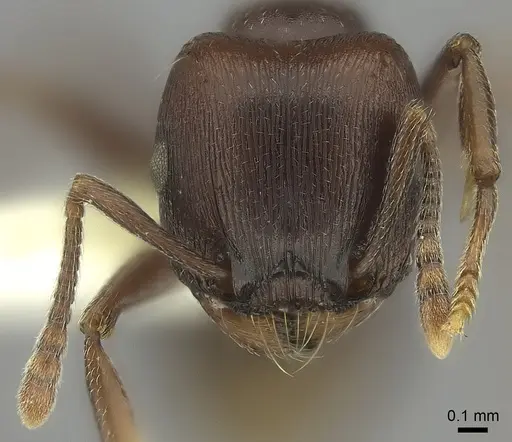
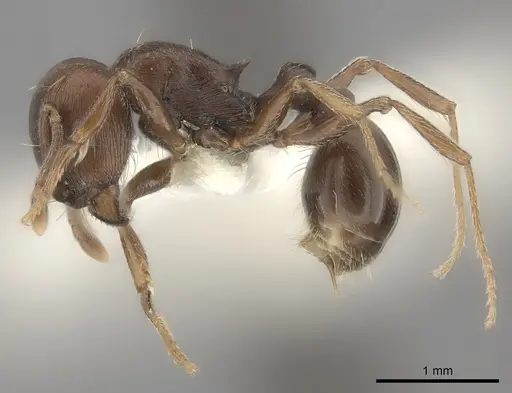
CASENT0250960
View on AntWeb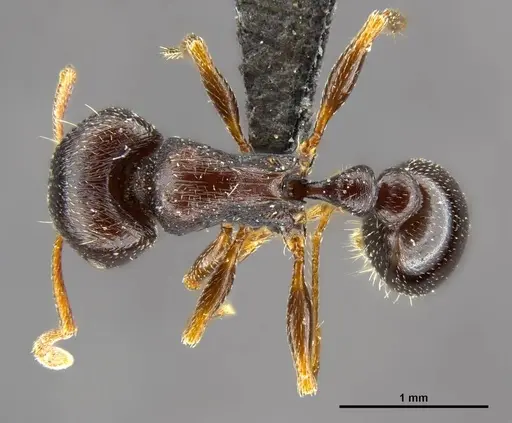
CASENT0250969
View on AntWeb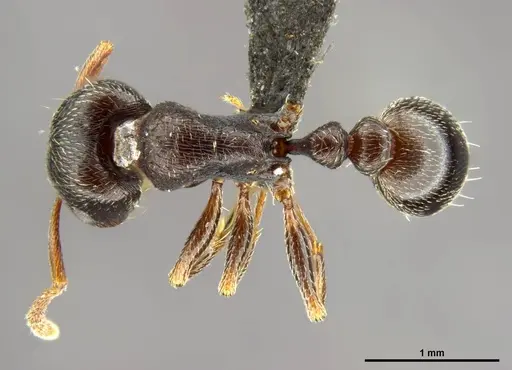
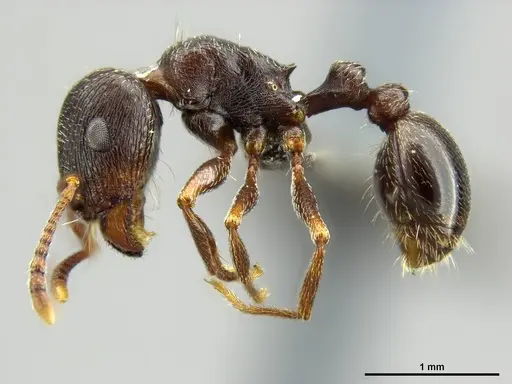
CASENT0264030
View on AntWeb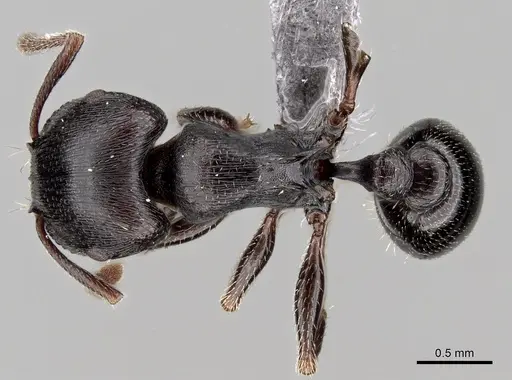
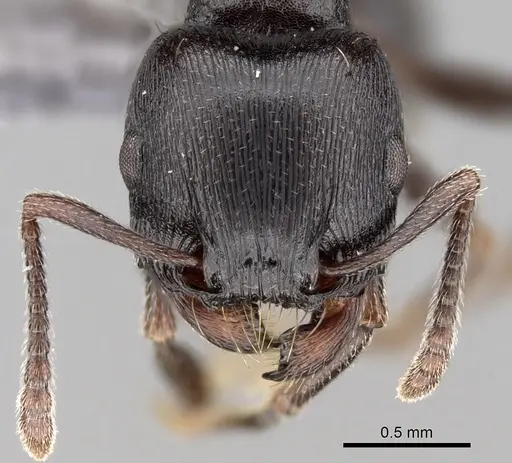
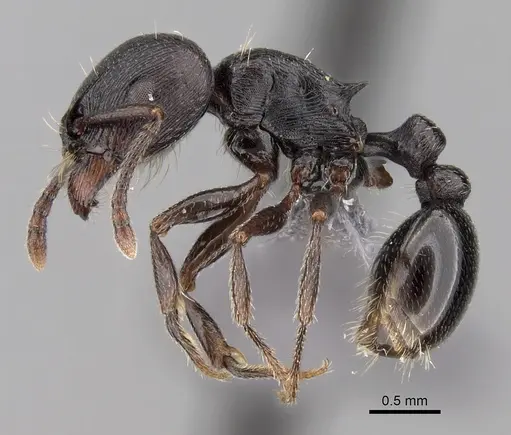
CASENT0785905
View on AntWeb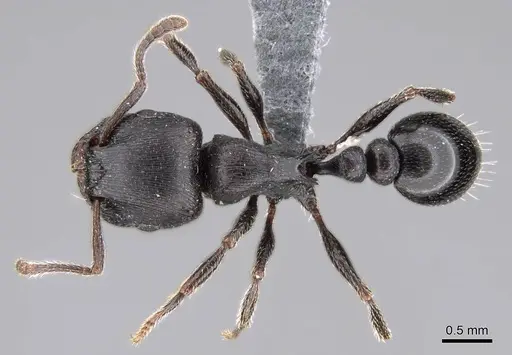
CASENT0785975
View on AntWeb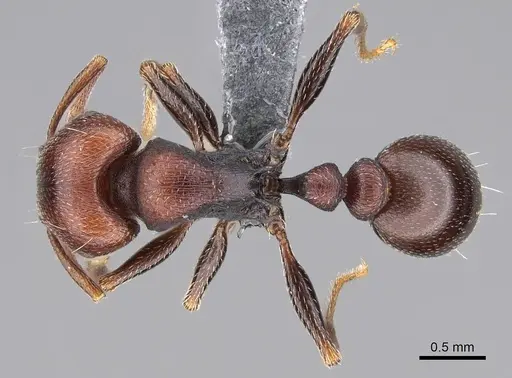
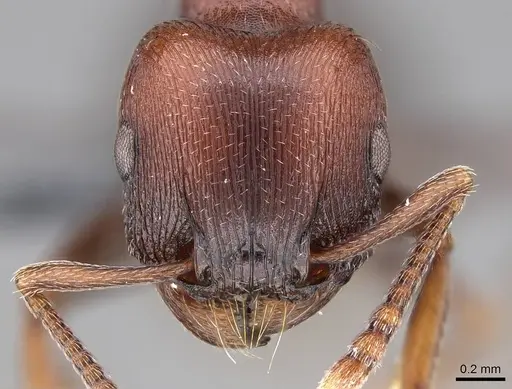
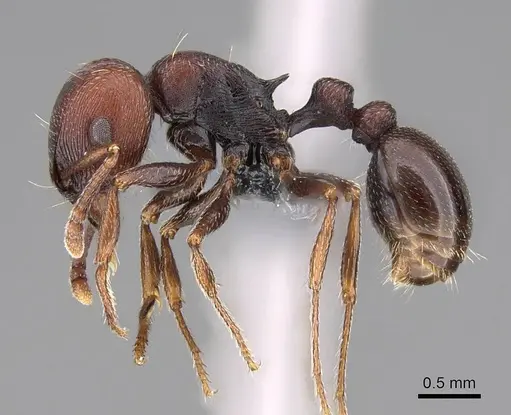
CASENT0822213
View on AntWeb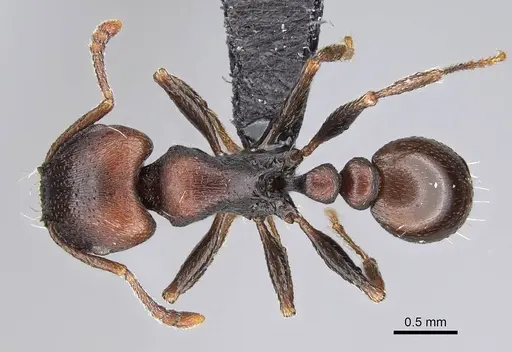
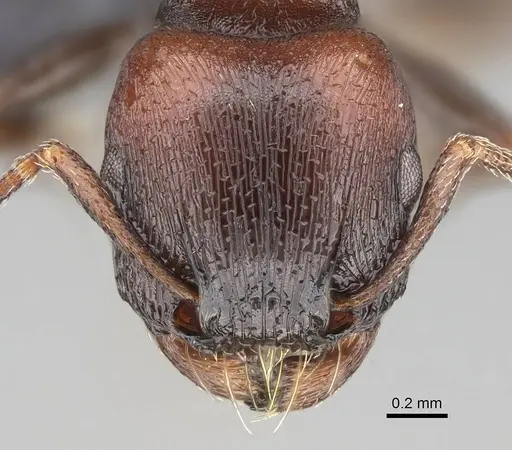
CASENT0822214
View on AntWeb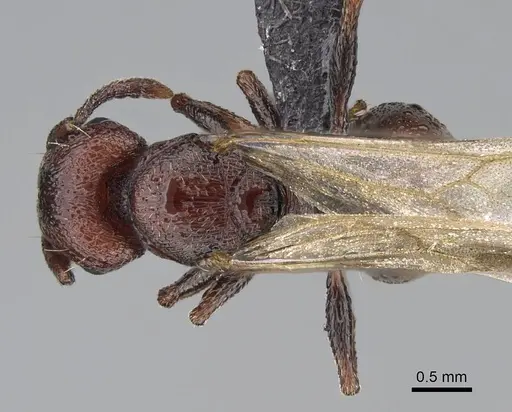
CASENT0904840
View on AntWeb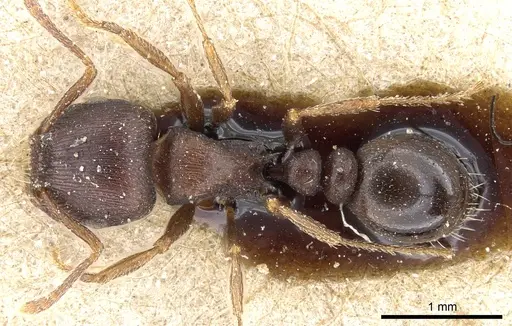
FOCOL2081
View on AntWeb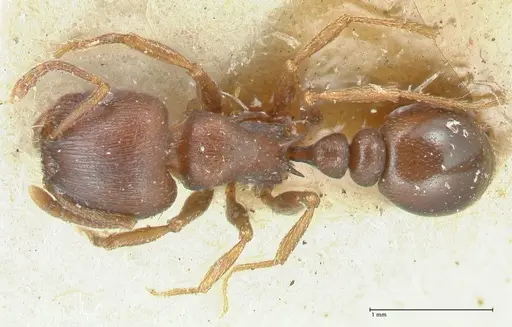
Literature
Loading...Loading products...