

Tetramorium gazense
- Scientific Name
- Tetramorium gazense
- Tribe
- Crematogastrini
- Subfamily
- Myrmicinae
- Author
- Arnold, 1958
- Distribution
- Found in 2 countries
Tetramorium gazense Overview
Tetramorium gazense is an ant species of the genus Tetramorium. It is primarily documented in 2 countries , including Kenya, Tanzania, United Republic of. Detailed taxonomic data and occurrence records can be further explored via authoritative databases such as AntWeb or the Global Biodiversity Information Facility (GBIF).
Tetramorium gazense
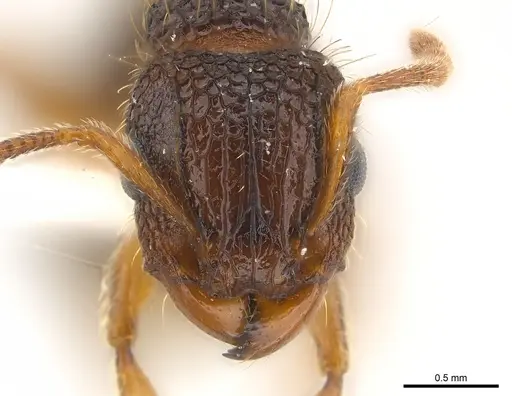
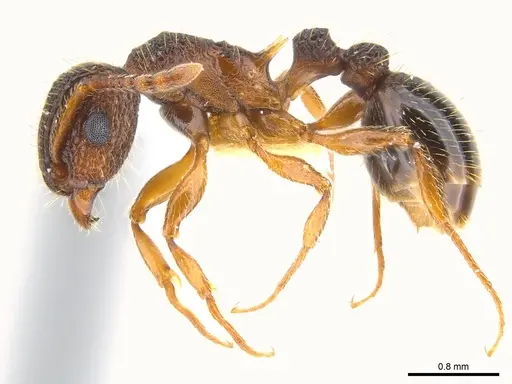
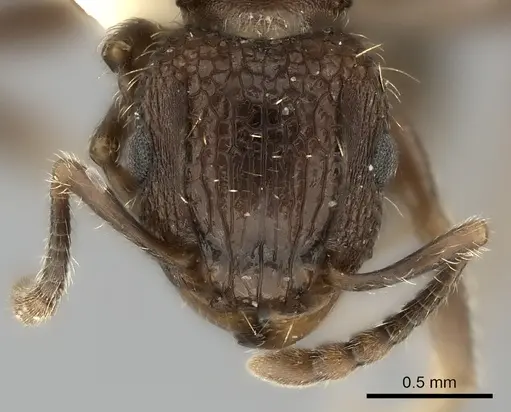
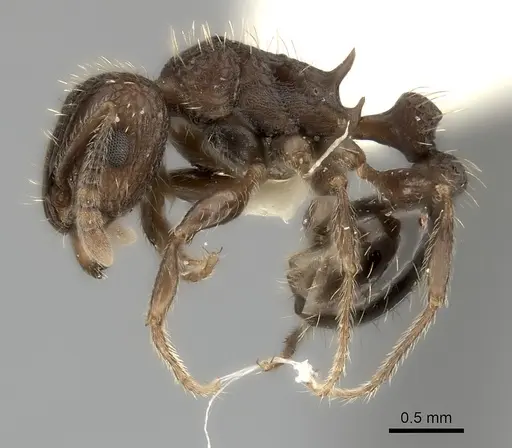
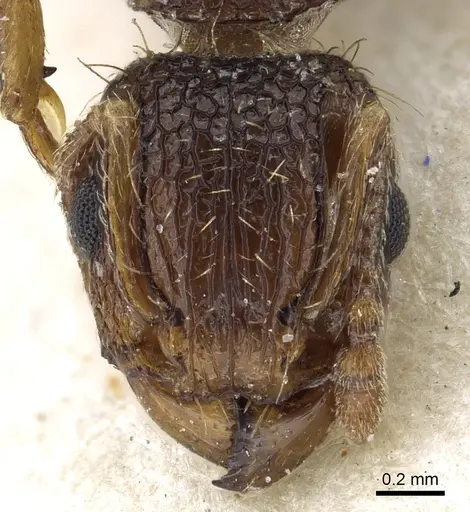
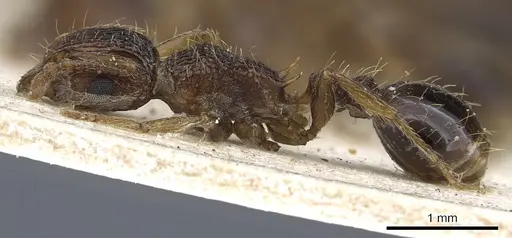
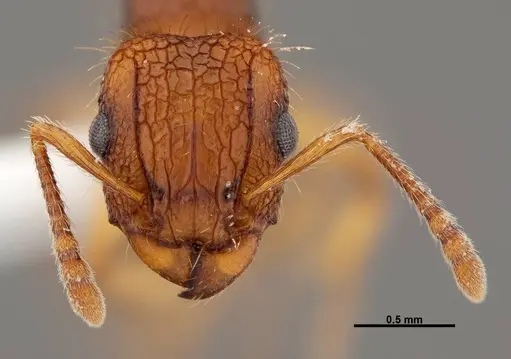
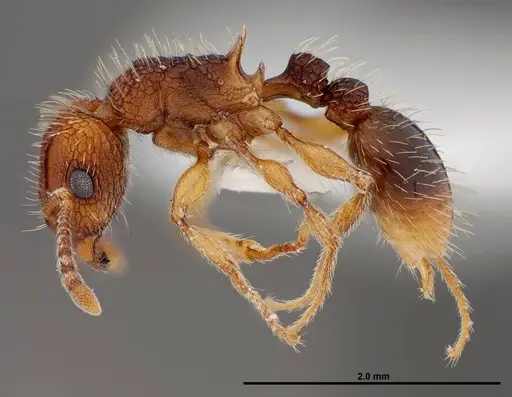
Tetramorium gazense is a small to medium-sized ant species native to the Afrotropical region, found across Democratic Republic of Congo, Kenya, Tanzania, and Zimbabwe [1]. Workers measure 4.1-4.9mm and have a distinctive uniform dark brown to blackish brown coloration, which sets them apart from related species in the T. cristatum complex that show different color patterns [2]. This species belongs to the Tetramorium bicarinatum species group and has been collected from diverse habitats including bushland, grassland, and rainforest, using methods like pitfall traps and hand collection of ground foragers [2].
What makes T. gazense interesting is its stable color pattern within a complex of very similar species, while T. notiale is bright orange-brown and T. cristatum has an orange body with dark gaster, T. gazense maintains its dark brown to blackish appearance across its extensive range [2]. This consistency, combined with its elevation range up to 1520m in Zimbabwe, suggests adaptability to varying conditions within tropical and subtropical Africa.
Quick Summary
- Difficulty: Medium
- Origin & Habitat: Afrotropical region, Democratic Republic of Congo, Kenya, Tanzania, and Zimbabwe. Found in bushland, grassland, and rainforest habitats from near sea level to around 1520m elevation [2][1].
- Colony Type: Likely monogyne (single queen colonies) based on typical Tetramorium patterns, though colony structure has not been specifically documented for this species.
- Colony: Monogyne
- Founding: Claustral
- Size & Growth:
- Queen: Estimated 7-9mm based on genus patterns (no direct measurement available)
- Worker: 4.1-4.9mm [2]
- Colony: Estimated several hundred workers based on typical Tetramorium colony sizes
- Growth: Moderate, inferred from genus patterns
- Development: Estimated 6-8 weeks at optimal temperature based on related Tetramorium species (Development time is inferred from genus-level data as species-specific measurements are not available)
- Antkeeping:
- Temperature: Keep at 22-26°C. This species comes from tropical to subtropical Africa, so warmth is important. A gentle gradient allows workers to regulate their temperature.
- Humidity: Moderate humidity around 50-70%. Provide a moisture gradient with a damp section and drier areas. These ants adapt to various conditions in the wild from bushland to rainforest.
- Diapause: Unlikely, being an Afrotropical species, they probably do not require a true hibernation. However, slight temperature reduction during cooler months may be beneficial.
- Nesting: Y-tong (AAC) nests or plaster nests work well. They are ground-nesting ants that can adapt to various nest materials. Provide connecting outworld for foraging.
- Behavior: Typical Tetramorium behavior, workers are active foragers that search for food on the ground. They are not particularly aggressive but will defend their nest. Workers are moderate in size at 4.1-4.9mm, so escape prevention should be good but is not as critical as for tiny species.
- Common Issues: limited species-specific information means care is based on genus patterns rather than direct observations, wild-caught colonies may carry parasites that can cause problems in captivity, moderate size means standard escape prevention is adequate but don't neglect it, temperature drops below 20°C may slow or stop colony development, overfeeding can lead to mold issues in nest areas
Housing and Nest Setup
Tetramorium gazense does well in standard ant-keeping setups. A Y-tong (AAC) nest works excellently for this species, the chambers should be appropriately sized for workers that are 4.1-4.9mm. Plaster nests or acrylic nests with proper humidity control are also suitable options. These ants are ground-nesting by nature, so they adapt well to captive conditions where they can dig or occupy pre-made chambers.
For the outworld, provide a basic foraging area connected to the nest. A simple setup with a test tube setup for the founding colony works well, queen in a test tube with a water reservoir, connected to a small foraging area. As the colony grows, you can expand to a full formicarium setup. Escape prevention should be standard, these are not tiny ants, so standard barriers like fluon on test tube rims work adequately.
Feeding and Diet
Like most Tetramorium species, T. gazense is an omnivorous forager that will accept a variety of foods. In captivity, they do well on a diet of sugar sources (honey water, sugar water) and protein (dead insects, mealworms, crickets). Workers are ground foragers, so place food on the outworld floor where they can easily access it.
For a healthy colony, provide a constant sugar source (a cotton ball with honey water or sugar water works well) and offer protein foods 2-3 times per week. Remove uneaten protein after 24-48 hours to prevent mold. These ants are not specialized predators, so standard ant feeding schedules work well. Young colonies (with just a queen and brood) don't need much food, the claustral queen has stored fat reserves to survive until her first workers emerge.
Temperature and Seasonal Care
As an Afrotropical species from Kenya, Tanzania, Zimbabwe, and DRC, Tetramorium gazense prefers warm conditions. Keep the nest area at 22-26°C for optimal brood development. Temperatures below 20°C can significantly slow colony growth and development.
A heating cable or heating mat on one side of the nest can create a temperature gradient, allowing workers to move between warmer and cooler areas as needed. This is especially useful during the cooler months if your room temperature drops. Unlike temperate species, these ants do not require a true hibernation period. However, slight seasonal temperature variations (slightly cooler in winter months) may be natural and can be replicated, but avoid cold temperatures below 15°C.
Colony Founding and Growth
Like other Myrmicinae, T. gazense likely practices claustral founding, the queen seals herself in a small chamber and raises her first workers entirely on stored fat reserves without foraging. This means newly caught queens need minimal care beyond a dark, quiet location and appropriate humidity.
After the first workers (nanitics) emerge, usually within 6-8 weeks under warm conditions, the colony enters a growth phase. Workers will begin foraging for food, and the colony population increases gradually. A mature colony may reach several hundred workers. Growth rate is moderate, expect the colony to establish itself within the first few months, with steady growth thereafter. Patience is key, as Tetramorium colonies don't explode in size like some faster-growing genera.
Behavior and Observation
Tetramorium gazense workers are active foragers that search for food along ground surfaces. They are not particularly aggressive toward humans and rarely sting, Myrmicinae ants have stingers but Tetramorium species are not known for painful stings. The workers are moderate-sized at 4.1-4.9mm, making them easy to observe.
These ants are diurnal and will become active in the outworld once workers emerge. You can watch them establish foraging trails and respond to food discoveries. Their dark brown to blackish coloration makes them visually distinctive. They are generally peaceful toward colony members and work well in group settings. Observation is straightforward, they are not overly skittish and will continue their activities even with some disturbance.
Frequently Asked Questions
How long does it take for Tetramorium gazense to have first workers?
Based on typical Tetramorium development, expect first workers (nanitics) to emerge around 6-8 weeks after the queen lays eggs, provided temperatures are maintained at 22-26°C. This timeline is inferred from genus patterns as species-specific development data is not available. Cooler temperatures will significantly slow development.
What do Tetramorium gazense ants eat?
They are omnivorous and accept sugar sources (honey water, sugar water) and protein (dead insects, mealworms, crickets). Provide a constant sugar source and protein 2-3 times per week. Remove uneaten food after 24-48 hours to prevent mold.
Can I keep Tetramorium gazense in a test tube?
Yes, test tubes work well for founding colonies. Use a test tube with a water reservoir (cotton ball with water) and keep it dark and quiet. Once the colony reaches 20-30 workers, consider moving to a proper formicarium or Y-tong nest.
Do Tetramorium gazense ants sting?
Myrmicinae ants have stingers, but Tetramorium species are not known for particularly painful stings. They are not aggressive and typically only sting if directly threatened or handled roughly.
What temperature is best for Tetramorium gazense?
Keep nest temperatures at 22-26°C. This Afrotropical species prefers warmth, and temperatures below 20°C can slow or stop brood development. A heating cable on one side of the nest creates a beneficial gradient.
How big do Tetramorium gazense colonies get?
Based on typical Tetramorium colony sizes, expect a mature colony of several hundred workers. The exact maximum is not documented for this species, but related species typically reach 200-500 workers.
Do Tetramorium gazense need hibernation?
No, being an Afrotropical species from central and eastern Africa, they do not require a true hibernation period. Slight seasonal temperature variations are acceptable, but avoid cold temperatures below 15°C.
Is Tetramorium gazense good for beginners?
This species is rated as medium difficulty. While not as challenging as some exotic species, the limited species-specific care information means some trial and error may be needed. Standard ant-keeping experience is helpful.
When should I move Tetramorium gazense to a formicarium?
Move from a test tube setup to a proper nest (Y-tong, plaster, or acrylic formicarium) when the colony reaches around 20-30 workers or when the test tube becomes cramped. Make sure the new nest has appropriate humidity and temperature conditions.
Why is my Tetramorium gazense colony not growing?
Common causes include temperatures below 20°C (slows development), insufficient food (especially protein), too much moisture leading to mold, or stress from disturbance. Check that temperatures are in the 22-26°C range and that you're providing adequate nutrition.
References

This caresheet is licensed under CC BY-SA 4.0 .
CASENT0217075
View on AntWeb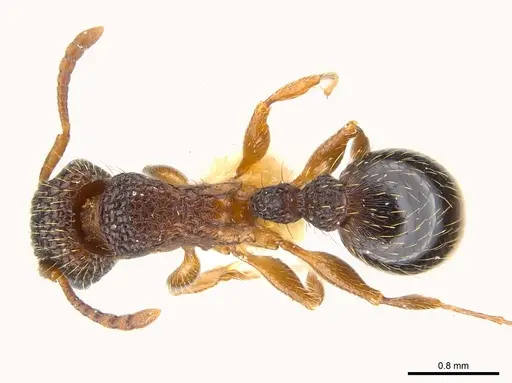
CASENT0217969
View on AntWeb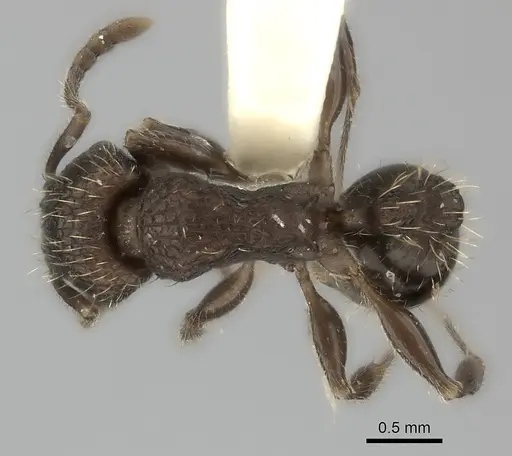
CASENT0372565
View on AntWeb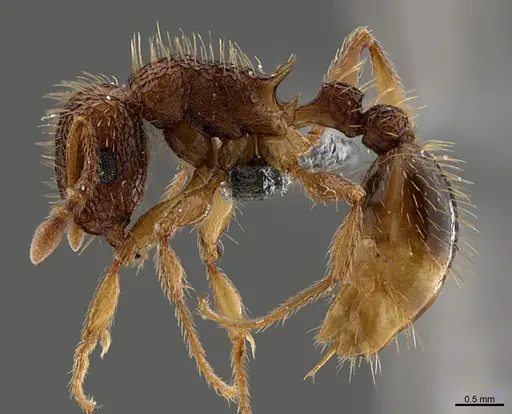
CASENT0901113
View on AntWeb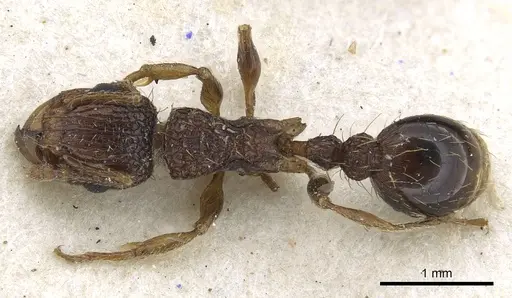
FMNHINS0000047310
View on AntWeb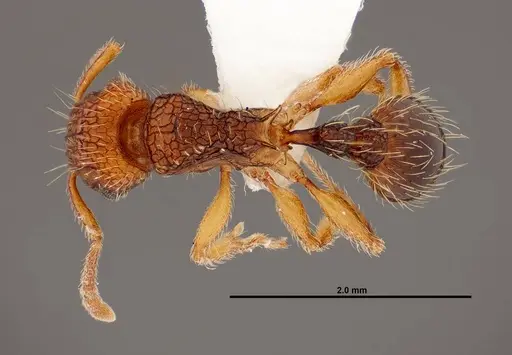
Literature
Loading...Loading products...