

Tetramorium dichroum
- Scientific Name
- Tetramorium dichroum
- Tribe
- Crematogastrini
- Subfamily
- Myrmicinae
- Author
- Santschi, 1932
- Distribution
- Found in 2 countries
Tetramorium dichroum Overview
Tetramorium dichroum is an ant species of the genus Tetramorium. It is primarily documented in 2 countries , including South Africa, Zambia. Detailed taxonomic data and occurrence records can be further explored via authoritative databases such as AntWeb or the Global Biodiversity Information Facility (GBIF).
Tetramorium dichroum
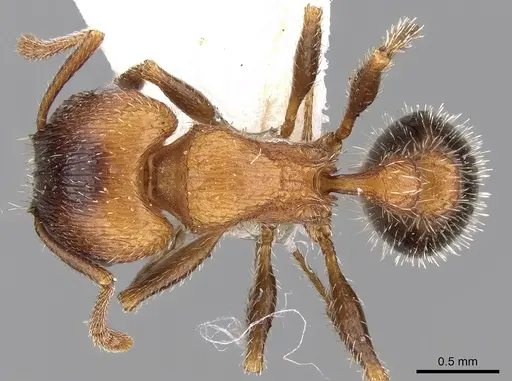
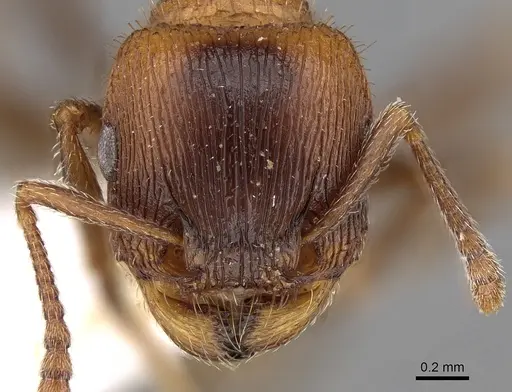
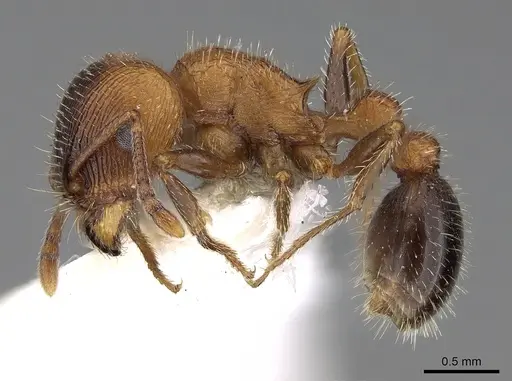
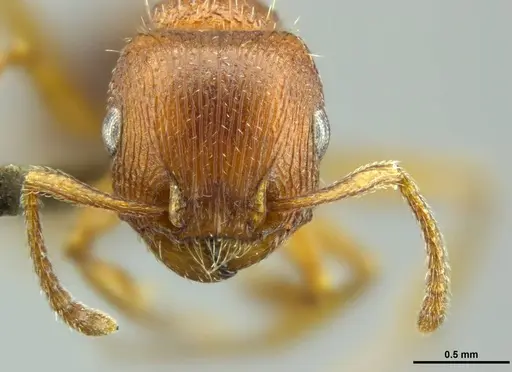
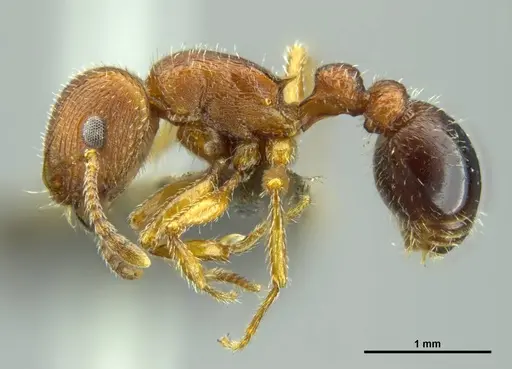
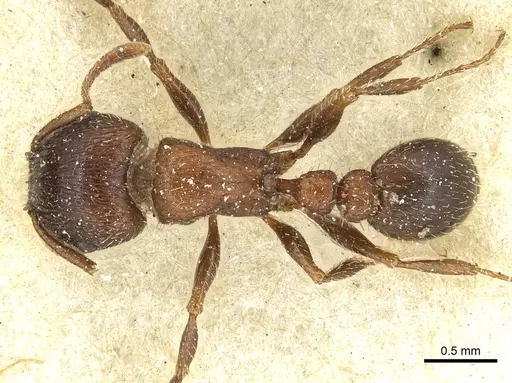
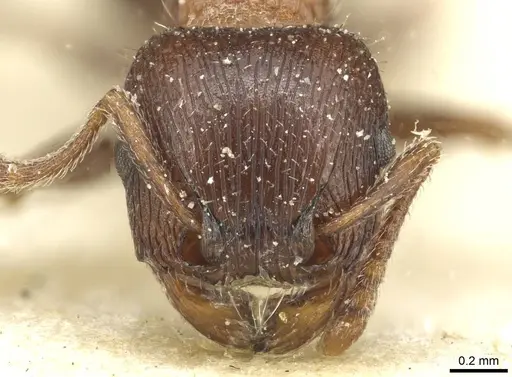
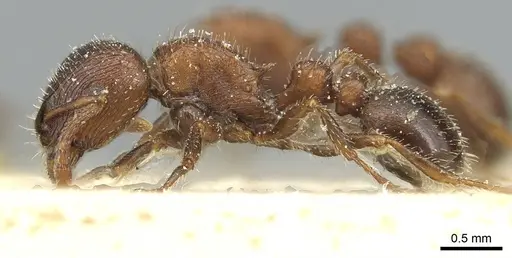
Tetramorium dichroum is a small seed-harvesting ant native to southern Africa. Workers measure 3.7-3.9mm in total length, with a light brown body and a slightly darker gaster [1]. The species is easily recognized by the abundant short, stout hairs covering its entire body, combined with the complete absence of erect hairs on the antennal scapes, a key identification feature that separates it from related species like T. peringueyi and T. margueriteae [1]. The propodeal spines are long and acute, giving this species a distinctive appearance among the Tetramorium solidum group [1].
This ant is a true seed harvester, collecting and storing seeds as its primary food source. It nests directly in the soil and has been recorded across diverse South African habitats ranging from montane grasslands to arid Karoo vegetation [2]. The species is found in Eastern Cape, southern Free State, Northern Cape, and Western Cape provinces of South Africa, as well as Zambia [1]. One unique trait: T. dichroum is the only species in the solidum group that lacks ammochaete hairs on the ventral surface of the head [2].
Quick Summary
- Difficulty: Medium
- Origin & Habitat: Southern Africa, South Africa (Eastern Cape, Free State, Northern Cape, Western Cape) and Zambia. Found in Drakensberg Montane Grasslands, Kalahari Xeric Savanna, Montane Fynbos, Renosterveld, Nama Karoo, Succulent Karoo, and Zambezian Mopane Woodlands [1][2].
- Colony Type: Monogyne, single queen colonies. Colony structure in the wild is not well documented, but related Tetramorium species are typically single-queen.
- Colony: Monogyne
- Founding: Claustral
- Size & Growth:
- Queen: Unconfirmed, no documented queen measurements for this species
- Worker: 3.7-3.9mm total length, HL 0.93-1.02mm, HW 0.94-1.07mm [1]
- Colony: Likely several hundred workers based on related species in the genus
- Growth: Moderate, typical for seed-harvesting ants
- Development: Estimated 6-8 weeks at optimal temperature based on genus patterns (Development time inferred from related Tetramorium species, specific data for T. dichroum is not available)
- Antkeeping:
- Temperature: Keep at 22-26°C. This species inhabits regions with varied climates from montane grasslands to arid Karoo, so moderate temperatures with some flexibility work well. A slight gradient allows workers to regulate their temperature preference [1].
- Humidity: Low to moderate, they come from semi-arid to arid regions (Karoo, Kalahari Savanna). Keep substrate dry to lightly moist, allowing it to fully dry between waterings. Avoid overly damp conditions that could cause mold in their seed stores.
- Diapause: Yes, based on temperate to subtropical origin in South Africa, colonies likely benefit from a winter rest period of 2-3 months at 10-15°C. This aligns with seasonal patterns in their native range.
- Nesting: Soil-nesting species. In captivity, a naturalistic setup with compact soil or a plaster/acrylic nest with soil chamber works well. They prefer tight, enclosed spaces similar to their natural soil nests. A test tube setup can work for founding colonies, but they will need space to store seeds.
- Behavior: Peaceful and non-aggressive. As seed harvesters, they are foragers that collect seeds and store them in the nest. Workers are active during the day, foraging for seeds and small arthropods. They are not known to sting, Myrmicinae ants have a stinger but Tetramorium species are not particularly aggressive. Escape risk is low since they are moderate-sized ants, but ensure standard escape prevention is in place.
- Common Issues: seed storage mold, stored seeds can develop mold if humidity is too high, check and remove affected seeds regularly, overfeeding, uneaten seeds accumulate in nest chambers, remove excess food to prevent pest issues, hibernation stress, improper cooling during winter rest can weaken colonies, ensure gradual temperature reduction, founding colony loss, claustral queens seal themselves in and may fail if disturbed or if conditions are unstable, escapees during foraging, workers may explore outside the nest area, use a properly contained outworld
Nest Preferences and Housing
Tetramorium dichroum is a soil-nesting ant that naturally creates colonies in underground chambers. In captivity, you can house them in several ways depending on colony size. For founding colonies, a simple test tube setup works well, the queen seals herself in and raises her first workers in the tube. As the colony grows, consider transitioning to a naturalistic setup with compact soil substrate or a formicarium with soil chambers [2].
These ants prefer enclosed, dark spaces that mimic their natural soil nests. If using a formicarium, choose one with tight chambers rather than large open areas. A layer of soil or sand 2-3cm deep allows them to create tunnels and store seeds. Avoid overly moist conditions, their native habitats include arid Karoo and Kalahari regions, so they prefer drier substrate that doesn't stay wet [1]. Provide a water tube but don't saturate the nesting material.
Feeding and Diet
As seed harvesters, T. dichroum's primary diet in the wild consists of seeds they collect and store in their nest [2]. In captivity, you should offer a mix of seeds suitable for small ants, sesame seeds, millet, chia seeds, and small bird seed work well. Crack or crush larger seeds to make them accessible. These ants have strong mandibles for processing seeds.
Beyond seeds, they also accept small protein sources. Offer small insects like fruit flies, pinhead crickets, or mealworm pieces occasionally. Sugar water or honey can be offered but is not their primary food source, these ants are more granivorous than sugary. Feed seeds constantly available in the outworld, and supplement with protein 1-2 times per week. Remove any moldy seeds promptly to maintain colony health.
Temperature and Seasonal Care
Keep your T. dichroum colony at 22-26°C for optimal activity and brood development. This range covers their natural temperature tolerance from montane grasslands to warmer Karoo regions. A slight temperature gradient in the setup lets workers choose their preferred spot. Room temperature within this range works fine for established colonies.
For overwintering, reduce temperatures to 10-15°C for 2-3 months during winter. This mimics their natural seasonal cycle in South Africa. Reduce feeding during this period and minimize disturbance. Gradual temperature changes are key, avoid sudden drops that can stress the colony. In spring, slowly warm them back to room temperature to trigger renewed activity and brood production. [1]
Colony Development and Growth
T. dichroum colonies grow at a moderate pace typical of seed-harvesting ants. A claustral queen seals herself in a chamber and raises her first workers (nanitics) entirely on stored fat reserves, she does not leave to forage during founding [2]. The first brood typically emerges 6-8 weeks after founding, though this is estimated from related species as specific development data for this species is not available.
Once the first workers emerge, the colony enters a growth phase. Workers will begin foraging for seeds and expanding the nest. Expect moderate growth through the first year, with colony size likely reaching 50-100 workers by the end of the first season. Mature colonies probably reach several hundred workers. Growth rate depends on temperature, food quality, and colony health. Patience is key, seed harvesters are not fast growers compared to some tropical species.
Behavior and Temperament
These ants are peaceful and not aggressive toward keepers. Workers go about their tasks methodically, foraging for seeds, storing food, and tending to brood. They are diurnal, most active during daylight hours when they search for food. The colony maintains a clean nest and properly stores seeds in dedicated chambers.
T. dichroum is not a stinging species. While Myrmicinae ants possess a stinger, Tetramorium species are not known for aggressive defense. If threatened, workers may bite but this is mild. They are moderate escape artists, not particularly prone to escaping but standard prevention measures should still be used. Workers may explore the outworld extensively in search of seeds, so ensure food is available there. [2]
Frequently Asked Questions
Can I keep Tetramorium dichroum in a test tube?
Yes, test tubes work well for founding colonies. A claustral queen will seal herself in and raise her first workers in the tube. Use a water tube with a cotton plug, keep it topped up but not overflowing. Once the colony reaches 30-50 workers, consider moving them to a larger setup with soil substrate for seed storage.
How long does it take for Tetramorium dichroum to produce first workers?
Expect first workers (nanitics) to emerge 6-8 weeks after the queen seals herself in. This estimate is based on related Tetramorium species since specific development data for T. dichroum is not available. The exact timing depends on temperature, warmer conditions within their range slightly speed development.
What do Tetramorium dichroum ants eat?
They are seed harvesters, seeds make up the majority of their diet. Offer small seeds like sesame, millet, or crushed bird seed. They also accept small insects occasionally for protein. Sugar water or honey can be offered but is not required. Always have seeds available and remove any that develop mold.
Do Tetramorium dichroum ants sting?
No, they are not considered stinging ants. While they possess a stinger as part of the Myrmicinae subfamily, Tetramorium species are not aggressive and rarely use it. They are peaceful colony inhabitants suitable for antkeepers who want to avoid stinging species.
Do Tetramorium dichroum need hibernation?
Yes, a winter rest period is recommended. Reduce temperatures to 10-15°C for 2-3 months during winter. This mimics their natural seasonal cycle in South Africa. Reduce feeding during this time and avoid disturbing the colony. In spring, gradually warm them back to 22-26°C.
How big do Tetramorium dichroum colonies get?
Based on related species, colonies likely reach several hundred workers at maturity. Specific colony size data for T. dichroum is not available, but the genus pattern suggests moderate-sized colonies. Growth is moderate, expect several months to reach 50 workers, with continued growth over subsequent years.
Are Tetramorium dichroum good for beginners?
They are moderate difficulty, suitable for antkeepers with some experience. They require proper seed storage management and understanding of hibernation needs. They are not difficult, but require more specific care than truly beginner species. Their peaceful temperament and interesting seed-harvesting behavior make them rewarding for intermediate keepers.
When should I move my colony to a formicarium?
Move to a larger setup when the test tube becomes crowded or the colony reaches 30-50 workers. A naturalistic setup with soil substrate works best since they are soil-nesters and need space to store seeds. Ensure the new setup has proper humidity control and escape prevention.
Why are my Tetramorium dichroum dying?
Common causes include: mold from overly damp conditions (reduce humidity), improper hibernation (ensure gradual cooling), stress from disturbance during founding (leave claustral queens alone), or poor seed storage leading to mold spreading. Check that temperatures are stable, substrate is not too wet, and remove moldy seeds promptly.
Can I keep multiple Tetramorium dichroum queens together?
No, this species is monogyne, single queen colonies. Combining unrelated queens is not recommended and likely results in fighting. Only keep one queen per colony. If you obtain a wild colony, it will have only one reproductive queen.
What temperature is best for Tetramorium dichroum?
Keep them at 22-26°C. This covers their natural temperature range from varied South African habitats. A slight gradient allows workers to self-regulate. Room temperature in this range works well. Avoid temperatures below 18°C or above 30°C for extended periods.
How do I set up a naturalistic terrarium for Tetramorium dichroum?
Use a terrarium with 2-3cm of compact soil or sand substrate. Add flat stones or cork bark pieces for decoration and potential nest sites. Provide a water dish and keep seeds in a feeding area. Maintain low to moderate humidity, allow substrate to dry between waterings. Ensure escape-proof lid as workers will explore.
References

This caresheet is licensed under CC BY-SA 4.0 .
Literature
Loading...Loading products...