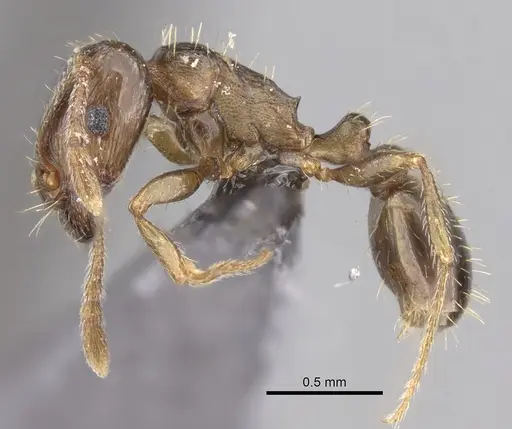
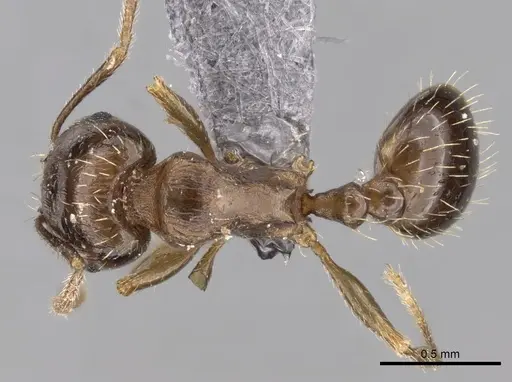
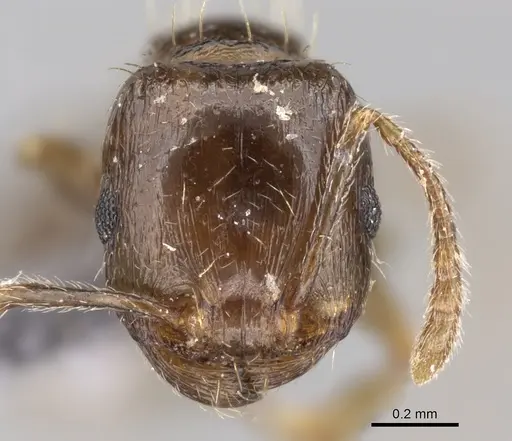
Tetramorium depressiceps - "Flat-headed Pavement Ant"
Tetramorium depressiceps is a fascinating ant species belonging to the genus Tetramorium, which encompasses over 520 species, many of which are commonly known as pavement ants. This particular species is characterized by its worker ants having a dorsally depressed head, along with weak sculpturing on the head and alitrunk, making them appear somewhat shiny. While specific size ranges for T. depressiceps queens and workers are not widely detailed, related Tetramorium species workers are typically around 2-4mm, and queens can be up to 8mm, suggesting a similar size range for T. depressiceps. These ants are known for their adaptability and can be quite active, creating a dynamic presence within their colony.
- Difficulty: Easy
- Origin & Habitat: North-East Africa and the Middle East, including Israel, Saudi Arabia, Egypt, Iraq, and Oman. in Known from various habitats, including upland pastures, arid/semi-arid grasslands, and potentially urbanized areas..
- Colony Type: Monogyne, claustral founding.
- Size & Growth:
- Queen: Not specified
- Worker: Not specified
- Colony: Large (tens of thousands). Fast, with colonies reaching several thousand workers and growing exponentially under ideal conditions. growth.
- Antkeeping:
- Temperature: Ideally, keep the nest temperature between 22-27°C. While they can tolerate room temperature, warmer conditions accelerate brood development..
- Humidity: Maintain a humidity range of 50-60% in the nest. A drier foraging area is suitable. Ensure the nest does not dry out too quickly..
- Diapause: Required. 2-4 months at 5-10°C.
- Nesting: Tetramorium species prefer nesting in soil, under stones, or in the crevices of structures. For captive setups, acrylic nests or natural setups with soil/sand-clay mix are recommended. They are known for being good at finding escape routes, so a secure nest is crucial..
- Behavior: Medium (towards other ants/prey) aggressiveness.
- Common Issues: Mold in nest, Mites, Humidity fluctuations, Escape artists.
One unique aspect of Tetramorium depressiceps, and Tetramorium ants in general, is their highly adaptable diet. They are omnivorous and readily accept a variety of foods, including insects, sugary liquids like honey or sugar water, and even seeds. This versatility in their diet makes feeding them quite straightforward for antkeepers. It's often observed that Tetramorium colonies have a voracious appetite, so ensuring a consistent supply of both protein and carbohydrates is key to supporting their rapid growth and maintaining a healthy colony.
When it comes to nest setups, Tetramorium depressiceps can be quite cunning in finding weaknesses. They are relatively small ants, and this combined with their exploratory nature means a secure formicarium is paramount to prevent escapes. Acrylic nests, or those with tightly fitted layers, are often suggested to minimize escape routes. Providing a hydration gradient within the nest, with some areas more moist than others, is beneficial, as these ants thrive with varying moisture levels.
These ants are known for their fast-growing colonies, which can reach impressive numbers of workers in a relatively short period. This rapid development makes them a rewarding species for antkeepers who enjoy seeing their colonies flourish. However, this also means being prepared for colony expansion and potentially needing to upgrade their formicarium as they grow. Regular feeding and maintaining optimal temperature and humidity are crucial to facilitate this vigorous growth.
Like many temperate ant species, Tetramorium depressiceps requires a period of diapause, often referred to as hibernation, during the cooler months. This crucial phase, typically from late October to early March, allows the queen to rest and is vital for the long-term health and reproductive success of the colony. Maintaining a cooler temperature during diapause, ideally between 5-10°C, mimics their natural winter conditions and encourages the queen to resume egg-laying once temperatures rise again.
While not typically aggressive towards their keepers, Tetramorium species, including T. depressiceps, can be quite territorial and aggressive towards other ant species in the wild. In a captive setting, this means they should be housed separately from other ant colonies to prevent conflicts. Their adaptability and general hardiness make them a good choice for both beginner and experienced antkeepers looking for an active and engaging species.
Frequently Asked Questions
What is the best type of formicarium for a Tetramorium depressiceps colony?
For a Tetramorium depressiceps colony, we recommend a secure formicarium such as an acrylic nest or a natural setup with a sand-clay mix. These ants are notorious escape artists, so a nest with tightly sealed layers or secure construction is vital to keep your colony contained. Look for setups that allow for a humidity gradient, giving your ants choices in their microclimate.
What should I feed my Tetramorium depressiceps ants?
Tetramorium depressiceps are omnivorous and have a robust appetite! Their diet should include a mix of protein and carbohydrates. For protein, offer small feeder insects like mealworms, fruit flies, or small crickets. Sugary liquids such as diluted honey or sugar water are excellent carbohydrate sources. Some keepers also provide small seeds, as these ants are semi-granivorous.
Do Tetramorium depressiceps queens need to hibernate?
Yes, like many temperate Tetramorium species, Tetramorium depressiceps queens benefit greatly from diapause (hibernation). This period of inactivity, typically from late October to early March at temperatures between 5-10°C, is essential for the queen's long-term health and ensures a productive egg-laying season once warmer temperatures return.
How fast do Tetramorium depressiceps colonies grow?
These ants are known for their impressively fast colony growth! Under optimal conditions, a Tetramorium depressiceps colony can expand rapidly, with workers emerging from egg to adult in about 3-6 weeks. Expect to see your colony reach several thousand workers, and be prepared to provide them with ample space and food as they grow.
Are Tetramorium depressiceps aggressive?
While Tetramorium depressiceps are not typically aggressive towards antkeepers, they are known to be quite territorial and fierce towards other ant species or even other non-nestmate Tetramorium colonies. This means it's crucial to only keep one colony per setup to avoid intense ant wars. Their feisty nature often makes for engaging observation within their formicarium.
What is the ideal temperature and humidity for Tetramorium depressiceps?
For optimal health and development, aim for a nest temperature between 22-27°C and maintain humidity levels around 50-60%. While they are adaptable, consistent temperature within this range will promote faster brood development. It's also good to have a slightly drier outworld for foraging.
How do I know if my Tetramorium depressiceps colony is stressed or unhealthy?
Keep a close eye on your colony for any changes in behavior. Signs of stress or illness in Tetramorium depressiceps can include decreased activity, a noticeable loss of appetite, or the presence of visible parasites like mites. Mold in the nest or fluctuating humidity can also indicate environmental issues that need addressing.
Can I keep multiple Tetramorium depressiceps queens together (pleometrosis)?
While some Tetramorium species may engage in pleometrosis (multiple queens founding a colony together) initially, it's generally not recommended for long-term keeping. In many cases, once the first workers arrive, the queens will fight until only one dominant queen remains. It's safer to assume a monogynous setup for sustainable colony growth.
What are common issues when keeping Tetramorium depressiceps?
Like any ant species, Tetramorium depressiceps can encounter common antkeeping issues. These often include mold growth within the nest, especially if humidity is too high or ventilation is poor, and the potential for mites. Colony stalling can sometimes occur if nutritional needs aren't met or if diapause requirements are ignored. Their knack for escaping also makes securing the setup a constant consideration.
How large can a Tetramorium depressiceps colony get?
Tetramorium depressiceps colonies can grow to be quite large, often reaching tens of thousands of individual workers. Their fast growth rate and ability to adapt make them very successful at building populous colonies, offering a dynamic and active display for the antkeeper.