

Tetramorium annectens
- Scientific Name
- Tetramorium annectens
- Tribe
- Crematogastrini
- Subfamily
- Myrmicinae
- Author
- Pisarski, 1969
- Distribution
- Found in 1 countries
Tetramorium annectens Overview
Tetramorium annectens is an ant species of the genus Tetramorium. It is primarily documented in 1 countries , including Mongolia. Detailed taxonomic data and occurrence records can be further explored via authoritative databases such as AntWeb or the Global Biodiversity Information Facility (GBIF).
Tetramorium annectens
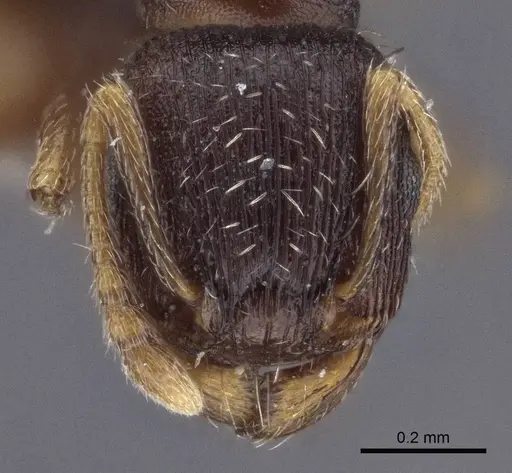
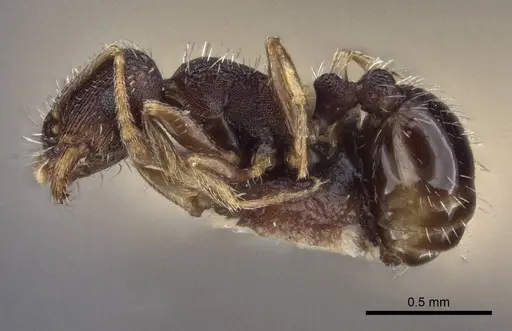
Tetramorium annectens is a small Myrmicine ant species native to northeastern China and Mongolia [1]. Workers are dark brown to black, measuring approximately 6.75mm in head length (CS 675 μm), with a distinctive feature being their very large eyes and a well-developed psammophore, a row of specialized hairs on the underside of the head used for sand manipulation [1]. The head is slightly longer than broad, and the body has a rough, sculptured appearance typical of the genus. This species was originally described in 1927 and revived as a valid species in 2007 after being previously considered a synonym of related taxa [1].
The biology of this species remains completely unstudied in scientific literature [2]. However, it has been recorded from desert steppe and semi-desert habitats in Mongolia, suggesting it prefers dry, open environments [3][4]. As an opportunist species, it likely forages for protein and sugar sources and establishes single-queen colonies typical of the genus.
Quick Summary
- Difficulty: Medium
- Origin & Habitat: Northeastern China and Mongolia in the Palaearctic region. Found in desert steppe and semi-desert habitats [3][4].
- Colony Type: Unconfirmed, likely single-queen (monogyne) based on typical Tetramorium genus patterns
- Size & Growth:
- Queen: Approximately 10mm (CS 997.5 μm) [1], estimated from measurements
- Worker: Approximately 6.75mm (CS 675 μm) [1]
- Colony: Unknown, estimated moderate size based on genus patterns
- Growth: Moderate, inferred from related Tetramorium species
- Development: 6-10 weeks at optimal temperature, estimated based on genus patterns for temperate species (Development timeline is unconfirmed for this specific species. Related Tetramorium species in temperate regions typically develop from egg to worker in 6-10 weeks during warm months.)
- Antkeeping:
- Temperature: Keep at 20-26°C, aim for low-to-mid 20s°C. Based on desert steppe origin, they likely tolerate warmer, drier conditions than most tropical ants [3].
- Humidity: Low to moderate, prefer dry conditions. Keep nest substrate slightly moist but allow drying periods between waterings. Avoid damp, stagnant conditions.
- Diapause: Yes, likely required. As a species from northern China and Mongolia with harsh winters, colonies probably need a winter rest period at 5-10°C for 3-4 months [2].
- Nesting: Y-tong (AAC) nests work well for this species. Their natural habitat suggests they prefer dry, compact soil for nesting. A test tube setup is suitable for founding colonies.
- Behavior: Active foragers with moderate aggression when defending the nest. Workers are medium-sized and likely territorial. Escape risk is moderate, standard barrier precautions recommended. Based on typical Tetramorium behavior, they are alert and will investigate disturbances quickly.
- Common Issues: biology is completely unstudied, all care recommendations are estimates based on habitat and genus patterns, winter diapause appears necessary but exact requirements are unknown, research suggests cold tolerance, colonies may be slow to establish initially, related species can take months to reach 50 workers, dry habitat requirements mean overwatering is a common mistake that kills colonies, wild-caught colonies may carry parasites or pathogens since nothing is known about their health in captivity
Origin and Natural Habitat
Tetramorium annectens originates from northeastern China and Mongolia, making it one of the more northern-ranging Tetramorium species [1]. The species has been collected from desert steppe environments in eastern Mongolia, specifically in the Dorno Gov' region near Sajnšand [3]. Additional sampling records confirm its presence in semi-desert habitats across Mongolia [4].
This distribution tells us important things about their care. The species has evolved to survive in regions with extreme temperature fluctuations, hot summers and very cold winters. In captivity, this means they can tolerate higher temperatures than most tropical ants but will need a distinct winter cooling period. The desert steppe origin suggests they prefer drier conditions than many other ant species, think sandy, well-draining substrates rather than constantly damp soil. They are opportunists in their foraging, meaning they likely scavenge and hunt rather than relying on a single food source [4].
Identification and Physical Characteristics
Workers of T. annectens are small but distinctive. They measure approximately 6.75mm in head length (CS 675 μm), making them smaller than many common pet trade ants [1]. The most striking feature is their very large eyes, among the largest relative to head size in the genus, which likely helps them detect predators in their open habitat [1].
The body is dark brown to black with a rough, sculptured appearance. A key identifying feature is the psammophore, a row of specialized hairs on the underside of the head that helps them move sand and soil particles [1]. This feature is well-developed in this species. The scape (the antenna segment closest to the head) is moderately long and smooth without a dorsal ridge at the base. The petiolar node is trapezoidal when viewed from the side, and the petiole itself is relatively high compared to related species [1].
Queens are larger at approximately 10mm (CS 997.5 μm) and have an extremely narrow petiole, one of the narrowest in the genus (CS/PEW ratio of 2.85) [1]. Only one queen specimen has been scientifically described, and it is poorly preserved, missing the postpetiole and gaster.
Nest Setup and Housing
For this species, a Y-tong (AAC) nest or test tube setup works well. Their natural habitat in desert steppe suggests they prefer compact, relatively dry nesting material. A test tube with a cotton barrier and water reservoir is ideal for founding colonies, the queen will seal herself into a chamber and raise her first workers there.
For established colonies, consider a naturalistic setup with a dry, sandy substrate they can manipulate. The psammophore (those special hairs under their head) suggests they naturally move soil particles, so providing them with appropriate grain size substrate lets them engage in natural behaviors. Avoid overly damp substrates, these ants come from dry regions and may struggle with mold-prone setups.
Escape prevention should be standard, while not the smallest ants, they are agile and determined. Use Fluon on test tube rims and ensure formicarium connections are secure. A foraging area with high walls or a moat barrier prevents escapes during feeding times. [1][3]
Feeding and Diet
Based on the species being classified as an opportunist in its natural habitat, offer a varied diet similar to other Tetramorium species. Protein sources should include small insects like fruit flies, pinhead crickets, mealworms, and other appropriately sized arthropods. Feed protein 2-3 times per week, adjusting based on colony size and consumption.
For carbohydrates, offer sugar water, honey, or diluted maple syrup. Change sugar sources every few days to prevent fermentation. While not directly studied, Tetramorium ants typically readily accept sugar water and will forage for honeydew from aphids if given the opportunity.
For founding colonies, offer tiny prey items the queen can manage. Once workers emerge (nanitics), they will take over foraging. Remove uneaten prey after 24-48 hours to prevent mold issues, especially given their preference for drier conditions. [4][2]
Temperature and Seasonal Care
Maintain temperatures in the range of 20-26°C, with an ideal around 22-24°C. This species can tolerate warmer conditions than many tropical ants due to its desert steppe origin, but avoid extreme heat above 30°C without proper humidity [3]. A heating cable on one side of the nest can create a temperature gradient, allowing the colony to self-regulate.
Winter care is critical. Given their origin in northeastern China and Mongolia, regions with extremely cold winters, this species almost certainly requires a diapause (winter rest) period. Reduce temperature to 5-10°C for 3-4 months during winter, typically from late autumn through early spring depending on your location. During this time, reduce feeding significantly or stop entirely, and keep the colony slightly moist but not wet.
This diapause is essential for colony health and likely triggers reproductive cycles. Without a winter rest, colonies may become stressed and fail to produce reproductives (new queens and males) in subsequent seasons.
Colony Development and Growth
The biology of colony founding in T. annectens has not been scientifically documented. However, based on typical Tetramorium patterns, the queen likely performs claustral founding, she seals herself in a chamber, uses stored fat reserves to survive, and raises her first workers without foraging [2].
Development time from egg to first worker is estimated at 6-10 weeks at optimal temperature, based on related temperate Tetramorium species. The first workers (nanitics) will be smaller than mature workers and may take several months before the colony reaches 20-30 workers.
Growth rate is considered moderate. Colonies likely reach several hundred workers over 1-2 years under good conditions. Since nothing is known about maximum colony size for this specific species, monitor your colony's growth and adjust care accordingly. Related species in the genus typically max out at 500-1000 workers, but this is an estimate for T. annectens.
Frequently Asked Questions
How long does it take for Tetramorium annectens to produce first workers?
The exact timeline is unconfirmed for this species, but based on related Tetramorium species, expect 6-10 weeks from egg to first worker at optimal temperature (around 22-24°C). The founding queen will seal herself in and raise her first brood alone, so be patient, founding colonies can take several months to establish and may appear inactive during this time.
Do Tetramorium annectens ants need hibernation?
Yes, hibernation is likely required. This species comes from northeastern China and Mongolia, regions with extremely cold winters. You should provide a winter rest period of 3-4 months at temperatures between 5-10°C, typically from late autumn to early spring. Reduce feeding during this time and keep the nest slightly moist but not wet.
What do Tetramorium annectens ants eat?
They are opportunists, so offer a varied diet. Protein sources: small insects like fruit flies, pinhead crickets, mealworms, or other appropriately sized arthropods 2-3 times per week. Carbohydrates: sugar water, honey, or diluted maple syrup offered constantly and changed every few days. Remove uneaten prey promptly to prevent mold.
Can I keep Tetramorium annectens in a test tube?
Yes, test tubes work well for founding colonies. Use a standard test tube setup with a cotton barrier and water reservoir. The queen will seal herself into a chamber to raise her first workers. For established colonies, you can transition to a Y-tong (AAC) nest or naturalistic setup with dry, sandy substrate.
Are Tetramorium annectens ants aggressive?
Tetramorium ants are generally alert and will defend their nest aggressively when threatened. Workers are medium-sized and can deliver a mild sting if provoked. They are not considered dangerously aggressive toward humans, but they are territorial and will quickly investigate and respond to disturbances near their nest.
How big do Tetramorium annectens colonies get?
The maximum colony size is unknown for this species since it has not been scientifically studied. Based on related Tetramorium species, colonies likely reach several hundred workers over 1-2 years. Monitor your colony's growth and adjust care (feeding, space) accordingly.
What temperature is best for Tetramorium annectens?
Keep them at 20-26°C, ideally around 22-24°C. This species can tolerate warmer conditions than many tropical ants due to its desert steppe origin, but avoid temperatures above 30°C. A heating cable on one side of the nest creates a gradient the colony can use to self-regulate.
Are Tetramorium annectens good for beginners?
This species is rated as medium difficulty. While not the most challenging ant, the complete lack of biological data means you are relying on estimates and genus-level guidance rather than species-specific care protocols. Beginners should be comfortable with providing winter diapause and managing dry habitat conditions.
Do Tetramorium annectens ants sting?
Yes, they can sting. Like most Myrmicinae ants, they have a functional stinger and may use it defensively. The sting is not considered medically significant for healthy humans, causing mild local pain similar to other small ant stings.
Why is so little known about Tetramorium annectens care?
This species has never been scientifically studied in captivity, and its biology in the wild remains unresearched. The scientific literature focuses on taxonomy and distribution, not behavior or husbandry. All care recommendations are estimates based on its habitat (desert steppe of Mongolia/NE China) and typical Tetramorium genus patterns. You may need to experiment to find what works best for your specific colony.
References

This caresheet is licensed under CC BY-SA 4.0 .
CASENT0916601
View on AntWeb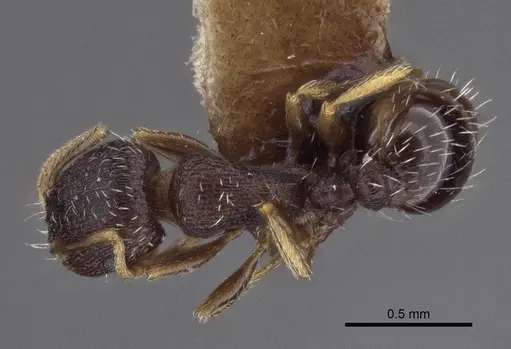
Literature
Loading...Loading products...