

Tetramorium antipodum
- Scientific Name
- Tetramorium antipodum
- Tribe
- Crematogastrini
- Subfamily
- Myrmicinae
- Author
- Wheeler, 1927
- Distribution
- Found in 1 countries
Tetramorium antipodum Overview
Tetramorium antipodum is an ant species of the genus Tetramorium. It is primarily documented in 1 countries , including Norfolk Island. Detailed taxonomic data and occurrence records can be further explored via authoritative databases such as AntWeb or the Global Biodiversity Information Facility (GBIF).
Tetramorium antipodum
Tetramorium antipodum is a small Myrmicinae ant species originally described by W.M. Wheeler in 1927 from specimens collected on Norfolk Island and Lord Howe Island, Australia [1]. The species was later synonymized with T. caldarium in 1979 but was revived as a valid species by Bolton in 1995 [2]. Workers of this genus are typically small ants, measuring 2.5-4mm, with a characteristic 12-segmented antenna ending in a 3-segmented club, and a bidentate mandible. They are generally brown to reddish-brown in color.
This species has a very limited known distribution, being documented only from Norfolk Island and Lord Howe Island in the Australasian region [1]. These islands have subtropical climates, which provides insight into the likely temperature and humidity preferences of this species. As a Tetramorium species, they likely nest in soil or under stones and have typical omnivorous feeding habits, though specific biological data for T. antipodum is extremely limited.
Quick Summary
- Difficulty: Unknown, limited data available
- Origin & Habitat: Norfolk Island and Lord Howe Island, Australia, subtropical island environments [1]
- Colony Type: Unconfirmed, likely single-queen colonies based on typical Tetramorium patterns
- Size & Growth:
- Queen: Estimated 6-8mm based on genus patterns
- Worker: Estimated 2.5-4mm based on genus patterns [2]
- Colony: Estimated several hundred workers based on typical Tetramorium colony sizes
- Growth: Moderate, estimated based on genus
- Development: Estimated 6-10 weeks based on related Tetramorium species (Development timeline is not directly studied for this species, estimates based on genus-level data)
- Antkeeping:
- Temperature: Keep at 22-26°C, subtropical island origin suggests warmth preference [2]
- Humidity: Moderate humidity,50-70%, island environments are not extremely wet or dry [2]
- Diapause: Unknown, subtropical origin may reduce or eliminate diapause needs
- Nesting: Likely prefers soil-based nests or test tube setups with moist substrate, typical of Tetramorium species [2]
- Behavior: Temperament is typical of Tetramorium, generally non-aggressive but will defend their nest if threatened. Workers are active foragers, likely hunting small insects and collecting honeydew. Escape prevention should be moderate as workers are small but not among the tiniest ants. Likely accepts a varied omnivorous diet.
- Common Issues: Limited biological data makes specific care recommendations uncertain, Wild-caught colonies may be difficult to establish, Subtropical origin may require careful temperature management, Colony size is likely modest, don't expect large colonies quickly
Species Background and Distribution
Tetramorium antipodum is one of the more poorly documented ant species in the Myrmicinae subfamily. Originally described by William Morton Wheeler in 1927 from specimens collected on Norfolk Island and Lord Howe Island, this species was subsequently synonymized with Tetramorium caldarium in 1979 before being revived as a valid species by Barry Bolton in 1995 [1][2]. The species name 'antipodum' refers to the Antipodes, a term commonly used in reference to Australia and New Zealand.
The known distribution is extremely limited, being documented only from these two small Australian external territories in the Pacific Ocean. Both Norfolk Island and Lord Howe Island are subtropical islands with mild temperatures year-round, which provides the best available evidence for the species' environmental preferences. The original description by Wheeler included workers, queens, and males [1].
Identification and Appearance
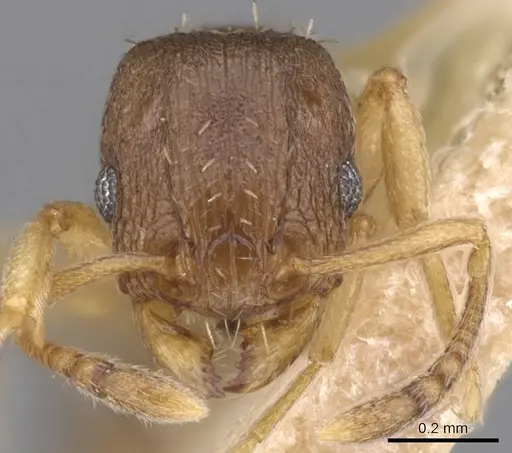
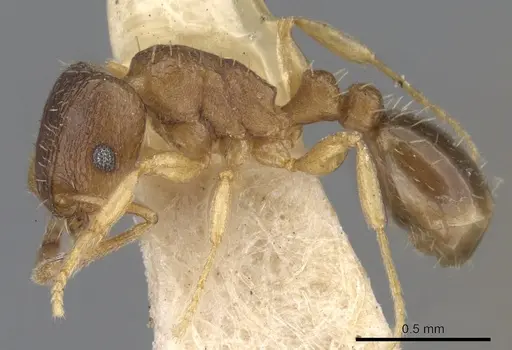
As a Tetramorium species, T. antipodum workers display the characteristic features of this genus. Workers are small ants, typically measuring 2.5-4mm in length based on genus patterns [2]. They have a 12-segmented antenna with a distinct 3-segmented club at the tip, which is a key identifying feature of the Tetramoriini tribe.
The mandibles are bidentate (having two teeth), and the head typically shows longitudinal rugae or striations depending on the specific morphology. The propodeum (the rear portion of the mesosoma) usually has spines or teeth in this genus. Coloration is typically brown to reddish-brown, though the exact coloration of T. antipodum specifically would require examination of type specimens. Queens are larger than workers and are dealate (wingless) after mating, while males are winged.
Housing and Nesting
Based on typical Tetramorium nesting preferences, this species likely nests in soil, under stones, or in decaying wood in its natural habitat on Norfolk and Lord Howe Islands. For captive care, a standard test tube setup works well for founding colonies, with the queen sealed in a humid chamber where she can raise her first workers.
Once the colony reaches 20-30 workers, you can consider moving them to a small formicarium or naturalistic setup. A Y-tong (AAC) nest or a simple plaster nest with moist substrate would be appropriate. The nest area should be kept moderately humid, think damp but not waterlogged. Provide a water tube for drinking and ensure the nest substrate doesn't dry out completely between rehydrations. [2]
Feeding and Diet
Tetramorium species are generalist omnivores, and T. antipodum likely follows this pattern. In captivity, they should be offered a varied diet including protein sources (small insects like fruit flies, pinhead crickets, or mealworms) and carbohydrate sources (sugar water, honey, or honeydew).
Feed protein prey 2-3 times per week, removing any uneaten prey after 24 hours. Keep a constant supply of sugar water or honey available. Fresh water should always be accessible. Start with small prey items appropriate to the colony size, smaller colonies need smaller prey. As the colony grows, you can offer progressively larger insects. [2]
Temperature and Seasonal Care
Given the subtropical island origin of this species (Norfolk Island and Lord Howe Island), they prefer warmer temperatures in the range of 22-26°C. Maintain stable temperatures within this range for optimal colony health and brood development. Avoid temperatures below 18°C or above 30°C for extended periods.
Whether this species requires a true diapause (winter rest) is unknown. The mild climate of their native islands suggests they may not need a cold period. However, you might consider reducing temperatures slightly (by 3-5°C) during winter months to simulate natural seasonal changes, which may help trigger spring breeding activity. Monitor colony behavior, if workers remain active throughout winter, they likely don't need deep hibernation. [2]
Colony Development
The colony development timeline for T. antipodum is not specifically documented. Based on typical Tetramorium development, you can expect the first workers (nanitics) to emerge approximately 6-10 weeks after the queen lays eggs, assuming optimal temperatures around 24-26°C [2].
Initial colony growth is slow, the queen alone tends to the first brood, and these founding workers are typically smaller than mature workers. Once the first workers emerge, the colony enters a growth phase as the queen shifts to egg-laying while workers handle foraging and nest maintenance. Colony growth rate is typically moderate for this genus. Maximum colony size is estimated at several hundred workers based on typical Tetramorium colony sizes.
Frequently Asked Questions
How long does it take for Tetramorium antipodum to produce first workers?
The exact timeline is unconfirmed for this species, but based on typical Tetramorium development, expect first workers (nanitics) approximately 6-10 weeks after founding at optimal temperatures of 24-26°C. The queen seals herself in and tends the first brood alone until workers emerge.
What do Tetramorium antipodum ants eat?
They are generalist omnivores. Offer small insects (fruit flies, pinhead crickets, mealworms) as protein 2-3 times per week, and keep sugar water or honey constantly available. They also need access to fresh water.
Can I keep multiple Tetramorium antipodum queens together?
This is unconfirmed for this specific species. Most Tetramorium species are single-queen (monogyne) colonies. Combining unrelated queens is not recommended unless you observe them forming a stable multi-queen colony, which is unlikely for this genus.
Do Tetramorium antipodum ants sting?
As a Myrmicinae species, they have a functional stinger. However, their small size means any sting is typically mild. They are not considered dangerous to humans and are generally non-aggressive unless their nest is directly threatened.
What temperature should I keep Tetramorium antipodum at?
Maintain temperatures between 22-26°C. Their subtropical island origin (Norfolk Island and Lord Howe Island) indicates they prefer warmth. Avoid temperatures below 18°C or above 30°C for extended periods.
How big do Tetramorium antipodum colonies get?
Colony size is estimated at several hundred workers based on typical Tetramorium colony sizes. This is not a large colony species, expect modest colonies compared to genera like Camponotus or Formica.
Do Tetramorium antipodum need hibernation or diapause?
This is unknown. The mild subtropical climate of their native islands suggests they may not require a true diapause. You might reduce temperatures by 3-5°C in winter, but deep hibernation is likely unnecessary.
Is Tetramorium antipodum suitable for beginners?
Care difficulty is difficult to assess due to limited species-specific data. Based on typical Tetramorium care, they are moderately straightforward to keep but require standard antkeeping setup and attention to temperature and feeding. The main challenge is the limited available information specific to this species.
What type of nest should I use for Tetramorium antipodum?
Start with a standard test tube setup for the founding queen. Once the colony reaches 20-30 workers, you can move them to a small formicarium, Y-tong (AAC) nest, or plaster nest with moist substrate. They likely prefer soil-based nesting conditions.
Where is Tetramorium antipodum found in the wild?
This species is documented only from Norfolk Island and Lord Howe Island, Australian external territories in the Pacific Ocean. It was originally described by W.M. Wheeler in 1927 and was revived from synonymy in 1995 [1].
References

This caresheet is licensed under CC BY-SA 4.0 .
CASENT0901221
View on AntWeb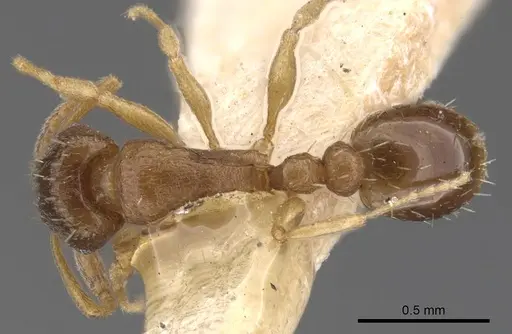
Literature
Loading...Loading products...