

Tetramorium aisha
- Scientific Name
- Tetramorium aisha
- Tribe
- Crematogastrini
- Subfamily
- Myrmicinae
- Author
- Mbanyana <i>et al.</i>, 2018
- Distribution
- Found in 2 countries
Tetramorium aisha Overview
Tetramorium aisha is an ant species of the genus Tetramorium. It is primarily documented in 2 countries , including Namibia, South Africa. Detailed taxonomic data and occurrence records can be further explored via authoritative databases such as AntWeb or the Global Biodiversity Information Facility (GBIF).
Tetramorium aisha
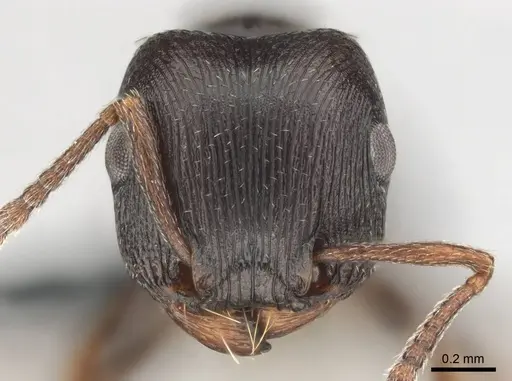
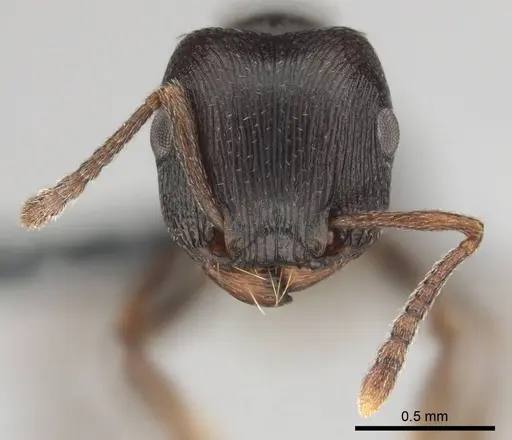
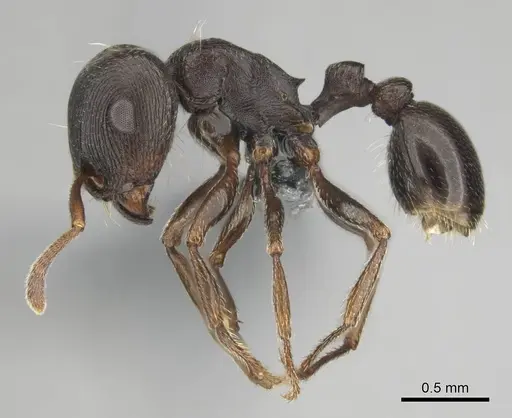
Tetramorium aisha is a small, uniformly black ant species native to the arid regions of southern Africa. Workers measure approximately 1mm in body length, making them one of the smaller Tetramorium species you'll encounter. They belong to the Tetramorium solidum species group and were only formally described in 2018,so there's limited captive breeding history. The species gets its name from Aisha Mayekiso, one of the collectors who helped discover it. These ants are seed harvesters, meaning they collect and store seeds as a food source, a behavior that influences their care requirements. They are found across Namibia and the Western/Northern Cape regions of South Africa, inhabiting some of the driest environments on the continent [1].
What makes T. aisha interesting is their adaptation to extremely xeric (dry) habitats. They've been collected from diverse environments ranging from the Namib Desert to Montane Fynbos, showing remarkable flexibility in their habitat preferences. In the wild, they nest in deep, finely grained soils in flood plains of dry river beds, often alongside plants like Salsola aphylla and Acacia karoo. This tells you they prefer well-drained, sandy substrates and can tolerate dry conditions that would kill many other ant species [1].
Quick Summary
- Difficulty: Medium
- Origin & Habitat: Native to Namibia and South Africa (Western and Northern Cape), found in Nama Karoo, Montane Fynbos, Renosterveld, Kalahari Xeric Savanna and Namib Desert [1]. These ants thrive in dry, arid environments with deep, finely grained soils.
- Colony Type: Monogyne, single queen colonies are standard for this species. Colony size in the wild is not well documented, but related Tetramorium species typically reach a few hundred workers.
- Colony: Monogyne
- Founding: Claustral
- Size & Growth:
- Queen: Not yet documented in scientific literature, likely around 6-8mm based on genus patterns
- Worker: 1.0-1.1mm (HL 0.993-1.082mm, HW 1.023-1.082mm) [1]
- Colony: Estimated at 200-500 workers based on related species in the solidum group
- Growth: Moderate, seed harvester ants typically grow more slowly than purely predatory species
- Development: Estimated 8-12 weeks at optimal temperature based on genus-level data for Tetramorium species (Development time is estimated as this species has not been bred in captivity yet. Expect slower growth compared to faster-growing tropical species.)
- Antkeeping:
- Temperature: Keep at 22-26°C, they prefer warm, dry conditions matching their arid natural habitat. A heating cable on one side of the nest creates a suitable gradient.
- Humidity: Low to moderate, aim for 40-60% humidity. These ants come from dry environments, so avoid overly damp conditions. The nest substrate should be dry to slightly moist but never waterlogged [1].
- Diapause: Likely required, as a species from temperate southern Africa, they probably need a winter rest period of 8-12 weeks at 10-15°C. However, this is not directly studied.
- Nesting: Provide a dry, well-drained nesting environment. In nature they nest in deep, finely grained soils, a sandy/soil mix works well in captivity. Y-tong (AAC) nests or test tube setups with sand substrate are appropriate. Avoid humid, mold-prone setups.
- Behavior: These ants are generally calm and not aggressive. As seed harvesters, they are foragers that collect seeds and store them in their nest, similar to Messor species. Workers are small but active, and they will defend their colony if threatened. They have a functional stinger (Myrmicinae) but rarely use it given their small size. Escape prevention is important due to their tiny size, use fine mesh barriers. They are diurnal foragers, active during the day when temperatures are warmer.
- Common Issues: slow colony growth may frustrate beginners expecting rapid development, tiny size makes escape prevention critical, they can squeeze through standard barrier gaps, dry habitat requirements mean overwatering or overly humid nests cause mold and colony stress, limited captive breeding history means care recommendations are partly inferred from related species, winter diapause appears necessary but exact requirements are unconfirmed
Housing and Nest Setup
For Tetramorium aisha, you'll want to replicate their natural dry, sandy habitat. A Y-tong (AAC) nest with a sandy substrate works well, or you can use a test tube setup with a sand-filled section. The key is drainage, these ants come from deep, finely grained soils in flood plains, so they need substrate that doesn't hold excess moisture. Avoid the typical acrylic nests with water chambers, too much humidity will stress them and encourage mold. A naturalistic setup with a sand/soil mix in a shallow container also works, as long as you maintain dry conditions. For the outworld, provide a simple foraging area with a water source, a small test tube with a cotton ball works fine. Because they're tiny, use fine mesh on any ventilation holes [1].
Feeding and Diet
As seed harvesters, T. aisha collects and stores seeds similar to Messor species. In captivity, offer a mix of grass seeds, bird seed, or specialized ant seeds. They also accept protein sources like small insects (fruit flies, pinhead crickets, mealworms). Offer seeds constantly as a staple, with protein prey 2-3 times per week. Sugar water or honey can be offered occasionally, though seed harvesters often ignore simple sugars in favor of seeds. Remove uneaten seeds periodically to prevent mold. The psammophore (a brush of hairs on their underside) helps them carry sand and seeds, you'll see this behavior when they forage [1].
Temperature and Heating
These ants come from warm, arid regions of southern Africa, so keep them at 22-26°C. A heating cable on one side of the nest creates a temperature gradient they can regulate by moving between warmer and cooler areas. Avoid temperatures below 18°C for extended periods except during winter diapause. They can tolerate brief temperature spikes into the low 30s°C given their desert origins, but prolonged heat without water access is dangerous. Room temperature (around 22-24°C) is often suitable if your home stays in this range. Monitor colony behavior, if workers cluster constantly at the warmest spot, increase heat slightly, if they avoid it, reduce.
Colony Founding
A claustral queen will seal herself in a chamber and raise her first workers alone without foraging. Provide a founding setup with moist (not wet) sandy soil in a test tube or small container. Place it in darkness and wait 3-6 weeks for eggs to appear. The first workers (nanitics) will be smaller than mature workers. Once workers emerge, you can connect the founding setup to a small outworld for foraging. Be patient, seed harvester colonies grow more slowly than predatory species, and T. aisha was only described in 2018,so there's no established captive breeding timeline yet [1].
Winter Care and Diapause
As a species from southern Africa's temperate regions, T. aisha likely requires a winter dormancy period. Reduce temperatures to 10-15°C for 8-12 weeks during winter (roughly November-February in the Northern Hemisphere). During this time, the colony will slow down significantly and consume less food. Do not feed during deep diapause. Before and after diapause, gradually acclimate the colony to temperature changes over 1-2 weeks. If your colony is small (under 50 workers), you might skip diapause or keep it shorter, as weaker colonies sometimes don't survive the stress. This requirement is inferred from the species' geographic origin and isn't directly documented.
Frequently Asked Questions
How long does it take for Tetramorium aisha to raise first workers?
Expect 8-12 weeks from founding to first workers emerging. This is an estimate based on related Tetramorium species, as this species has not yet been bred in captivity. Seed harvester ants typically grow more slowly than purely predatory species. Be patient, claustral founding takes time as the queen relies solely on her stored energy reserves.
What do Tetramorium aisha ants eat?
They are seed harvesters. Offer grass seeds, bird seed, or ant seeds as a staple food. They also accept small insects like fruit flies, pinhead crickets, and mealworms for protein. Sugar water or honey can be offered occasionally but is often ignored. Remove uneaten seeds to prevent mold [1].
Can I keep Tetramorium aisha in a test tube?
Yes, test tubes work well for founding colonies and small colonies. Use a sandy substrate section rather than just water reservoir, as they prefer dry conditions. For larger colonies, transition to a Y-tong nest with sandy substrate. Ensure excellent escape prevention, these ants are tiny and will escape through standard barrier gaps [1].
Do Tetramorium aisha ants sting?
They have a stinger (Myrmicinae have functional stingers) but rarely use it given their small size. They are not aggressive and will only sting if directly threatened. The sting is mild for humans. Their primary defense is fleeing or biting.
What temperature do Tetramorium aisha ants need?
Keep them at 22-26°C. They prefer warm, dry conditions matching their arid natural habitat in Namibia and South Africa. A heating cable on one side of the nest creates a gradient they can regulate. Room temperature in most homes is often suitable.
Are Tetramorium aisha ants good for beginners?
They are rated Medium difficulty. While their dry habitat requirements are straightforward, their slow growth and the need for winter diapause make them better suited for keepers with some experience. The limited captive breeding history also means you'll be learning alongside the species. Beginners might prefer faster-growing species to maintain motivation.
Do Tetramorium aisha ants need hibernation?
Likely yes, as a species from temperate southern Africa, they probably need an 8-12 week winter rest at 10-15°C. This is inferred from their geographic origin, not directly documented. Reduce feeding during this period and avoid disturbing the colony.
How big do Tetramorium aisha colonies get?
Estimated at 200-500 workers based on related species in the Tetramorium solidum group. This species was only described in 2018,so wild colony sizes are not well documented. They are smaller ants, so colonies don't reach the massive sizes some Myrmicinae can achieve [1].
Why are my Tetramorium aisha ants dying?
Common causes include: overhumid conditions (they need dry nests), escape through tiny gaps (use fine mesh), poor nutrition (offer varied seeds and protein), or stress from temperature fluctuations. Check that the nest substrate is dry but not bone-dry, and ensure escape prevention is excellent. Their small size makes them vulnerable.
When should I move Tetramorium aisha to a formicarium?
Move them when the colony reaches 30-50 workers and the test tube is becoming cramped. A Y-tong nest with sandy substrate works well. Don't rush the transition, these ants prefer stable, dry conditions and may struggle if moved too early or into an unsuitable setup.
References

This caresheet is licensed under CC BY-SA 4.0 .
CASENT0812361
View on AntWeb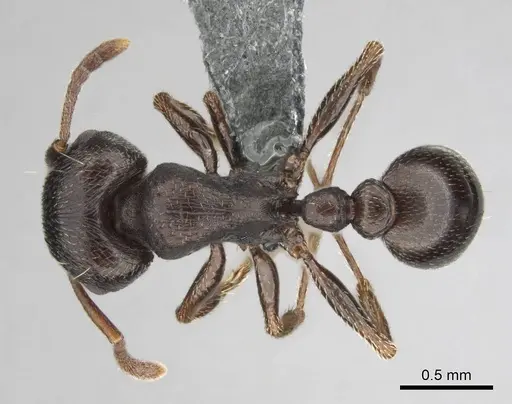
Literature
Loading...Loading products...