

Temnothorax whitfordi
- Scientific Name
- Temnothorax whitfordi
- Tribe
- Crematogastrini
- Subfamily
- Myrmicinae
- Author
- Mackay, 2000
- Distribution
- Found in 2 countries
Temnothorax whitfordi Overview
Temnothorax whitfordi is an ant species of the genus Temnothorax. It is primarily documented in 2 countries , including Mexico, United States of America. Detailed taxonomic data and occurrence records can be further explored via authoritative databases such as AntWeb or the Global Biodiversity Information Facility (GBIF).
Temnothorax whitfordi
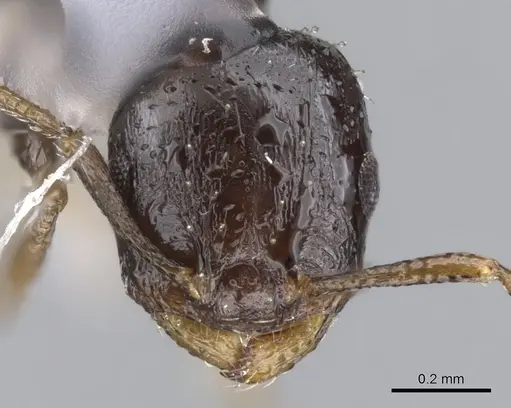
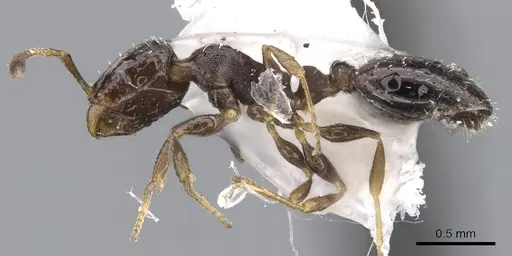
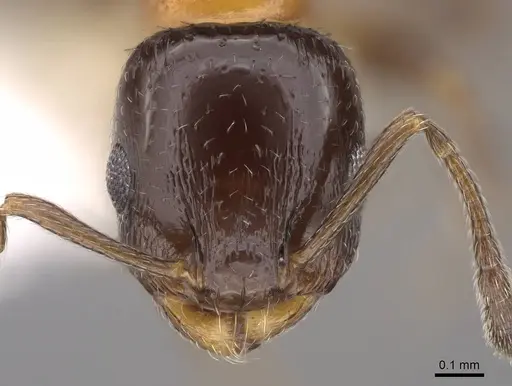
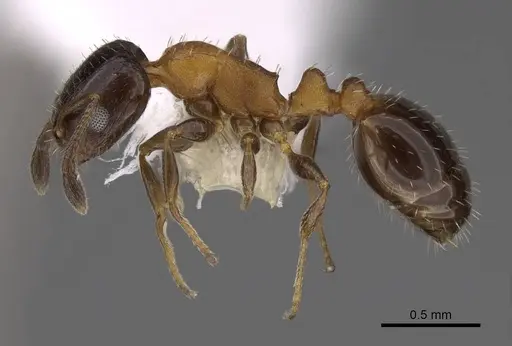
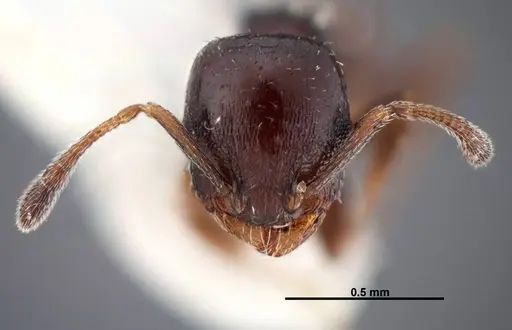
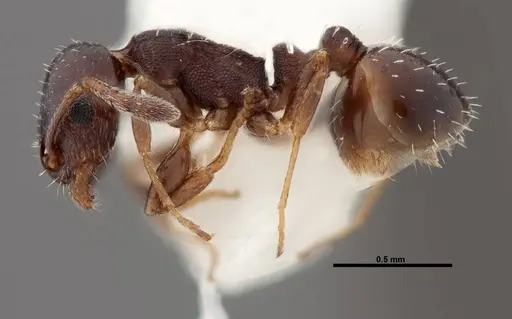
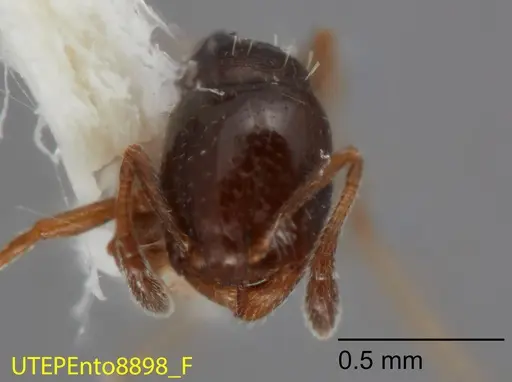
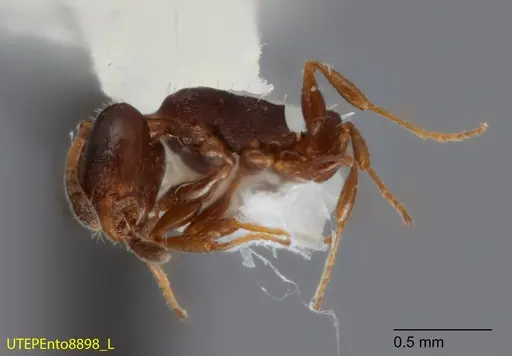
Temnothorax whitfordi is a small, dark brown ant native to the southwestern United States and northern Mexico. Workers measure just 0.54-0.62mm in head length, making them typical of the acorn ant genus, tiny ants that nest in pre-made cavities in branches, twigs, and acorns [1]. The species is identified by its 11-segmented antenna, smooth and shiny head surface, and coarse punctures on the mesosoma (the middle body section) [1]. Queens are slightly larger at around 0.65mm head length and have fully developed wings before mating [2]. These ants inhabit areas ranging from desert scrub with Yucca, mesquite, and Opuntia to oak forests and mixed pine-juniper-oak woodlands at elevations between 4900-5700 feet [3][2].
Unlike the docile nature many people expect from tiny ants, T. whitfordi is notably aggressive, more so than typical Temnothorax species. When their nest is disturbed, workers actively rescue the brood rather than fleeing. They possess a functional stinger that delivers a surprisingly painful sting, comparable to that of fire ants (Solenopsis) or little fire ants (Wasmannia) [2]. This aggression likely evolved as a defense against predators like Liometopum apiculatum, which actively hunts their brood [2].
Quick Summary
- Difficulty: Medium
- Origin & Habitat: Southwestern United States (Arizona, southeastern New Mexico, western Texas) and northern Mexico. Found in desert scrub, oak forests, and mixed pine-juniper-oak woodlands at elevations of 4900-5700 feet [3][2].
- Colony Type: Single-queen colonies (monogyne). Nests contain one queen with up to 116 workers documented in excavated nests [2].
- Colony: Monogyne
- Founding: Claustral
- Size & Growth:
- Queen: Approximately 0.65mm head length (queens are larger than workers) [2]
- Worker: 0.54-0.62mm head length,0.62-0.71mm mesosoma length [2]
- Colony: Up to 116 workers in wild colonies [2]
- Growth: Moderate, based on typical Temnothorax development patterns
- Development: Estimated 6-10 weeks at optimal temperature based on genus-level data for related species (Development time is inferred from typical Temnothorax patterns since species-specific data is not available. Brood has been found in nests during August, suggesting a summer reproductive cycle.)
- Antkeeping:
- Temperature: Keep nest area around 20-24°C. This species is a cold-climate specialist found in pinyon-juniper woodlands, so avoid overheating [3]. Room temperature is likely suitable for most keepers.
- Humidity: Moderate humidity. These ants naturally nest in tree branches which provide drier conditions than ground-nesting species. Allow the nest to dry out between waterings rather than keeping it constantly moist.
- Diapause: Yes, recommend a winter rest period of 8-12 weeks at 10-15°C. This aligns with their natural habitat in cooler mountainous regions [3].
- Nesting: Temnothorax whitfordi naturally nests in pre-made cavities in tree branches, including oak branches and mesquite. In captivity, they do well in small acrylic nests (Y-tong style), test tubes with cotton, or small naturalistic setups. They prefer tight-fitting chambers scaled to their tiny size, avoid large, open spaces.
- Behavior: This species is more aggressive than typical acorn ants. They will readily sting if threatened, and the sting is noticeably painful for such a small ant [2]. Workers are active foragers and will recruit nestmates to food sources. They are escape risks due to their very small size, use fine mesh barriers and tight-fitting lids. When disturbed, they prioritize rescuing brood over escaping [2].
- Common Issues: escape prevention is critical, their tiny size means they squeeze through standard barrier setups, stinging behavior may surprise keepers expecting docile acorn ants, slow colony growth can frustrate beginners, colonies max out around 100-150 workers, overheating is a real risk, they come from cooler mountainous habitats, wild-caught colonies may have parasites or damage from collection
Housing and Nest Setup
Temnothorax whitfordi is well-suited to small nest setups typical for acorn ants. A Y-tong (acrylic) nest with narrow chambers works excellently, as does a properly set up test tube formicarium. The key is providing appropriately scaled chambers, these are tiny ants, so passages and rooms should be proportionally small. Naturalistic setups with small twigs or cork bark can also work well, mimicking their natural preference for cavity nesting in branches. Ensure your escape prevention is excellent, their small size means they can slip through gaps that would contain larger ants. Use fluon on container rims and fine mesh on any ventilation. [3][2]
Feeding and Diet
As generalist foragers, T. whitfordi accepts a variety of foods. Offer small protein sources like fruit flies, pinhead crickets, and mealworms, cut prey into appropriately tiny pieces. They also consume honeydew and sugar sources, so provide occasional honey water or sugar water. In the wild, they forage actively and likely supplement their diet with nectar and small insects. Feed protein 2-3 times per week and keep a sugar source available at all times. Remove uneaten prey after 24-48 hours to prevent mold. [3]
Temperature and Seasonal Care
This is a cold-climate species adapted to higher elevations in pinyon-juniper woodlands [3]. Keep the nest at room temperature (20-24°C) and avoid placing them near heat sources that could cause overheating. Unlike tropical ants, they do not need constant warmth. In winter, provide an 8-12 week diapause period at 10-15°C, this can be done in a garage, basement, or refrigerator (for small colonies in test tubes). Do not feed during diapause but ensure some moisture is available. Resume normal feeding and warming gradually in spring.
Behavior and Defense
Be prepared for a more defensive ant than typical acorn ants. When their nest is disturbed, workers prioritize rescuing brood rather than simply fleeing [2]. More importantly, they will sting if they feel threatened, and unlike many small ants, their sting actually hurts, comparable to fire ant stings [2]. This is likely an adaptation for defending against predators like Liometopum apiculatum, which preys on their brood [2]. Handle gently and avoid disturbing the nest unnecessarily. The sting is not dangerous to healthy humans but can be uncomfortable.
Colony Development
Colonies start with a claustral queen who seals herself in a small chamber and raises the first workers (nanitics) entirely on her stored fat reserves. After the first workers emerge, the colony grows gradually. Wild colonies have been documented with up to 116 workers [2], and captive colonies likely stay in this range. Growth is moderate, expect 6-10 weeks from egg to first worker based on typical Temnothorax development. Colonies are small even at maturity, which is typical for the genus. Be patient with founding colonies, they can take months to establish stable worker populations.
Frequently Asked Questions
Can I keep Temnothorax whitfordi in a test tube?
Yes, test tubes work well for founding colonies. Use a small test tube with a water reservoir sealed with cotton. The queen will seal herself into a dark chamber and raise her first workers there. For established colonies, you can transition to a small acrylic nest (Y-tong) or naturalistic setup.
Do Temnothorax whitfordi ants sting?
Yes, they can sting and do so if threatened. Unlike many small ants that merely bite or spray formic acid, T. whitfordi has a functional stinger that delivers a surprisingly painful sting comparable to fire ants. Handle with care and avoid provoking them.
How long does it take for Temnothorax whitfordi to raise first workers?
Expect 6-10 weeks from egg to first worker at room temperature (20-24°C). This is based on typical Temnothorax development patterns since species-specific timing hasn't been documented. Founding colonies can be slow, be patient and avoid disturbing the queen during this critical period.
Are Temnothorax whitfordi good for beginners?
They are rated as medium difficulty. While small and manageable, their aggressive stinging behavior and specific temperature needs make them better suited for keepers with some experience. Their cold-climate requirements and small colony size require different thinking than more common tropical species.
Do Temnothorax whitfordi need hibernation?
Yes, they benefit from an 8-12 week winter rest period at 10-15°C. This aligns with their natural habitat in cooler mountainous regions. Place the colony in a cool location (garage, basement, or refrigerator for test tube colonies) during winter. Do not feed during diapause but ensure some moisture is available.
How big do Temnothorax whitfordi colonies get?
Wild colonies reach up to 116 workers, and captive colonies will likely stay in the 100-150 worker range. This is typical for acorn ants, small colonies rather than the massive supercolonies some ant species produce. They remain a compact, manageable species even at maturity.
What do Temnothorax whitfordi eat?
They are generalist foragers. Offer small live prey like fruit flies or tiny crickets as protein (2-3 times weekly), and provide a constant sugar source like honey water or sugar water. They will also consume nectar and honeydew if available. Cut prey into appropriately small pieces for these tiny ants.
Why are my Temnothorax whitfordi dying?
Common causes include: overheating (they're cold-climate specialists), escape through tiny gaps due to their small size, stress from too much disturbance during founding, or poor nutrition. Also check for mold in the nest and ensure humidity isn't too high, they prefer drier conditions than ground-nesting species.
Can I keep multiple Temnothorax whitfordi queens together?
No, this is a single-queen (monogyne) species. Unlike some Temnothorax that can form multi-queen colonies, T. whitfordi typically has only one queen per nest. Combining unrelated queens will likely result in fighting.
When should I move Temnothorax whitfordi to a formicarium?
Wait until the colony has 20-30 workers before transitioning from a test tube to a larger nest. Foraging test tubes work fine for smaller colonies. When moving, create a gentle connection between the test tube and the new nest, do not force them. They prefer tight chambers scaled to their tiny size.
References

This caresheet is licensed under CC BY-SA 4.0 .
CASENT0005934
View on AntWeb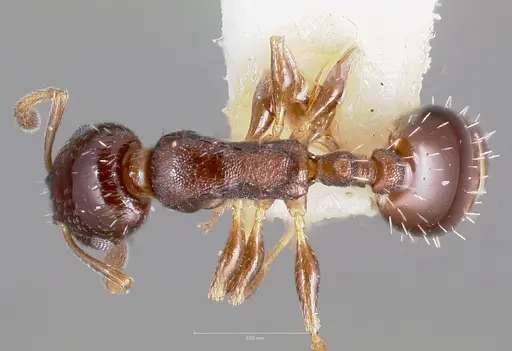
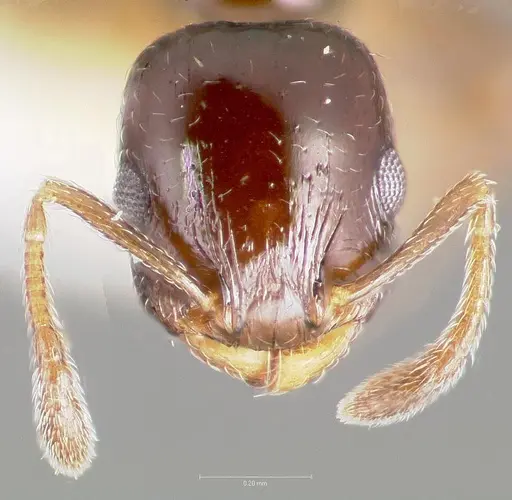
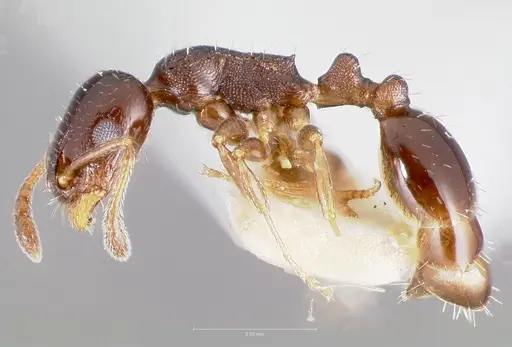
CASENT0901791
View on AntWeb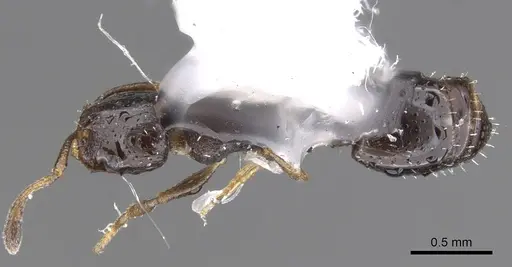
CASENT0922577
View on AntWeb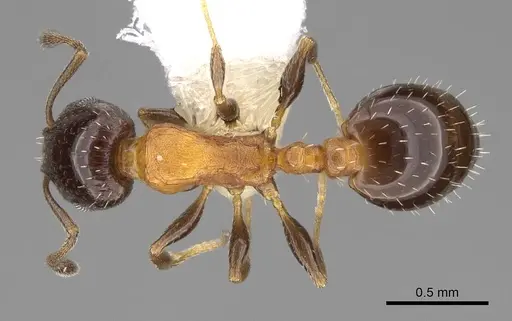
FMNHINS0000049465
View on AntWeb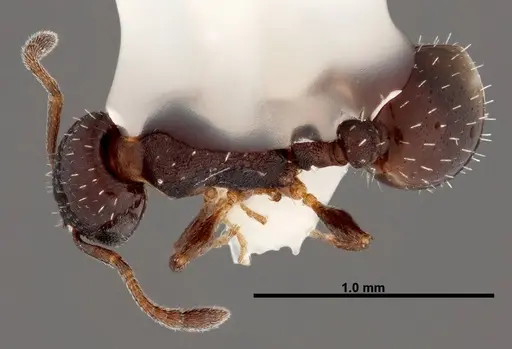
UTEPENTO8898
View on AntWeb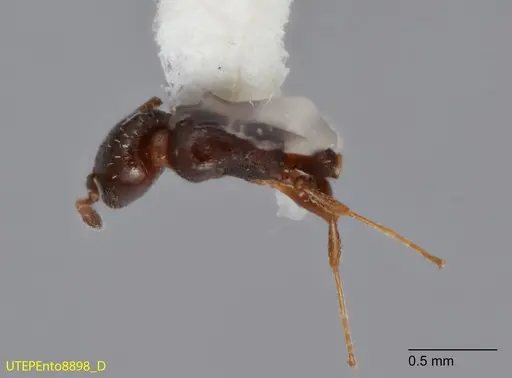
Literature
Loading...Loading products...