

Temnothorax tuscaloosae
- Scientific Name
- Temnothorax tuscaloosae
- Tribe
- Crematogastrini
- Subfamily
- Myrmicinae
- Author
- Wilson, 1951
- Distribution
- Found in 1 countries
Temnothorax tuscaloosae Overview
Temnothorax tuscaloosae is an ant species of the genus Temnothorax. It is primarily documented in 1 countries , including United States of America. Detailed taxonomic data and occurrence records can be further explored via authoritative databases such as AntWeb or the Global Biodiversity Information Facility (GBIF).
Temnothorax tuscaloosae
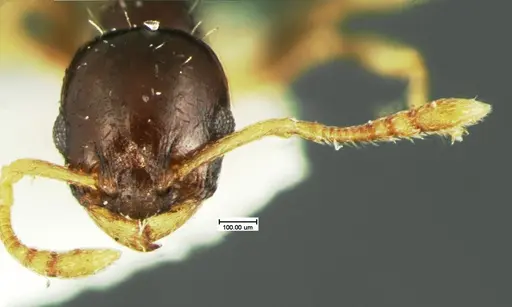
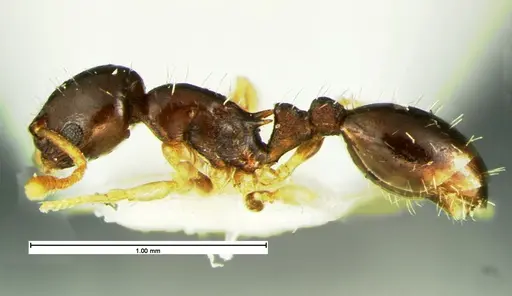
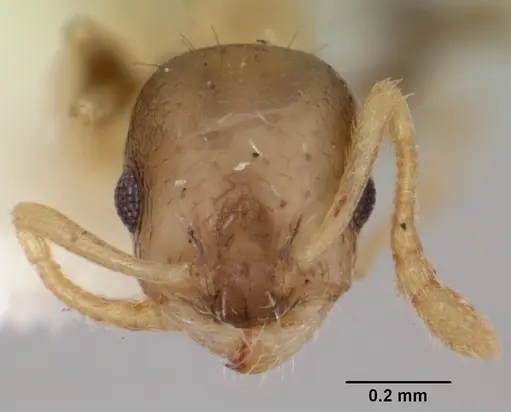
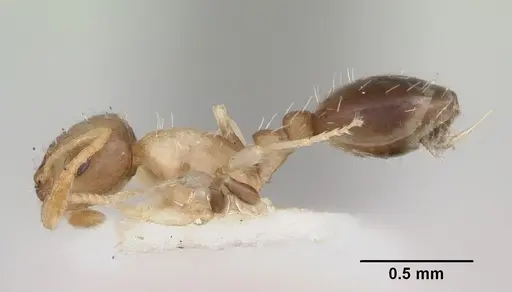
Temnothorax tuscaloosae is a tiny, dark brown ant species native to the southeastern United States. Workers measure approximately 1.9mm and have a shiny appearance with pale yellow legs and antennae, making them look somewhat like small dark Monomorium workers in the field [1]. The species is best known for its extraordinary colony structure, it has the highest documented queen numbers in the genus Temnothorax, with colonies averaging over 10 queens and some nests containing up to 38 egg-laying queens [2][3]. This extreme polygyny (multiple-queen colony structure) is rare among ants and makes this species particularly unusual. Colonies are small, typically containing around 50-55 workers, but they pack in many queens that all actively reproduce [2]. The species nests in tiny cavities like acorns, hickory nuts, and hollow twigs in deciduous forest leaf litter [2][4].
Quick Summary
- Difficulty: Medium
- Origin & Habitat: Southeastern United States, found in Alabama, Mississippi, North Carolina, Tennessee, South Carolina, Georgia, and Virginia. Inhabits deciduous forest habitats, particularly mesic hardwood forests where it nests in acorns, hickory nuts, and small cavities in leaf litter at the base of large trees [2][5][4].
- Colony Type: Extremely polygynous, colonies average 10.4 ± 7.7 queens (range 1-38), with 77.3% being polygynous (5+ queens),21.3% oligogynous (2-4 queens), and only 1.3% monogynous. All queens are mated and actively laying eggs. Workers can also lay unfertilized eggs. Colonies show unicolonial behavior, nest fusion experiments showed 92.9% of colonies fuse within 5 days regardless of distance [2][3].
- Colony: Optionally polygyne, Oligogyne, Supercolonial
- Special: Gamergates
- Size & Growth:
- Queen: Approximately 2.7mm [1].
- Worker: Approximately 1.9mm [1].
- Colony: Average 54.5 ± 41.8 workers per colony [2].
- Growth: Moderate, based on typical Temnothorax development patterns.
- Development: Estimated 6-10 weeks based on typical Temnothorax genus development. (Development time is inferred from related Temnothorax species as specific timing has not been documented for this species.)
- Antkeeping:
- Temperature: Keep at room temperature, roughly 20-24°C. As a subtropical species from the southeastern US, they can tolerate warmer conditions but avoid extreme heat. Virginia populations experience winter freezing, so they can handle cooler temperatures during hibernation [2].
- Humidity: Moderate to high humidity, they nest in leaf litter and acorns in forest environments. Keep the nest substrate lightly moist but not waterlogged, with some drier areas available.
- Diapause: Yes, Virginia populations experience winter conditions with episodic freezing temperatures. Provide a winter rest period at cooler temperatures (around 10-15°C) for 2-3 months [2].
- Nesting: Use small, tight chambers scaled to their tiny size. Y-tong (AAC) nests or small test tube setups work well. They naturally nest in acorns, hickory nuts, and small cavities in rotting wood or soil, a naturalistic setup with small hollow structures mimics their natural nesting sites [2][4].
- Behavior: Workers are small and dark, foraging on the ground in forest habitats. Colonies are not aggressive and show unusual social tolerance, nest fusion experiments revealed no aggressive behavior between individuals from different colonies, even at distances up to 200m [2]. This unicolonial tendency means they may readily fuse with unrelated colonies. Escape prevention should be excellent due to their very small size. Workers can lay eggs, which is unusual for most ant species but documented in this species [2].
- Common Issues: escape prevention is critical, tiny size means they can squeeze through standard barriers, multiple egg-laying queens may cause confusion about colony structure for beginners, small colony size (under 100 workers) may seem slow-growing but is normal for this species, winter hibernation is required, colonies may die if kept warm year-round in temperate climates, wild-caught colonies may have parasites despite no known social parasites being documented
Understanding the Extreme Polygyny
Temnothorax tuscaloosae holds the record for the highest queen numbers known in the genus Temnothorax. Studies found colonies averaging 10.4 queens, with some nests containing up to 38 egg-laying queens [2]. This is extraordinary, most Temnothorax species have only 1-2 queens per colony. The species is functionally polygynous, meaning all queens in a colony are mated and actively laying eggs. Researchers dissected 240 queens from 19 colonies and found 235 had developed eggs ready to lay, even in nests with over 20 queens [2]. Even more remarkably, workers can also reproduce, dissections showed 4 of 12 workers had reproductive organs (ovarioles), and one worker contained a mature egg [2]. This multiple-queen system is called polygyny. For antkeepers, this means your colony will naturally have multiple queens, which is normal for this species and not a problem to resolve.
Colony Fusion Behavior
This species shows unicolonial tendencies, colonies are extremely tolerant of each other. In experiments, researchers placed workers from different colonies together and 92.9% fused within 5 days regardless of distance (tested up to 200 meters) [2]. No aggressive behavior was observed between individuals from different colonies. This suggests the species may not maintain strict colony boundaries like most ants do. For keepers, this means introducing workers from different T. tuscaloosae colonies will likely result in peaceful integration rather than fighting. However, this also means you should be careful about keeping multiple colonies near each other if you want to maintain separate colonies, they may fuse on their own.
Nesting and Housing
In the wild, T. tuscaloosae nests in tiny cavities, primarily acorns and hickory nuts in leaf litter, but also small cavities in soil, under rocks, and in rotting wood near the base of large trees [2][4]. They prefer mesic (moderately moist) hardwood forest areas. For captive care, use small, tight chambers scaled to their tiny 1.9mm workers. A Y-tong (AAC) nest with narrow passages works well, or you can create a naturalistic setup with actual acorns or small hollow structures. Keep the nesting area humid but not wet, these forest-floor ants need moisture but not saturation. The outworld should be simple since workers are small foragers that travel modest distances.
Temperature and Seasonal Care
As a subtropical species from the southeastern United States, T. tuscaloosae prefers warmer conditions but has adapted to temperate climates in its northern range (Virginia). The Virginia population experiences winter conditions with yearly episodic freezing temperatures, so this species does require a winter dormancy period [2]. Keep colonies at room temperature (roughly 20-24°C) during the active season. In fall, reduce temperatures to around 10-15°C for 2-3 months to simulate winter. This hibernation period is important for colony health and may trigger reproductive behavior in spring. Do not keep them warm year-round as this can stress the colony.
Feeding and Diet
Like other Temnothorax species, T. tuscaloosae likely feeds on honeydew, small insects, and nectar in the wild. They are small predators that forage in leaf litter. In captivity, offer small protein sources like fruit flies, pinhead crickets, and mealworms. They will also accept sugar water or honey. Feed small amounts 2-3 times per week and remove uneaten prey to prevent mold. Their small size means even tiny prey items are appropriate, avoid large insects that they cannot subdue. [1]
Growth and Development
Colonies are relatively small compared to many common ant species, with an average of about 55 workers [2]. This is normal for the species, they are not slow-growing, they simply stay small. Larger colonies tend to have more queens (statistically correlated), suggesting queen number drives colony growth potential [2]. Development from egg to worker likely takes 6-10 weeks based on typical Temnothorax patterns, though this has not been specifically studied for this species. The presence of multiple egg-laying queens means colonies can produce workers steadily once established.
Frequently Asked Questions
How many queens will my Temnothorax tuscaloosae colony have?
This species naturally has multiple queens, colonies average around 10 queens, with some having up to 38. Unlike most ant species where multiple queens fight to the death, all these queens peacefully coexist and actively lay eggs. Expect your colony to have multiple queens from the start, which is completely normal for this species [2].
Are Temnothorax tuscaloosae good for beginners?
This is a medium-difficulty species. They are small and require excellent escape prevention, but their colony requirements are straightforward. The main challenge is understanding their unusual polygynous colony structure, having multiple egg-laying queens is normal, not a problem to fix. They also need winter hibernation. If you can provide small housing and proper seasonal care, they are manageable for intermediate keepers.
Do Temnothorax tuscaloosae ants sting?
Temnothorax ants are tiny and not known for stinging. Their small size and docile nature make them unlikely to pose any danger. They may bite if handled roughly, but the bite is negligible due to their minute size.
How long does it take for eggs to become workers?
Specific development timing has not been documented for this species, but based on typical Temnothorax genus patterns, expect roughly 6-10 weeks from egg to first worker at room temperature. The multiple queens may help speed up production once the colony is established.
Can I keep multiple Temnothorax tuscaloosae colonies together?
Yes, and they may actually fuse on their own. Research shows 92.9% of colonies will merge within 5 days when placed together, with no aggressive behavior observed [2]. This species shows unicolonial tendencies, they are extremely tolerant of unrelated conspecifics. However, if you want to maintain separate colonies, keep them well-separated.
What do Temnothorax tuscaloosae eat?
They likely accept small protein sources (fruit flies, tiny crickets, mealworms) and sugar sources (honey water, sugar water) like other Temnothorax species. Feed small prey items 2-3 times per week and provide constant access to sugar water. Remove uneaten prey to prevent mold.
Do Temnothorax tuscaloosae need hibernation?
Yes. As a species found as far north as Virginia where winters include freezing temperatures, they require a winter rest period [2]. In fall, reduce temperatures to 10-15°C for 2-3 months. This mimics their natural seasonal cycle and is important for colony health.
How big do Temnothorax tuscaloosae colonies get?
Colonies average about 55 workers, with some reaching around 100 [2]. This is relatively small compared to many common ant species, but normal for this tiny acorn-nesting ant. The many queens (average 10+) make up for the modest worker count.
What size nest do I need for Temnothorax tuscaloosae?
Use small, tight chambers scaled to their tiny 1.9mm workers. A Y-tong (AAC) nest with narrow passages works well, or small test tube setups. They naturally nest in acorns and hickory nuts, so a naturalistic setup with small hollow structures also works. Avoid large, open spaces.
Why are my Temnothorax tuscaloosae dying?
Common causes include: escape due to small size (use fine mesh and tight barriers), improper humidity (too dry causes desiccation, too wet causes mold), lack of hibernation in winter, and stress from overheating. They are subtropical but need cooler winter rest. Also ensure you are not accidentally keeping them with aggressive invasive ants like fire ants (Solenopsis invicta), which have invaded their native habitat [2].
Will workers fight if I combine two colonies?
Likely not. This species shows unusual social tolerance, experiments showed no aggressive behavior when combining workers from different colonies [2]. They may actually fuse peacefully. This is different from most ant species where introducing foreign workers triggers fighting.
References

This caresheet is licensed under CC BY-SA 4.0 .
CASENT0105628
View on AntWeb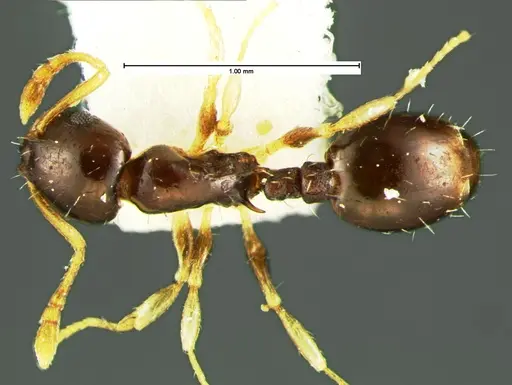
CASENT0172600
View on AntWeb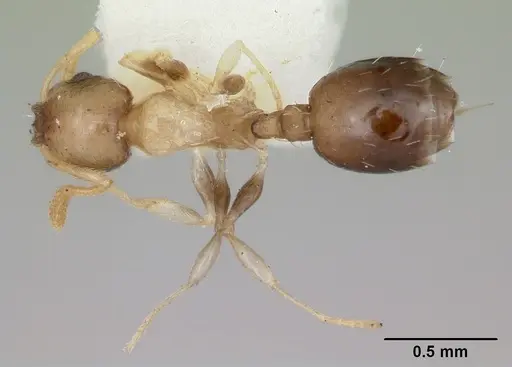
Literature
Loading...Loading products...