Tetramorium zambezium - "Zambezian Pavement Ant"
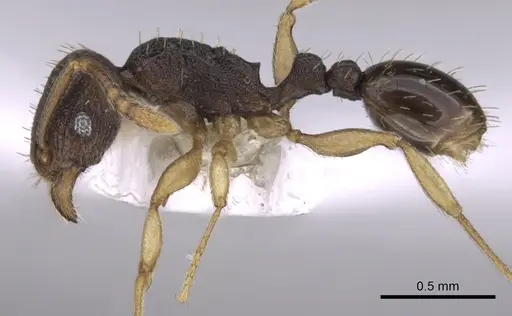
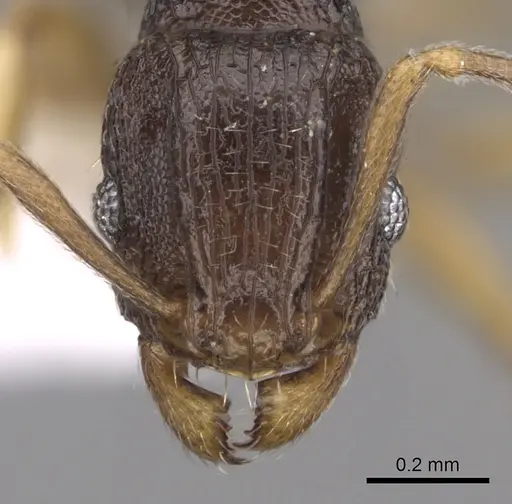
Tetramorium zambezium is an ant species found across parts of Africa, known for its dark yellow-brown coloration with lighter extremities. Workers are relatively small, measuring between 2.1-2.9 mm in total length. They have distinguishing features like a single stiff hair projecting anteriorly immediately behind the eye, reticulopunctate heads, alitrunks, and pedicels with longitudinal rugae on their dorsal surfaces, and short, upturned, triangular propodeal spines. These ants typically nest in the ground and can be found tending to aphids on plants like cocoa.
- Difficulty: Easy
- Origin & Habitat: Africa (primarily West, Central, and Southern Africa, including Zimbabwe, Nigeria, Ghana, Ivory Coast, Congo, and Gabon) in Forests, leaf litter, decaying wood, soil, urban and suburban areas, under rocks/pavement, often associated with agricultural areas like cocoa farms..
- Colony Type: Monogyne (single queen) or Polygyne (multiple queens), claustral (queen seals herself in) founding.
- Size & Growth:
- Queen: 5.5-8mm
- Worker: 2.1-4mm
- Colony: Large (tens of thousands). Fast growth.
- Antkeeping:
- Temperature: Ideally between 21-27°C (70-81°F). They can be kept at room temperature but higher temperatures accelerate brood development..
- Humidity: Preferred humidity range is 50-60%. A humidity gradient in the nest is beneficial..
- Diapause: Required. 2-4 months at 5-10°C.
- Nesting: They do well in nests with tighter tunnels and varying humidity levels. Natural setups with soil or sand-clay mix, or artificial nests made of acrylic or wood are suitable..
- Behavior: Medium (towards handler, food or other ants) aggressiveness.
- Common Issues: Mold in nest, Mites, Colony stalling, Humidity fluctuations, Queen stress.
One fascinating aspect of Tetramorium zambezium, much like other Tetramorium species, is their generalist diet. These ants are not picky eaters, readily consuming a variety of liquid sugars, proteins, and even some seeds. In the wild, they are known to scavenge on discarded food and even tend to aphids for honeydew, showcasing their adaptability. For antkeepers, this means a diverse diet is key to a thriving colony, ensuring they receive all necessary nutrients for robust growth and worker production.
Colony growth rate is a major highlight for Tetramorium zambezium. These ants are known for their incredibly fast-growing colonies, often reaching thousands of workers within the first year with proper heating and consistent feeding. The queen is a prolific egg-layer, constantly producing impressive amounts of brood. This rapid expansion makes them a highly engaging species to observe, as the formicarium quickly fills with bustling activity and new generations of workers.
While Tetramorium species are generally easy to care for, keepers should be mindful of their aggressive nature, particularly towards other ant species. In the wild, 'ant wars' between neighboring colonies are a common sight, especially during territorial disputes. This assertiveness extends to foraging, as they are known to swarm food sources with ferocity. For the antkeeper, this means ensuring escape prevention measures are robust and that they are not housed near other ant species without extreme caution.
Diapause, or hibernation, is a crucial period for Tetramorium zambezium, especially for colonies originating from temperate regions. This resting phase, typically lasting a few months during cooler periods, is vital for the queen's health and long-term productivity. Providing the correct temperature range for diapause ensures the colony emerges refreshed and ready for another season of exponential growth. Neglecting this period can lead to colony stalling or a decline in the queen's laying rate.
When selecting a nest for Tetramorium zambezium, consider their natural habits. These ants prefer to nest in the ground, under rocks, or in crevices, often creating intricate tunnel systems. Formicaria that offer a humidity gradient and tighter tunnels, mimicking their natural subterranean environments, will be highly appreciated. While adaptable, avoiding overly smooth or steep tubing in outworlds is advisable, as they are not particularly adept climbers, preferring more horizontal paths for foraging.
Frequently Asked Questions
Are Tetramorium zambezium good ants for beginners?
Absolutely! Tetramorium zambezium, like many other Tetramorium species, is considered an excellent choice for beginner antkeepers. They're hardy, adaptable, and their colonies grow quickly, offering a very rewarding experience for new enthusiasts.
How fast do Tetramorium zambezium colonies grow?
These colonies are known for their impressive growth rate! With consistent feeding and proper heating, you can expect a Tetramorium zambezium colony to reach thousands of workers within the first year, making them incredibly active and engaging to observe.
What should I feed my Tetramorium zambezium colony?
Tetramorium zambezium are true generalists. For their carbohydrate needs, offer liquid sugars like honey, sugar water, or fruit. For protein, which is essential for queen and brood development, provide insects such as crickets, mealworms, or fruit flies. They're also semi-granivorous, so some seeds can be a good addition.
Do Tetramorium zambezium need to hibernate?
Yes, Tetramorium zambezium from temperate regions typically require a diapause period, or hibernation, during the cooler months. This resting phase is crucial for the queen's long-term health and the colony's overall vitality. Aim for about 2-4 months at a cooler temperature, ideally between 5-10°C.
What kind of nest is best for Tetramorium zambezium?
Tetramorium zambezium thrive in setups that mimic their natural underground nests. Formicaria with a sand or soil-clay mix substrate are ideal, allowing them to dig their own tunnels. Artificial nests made of acrylic or wood with varying humidity levels and tighter tunnels also work well.
Are Tetramorium zambezium aggressive?
While generally not aggressive towards handlers unless provoked, Tetramorium zambezium workers can be quite aggressive towards other ant species and will vigorously defend their territory and food sources. This behavior is often seen in their 'ant wars' in the wild.
How big do Tetramorium zambezium get?
Worker ants are quite small, ranging from about 2.1 to 4 mm. The queens are noticeably larger, typically between 5.5 to 8 mm in length.
How long does it take for a Tetramorium zambezium egg to become a worker?
The development from egg to adult worker usually takes approximately 4-6 weeks, depending on factors like temperature and feeding. This relatively fast development contributes to their rapid colony growth.
Can Tetramorium zambezium have multiple queens in one colony?
While many Tetramorium species are primarily monogynous (single queen), some, including certain Tetramorium, can exhibit polygyny (multiple queens). This can allow for even faster colony growth and larger populations.
What kind of humidity gradient do Tetramorium zambezium prefer?
They prefer a nest that offers a range of moisture levels, typically with moderately dry areas and some sections around 50-60% humidity. This allows the colony to move brood to areas with optimal humidity for their development.
What are common issues when keeping Tetramorium zambezium?
Common challenges can include mold in the nest if humidity is too high or ventilation is poor, mites, colony stalling if care requirements aren't met, overfeeding leading to waste, and fluctuations in humidity which can stress the colony. Queen stress, especially during founding, is also a consideration.
Do Tetramorium zambezium sting?
Yes, Tetramorium zambezium workers do possess a small stinger. While their sting can cause mild discomfort, it's generally considered harmless to humans.
Where do Tetramorium zambezium typically nest in the wild?
In their natural habitat, Tetramorium zambezium are often found nesting in the ground, under rocks, in leaf litter, or in decaying wood. They are also known to adapt well to urban and suburban environments, nesting under sidewalks and in pavement crevices.
Are Tetramorium zambezium polymorphic?
Workers of Tetramorium zambezium, like many in the Tetramorium genus, can exhibit mild polymorphism, meaning there's a slight variation in worker size, often with larger 'major' workers alongside smaller 'minor' workers, although distinct castes like super majors might not be as pronounced as in some other ant genera.