

Temnothorax minozzii
- Scientific Name
- Temnothorax minozzii
- Tribe
- Crematogastrini
- Subfamily
- Myrmicinae
- Author
- Santschi, 1922
- Distribution
- Found in 1 countries
Temnothorax minozzii Overview
Temnothorax minozzii is an ant species of the genus Temnothorax. It is primarily documented in 1 countries , including Italy. Detailed taxonomic data and occurrence records can be further explored via authoritative databases such as AntWeb or the Global Biodiversity Information Facility (GBIF).
Temnothorax minozzii
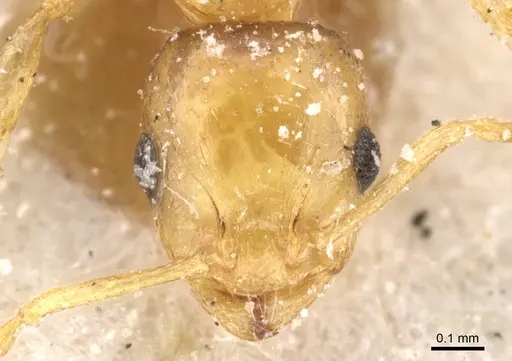
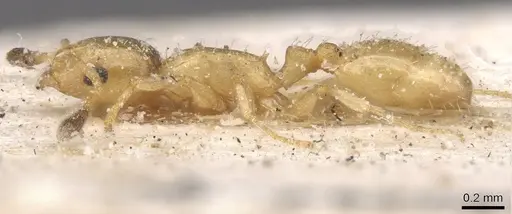
Temnothorax minozzii is a tiny ant species native to Italy, measuring just 2-4mm in worker size. These small ants belong to the Myrmicinae subfamily and are part of the yellow acorn ant group, characterized by their relatively smooth head sculpture and notably short propodeal spines compared to related species like T. apenninicus [1]. Their coloration follows the typical yellow-brown pattern seen in many Temnothorax species, though specific color details are not well documented in scientific literature. The species was originally described as Temnothorax silvestrii in 1921,but this name was already in use, so it was renamed T. minozzii in 1922 by Santschi [2]. This ant is only known from lowland sites in Italy, making it one of the more geographically restricted European Temnothorax species [1].
Quick Summary
- Difficulty: Easy
- Origin & Habitat: Italy (Palaearctic region), lowland areas only [1]. Based on typical genus behavior, they likely inhabit dry grasslands, rocky slopes, or woodland edges where they nest in small cavities under stones or in rotting wood.
- Colony Type: Likely monogyne (single queen) based on typical Temnothorax patterns. The genus commonly has ergatoid (wingless) replacement queens that can take over if the primary queen dies, but this specific trait is unconfirmed for T. minozzii.
- Colony: Monogyne
- Founding: Claustral
- Size & Growth:
- Queen: Estimated 4-5mm based on genus typical size range for Temnothorax queens [2]
- Worker: 2-4mm [1]
- Colony: Likely small colonies of 50-200 workers based on typical genus patterns
- Growth: Moderate, typical for small Myrmicinae
- Development: Estimated 6-10 weeks at optimal temperature based on related species [2] (Development time is estimated from genus-level data since species-specific research is lacking. Lower temperatures will slow development significantly.)
- Antkeeping:
- Temperature: Keep at 20-24°C (room temperature range). They can tolerate slight temperature drops but prefer stable warmth. A gentle gradient is beneficial but not required.
- Humidity: Moderate humidity around 50-70%. These are lowland ants that likely tolerate drier conditions than high-altitude relatives. Allow the nest substrate to dry partially between rehydrations.
- Diapause: Yes, as a temperate species from Italy, they will need a winter rest period. Reduce temperature to 10-15°C for 2-3 months during winter.
- Nesting: Small nests with tight chambers work best. In nature they likely nest under stones or in small cavities. Y-tong (AAC) nests with narrow passages or small test tube setups work well for their tiny size.
- Behavior: Generally peaceful and non-aggressive. Workers are small and active, foraging individually rather than in trails. They are not known to sting and pose no danger to keepers. Their tiny size means escape prevention is important, they can squeeze through small gaps. Foraging style is typical of solitary hunters, seeking small insects and honeydew.
- Common Issues: tiny size makes escape likely without fine mesh barriers, slow colony growth can frustrate beginners who overfeed or disturb the nest, winter die-off if diapause conditions are not provided properly, wild-caught colonies may have parasites that are difficult to detect, test tube setups can dry out quickly in dry environments
Housing and Nest Setup
Temnothorax minozzii are tiny ants that need appropriately scaled housing. A test tube setup works well for founding colonies, use a small test tube with a cotton ball separating the water reservoir from the ants. The tube should be small enough that the queen can easily reach the water but not so large that workers get lost. For established colonies, a Y-tong (AAC) nest with narrow chambers or a small acrylic formicarium works well. The key is tight-fitting connections and small passages, these ants are experts at finding escape routes through tiny gaps. Always use fluon or another barrier on the edges of any setup you use. A naturalistic setup with a small container filled with soil and a flat stone on top can also work well, mimicking their natural under-stone nesting preference. [2]
Feeding and Diet
Like most Temnothorax species, T. minozzii likely accepts a varied diet. Offer sugar water or honey as a constant energy source, a small drop every few days is sufficient. For protein, provide small live prey like fruit flies, pinhead crickets, or mealworm pieces. In the wild, these ants likely forage for small insects and tend aphids for honeydew. Feed protein roughly twice weekly, adjusting based on colony size and consumption. Remove uneaten prey after 24-48 hours to prevent mold. A small water dish is also appreciated, though they can get water from moist substrate. [2]
Temperature and Seasonal Care
Keep your colony at room temperature, ideally 20-24°C. These are lowland Italian ants, so they prefer warmth but not extreme heat. Avoid temperatures above 28°C as this can stress the colony. During winter, they need a diapause period, reduce temperatures to 10-15°C for 2-3 months. This can be achieved by moving the colony to a cooler location like an unheated garage or basement. Do not feed during diapause but keep a small water source available. Resume normal feeding and temperatures gradually in spring. This rest period is important for colony health and queen reproduction. [2]
Colony Development
A newly mated queen will seal herself into a small chamber and lay her first eggs, living off her stored fat reserves (claustral founding). The first workers, called nanitics, will be smaller than mature workers and will emerge after several weeks. After that, the colony should grow steadily with worker numbers increasing over the following months. Temnothorax colonies typically remain relatively small, usually under 200 workers. Growth rate is moderate, expect several months before you have a visible worker population. Be patient with founding colonies and avoid disturbing them during the critical early stages. [2]
Behavior and Observation
Temnothorax minozzii workers are active and curious foragers. Unlike some ants that form obvious foraging trails, these ants typically send out individual workers to search for food. They are not aggressive and will flee rather than fight when threatened. You may observe them tending small aphids if you include plants in a naturalistic setup. Workers communicate through chemical signals and may use tandem running (one worker leading another to food) which is fascinating to observe. Their small size makes them excellent for observation, you can watch them navigate mazes, tend their brood, and interact with the queen. [2]
Frequently Asked Questions
How long does it take for Temnothorax minozzii to have first workers?
Expect first workers (nanitics) to emerge 6-10 weeks after the queen lays eggs, assuming temperatures around 20-24°C. This is an estimate based on related species since specific development data for T. minozzii is not available. Cooler temperatures will significantly slow development.
Can I keep Temnothorax minozzii in a test tube?
Yes, test tubes work excellently for founding colonies. Use a small test tube with a water reservoir separated by cotton. Keep it horizontal with the water end slightly elevated so condensation drips toward the ants. Cover the open end with cotton that has been stretched to remove loose fibers that could tangle the ants.
Do Temnothorax minozzii ants sting?
No, these ants are not known to sting. They are completely harmless to humans. If threatened, they will simply flee rather than defend aggressively. Their small size also means their mandibles are too tiny to be noticeable.
Do I need to hibernate my Temnothorax minozzii colony?
Yes, as a temperate species from Italy, they require a winter diapause. Reduce temperatures to 10-15°C for 2-3 months during winter. This can be done in a garage, basement, or refrigerator designed for ant keeping. Do not feed during this period but maintain a small water source.
How big do Temnothorax minozzii colonies get?
Based on typical genus patterns, colonies likely reach 50-200 workers at maturity. They are not large colony formers like some Myrmica or Lasius species. A healthy colony should reach this size within 1-2 years under good conditions.
What do Temnothorax minozzii eat?
They accept sugar sources (honey water, sugar water) and protein (small insects like fruit flies, mealworms, pinhead crickets). Feed protein 1-2 times weekly and keep a sugar source available at all times. Remove uneaten food promptly to prevent mold.
Are Temnothorax minozzii good for beginners?
Yes, they are considered easy to keep. They are forgiving of minor care mistakes, don't require specialized equipment, and are peaceful to handle. Their small size and simple requirements make them suitable for new ant keepers.
When should I move my colony to a formicarium?
Wait until the colony has at least 20-30 workers and the test tube is becoming crowded. Moving too early can stress the colony. When you do move them, connect the test tube to the new nest and let them migrate on their own, do not shake or force them.
Can I keep multiple queens together?
Temnothorax are typically monogyne (single queen) species. Combining unrelated queens is not recommended as they will likely fight. If you catch multiple foundresses, keep them in separate test tubes until you can identify a single queen colony.
References

This caresheet is licensed under CC BY-SA 4.0 .
CASENT0912964
View on AntWeb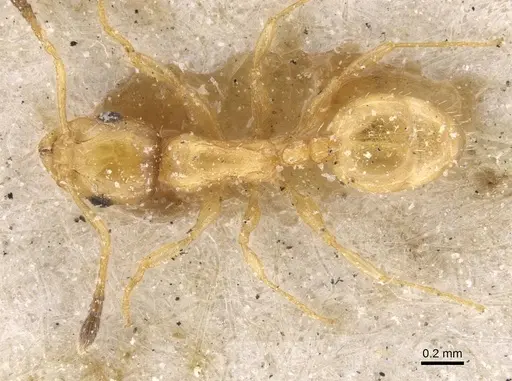
Literature
Loading...Loading products...