

Temnothorax korbi
- Scientific Name
- Temnothorax korbi
- Tribe
- Crematogastrini
- Subfamily
- Myrmicinae
- Author
- Emery, 1924
- Distribution
- Found in 1 countries
Temnothorax korbi Overview
Temnothorax korbi is an ant species of the genus Temnothorax. It is primarily documented in 1 countries , including Türkiye. Detailed taxonomic data and occurrence records can be further explored via authoritative databases such as AntWeb or the Global Biodiversity Information Facility (GBIF).
Temnothorax korbi
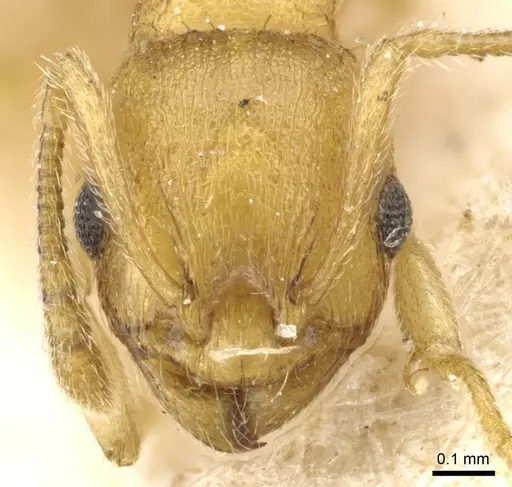
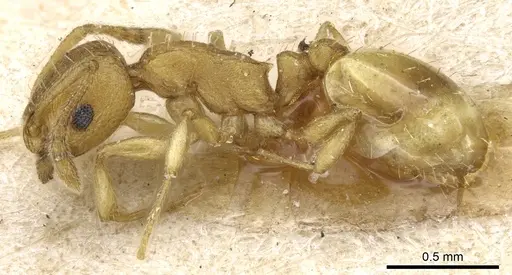
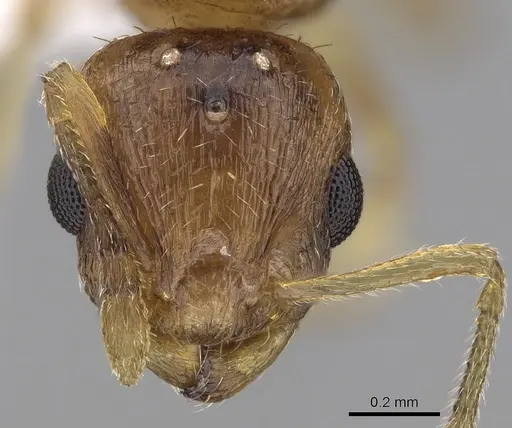
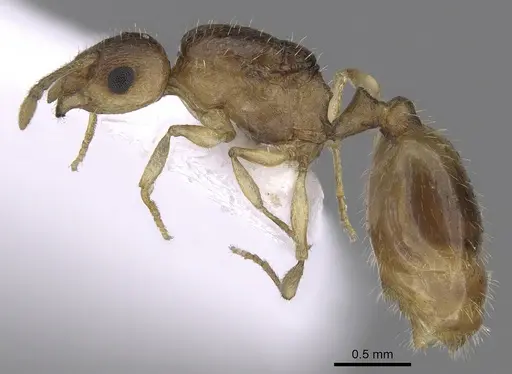
Temnothorax korbi is a small, reddish-brown ant native to the Caucasus region and surrounding areas. Workers measure around 3-4mm and feature the characteristic short propodeal spines typical of the corticalis species group, along with a shallow metanotal groove that distinguishes this species from similar relatives [1][2]. Originally described from Talysh, Azerbaijan in 1924,this species has been recorded across Azerbaijan, Georgia, and Turkey in the Palaearctic region [3][4]. The species was originally classified as Temnothorax corticalis var. korbi before being raised to species status and transferred to the genus Temnothorax [1].
This species is part of a group of small, cavity-nesting ants that prefer sheltered microhabitats. Like other Temnothorax species, T. korbi is relatively docile and forms modest colonies. Interestingly, this species has been documented as a host for the socially parasitic ant Temnothorax gordiagini in Turkey, which is a slave-making ant that infiltrates Temnothorax colonies [5]. This parasitic relationship is one of the more notable aspects of the species' biology, though captive colonies are unlikely to encounter this parasite.
Quick Summary
- Difficulty: Medium
- Origin & Habitat: Caucasus region (Azerbaijan, Georgia) and Turkey, found in mountainous areas and forested regions with moderate humidity [3][4]. Typical cavity-nesting ant that lives under stones, in rotting wood, or in small crevices.
- Colony Type: Likely single-queen (monogyne) colonies based on typical Temnothorax patterns. Colony size likely modest, probably under 200-300 workers at maturity based on genus typical size [1].
- Colony: Monogyne
- Founding: Claustral
- Size & Growth:
- Queen: Estimated 5-6mm based on genus typical measurements [1].
- Worker: Approximately 3-4mm based on species description [1].
- Colony: Estimated 100-300 workers at maturity based on typical Temnothorax colony sizes.
- Growth: Moderate, typical for small Myrmicinae ants.
- Development: Estimated 6-10 weeks based on related Temnothorax species [1]. (Development time is estimated from genus-level data since species-specific timing has not been documented.)
- Antkeeping:
- Temperature: Keep at 20-24°C, these are temperate-adapted ants from the Caucasus region that prefer moderate temperatures [1]. Avoid overheating. Room temperature within this range works well.
- Humidity: Moderate humidity around 50-60%. These ants prefer slightly drier conditions compared to tropical species. Provide a water tube but allow the nest to dry out partially between rehydration.
- Diapause: Yes, as a temperate species from the Caucasus, they require a winter dormancy period. Provide 2-3 months of temperatures around 10-15°C during winter [1].
- Nesting: Small cavities work best, test tubes, Y-tong nests with narrow chambers, or small acrylic nests. They prefer tight-fitting spaces. Avoid large open formicaria. Naturalistic setups with flat stones or small rotting wood pieces also work well.
- Behavior: Docile and non-aggressive. Workers are small and typically calm. They are not known to be escape artists but their small size means standard escape prevention (Fluon on container edges, tight-fitting lids) should still be used. Foraging is typical of the genus, they scavenge and tend aphids for honeydew. They may form small trails to food sources.
- Common Issues: colonies may grow slowly, leading to impatience and overfeeding which causes mold, test tube setups can dry out quickly, monitor moisture levels regularly, winter dormancy is essential for this temperate species, skipping diapause can weaken colonies, tiny workers can escape through standard barriers, use fine mesh and proper sealing, wild-caught colonies may carry parasites like Myrmoxenus, quarantine and monitor new colonies
Housing and Nest Setup
Temnothorax korbi does best in small, enclosed nest spaces that mimic their natural cavity-nesting preferences. Test tube setups work excellently for founding colonies and work well for modest-sized colonies up to 100+ workers. Use a test tube with a water reservoir at one end, plugged with cotton, giving the ants a humid but not waterlogged chamber. For larger colonies, Y-tong (AAC) nests with narrow chambers are ideal, these ants prefer tight spaces and may feel exposed in large, open formicaria. Naturalistic setups with flat stones placed over soil or small pieces of rotting wood also work well. Whatever setup you choose, ensure excellent escape prevention, these tiny ants can squeeze through surprisingly small gaps. Apply Fluon or similar barrier to the upper edges of any container. [1][2]
Feeding and Diet
Like most Temnothorax species, T. korbi is omnivorous with a preference for protein foods. Offer small insects like fruit flies, pinhead crickets, or small mealworms as a primary protein source. They also readily accept sugar sources, a small drop of honey water or sugar water should be provided regularly. In the wild, these ants also tend aphids for honeydew, so offering a small amount of honeydew or sugar water mimics this natural behavior. Feed small prey items 2-3 times per week, adjusting based on colony size and consumption. Remove any uneaten prey after 24-48 hours to prevent mold. A constant sugar source (honey water or sugar water) should be available. [1]
Temperature and Seasonal Care
Keep your colony at 20-24°C, this moderate temperature range matches their native Caucasus habitat. Avoid temperatures above 28°C, as this can stress the colony. Room temperature in most homes falls within this range, making them relatively easy to maintain. During winter (roughly November through February in the Northern Hemisphere), provide a diapause period at 10-15°C. This can be achieved by moving the colony to a cooler location like an unheated garage or basement. Reduce feeding during diapause but ensure some moisture is available. The winter rest period is essential for the health of temperate species like T. korbi, colonies that are kept active year-round may become stressed and have shorter lifespans. [1][3]
Colony Development and Growth
A newly mated queen will seal herself into a small chamber and lay eggs, raising the first brood on her stored fat reserves, this is claustral founding behavior typical of the genus. The first workers (nanitics) will be smaller than mature workers and will emerge after an estimated 6-10 weeks, depending on temperature. After the nanitics emerge, the queen stops caring for the brood directly and the workers take over all colony tasks. Growth is moderate, expect the colony to reach 50 workers within the first year under good conditions. Maximum colony size is likely in the 100-300 worker range based on typical Temnothorax patterns. Colonies grow faster at warmer temperatures within the acceptable range but avoid pushing them too hard as this can reduce queen lifespan. [1][2]
Handling and Observation
Temnothorax korbi is a docile species that is pleasant to observe. Workers are small but relatively easy to watch going about their tasks. They are not aggressive and do not have a painful sting, making them safe for handling if necessary. However, their small size makes them fragile, so avoid unnecessary handling. When you need to move them, gently coax them into a test tube rather than picking them up. They are not known for escape attempts beyond typical small-ant behavior, but their tiny size means you should always use proper barriers. Observation is best done by setting up the nest near a light source and watching their activity patterns, they are most active during daylight hours. [1]
Frequently Asked Questions
How long does it take for Temnothorax korbi to produce first workers?
Expect 6-10 weeks from egg to first worker (nanitic) at optimal temperature (around 22°C). This is based on typical Temnothorax development patterns since species-specific timing has not been documented. The first workers will be smaller than mature workers but will immediately begin helping with colony tasks.
Can I keep Temnothorax korbi in a test tube setup?
Yes, test tubes work excellently for this species. Use a standard test tube with a water reservoir and cotton plug. The small chamber size matches their natural cavity-nesting preferences. Test tubes work well for colonies up to 100-200 workers. For larger colonies, consider moving to a small Y-tong or acrylic nest.
Do Temnothorax korbi ants need hibernation?
Yes, as a temperate species from the Caucasus region, they require a winter dormancy period. Provide 2-3 months of temperatures around 10-15°C during winter (typically November-February). Reduce feeding during this period but maintain some moisture. Skipping diapause can weaken the colony and reduce queen lifespan.
How big do Temnothorax korbi colonies get?
Colony size is estimated at 100-300 workers at maturity based on typical Temnothorax patterns. This is a modest colony size compared to many ant species. Growth is moderate, expect a healthy colony to reach 50+ workers within the first year after founding.
What do Temnothorax korbi ants eat?
They are omnivorous. Offer small insects (fruit flies, small mealworms, pinhead crickets) as a primary protein source 2-3 times per week. Also provide a constant sugar source like honey water or sugar water. They will also scavenge on other organic matter. Remove uneaten prey after 24-48 hours to prevent mold.
Are Temnothorax korbi good for beginners?
They are rated as medium difficulty. They are smaller and more delicate than beginner-friendly species like Lasius or Messor, but they are docile and do not require elaborate setups. The main challenges are their need for winter diapause and their small size requires attention to escape prevention. Experienced antkeepers should have success, but complete beginners may find them challenging.
Do Temnothorax korbi ants sting?
They are not known for having a painful sting. As small Myrmicinae, they technically have a stinger but it is rarely used and would cause minimal discomfort to humans. They are considered docile and non-aggressive.
What temperature is best for Temnothorax korbi?
Keep them at 20-24°C. This moderate temperature range matches their native Caucasus habitat. Room temperature in most homes falls within this range. Avoid temperatures above 28°C as this can stress the colony. A slight temperature gradient within the nest is beneficial if possible.
When should I move my colony to a formicarium?
Move from a test tube to a larger nest when the colony reaches around 50-100 workers and the test tube is becoming crowded. Y-tong nests or small acrylic nests work well. They prefer tight-fitting chambers, so avoid large, open formicaria.
Can I keep multiple queens together?
Not recommended. Temnothorax korbi is likely a single-queen (monogyne) species. Combining unrelated queens has not been documented and would likely result in fighting. If you catch multiple founding queens, house them separately.
References

This caresheet is licensed under CC BY-SA 4.0 .
CASENT0904750
View on AntWeb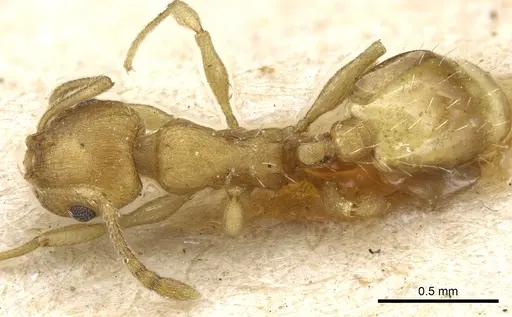
CASENT0906011
View on AntWeb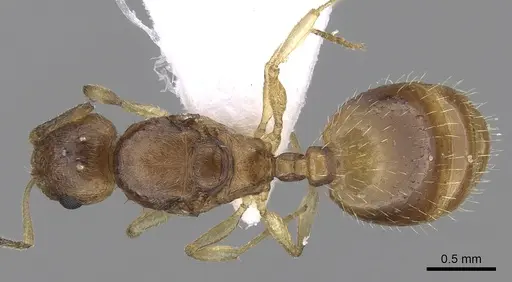
Literature
Loading...Loading products...