

Temnothorax hesperius
- Scientific Name
- Temnothorax hesperius
- Tribe
- Crematogastrini
- Subfamily
- Myrmicinae
- Author
- Santschi, 1909
- Distribution
- Found in 1 countries
Temnothorax hesperius Overview
Temnothorax hesperius is an ant species of the genus Temnothorax. It is primarily documented in 1 countries , including Spain. Detailed taxonomic data and occurrence records can be further explored via authoritative databases such as AntWeb or the Global Biodiversity Information Facility (GBIF).
Temnothorax hesperius
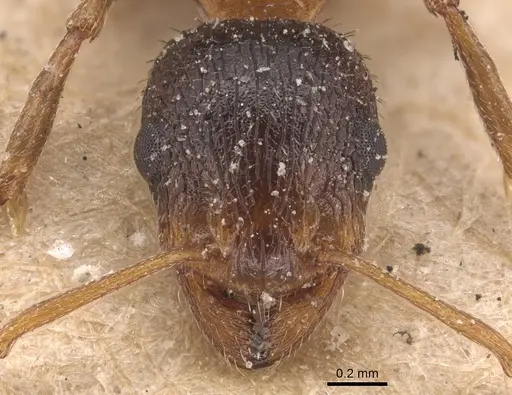
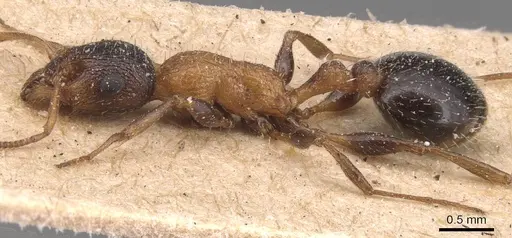
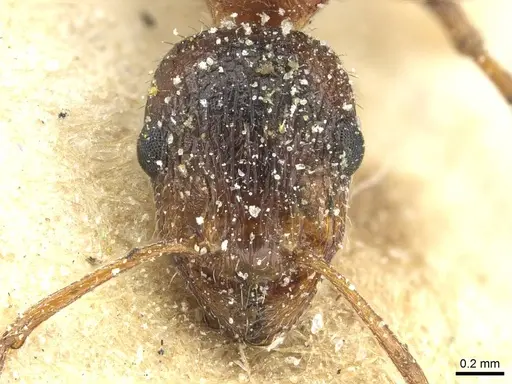
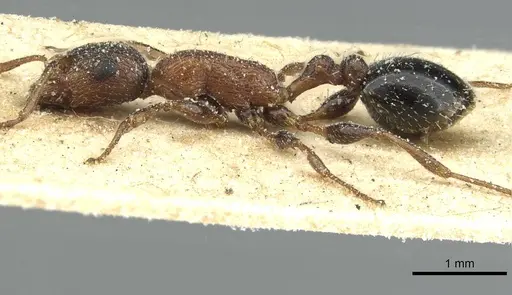
Temnothorax hesperius is a small, bicolored ant endemic to the Canary Islands. Workers measure approximately 3-4mm and display a distinctive color pattern: the head and gaster are dark brown to black, while the mesosoma (the middle body section) is light brown to reddish brown [1]. This species belongs to the Temnothorax rottenbergii group, which contains three spineless species. T. hesperius can be distinguished from its relatives by this bicolored appearance, T. lailae, by contrast, is uniformly dark. These ants are tiny and relatively docile, making them an interesting species for antkeepers who want something different from the more common Lasius or Camponotus.
Quick Summary
- Difficulty: Medium
- Origin & Habitat: Canary Islands, Spain (endemic). Also recorded in Morocco (Middle Atlas, Haut Atlas regions) [2][1]. Found in warm, subtropical island habitats with moderate vegetation.
- Colony Type: Likely monogyne (single queen colony). Temnothorax species typically have single-queen colonies with ergatoid (wingless) replacement reproductives that can take over if the primary queen dies. This is NOT the same as polygyny, ergatoids are replacement queens, not additional egg-layers.
- Colony: Monogyne
- Founding: Claustral
- Size & Growth:
- Queen: Estimated 5-6mm based on genus typical size (Temnothorax queens are larger than workers but not bulky)
- Worker: Approximately 3-4mm [1]
- Colony: Likely small to moderate, Temnothorax colonies typically reach a few hundred workers at most. Estimated up to 200-500 workers based on genus patterns.
- Growth: Moderate, typical for small Myrmicinae ants
- Development: Estimated 6-10 weeks at optimal temperature (22-25°C) based on typical Temnothorax development (Development time is temperature-dependent, warmer conditions speed development but should not exceed species' tolerance)
- Antkeeping:
- Temperature: Keep at 22-26°C. Being from the Canary Islands (subtropical), they prefer warm conditions but not extreme heat. A room-temperature setup around 22-24°C works well, with a slight gradient if possible.
- Humidity: Moderate humidity around 50-60%. These are island ants, so they appreciate some moisture but not wet conditions. Provide a water tube and allow the nest to dry slightly between rehydrations.
- Diapause: Likely minimal or no true diapause. Canary Islands have mild winters, so these ants may remain active year-round with reduced feeding. If anything, a brief cool period (15-18°C for 4-6 weeks) may be beneficial but is not required.
- Nesting: In nature, they nest in rotting wood, under stones, and in small cavities. In captivity, a Y-tong (AAC) nest, small acrylic setup, or test tube cluster works well. They prefer tight chambers scaled to their tiny size, avoid large, open spaces.
- Behavior: Generally peaceful and non-aggressive. Like most Temnothorax, they are not stingers (Myrmicinae but not in a stinging tribe). They may bite if threatened but the bite is negligible. Foraging is typical, workers search for honeydew, small insects, and sugar sources. Escape prevention is critical: their tiny size means they can squeeze through standard mesh. Use fine mesh or fluon barriers.
- Common Issues: escape prevention is critical due to tiny size, they squeeze through standard mesh easily, overheating can kill colonies quickly, keep away from direct heat sources, colonies are slow-growing and small, don't overfeed or the nest will become moldy, wild-caught colonies may have parasites that can devastate captive colonies, test tube setups must have proper water reservoirs, too much water causes flooding, too little causes desiccation
Housing and Nest Setup
Temnothorax hesperius is a tiny ant, so your nest setup must match their small size. A Y-tong (AAC) nest with narrow chambers works excellently, they prefer tight spaces that make them feel secure. Alternatively, a small acrylic formicarium or a test tube cluster can work well. The key is avoiding large, open areas where they might feel exposed. For the outworld, keep it simple, a small foraging area makes it easier to spot them and reduces escape routes. Use a water tube for humidity and ensure the nest material (gypsum, sand, or acrylic) can hold some moisture without becoming waterlogged. These ants do not need elaborate setups, simplicity is better. [1]
Feeding and Diet
Like most Temnothorax, these ants are generalist omnivores. They readily accept sugar sources, honey water, sugar water, or diluted maple syrup work well. For protein, offer small insects like fruit flies, pinhead crickets, or small mealworms. Since they're tiny, prey items should be appropriately sized, something they can subdue and dismember. You can also offer a small amount of seeds or bird seed, though many Temnothorax species prefer animal protein. Feed small amounts every 2-3 days and remove any uneaten prey within 24 hours to prevent mold. A constant sugar source should be available, with protein offered 2-3 times per week for established colonies.
Temperature and Seasonal Care
Being from the Canary Islands, T. hesperius prefers warm conditions. Aim for 22-26°C in the nest area, room temperature is often sufficient if your home is in this range. They can tolerate slightly cooler conditions (down to around 18°C) but may become sluggish below this. Avoid placing the nest near heating elements, radiators, or in direct sunlight, as overheating can be fatal. During winter, they may reduce activity but typically don't require true hibernation. If you want to simulate a natural cycle, you can reduce temperatures to 15-18°C for 4-6 weeks in winter, but this is optional for this subtropical species. [1]
Behavior and Temperament
Temnothorax hesperius is a peaceful, non-aggressive species. Workers are small and timid, they will flee rather than fight when threatened. They do not have a functional stinger, though they may bite if handled roughly (the bite is negligible). These ants are active foragers and will search for food both on the ground and on low vegetation. They use chemical trails to recruit nestmates to food sources. Colonies are relatively quiet and won't produce the dramatic territorial displays of larger ants. Their small size and docile nature make them fascinating to watch, especially when workers tandem-run to food discoveries.
Colony Development
Colony growth is moderate, don't expect the rapid expansion you might see with Lasius or Formica. A newly mated queen will lay eggs after sealing herself in a claustral chamber. First workers (nanitics) will emerge after approximately 6-10 weeks at optimal temperature. These initial workers are smaller than mature workers and will stay close to the nest initially. As the colony grows, more workers are produced and foraging activity increases. A mature colony may reach a few hundred workers over 1-2 years. Patience is key with this species, slow but steady growth leads to long-lived colonies.
Frequently Asked Questions
Can I keep Temnothorax hesperius in a test tube?
Yes, test tubes work well for founding colonies and even for mature colonies if they remain small. Use a small test tube with a cotton barrier and water reservoir. The key is ensuring the water reservoir is appropriately sized, too much water causes flooding, too little causes the colony to dry out. For a test tube setup, fill the tube about 1/3 with water, push cotton to create a dry chamber, and place the queen with her brood in the dry end. Cover the open end with cotton or mesh for ventilation.
How long does it take for Temnothorax hesperius to produce first workers?
Expect first workers (nanitics) to emerge 6-10 weeks after the queen lays eggs, assuming temperatures around 22-25°C. This timeline is typical for Temnothorax species and depends on temperature, warmer conditions speed development slightly, while cooler temperatures slow it down. The first workers will be smaller than mature workers and may stay near the nest initially. Don't be alarmed if development seems slow, this is normal for small Myrmicinae ants.
Do Temnothorax hesperius ants sting?
No, Temnothorax ants do not have functional stingers. They belong to the Myrmicinae subfamily but are not in a stinging tribe. If threatened, they may bite, but the bite is negligible and rarely felt by humans. These ants are completely safe to handle and won't cause any pain or harm.
What do Temnothorax hesperius eat?
They accept a typical ant diet: sugar sources (honey water, sugar water, maple syrup) and protein (small insects like fruit flies, pinhead crickets, small mealworms). Since they're tiny, prey items should be appropriately sized, something they can actually subdue. Offer a constant sugar source and protein 2-3 times per week. Remove uneaten prey within 24 hours to prevent mold.
Are Temnothorax hesperius good for beginners?
They are moderate in difficulty, not the easiest but not difficult either. Their small size and escape risk make them slightly more challenging than larger, more robust species like Lasius niger. However, their peaceful nature and interesting behavior make them rewarding for keepers willing to pay attention to escape prevention. If you're new to antkeeping, ensure you have fine mesh or fluon barriers before getting this species.
Do Temnothorax hesperius need hibernation?
Probably not. Being from the Canary Islands (subtropical climate), they don't experience true cold winters. A brief cool period (15-18°C for 4-6 weeks) may be beneficial but is not required. Many keepers skip hibernation entirely with no ill effects. If you do reduce temperatures in winter, ensure they still have access to water and don't let them freeze.
How big do Temnothorax hesperius colonies get?
Likely a few hundred workers at most. Temnothorax species are not large colony formers, expect 200-500 workers at maturity after 1-2 years. This is smaller than species like Lasius niger, which can reach thousands. Their small colony size makes them suitable for compact setups.
Why are my Temnothorax hesperius escaping?
Their tiny size means they can squeeze through standard mesh and gaps in setup. Use fine mesh (at least 0.5mm) or apply fluon (insect barrier) to all edges and openings. Check all connection points between the nest and outworld. Also ensure you're not overfilling water tubes, excess moisture can cause them to flee the nest. Escape prevention is the most critical aspect of keeping this species.
Can I keep multiple queens together?
Not recommended. Temnothorax hesperius is likely monogyne (single queen colony). While some Temnothorax can found colonies pleometrotically (multiple queens together), this typically leads to conflict once workers emerge. It's best to keep one queen per setup. If you have multiple foundresses, house them separately.
When should I move Temnothorax hesperius to a formicarium?
Wait until the colony has at least 20-30 workers and the test tube is becoming crowded. For this species, that may take 6-12 months. Moving too early can stress the colony. When you do move them, use a gentle transition, connect the test tube to the formicarium and let them explore at their own pace. They may take time to accept a new nest.
References

This caresheet is licensed under CC BY-SA 4.0 .
CASENT0904736
View on AntWeb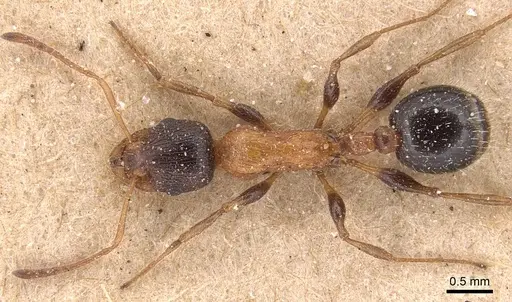
CASENT0912947
View on AntWeb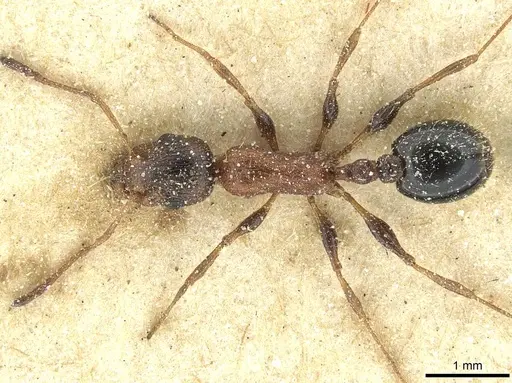
Literature
Loading...Loading products...