

Technomyrmex senex
- Scientific Name
- Technomyrmex senex
- Tribe
- Tapinomini
- Subfamily
- Dolichoderinae
- Author
- Bolton, 2007
- Distribution
- Found in 3 countries
Technomyrmex senex Overview
Technomyrmex senex is an ant species of the genus Technomyrmex. It is primarily documented in 3 countries , including Central African Republic, Congo, Gabon. Detailed taxonomic data and occurrence records can be further explored via authoritative databases such as AntWeb or the Global Biodiversity Information Facility (GBIF).
Technomyrmex senex
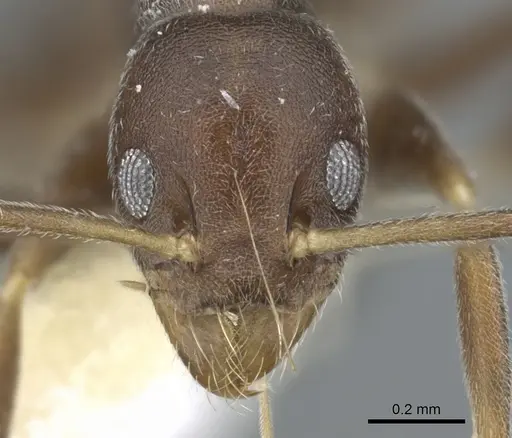
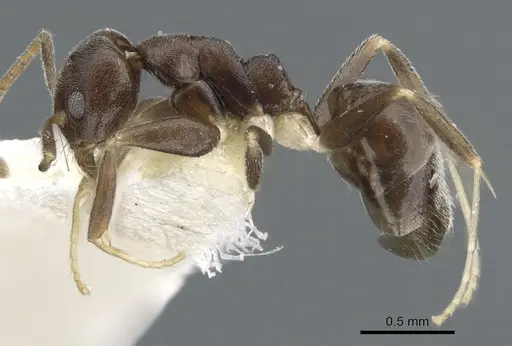
Technomyrmex senex is a small dolichoderine ant measuring 2.5-2.8mm in total length. Workers are dark brown to black throughout, with variable yellow coloration on the trochanters and middle/hind coxae. This species belongs to the Technomyrmex textor group and can be identified by the distinctive setae pattern: the head and mesosoma lack setae entirely, while gastral tergites 3-4 each have 2-3 pairs of longer setae. The fine reticulate-punctulate sculpture on the head is another key identifying feature. Native to the Afrotropical region, these ants inhabit the leaf litter layer but also climb low vegetation in forested areas across Cameroon, Central African Republic, Democratic Republic of Congo, Gabon, and Ghana[1].
Quick Summary
- Difficulty: Medium
- Origin & Habitat: Afrotropical region, found in Cameroon, Central African Republic, Democratic Republic of Congo, Gabon, and Ghana. Inhabits leaf litter layer but also ascends low vegetation[1].
- Colony Type: Colony structure is unconfirmed. Based on genus Technomyrmex patterns, likely monogyne (single queen) colonies.
- Size & Growth:
- Queen: Unconfirmed, no documented queen measurements for this species
- Worker: 2.5-2.8mm total length (workers measure 0.58-0.64mm head length,0.48-0.54mm head width)
- Colony: Unknown, no colony size data available for this species
- Growth: Moderate, inferred from typical dolichoderine development patterns
- Development: Estimated 6-8 weeks based on typical Technomyrmex and related dolichoderine development at tropical temperatures (Development time is estimated, no specific studies on this species. Tropical species typically develop faster than temperate ones.)
- Antkeeping:
- Temperature: Keep at 24-28°C, these are tropical ants from African forests. A gentle gradient allowing workers to self-regulate is ideal
- Humidity: Maintain moderate to high humidity (60-80%), they naturally inhabit leaf litter which retains moisture. Keep the nest substrate damp but not waterlogged
- Diapause: No, as a tropical species from Central/West Africa, they do not require hibernation. Keep them at stable warm temperatures year-round
- Nesting: Provide a naturalistic setup with moist substrate, they naturally nest in leaf litter. Y-tong nests or plaster nests with good moisture retention work well. Include some Dekhn earth or soil layers for them to forage through
- Behavior: These are small, relatively docile ants that form moderate-sized colonies. As Dolichoderinae, they do not have a functional stinger, they defend through biting and chemical secretions (formic acid is not produced by this subfamily, but they have other defensive chemicals). Workers are active foragers in the leaf litter layer. Their small size (under 3mm) means escape prevention is important, they can slip through tiny gaps. They are not particularly aggressive but will defend their colony if threatened. Workers likely forage for honeydew and small insects.
- Common Issues: small size makes escape likely without fine mesh barriers and tight-fitting lids, tropical species may struggle if temperatures drop below 22°C, colonies may be slow to establish due to small initial colony sizes, humidity control is important, too dry causes brood death, too wet causes mold, limited availability in the antkeeping hobby, this is not a commonly kept species
Housing and Nest Setup
For this small leaf-litter species, a naturalistic setup works best. Use a tank or formicarium with a deep layer of moist substrate (soil mixed with leaf litter material, Dekhn earth, or coco fiber). The substrate should be kept consistently moist but never waterlogged, think damp forest floor. Y-tong nests or plaster nests with good moisture retention are also suitable options. Provide a water tube and ensure the nest area maintains humidity around 60-80%. Because workers are only 2.5-2.8mm, escape prevention is critical, use fine mesh on any ventilation holes and ensure all connections are tight.
Feeding and Diet
Technomyrmex senex workers are likely generalist foragers that collect honeydew from aphids and scale insects, plus small insects and other protein sources. In captivity, offer sugar water or honey water as a constant energy source. For protein, provide small insects like fruit flies, pinhead crickets, or other appropriately-sized prey. Feed protein 2-3 times per week and keep sugar sources available at all times. Remove uneaten prey after 24 hours to prevent mold. The small worker size means prey items should be appropriately sized, nothing larger than what workers can handle.
Temperature and Seasonal Care
As a tropical species from Central and West Africa, Technomyrmex senex requires warm, stable temperatures. Keep the nest area at 24-28°C. Avoid temperatures below 22°C as this can slow colony development and potentially cause health issues. No hibernation or diapause is required, maintain warm conditions year-round. A heating cable on one side of the nest can create a temperature gradient, allowing workers to self-regulate by moving to warmer or cooler areas. Avoid sudden temperature fluctuations and keep the setup away from air conditioning vents or cold windows.
Behavior and Colony Dynamics
This species forms colonies in leaf litter and low vegetation, with workers actively foraging through the substrate layer. Colonies are likely moderate in size based on worker measurements. Workers are not particularly aggressive but will defend the colony if threatened. As Dolichoderinae, they lack a functional stinger and rely on biting and chemical defenses. The small worker size (under 3mm) means these ants can escape through very small gaps, excellent escape prevention is essential. Queens are likely claustral founders that seal themselves in during founding, living off stored fat reserves until the first workers emerge. Colony growth is likely moderate, expect several months before significant worker numbers develop.
Frequently Asked Questions
How long does it take for Technomyrmex senex to produce first workers?
The exact timeline is unconfirmed for this species, but based on typical dolichoderine development at tropical temperatures (24-28°C), expect first workers (nanitics) approximately 6-8 weeks after the queen lays eggs. Growth will be slower at cooler temperatures.
What size colony does Technomyrmex senex reach?
Colony size data is not available for this species. Based on worker size and related species, colonies likely reach several hundred workers at maturity. Growth is expected to be moderate.
Can I keep multiple Technomyrmex senex queens together?
The colony structure is unconfirmed for this species. Based on typical Technomyrmex patterns, they likely form single-queen colonies. Combining unrelated queens is not recommended without evidence of polygyny.
What do Technomyrmex senex ants eat?
They are generalist foragers. Offer sugar water or honey water as a constant energy source, plus small insects (fruit flies, pinhead crickets, small mealworms) for protein 2-3 times per week.
Do Technomyrmex senex need hibernation?
No. As a tropical African species, they do not require hibernation. Keep them warm at 24-28°C year-round without temperature drops.
Are Technomyrmex senex good for beginners?
This species is rated as medium difficulty. While not aggressive, their small size and specific temperature/humidity requirements make them better suited for keepers with some experience. They are also rarely available in the hobby.
What is the best nest type for Technomyrmex senex?
Naturalistic setups with deep, moist substrate (soil/leaf litter mix) work well given their natural leaf-litter habitat. Y-tong nests or plaster nests with good moisture retention are also suitable. The key is maintaining humidity while allowing some ventilation.
Why is my Technomyrmex senex colony declining?
Common causes include: temperatures below 22°C, humidity too low (dry substrate) or too high (flooded/mold), poor escape prevention allowing workers to escape, or insufficient protein in the diet. Check all parameters and ensure the queen is still laying eggs.
References

This caresheet is licensed under CC BY-SA 4.0 .
CASENT0746801
View on AntWeb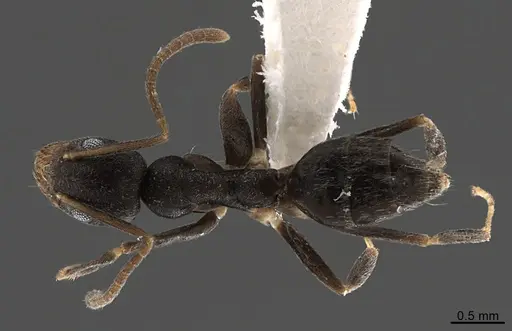
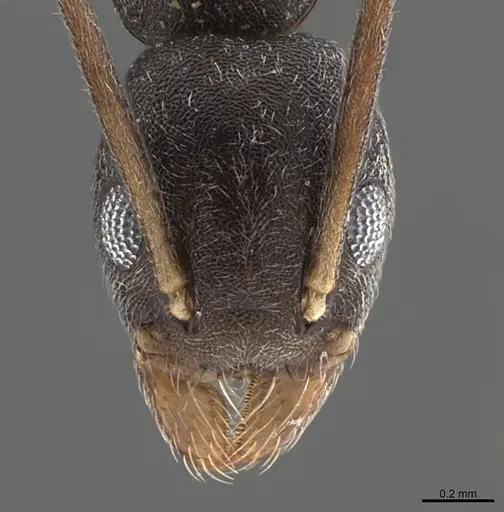
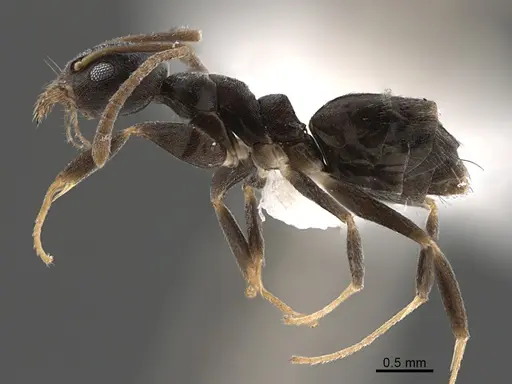
CASENT0903054
View on AntWeb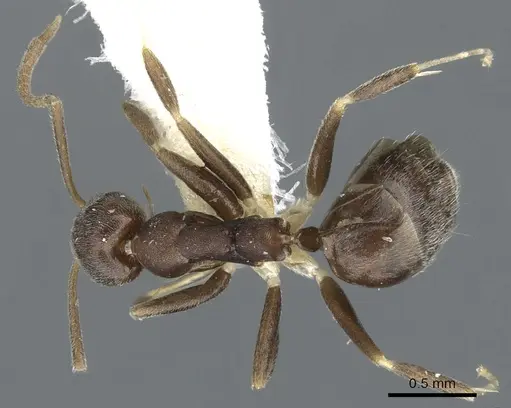
Literature
Loading...Loading products...