

Technomyrmex textor
- Scientific Name
- Technomyrmex textor
- Tribe
- Tapinomini
- Subfamily
- Dolichoderinae
- Author
- Forel, 1909
- Distribution
- Found in 1 countries
Technomyrmex textor Overview
Technomyrmex textor is an ant species of the genus Technomyrmex. It is primarily documented in 1 countries , including Malaysia. Detailed taxonomic data and occurrence records can be further explored via authoritative databases such as AntWeb or the Global Biodiversity Information Facility (GBIF).
Technomyrmex textor
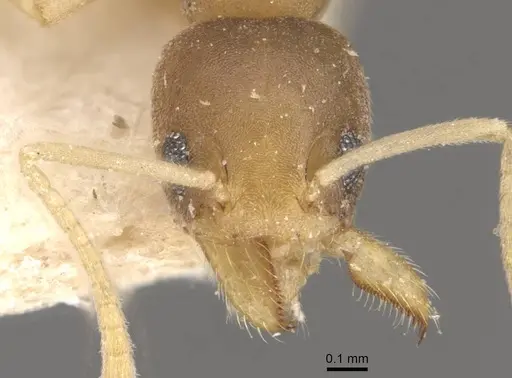
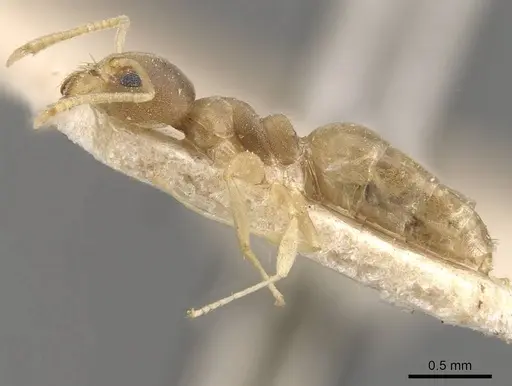
Technomyrmex textor is a small yellow ant measuring 2.5-2.9mm in workers, belonging to the Dolichoderinae subfamily. The species is found across Southeast Asia including Borneo, Indonesia, Malaysia, Philippines, and Singapore [1]. These ants are part of a species complex with T. gilvus and T. dubius, characterized by their entirely yellow coloration and notably the complete absence of setae (bristles) on the head, mesosoma, and gaster. The genus Technomyrmex is known for using preformed silk shelters from spiders and caterpillars rather than producing silk themselves [2].
Quick Summary
- Difficulty: Medium
- Origin & Habitat: Southeast Asia, found in Borneo, Indonesia, Malaysia, Philippines, and Singapore. Inhabits tropical rainforest environments and shows some tolerance to habitat disturbance [3].
- Colony Type: Likely monogyne (single queen) based on typical genus patterns, though colony structure is unconfirmed for this specific species.
- Size & Growth:
- Queen: Unconfirmed, estimated 4-5mm based on worker size and genus patterns
- Worker: 2.5-2.9mm
- Colony: Likely moderate, related Technomyrmex species form colonies of several hundred workers
- Growth: Moderate, based on typical tropical Dolichoderinae development
- Development: Estimated 6-8 weeks at tropical temperatures (25-28°C), typical for small tropical ants (Development timeline is estimated based on genus patterns, specific data for T. textor is unavailable)
- Antkeeping:
- Temperature: Keep at 24-28°C, these are tropical ants from Southeast Asia. Room temperature (22-25°C) is acceptable, with a slight gradient if possible.
- Humidity: Moderate to high humidity (60-80%). Provide a moist nest substrate but avoid waterlogging. Mist occasionally and ensure the outworld has a water source.
- Diapause: Unlikely, being a tropical species, they probably do not require a true diapause. They may show reduced activity during cooler periods.
- Nesting: Y-tong (AAC) nests work well for these small ants. They prefer tight-fitting chambers. Plaster or acrylic nests with moisture reservoirs are also suitable. Avoid very dry conditions.
- Behavior: Generally peaceful and non-aggressive. Like other Dolichoderinae, they lack a functional stinger and defend by spraying formic acid. They are active foragers and will search for sugar sources and small prey. Their small size (under 3mm) means escape prevention is important, use fine mesh barriers and tight-fitting lids. They are not known to be particularly escape-artistic but can slip through small gaps.
- Common Issues: limited biological data makes care recommendations uncertain, some aspects are inferred from genus patterns, small size requires fine mesh barriers to prevent escapes, tropical humidity needs may cause mold issues if ventilation is poor, wild-caught colonies may carry parasites that are difficult to detect, slow founding phase may lead to abandonment if queen is disturbed
Housing and Nest Setup
Technomyrmex textor is a small ant well-suited to Y-tong (AAC) nests with tight chambers scaled to their 2.5-2.9mm worker size. Plaster nests with moisture reservoirs also work well, as they allow you to maintain consistent humidity. Acrylic nests are another good option. The key is providing chambers that are snug, these ants feel secure in tighter spaces. Use a test tube setup for founding colonies, transitioning to a formicarium once the colony reaches 20-30 workers. Outworld space should be modest initially, expanding as the colony grows. A small water test tube or cotton wick should always be available [1].
Temperature and Heating
As a tropical Southeast Asian species, Technomyrmex textor prefers warm conditions around 24-28°C. This range supports normal colony activity and brood development. Room temperature in most homes (22-25°C) is acceptable, but you may see increased activity if you provide a slight warmth gradient. A heating cable on one side of the nest can create this gradient, place it on top of the nest rather than underneath to avoid excessive drying. Unlike temperate species, they do not require hibernation or a diapause period. Watch for signs of stress like workers clustering away from heat sources, which would indicate temperatures are too high [1].
Feeding and Diet
Like other Technomyrmex species, T. textor likely has an omnivorous diet typical of Dolichoderinae ants. They probably feed on honeydew from aphids and scale insects in the wild, along with small insects and other protein sources. In captivity, offer sugar water or honey regularly (every few days), along with small protein sources like fruit flies, small mealworms, or other tiny insects. A varied diet supports colony growth. Remove uneaten food after 24-48 hours to prevent mold. Fresh water should always be available [1].
Humidity Requirements
These tropical ants need moderate to high humidity, roughly 60-80%. Keep the nest substrate consistently moist but not waterlogged, the substrate should feel damp to the touch. You can achieve this with a water reservoir connected to the nest or by misting occasionally. However, avoid constant dampness as this promotes mold. The outworld can be drier, but provide a water source. Good ventilation is important to prevent stagnant air while still maintaining humidity. If you see condensation constantly pooling in the nest, increase ventilation, if the substrate dries too quickly, reduce airflow or mist more often [1].
Behavior and Temperament
Technomyrmex textor is a peaceful species without aggressive tendencies. Like all Dolichoderinae, they lack a functional stinger and instead defend by spraying formic acid, this is generally not a concern for keepers. Workers are active foragers that will search out sugar sources and small prey. Their small size means they can slip through surprisingly small gaps, so use fine mesh (at least 0.5mm) on any ventilation holes and ensure lids fit tightly. They are not particularly territorial or aggressive toward keepers. Colonies tend to grow steadily once established, with workers living several months [1].
Colony Establishment
Because so little is known about the specific biology of T. textor, colony founding may require patience. Based on typical Dolichoderinae patterns, the queen likely seals herself in a claustral chamber and raises the first brood alone on stored fat reserves. Founding colonies should be left undisturbed for 4-8 weeks until the first workers emerge. Provide a small water source nearby but do not offer food during this initial period. Once nanitic (first) workers appear, you can begin offering minimal food and gradually expand the setup. Wild-caught colonies may have higher initial survival rates than purchased colonies, but always ensure they are legally and ethically sourced [2][1].
Frequently Asked Questions
How long does it take for Technomyrmex textor to produce first workers?
Based on typical tropical ant development, expect first workers in 6-8 weeks at warm temperatures (25-28°C). The exact timeline for T. textor is unconfirmed, so monitor your colony and adjust conditions if development seems stalled.
Can I keep Technomyrmex textor in a test tube setup?
Yes, test tubes work well for founding colonies. Use a small test tube with a water reservoir separated by a cotton plug. Once the colony reaches 20-30 workers, consider moving to a proper formicarium with more space.
What do Technomyrmex textor eat?
They are omnivorous. Offer sugar water or honey regularly, along with small protein sources like fruit flies, tiny mealworms, or other small insects. Remove uneaten food after 24-48 hours.
Are Technomyrmex textor good for beginners?
They are rated Medium difficulty. While generally hardy once established, the limited biological data available for this specific species means you may need to adapt care based on colony behavior. Their small size also requires attention to escape prevention.
Do Technomyrmex textor need hibernation?
No, being a tropical species from Southeast Asia, they do not require hibernation or a diapause period. They may show reduced activity during cooler periods but should be kept at warm temperatures year-round.
How big do Technomyrmex textor colonies get?
Based on related species, colonies likely reach several hundred workers. The exact maximum size is unconfirmed for this species.
Why are my Technomyrmex textor dying?
Common causes include: disturbance during claustral founding, too low humidity, temperatures outside their 24-28°C range, or parasites from wild-caught colonies. Review each factor and adjust accordingly. Limited biological data makes diagnosis challenging.
When should I move my colony to a formicarium?
Move once the colony reaches 20-30 workers or when the test tube becomes cramped. Ensure the new setup maintains similar humidity levels and has appropriate chamber sizes for their small workers.
Can I keep multiple Technomyrmex textor queens together?
Not recommended, combining unrelated queens of this species has not been documented. Based on typical genus patterns, they likely form single-queen colonies.
References

This caresheet is licensed under CC BY-SA 4.0 .
CASENT0905072
View on AntWeb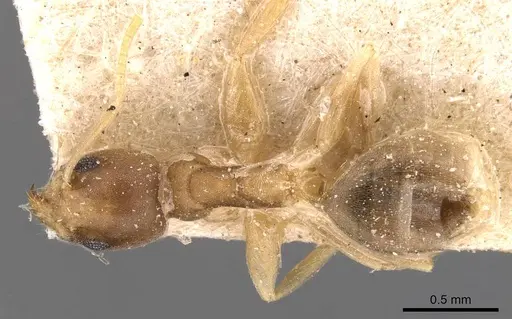
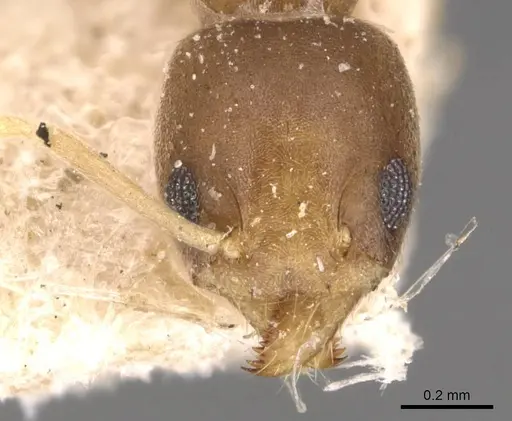
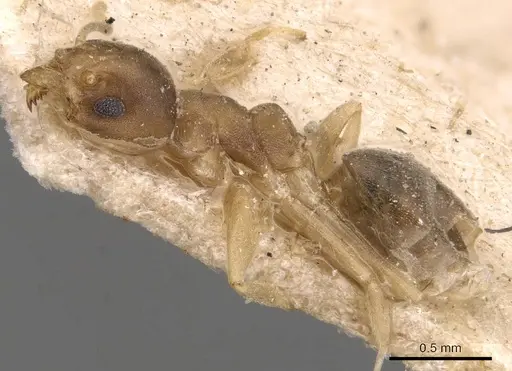
CASENT0909795
View on AntWeb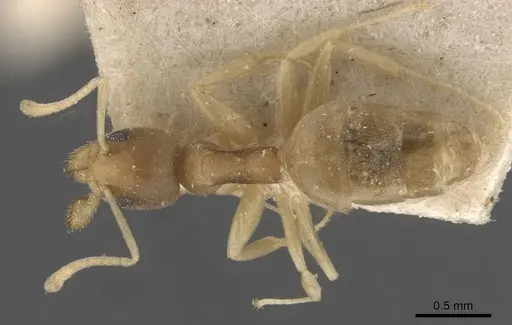
Literature
Loading...Loading products...