

Technomyrmex rotundiceps
- Scientific Name
- Technomyrmex rotundiceps
- Tribe
- Tapinomini
- Subfamily
- Dolichoderinae
- Author
- Karavaiev, 1926
- Distribution
- Found in 1 countries
Technomyrmex rotundiceps Overview
Technomyrmex rotundiceps is an ant species of the genus Technomyrmex. It is primarily documented in 1 countries , including Malaysia. Detailed taxonomic data and occurrence records can be further explored via authoritative databases such as AntWeb or the Global Biodiversity Information Facility (GBIF).
Technomyrmex rotundiceps
Technomyrmex rotundiceps is a small dark ant measuring 2.6-2.7mm in total length. Workers are blackish brown to black, with a distinctive rounded head shape (hence the name 'rotundiceps' meaning round-headed) and eyes positioned further back on the head compared to related species. A key identifying feature is the dark hind basitarsus, which matches the dark tibia in color, unlike the closely related Technomyrmex albipes which has a pale yellow to white hind basitarsus. This species belongs to the Dolichoderinae subfamily, meaning they lack a functional stinger and instead defend themselves by spraying formic acid.
This ant is native to Southeast Asia, specifically found in Java, Indonesia and Sabah in Borneo. In its natural habitat, it has been collected from leaf litter in swamp forests and by fogging forest trees in Malaysia [1]. Like other Technomyrmex species, these ants are likely generalists in their foraging habits, though specific behavioral studies on this species are limited.
Quick Summary
- Difficulty: Medium
- Origin & Habitat: Native to Southeast Asia, specifically Java, Indonesia and Sabah, Borneo. Found in tropical forest environments, collected from leaf litter in swamp forests and forest canopies [1].
- Colony Type: Colony structure is unconfirmed for this species. Based on related Technomyrmex species, likely monogyne (single queen) colonies, though some related species can form multi-queen colonies.
- Size & Growth:
- Queen: Unknown, not documented in available literature
- Worker: 2.6-2.7mm total length (TL), with head width 0.56-0.65mm
- Colony: Unknown, no colony size data available for this species
- Growth: Moderate, inferred from related tropical Technomyrmex species
- Development: Estimated 6-8 weeks at tropical temperatures (24-28°C), based on genus-level patterns for Technomyrmex species (Development time is estimated, no direct species-specific data available. Tropical species typically develop faster than temperate ones.)
- Antkeeping:
- Temperature: Keep at 24-28°C, these are tropical ants from Southeast Asia. A heating cable on one side of the nest can create a temperature gradient
- Humidity: High humidity preferred, think damp tropical forest floor. Keep nest substrate consistently moist but not waterlogged. Mist occasionally and provide a water source.
- Diapause: No, as a tropical species from Southeast Asia, they do not require hibernation or winter dormancy. Keep them warm year-round.
- Nesting: In captivity, they do well in test tubes, Y-tong (AAC) nests, or plaster nests. They prefer dark, humid nest conditions similar to their natural leaf litter and forest floor habitat.
- Behavior: These are small, generally non-aggressive ants that forage for honeydew and small insects. As Dolichoderinae, they do not have a functional stinger but can spray formic acid as a defense. They are likely moderate escape artists due to their small size, use standard escape prevention with fluon on test tube rims. Workers are active foragers and likely establish foraging trails. They are probably more docile than some invasive Technomyrmex species.
- Common Issues: limited availability, this species is rarely available in the antkeeping hobby, escape prevention is important due to their small size, use fine mesh and fluon barriers, tropical humidity requirements mean dry conditions can be fatal, no species-specific care information means keepers must rely on genus-level guidance, slow colony growth compared to faster-growing tropical species
Housing and Nest Preferences
Technomyrmex rotundiceps does well in standard ant housing setups. Test tubes work excellently for founding colonies, use a water reservoir tube attached to the nest tube, with cotton separating the water from the ants. For established colonies, Y-tong (AAC) nests or plaster nests maintain humidity well. These ants prefer dark, humid conditions, so place the nest in an area away from direct light. A naturalistic setup with a soil-filled container also works well, mimicking their natural leaf litter habitat. Because they are small (under 3mm), ensure all connections between the outworld and nest are sealed with fluon to prevent escapes. [1]
Feeding and Diet
Like other Technomyrmex species, T. rotundiceps is likely a generalist feeder. Offer sugar water or honey as a constant energy source, they will readily accept these. For protein, provide small insects like fruit flies, small crickets, or mealworm pieces. In the wild, they likely forage for honeydew from aphids and scale insects, plus small arthropods. Feed them a few times per week, removing any uneaten protein after 24 hours. A constant sugar source should be available. Fresh water should always be accessible.
Temperature and Humidity
As a tropical species from Java and Borneo, Technomyrmex rotundiceps needs warm, humid conditions. Keep the nest area at 24-28°C. You can achieve this with a heating cable placed on top of the nest (never under it, as this can dry out the nest too quickly). Room temperature may be sufficient if your home is naturally warm, otherwise use a low-level heat source. Humidity should be high, aim for 70-80% relative humidity in the nest area. Use a moisture reservoir (water tube) and mist the nest occasionally. The substrate should feel damp but never waterlogged. Avoid temperatures below 20°C as this species is not adapted to cool conditions.
Colony Founding
The founding behavior of Technomyrmex rotundiceps has not been directly documented. Based on typical Technomyrmex patterns, the queen likely seals herself in a small chamber (claustral founding) and raises her first workers alone using stored fat reserves. Expect a claustral founding unless you observe the queen leaving the nest to forage. Founding colonies should be kept in complete darkness with minimal disturbance. The first workers (nanitics) will be smaller than mature workers and will emerge after several weeks. Do not feed the founding queen, she will not eat during this period and may become stressed.
Behavior and Temperament
Technomyrmex rotundiceps workers are small, dark ants that are generally calm and non-aggressive. As members of the Dolichoderinae subfamily, they lack a functional stinger but can spray formic acid as a defense mechanism, this is harmless to humans in small amounts but can be irritating. Workers likely forage in trails, searching for sugar sources and small prey. They are probably more secretive than some invasive Technomyrmex species, preferring to stay within the nest and foraging areas. Their small size makes them capable of escaping through tiny gaps, so use fine mesh (at least 0.5mm) on all ventilation and ensure lid seals are tight.
Frequently Asked Questions
How long does it take for Technomyrmex rotundiceps to have first workers?
Based on typical Technomyrmex development, expect first workers (nanitics) in approximately 6-8 weeks at optimal tropical temperatures (24-28°C). This is an estimate since no species-specific development data exists. The queen will remain in the nest chamber, and the first workers will be smaller than mature workers.
What temperature do Technomyrmex rotundiceps ants need?
Keep them at 24-28°C. These are tropical ants from Southeast Asia and need warm conditions year-round. A heating cable on top of the nest can help maintain temperatures, especially in cooler climates. Avoid temperatures below 20°C.
Can I keep Technomyrmex rotundiceps in a test tube?
Yes, test tubes work well for this species. Use a standard test tube setup with a water reservoir. Ensure the cotton barrier is tight to prevent escapes, and apply fluon to the inside of any connecting tubes or outworld access points.
What do Technomyrmex rotundiceps eat?
They are generalist feeders. Offer sugar water or honey constantly for energy. For protein, provide small insects like fruit flies, small crickets, or mealworm pieces. Feed a few times per week and remove uneaten food promptly.
Do Technomyrmex rotundiceps need hibernation?
No. As a tropical species from Java and Borneo, they do not require hibernation or winter dormancy. Keep them warm and active year-round at 24-28°C.
How big do Technomyrmex rotundiceps colonies get?
The maximum colony size is unknown, no wild colony data exists for this species. Based on related Technomyrmex species, colonies likely reach several hundred to a few thousand workers over several years.
Are Technomyrmex rotundiceps good for beginners?
This species is rated as Medium difficulty. While not the easiest species for beginners due to their specific humidity and temperature needs, they are generally calm and manageable. The main challenge is that they are rarely available in the antkeeping hobby.
Why are my Technomyrmex rotundiceps dying?
Common causes include: low humidity (keep substrate damp), temperatures below 20°C (they need warmth), escapes due to small size (check all seals), or poor nutrition. Ensure they have constant sugar water and small protein prey. Avoid disturbing the nest during founding.
When should I move my colony to a formicarium?
Wait until the colony has at least 20-30 workers before moving to a larger setup. Test tubes work well for colonies up to this size. When moving, use gentle transfer methods and ensure the new nest has matching humidity levels.
References

This caresheet is licensed under CC BY-SA 4.0 .
CASENT0917127
View on AntWeb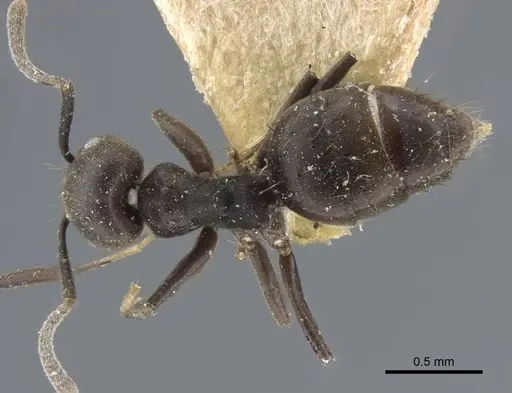
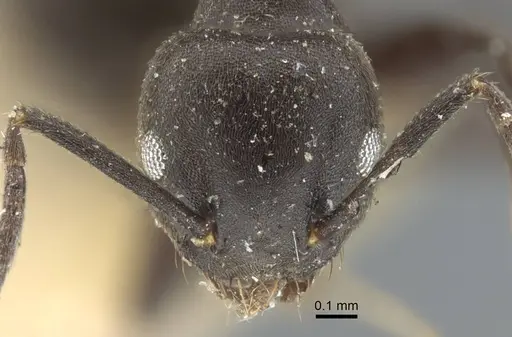
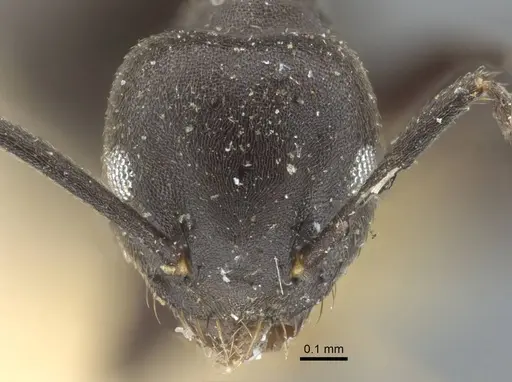
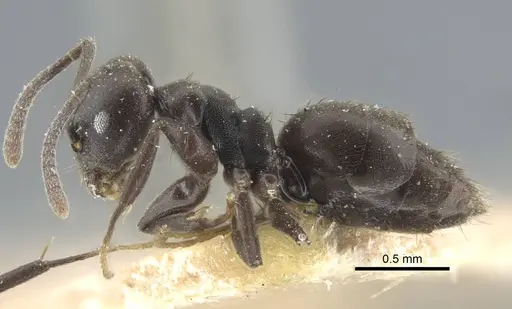
Literature
Loading...Loading products...