
Technomyrmex albipes shows a January to December activity window. Peak activity occurs in January, with queen sightings distributed across 10 months. This extended season suggests multiple flight events or varying conditions across its range.
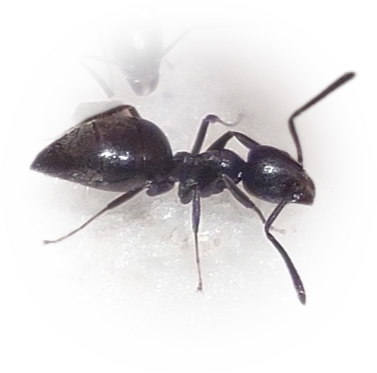
Technomyrmex albipes
- Scientific Name
- Technomyrmex albipes
- Tribe
- Tapinomini
- Subfamily
- Dolichoderinae
- Author
- Smith, 1861
- Common Name
- Ant
- Distribution
- Found in 22 countries
- Nuptial Flight
- from January to December, peaking in January
AI Identifiable
try →
Technomyrmex albipes Overview
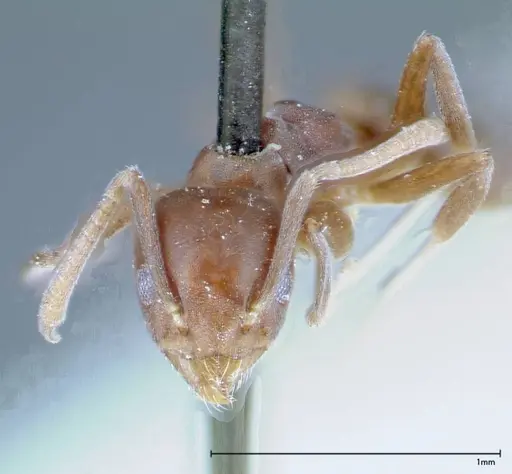
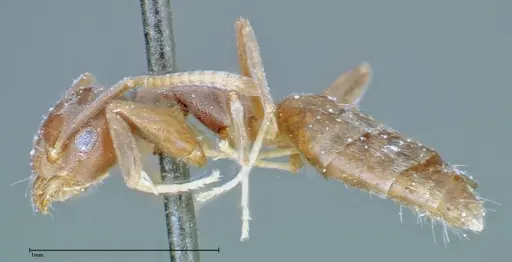
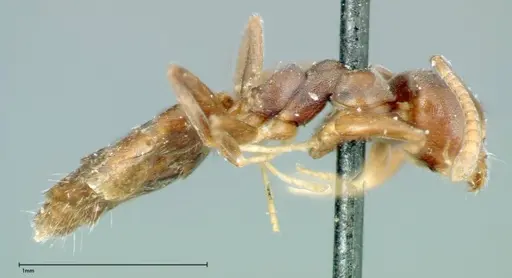
Technomyrmex albipes (commonly known as the Ant) is an ant species of the genus Technomyrmex. It is primarily documented in 22 countries , including Australia, China, Germany. Detailed taxonomic data and occurrence records can be further explored via authoritative databases such as AntWeb or the Global Biodiversity Information Facility (GBIF).
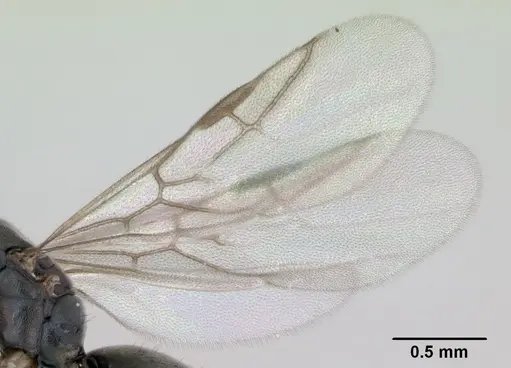
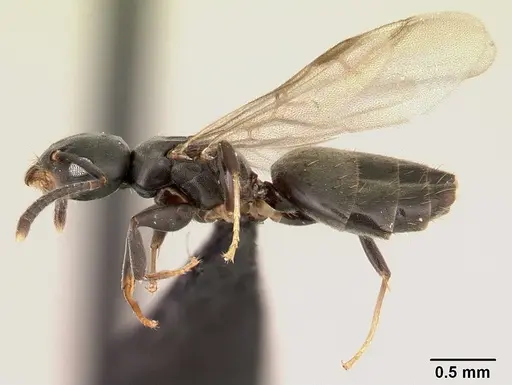
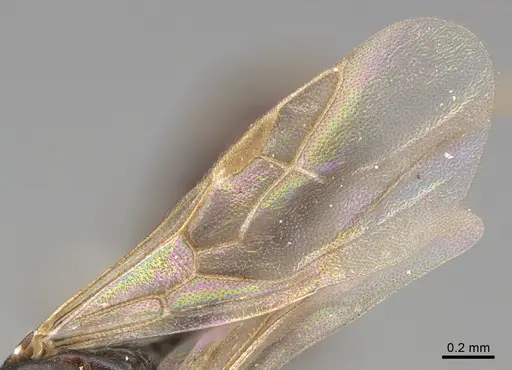
The nuptial flight of Technomyrmex albipes is a significant biological event, typically occurring from January to December, peaking in January. During this time, winged queens and males leave the nest to mate and establish new colonies.
Technomyrmex albipes - "Ant"
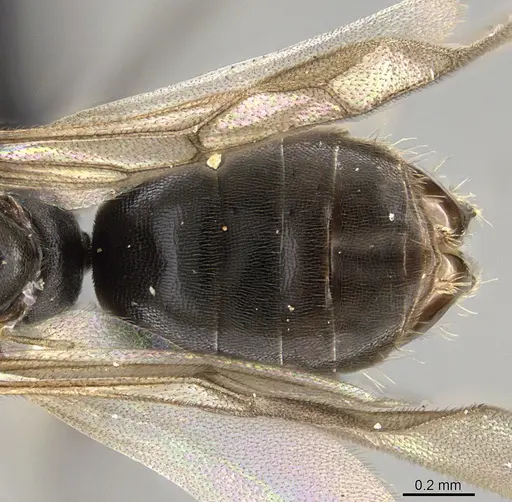
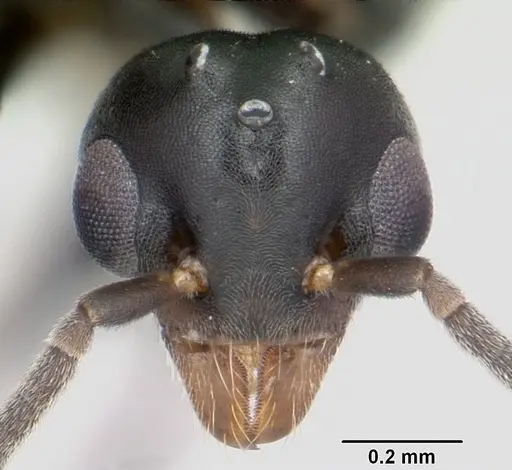
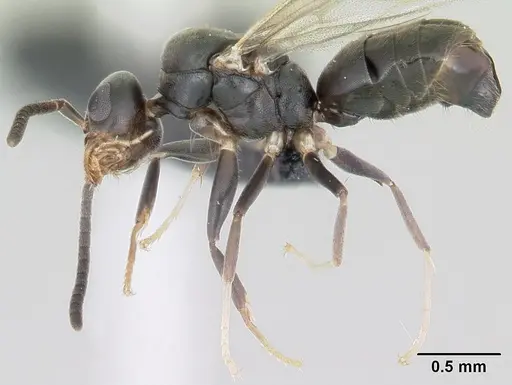
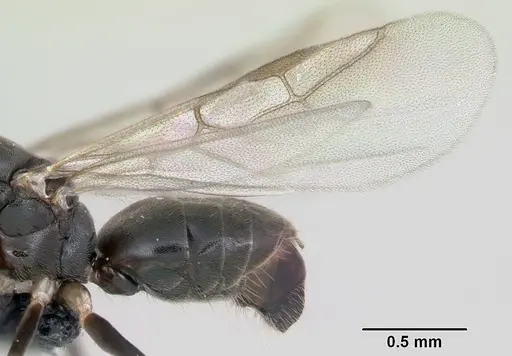
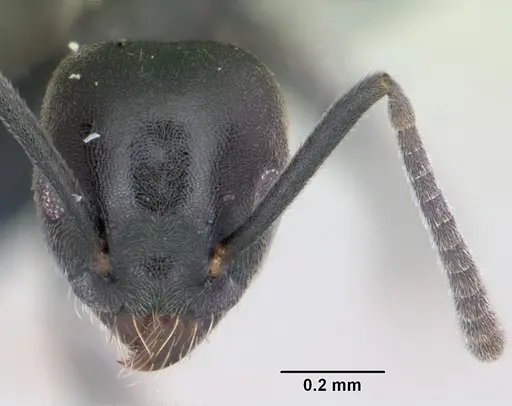
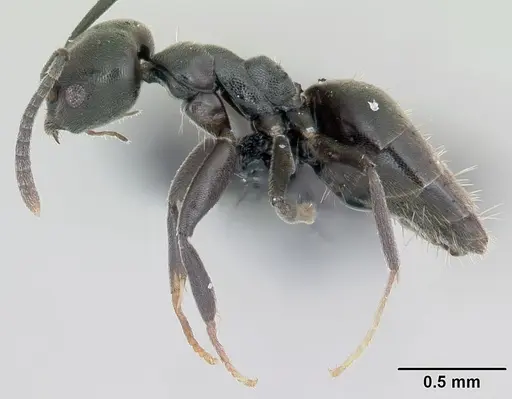
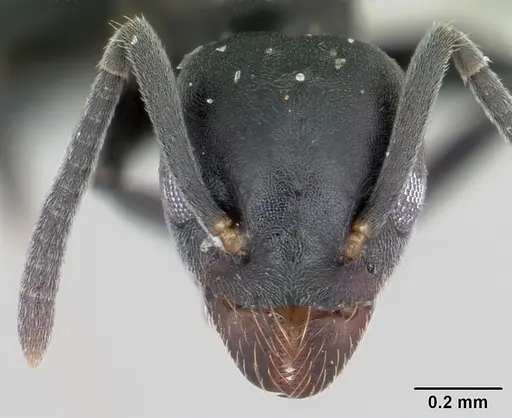
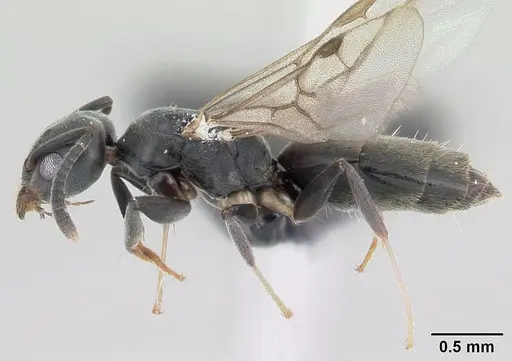
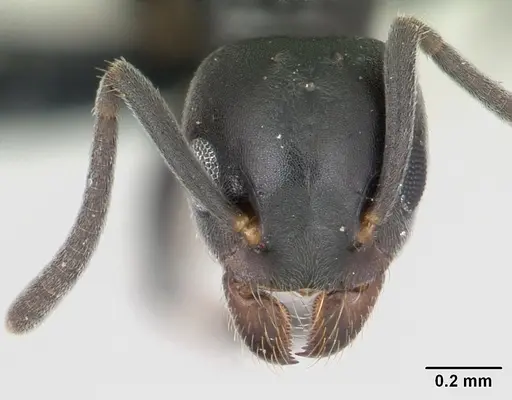
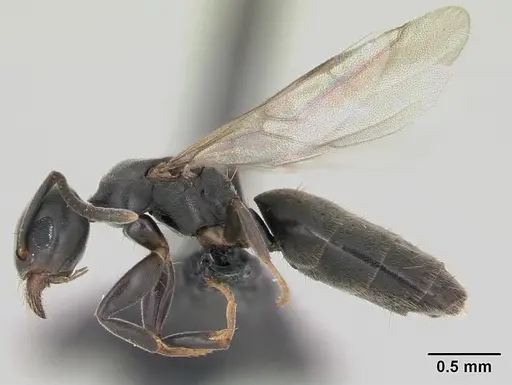
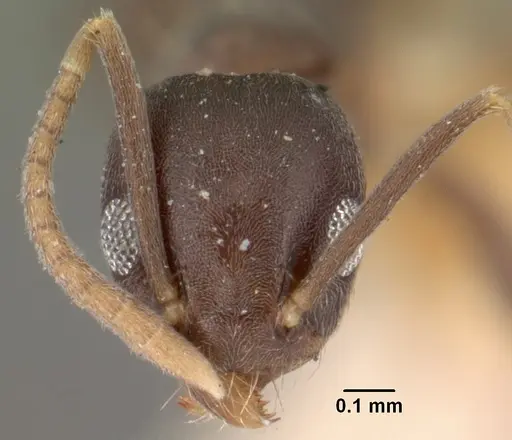
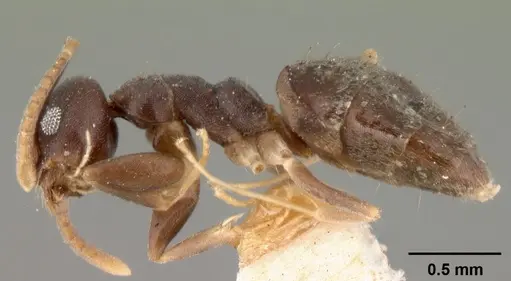
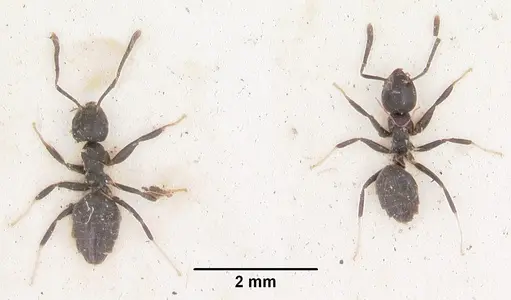
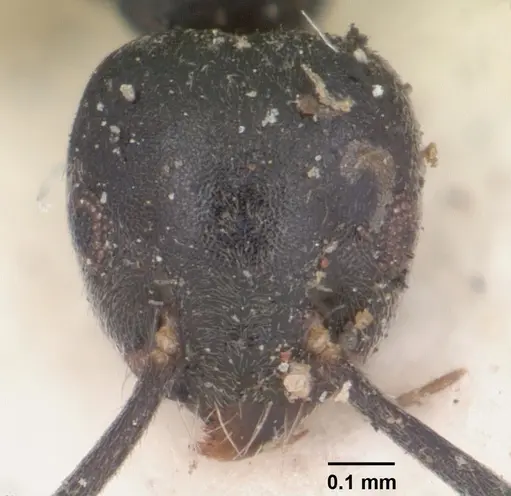
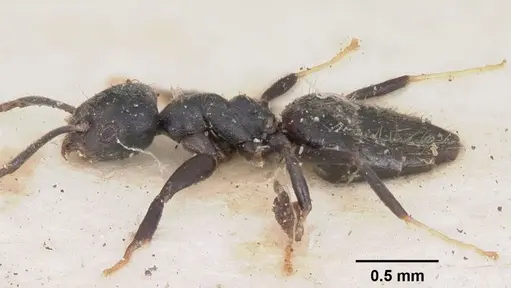
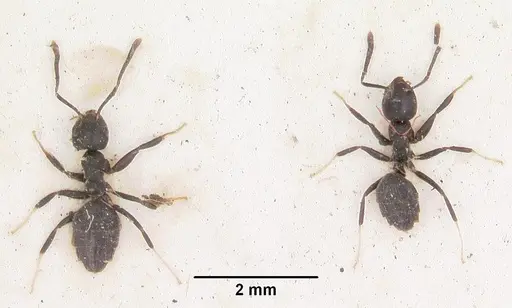
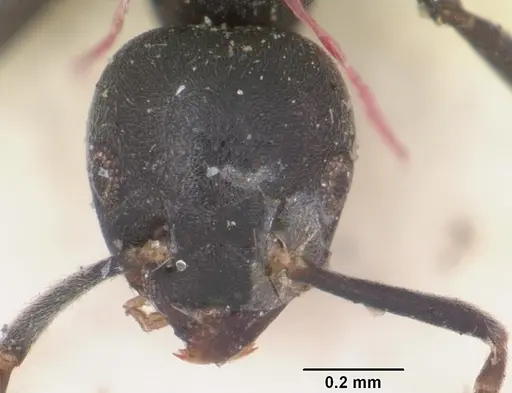
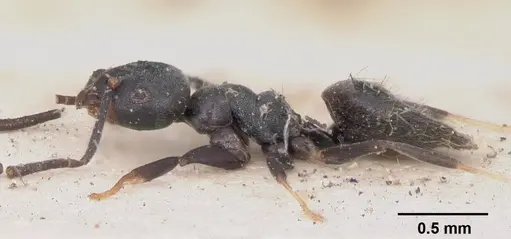
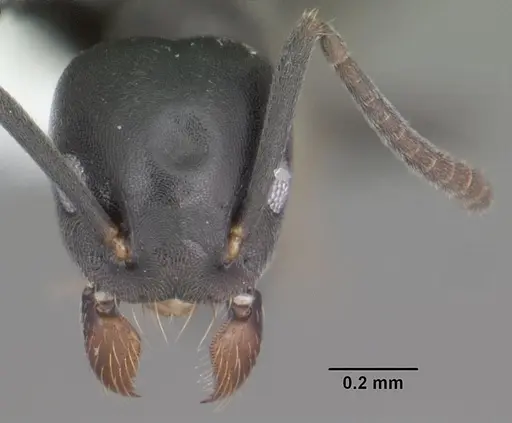
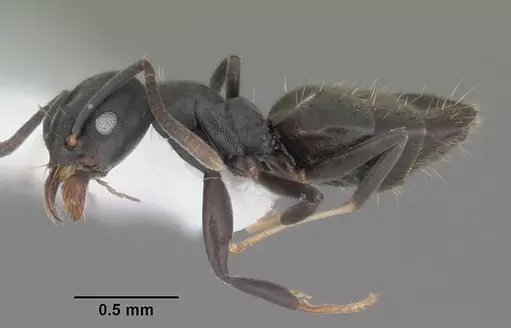
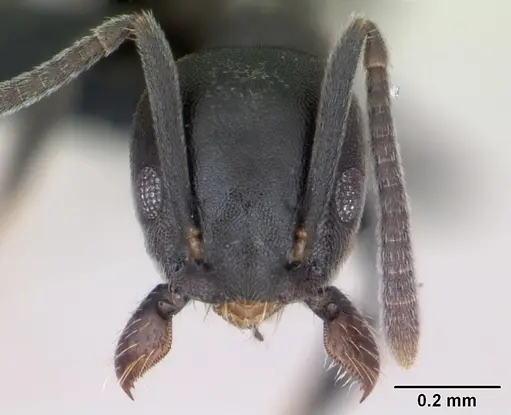
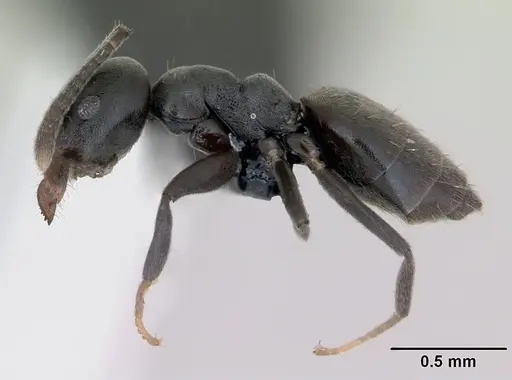
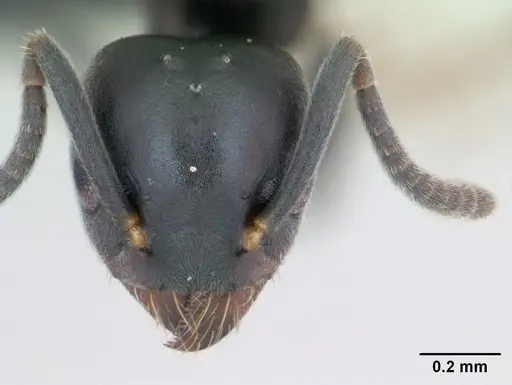
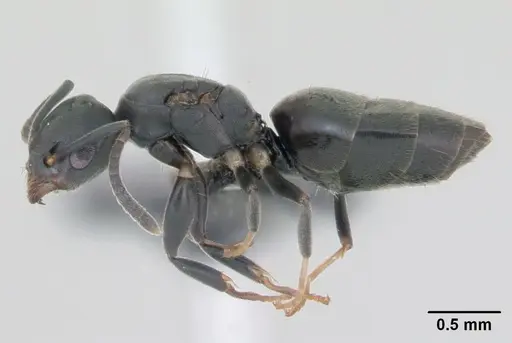
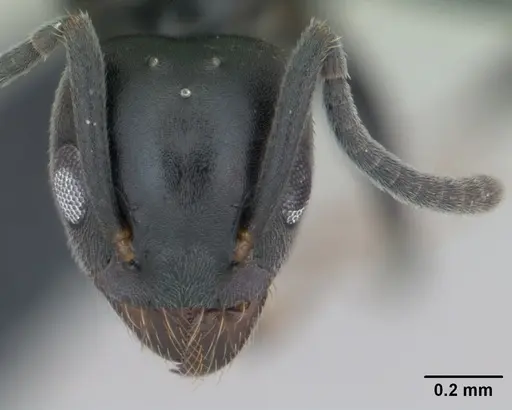
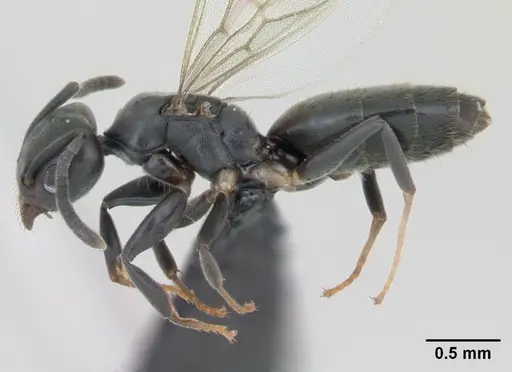
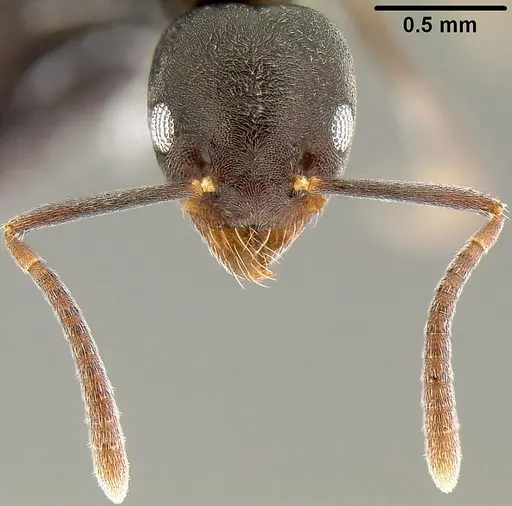
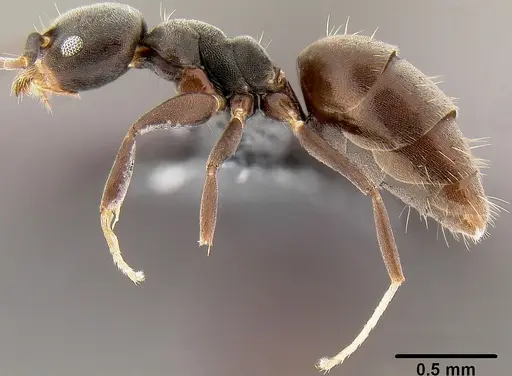
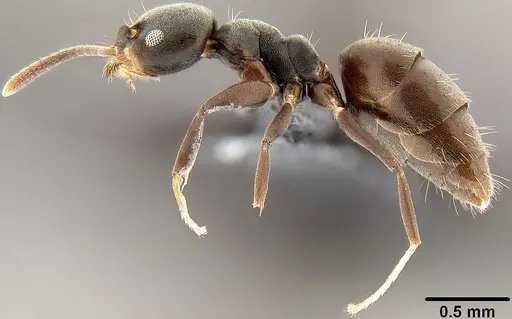
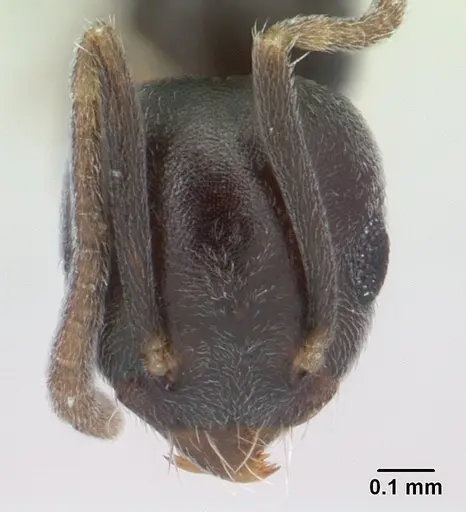
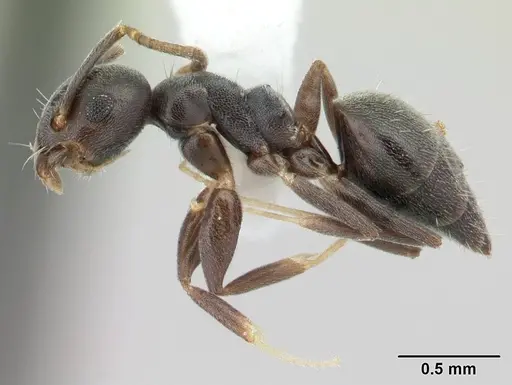
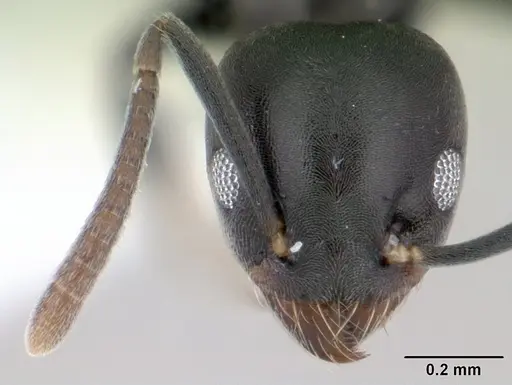
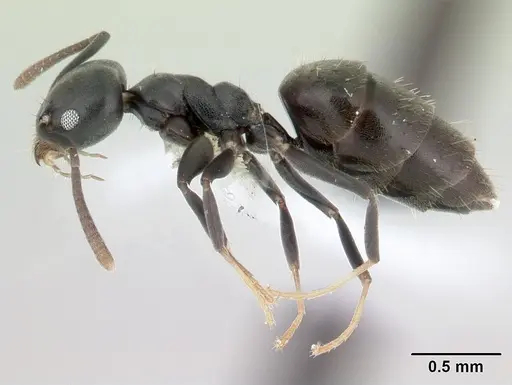
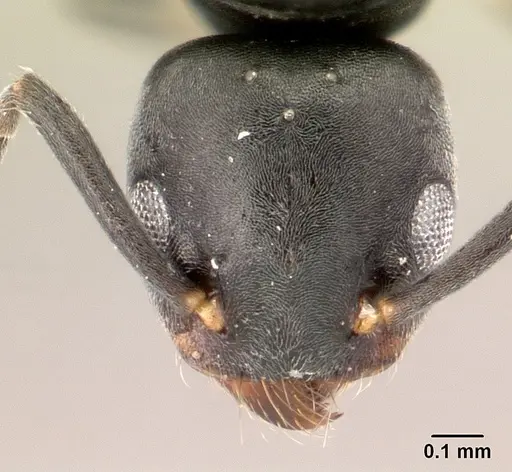
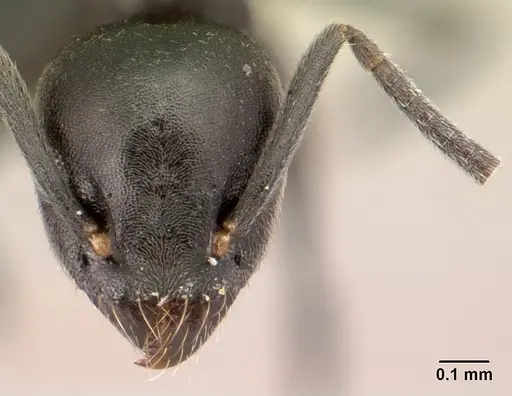
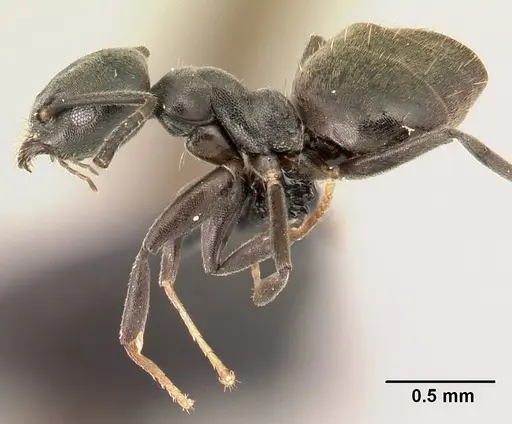
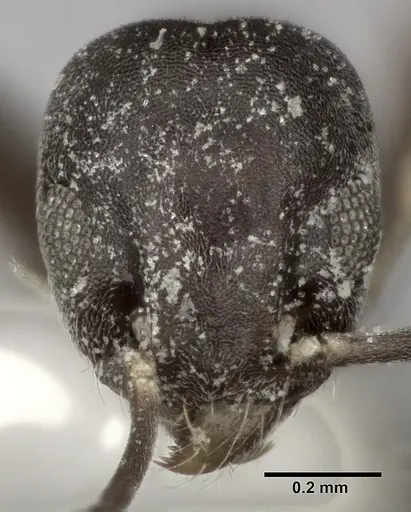
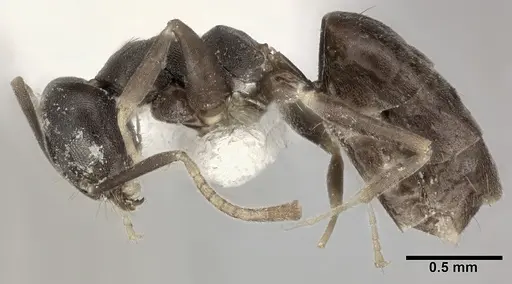
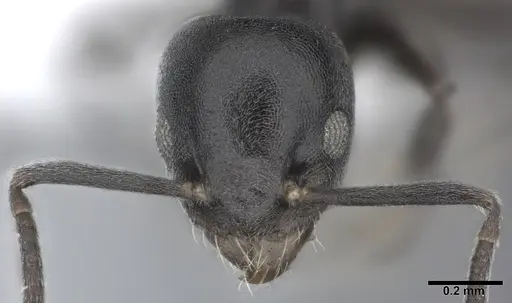
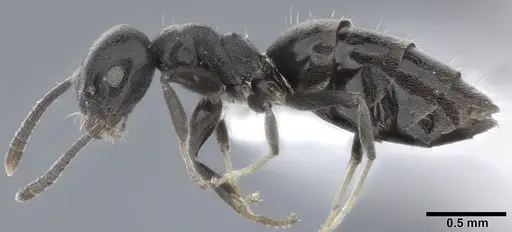
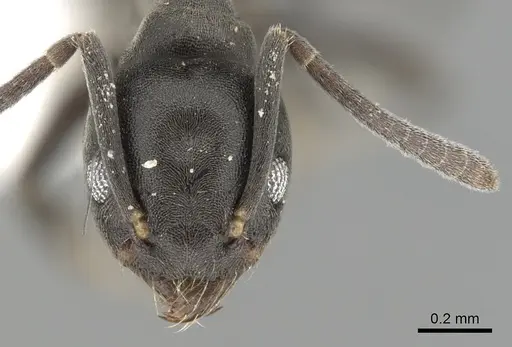
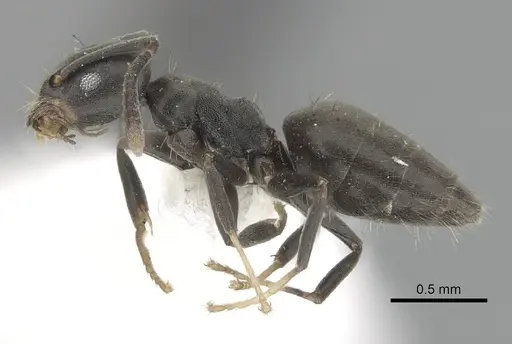
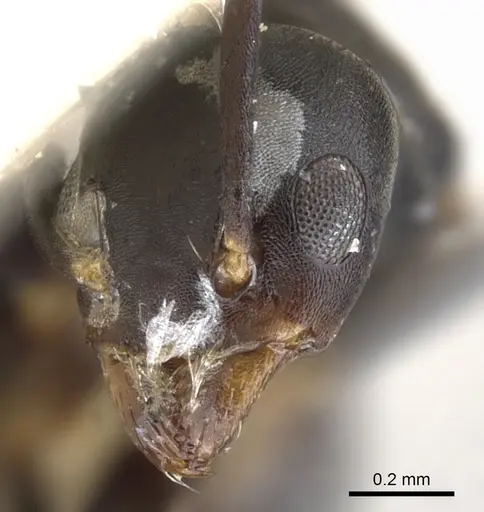
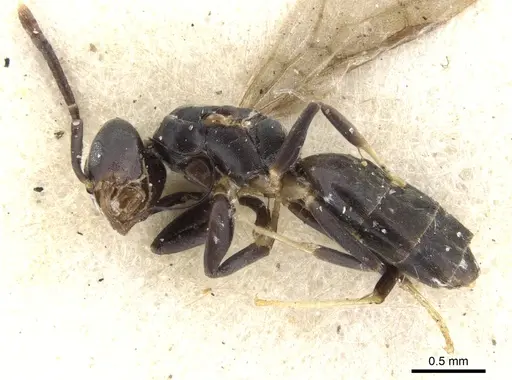
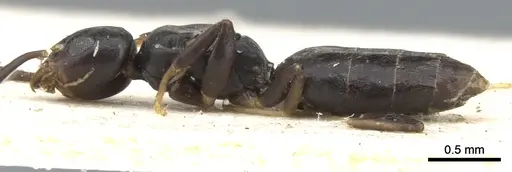
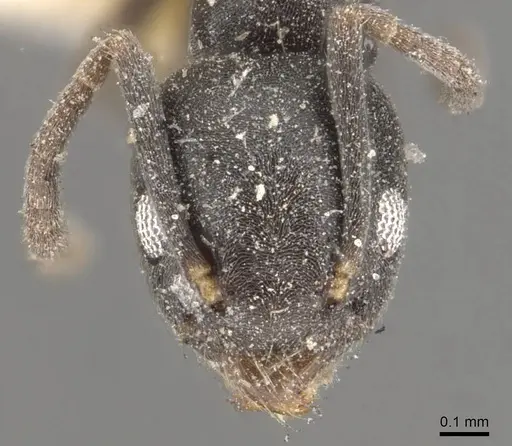
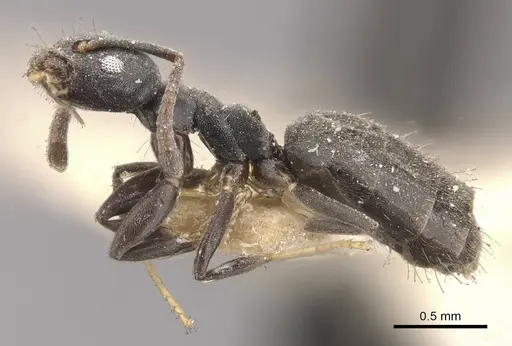
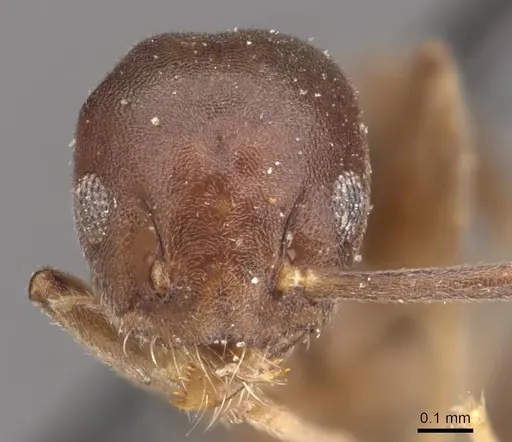
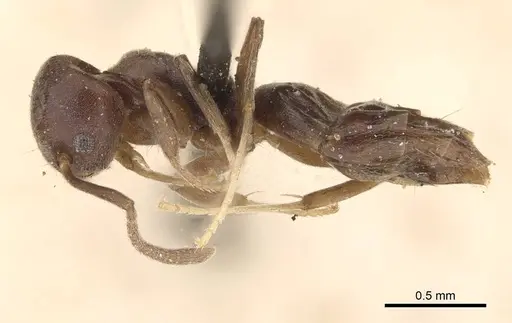
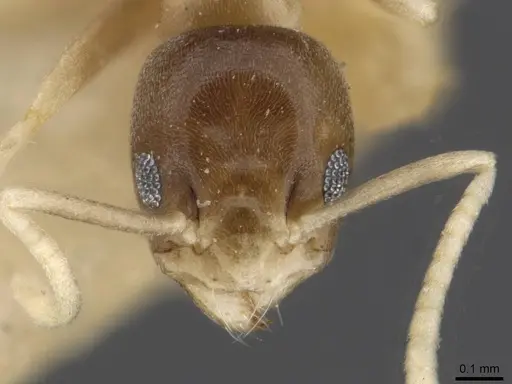
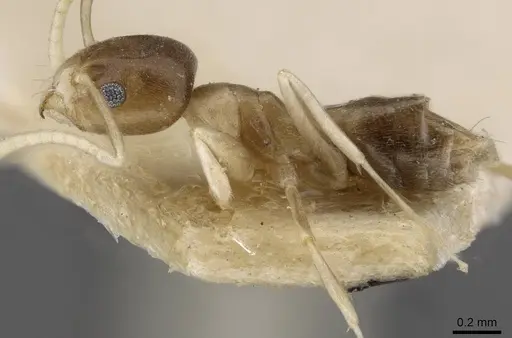
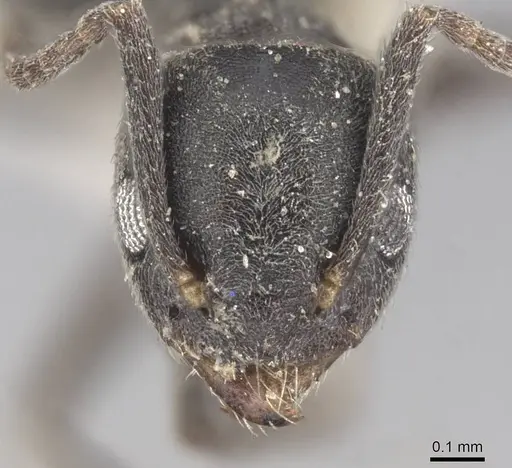
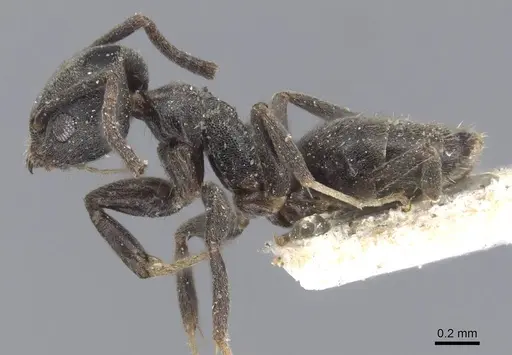
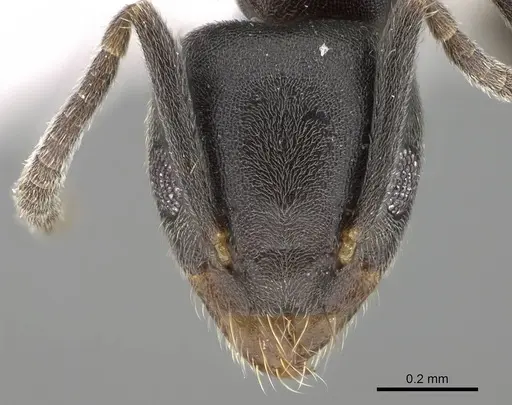
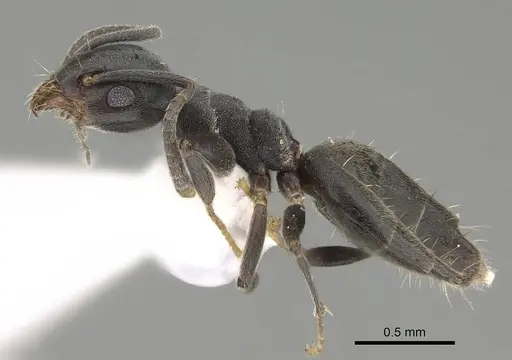
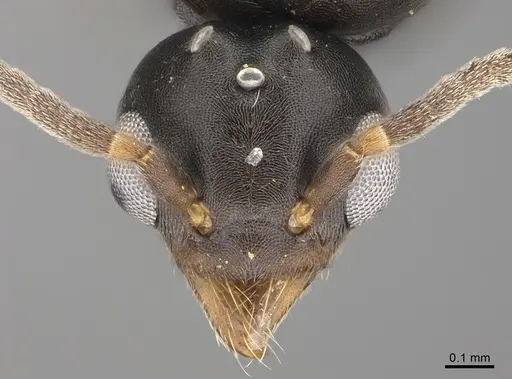
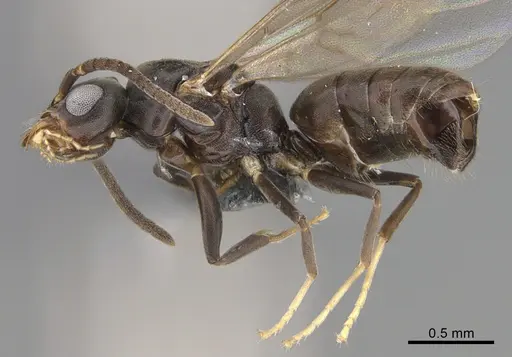
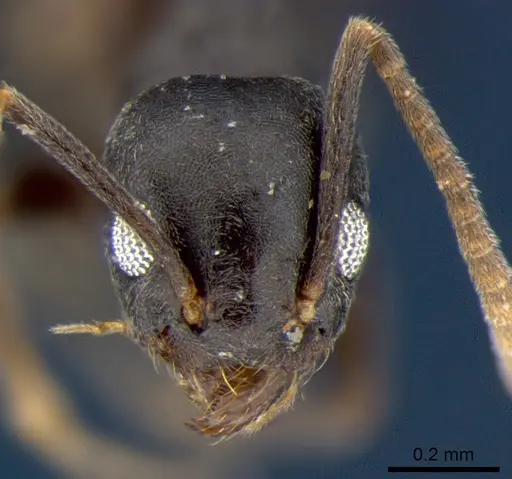
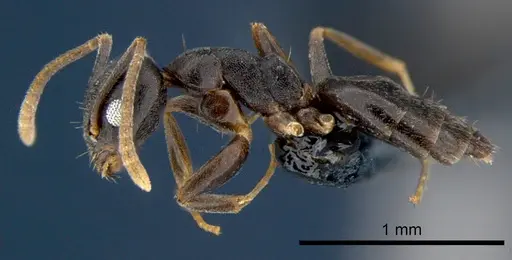
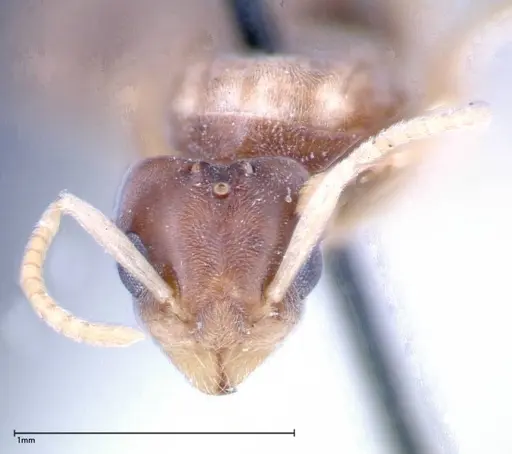
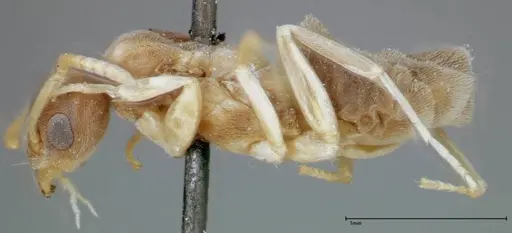
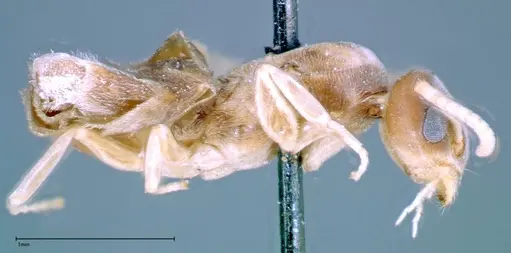
Technomyrmex albipes is a small ant measuring 2.3-2.9mm, with a dark brown to black body and distinctive yellowish-white tarsi (feet) that give it the common name 'white-footed ant' [1]. This species belongs to the subfamily Dolichoderinae, which means it lacks a functional sting and instead uses chemical defenses [1]. Native to the Indo-Pacific region, it has become one of the world's most successful tramp ants, establishing in tropical and subtropical areas across the globe including Hawaii, Florida, California, New Zealand, South Africa, and many Pacific islands [2][3].
What makes T. albipes particularly unusual is its reproductive system. Colonies can contain anywhere from 8,000 to 3 million workers, with nearly half of the colony consisting of fertile reproductive females called intercastes [4]. These intercastes are wingless females that can reproduce with wingless males inside the nest, allowing colonies to grow extremely large through secondary polygyny [5]. Unlike most ants, T. albipes does not share food through trophallaxis. Instead, nutrients are transferred via trophic eggs produced by all females [6].
Quick Summary
- Difficulty: Expert
- Origin & Habitat: Native to the Indo-Pacific region (Southeast Asia, Australia), now invasive across tropical and subtropical regions worldwide [2]. Found in forest edges, disturbed habitats, urban areas, and inside buildings.
- Colony Type: Polydomous (multiple connected nests) with secondary polygyny, colonies can contain multiple reproductive females (intercastes) and reach 8,000 to 3 million workers [4][5].
- Colony: Optionally polygyne, Supercolonial
- Size & Growth:
- Antkeeping:
- Temperature: 24-30°C, being a tropical species, it requires warm conditions [6]. In captivity, maintain at room temperature in heated buildings or use heating when needed.
- Humidity: Moderate to high, prefers humid environments and is often found near water sources. In captivity, provide some moisture but avoid waterlogging.
- Diapause: No, being a tropical species, it does not require hibernation. Activity may reduce slightly in cooler months.
- Nesting: Nests in aboveground locations including tree holes, under palm fronds, wall voids, attics, and debris. In captivity, will use test tubes, acrylic nests, or naturalistic setups with multiple connected chambers.
- Behavior: Generally non-aggressive toward humans but can become territorial toward other ant species. Workers forage primarily at night along established trails [9]. They are attracted to sweet foods, especially honeydew from aphids and mealybugs, and will tend hemipteran insects aggressively. Workers can squeeze through tiny gaps due to their small size. When disturbed, they release a sweet-smelling alarm secretion containing benzaldehyde [4]. Escape prevention is critical due to their small size and ability to form polydomous colonies.
- Common Issues: colonies can become extremely large very quickly, expert-only species for experienced keepers, difficulty controlling colony size once established in captivity, no trophallaxis means baits are less effective if workers don't consume them directly, polydomous nesting means colonies can spread throughout multiple enclosures, not a typical pet ant, primarily studied as a pest species, can be aggressive toward native ant species in invaded ranges
Queen Ant Activity Analysis 96 observations
Queen Activity by Hour 96 observations
Technomyrmex albipes queen activity peaks around 15:00 during the afternoon. Activity is spread across a 13-hour window (07:00–19:00). A secondary activity peak occurs around 11:00. Times may be influenced by human observation patterns.
Housing and Nest Setup
Technomyrmex albipes is not typically kept as a pet ant, but if you're studying this species, provide a polydomous setup with multiple connected chambers or test tubes. They prefer aboveground nesting sites and will readily nest in wall voids, between leaves, or in artificial setups. Use a Y-tong (AAC) nest or acrylic formicarium with narrow connections between chambers. Because they are arboreal and prefer humid conditions, include a water reservoir but avoid flooding. Escape prevention is critical, use fluon on all edges as workers can squeeze through gaps smaller than 1mm [9]. Keep humidity moderate (60-80%) and temperature warm (24-30°C).
Feeding and Diet
T. albipes has a strong preference for sweet foods, particularly 25% sucrose solution, which they prefer significantly over water and lower concentrations [10]. They will readily accept honey water, sugar water, and nectar. They also consume honeydew from aphids and mealybugs, and will tend these insects aggressively. In captivity, offer sugar water (25% sucrose) constantly, and supplement with protein sources like small insects or protein gel. They show no significant preference between sucrose and glucose at 25%, but prefer sucrose over fructose at the same concentration [10]. Workers forage primarily at night and will establish persistent trail networks.
Colony Structure and Reproduction
This species has one of the most unusual colony structures among ants. Nearly half of the colony consists of fertile reproductive females called intercastes, which are morphologically intermediate between queens and workers [4]. These intercastes can be major (with 3 ocelli), medium (with 1 ocellus), or minor (no ocelli), and each has different ovarian development [4]. Colonies reproduce through two systems: winged males mate with winged females during nuptial flights, while wingless males mate with wingless intercastes inside the nest (inbreeding) [5]. This dual reproductive system allows colonies to produce offspring even without nuptial flights, contributing to their invasive success. Sex ratios are highly female-biased.
Unique Biology: No Trophallaxis
Unlike most ants, T. albipes does not perform trophallaxis (the sharing of food mouth-to-mouth) [6]. Instead, nutrients are transferred throughout the colony via trophic eggs, unfertilized eggs produced by all females that are fed to other workers and larvae [6]. This makes them unusually difficult to control with toxic baits, as the toxin does not spread through the colony via trophallaxis as it would in other species. When threatened, workers release a sweet-smelling secretion containing benzaldehyde (83%) along with other compounds [4]. This defensive secretion is distinctive and may help identify an infestation.
Invasive Status and Ecological Impact
T. albipes is classified as a tramp ant species, one of the most widespread invasive ants in the world [2]. It has established in Hawaii (first recorded 1911), Florida, California, New Zealand, South Africa, India, China, Madagascar, Saudi Arabia, and many Pacific islands [3][2]. In invaded areas, it can dominate ecosystems, reduce native ant diversity, and interfere with biological control by aggressively tending pest mealybugs and aphids [11]. It has been linked to spreading pineapple wilt disease in Sri Lanka and black pod disease in cocoa in Papua New Guinea [4]. In some areas like Mauritius and Madagascar, its presence correlates with reduced native ant populations in disturbed habitats [11].
Frequently Asked Questions
Is Technomyrmex albipes legal to keep as a pet ant?
This depends on your location. T. albipes is considered an invasive species in many regions including Florida, Hawaii, and parts of Europe. In some areas, keeping or transporting this species may be regulated or prohibited. Always check local regulations before attempting to keep this species.
Why is Technomyrmex albipes considered a pest?
T. albipes becomes a nuisance when it enters buildings in large numbers, nesting in wall voids, attics, and electrical installations. It can cause electrical problems by shorting out switches and outlets. It also interferes with biological control by aggressively protecting aphids and mealybugs from natural enemies, leading to increased pest populations. In agriculture, it has been linked to spreading plant diseases like pineapple wilt and black pod disease [4][12].
How big do Technomyrmex albipes colonies get?
Colonies can reach extraordinary sizes, between 8,000 and 3 million workers [4]. This is due to their polydomous structure (multiple connected nests) and secondary polygyny (multiple reproductive females). Nearly half of the colony consists of fertile intercastes that can reproduce inside the nest.
What do Technomyrmex albipes eat?
They have a strong sweet tooth. Their primary food sources are honeydew from aphids and mealybugs, plant nectar, and sugar solutions. In captivity, offer 25% sucrose solution as a constant food source, along with occasional protein like small insects. They strongly prefer 25% sucrose over water and lower concentrations [10].
How do I control Technomyrmex albipes if I find them in my home?
Control is difficult because they don't share food via trophallaxis. Use sugar-based baits containing imidacloprid, thiamethoxam, or disodium octaborate tetrahydrate (DOT), which are effective in laboratory tests [13][10]. Target the nest directly since baits work slowly. Professional pest control is often necessary for established infestations. The 25% sucrose solution is recommended as a bait matrix [6].
Are Technomyrmex albipes dangerous to native ant species?
Yes, they can be. In invaded areas like Mauritius, Madagascar, and Hawaii, T. albipes has been shown to reduce native ant diversity and dominate ecosystems [11]. They are aggressive toward other ant species and can outcompete them for resources. Their ability to form supercolonies and tend honeydew-producing insects gives them a competitive advantage.
What makes Technomyrmex albipes such a successful invasive species?
Several factors contribute: (1) they can form polydomous supercolonies with millions of workers, (2) they have both winged and wingless reproductives allowing in-nest breeding, (3) they don't require nuptial flights to establish new colonies, (4) they are highly adaptable to disturbed habitats, (5) they spread through human commerce and plant material, and (6) their unusual biology (no trophallaxis) makes them harder to control with standard methods [14][5].
References

This caresheet is licensed under CC BY-SA 4.0 .
ANTWEB1008594
View on AntWeb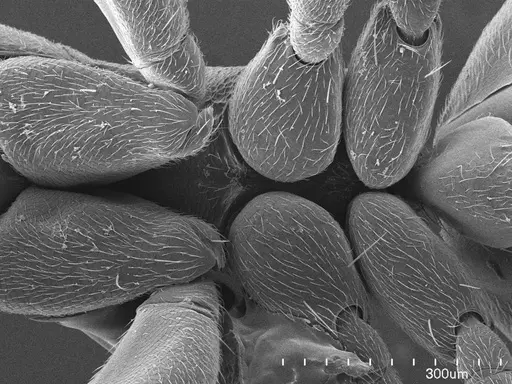
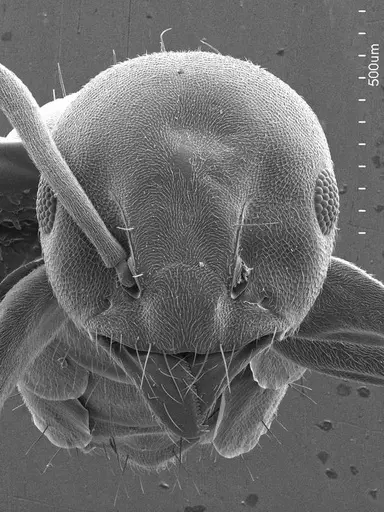
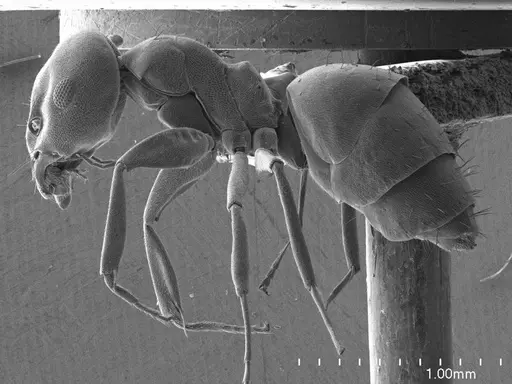
CASENT0055727
View on AntWeb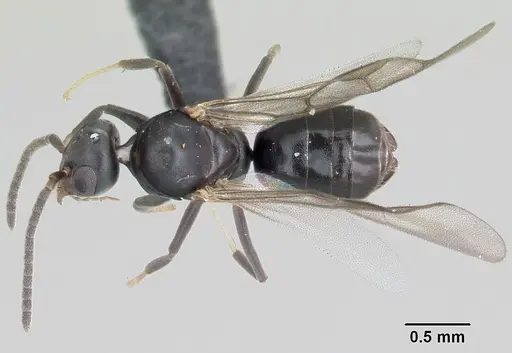
CASENT0055965
View on AntWeb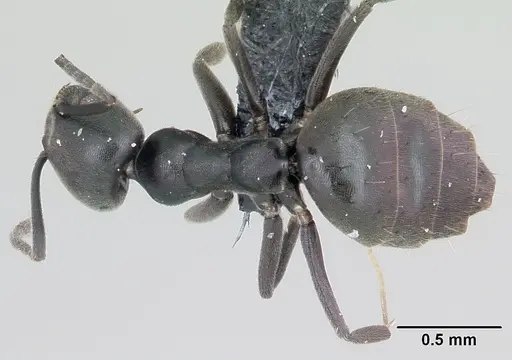
CASENT0060419
View on AntWeb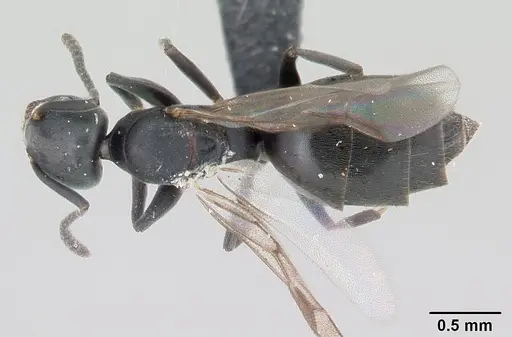
CASENT0071195
View on AntWeb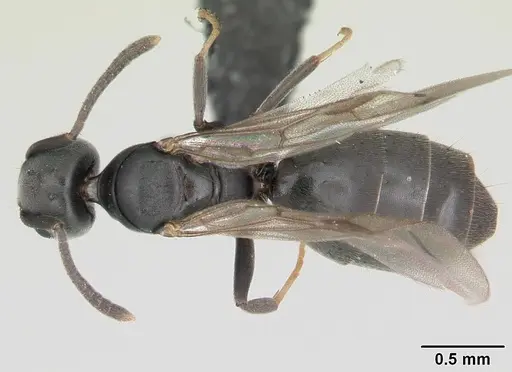
CASENT0101467
View on AntWeb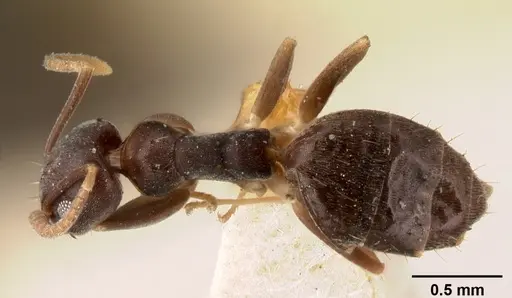
CASENT0102952
View on AntWeb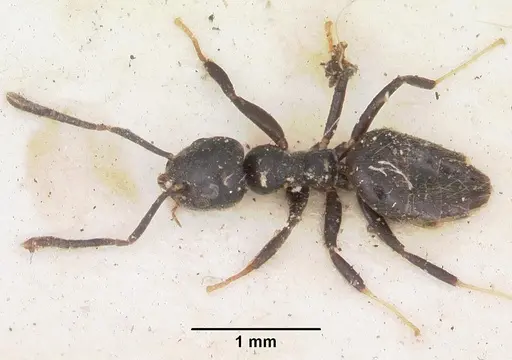
CASENT0103002
View on AntWeb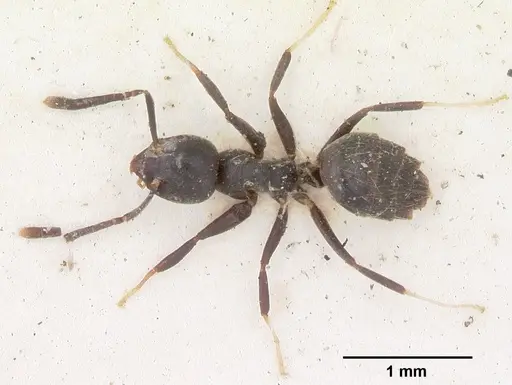
CASENT0104343
View on AntWeb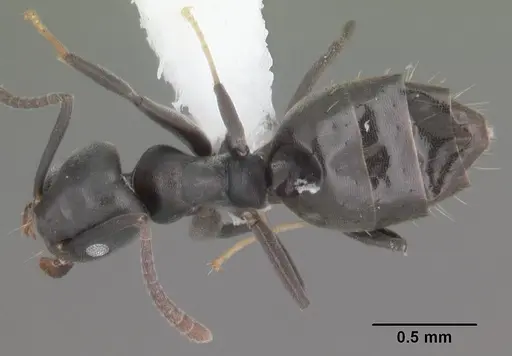
CASENT0125198
View on AntWeb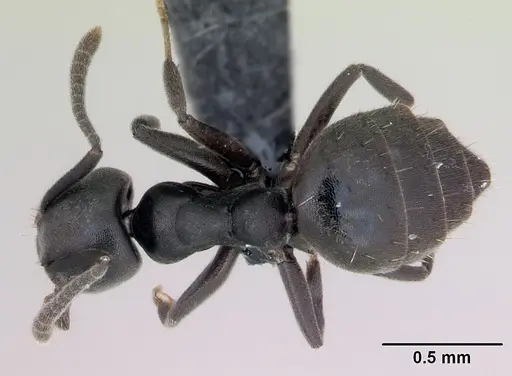

CASENT0125208
View on AntWeb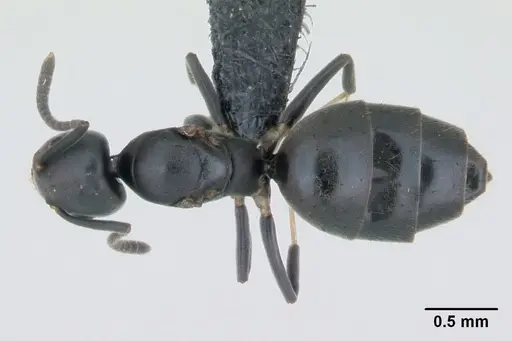
CASENT0125325
View on AntWeb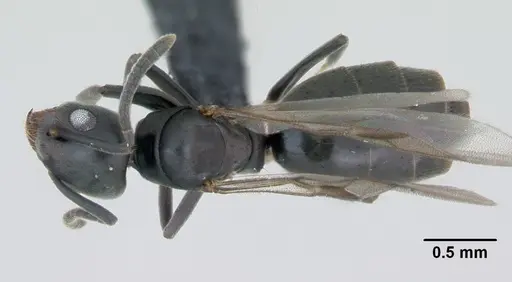
CASENT0171130
View on AntWeb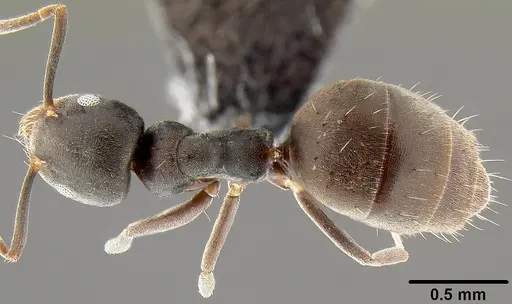
CASENT0178389
View on AntWeb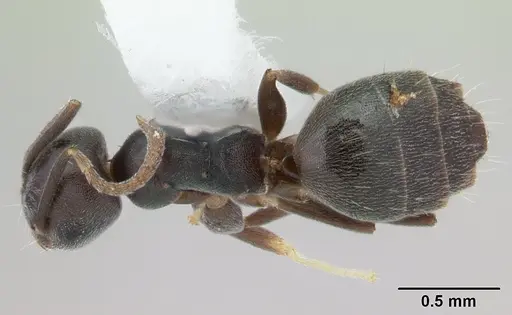
CASENT0178469
View on AntWeb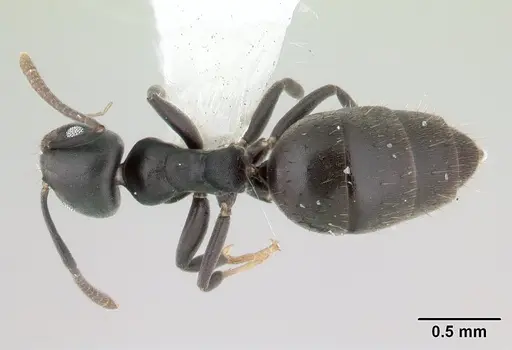
CASENT0188893
View on AntWeb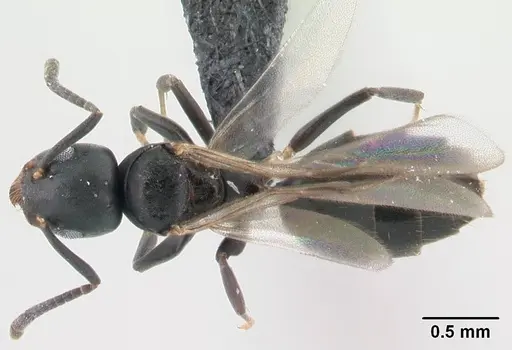
CASENT0188900
View on AntWeb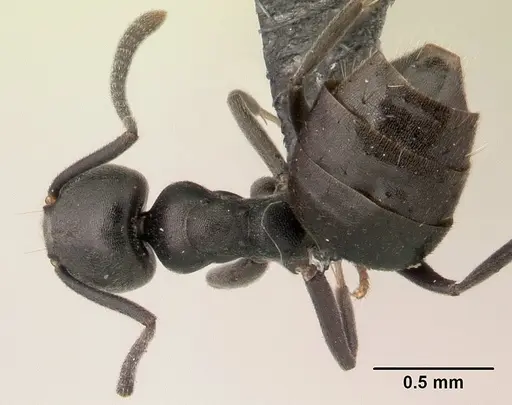
CASENT0226448
View on AntWeb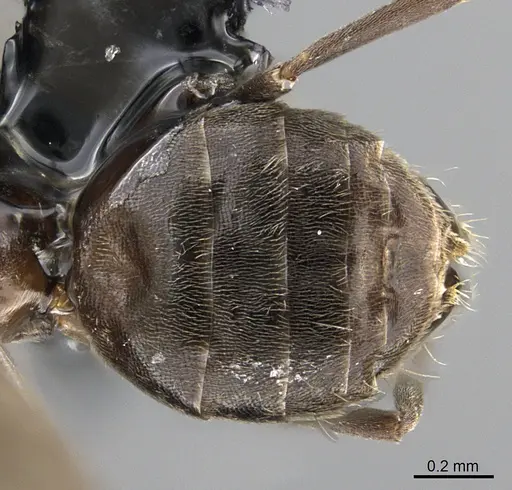
CASENT0246565
View on AntWeb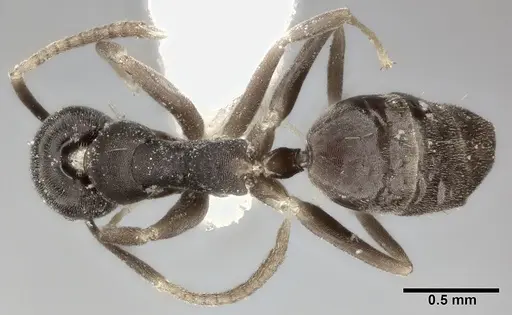
CASENT0246603
View on AntWeb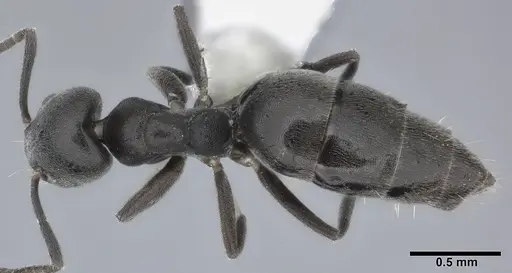
CASENT0249775
View on AntWeb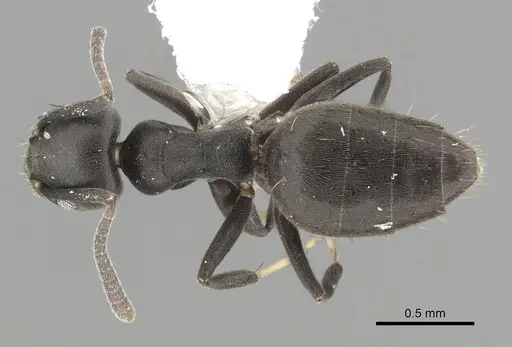
CASENT0345007
View on AntWeb
CASENT0345009
View on AntWeb
CASENT0345010
View on AntWeb
CASENT0345012
View on AntWeb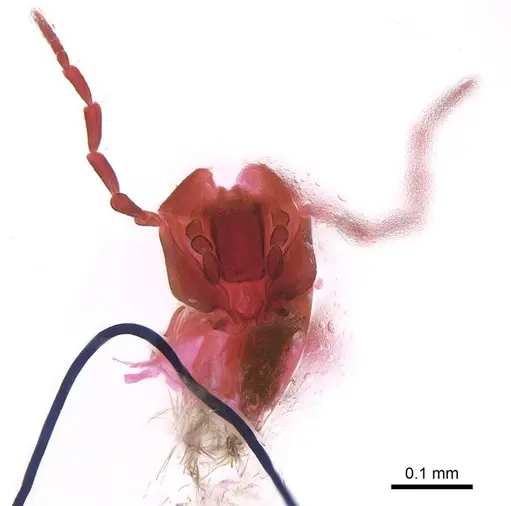
CASENT0345013
View on AntWeb
CASENT0903030
View on AntWeb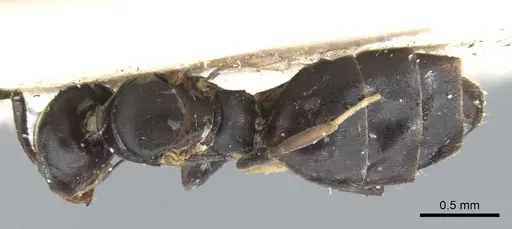
CASENT0903031
View on AntWeb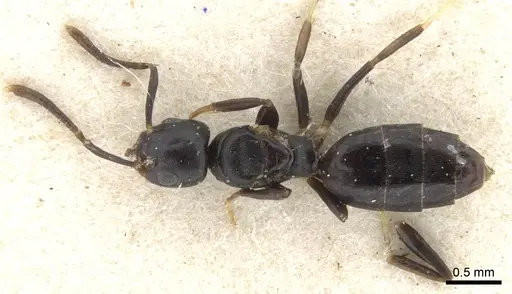
CASENT0909789
View on AntWeb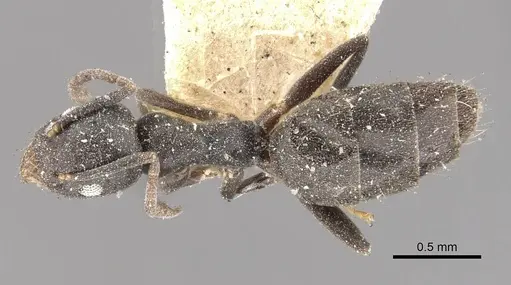
CASENT0909792
View on AntWeb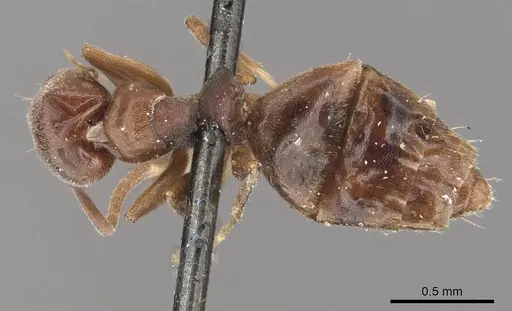
CASENT0909806
View on AntWeb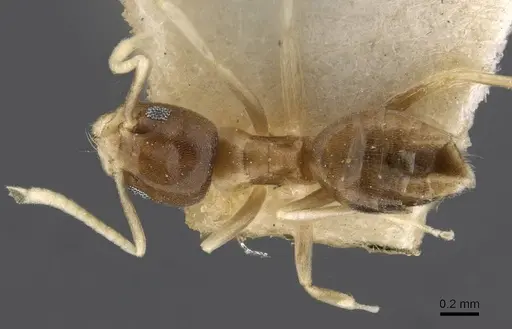
CASENT0915552
View on AntWeb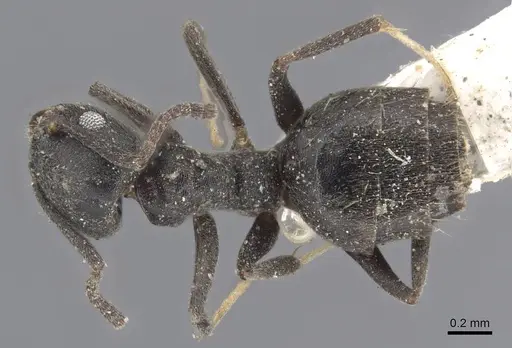
CASENT0919862
View on AntWeb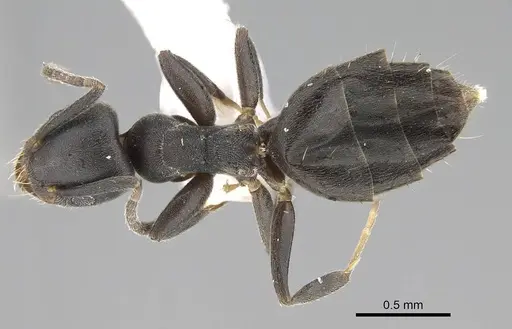
CASENT4024710
View on AntWeb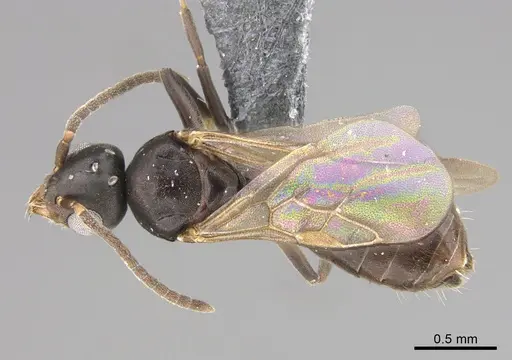
CSIRONC0192
View on AntWeb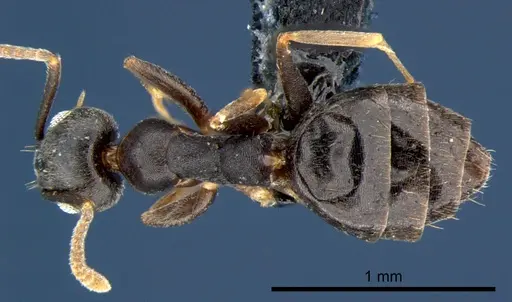
FOCOL0181
View on AntWeb
FOCOL0182
View on AntWeb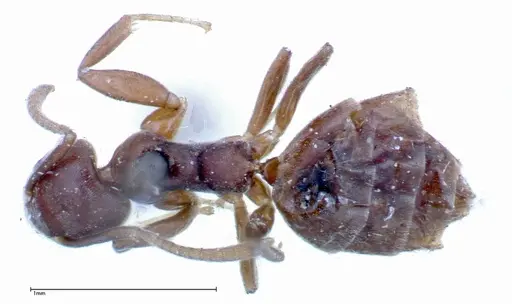
Literature
Loading...Loading products...