

Technomyrmex parandrei
- Scientific Name
- Technomyrmex parandrei
- Tribe
- Tapinomini
- Subfamily
- Dolichoderinae
- Author
- Bolton, 2007
- Distribution
- Found in 1 countries
Technomyrmex parandrei Overview
Technomyrmex parandrei is an ant species of the genus Technomyrmex. It is primarily documented in 1 countries , including Gabon. Detailed taxonomic data and occurrence records can be further explored via authoritative databases such as AntWeb or the Global Biodiversity Information Facility (GBIF).
Technomyrmex parandrei
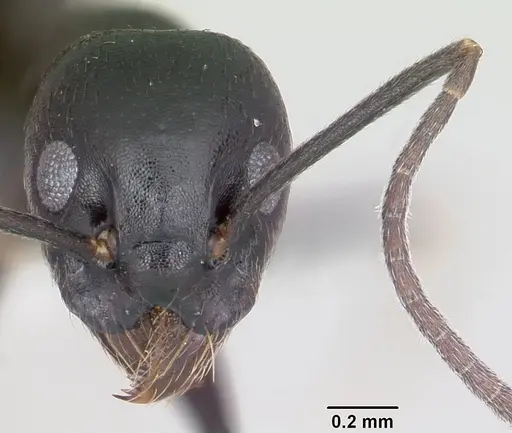
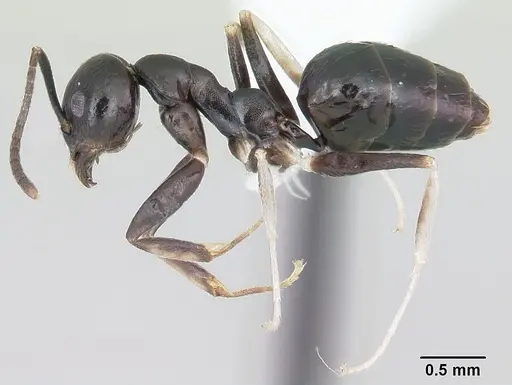
Technomyrmex parandrei is a small, dark ant species native to the rainforests of Gabon in Central Africa. Workers measure 3.5-3.7mm and are predominantly black in color, with distinctive yellow trochanters and pale yellow tibiae and tarsi. This species belongs to the Technomyrmex bicolor group and is closely related to Technomyrmex andrei, from which it can be distinguished by its leg coloration patterns. The species was described in 2007 by Bolton based on specimens collected from rainforest litter samples in the Monts Doudou region of Gabon. As a Dolichoderinae ant, this species lacks a functional stinger and instead relies on chemical defenses from its abdominal glands. These ants are typically found in forest floor habitats, living in leaf litter, rotting wood, and soil [1].
Quick Summary
- Difficulty: Medium
- Origin & Habitat: Native to the rainforests of Gabon in Central Africa. The type specimens were collected from sifted leaf mold and rotten wood in the Monts Doudou region at approximately 630m elevation. The species has also been documented in Cameroon rainforest farmlands [1].
- Colony Type: Monogyne (single-queen) colonies based on typical Technomyrmex genus patterns. Colony size likely reaches several hundred to a few thousand workers at maturity.
- Colony: Monogyne
- Founding: Claustral
- Size & Growth:
- Queen: Undescribed, queens not yet documented in scientific literature
- Worker: 3.5-3.7mm
- Colony: Likely several hundred to a few thousand workers based on genus patterns
- Growth: Moderate, inferred from typical Technomyrmex development
- Development: Estimated 6-8 weeks at optimal tropical temperatures based on related Technomyrmex species (Development time is estimated based on genus-level data since species-specific studies are not available)
- Antkeeping:
- Temperature: Keep at 24-28°C, these are tropical rainforest ants requiring warm, stable temperatures. A gentle gradient with a heating cable on one side of the nest allows workers to regulate their temperature preference.
- Humidity: High humidity is essential, aim for 70-85% relative humidity. Keep the nest substrate consistently moist but not waterlogged. These ants naturally live in damp rainforest leaf litter, so mist the outworld regularly and ensure the nest has access to a water tube.
- Diapause: No, as a tropical species from Central Africa, they do not require hibernation. Maintain warm temperatures year-round.
- Nesting: These ants naturally nest in leaf litter, rotting wood, and soil. In captivity, they do well in naturalistic setups with moist substrate, acrylic nests with multiple chambers, or Y-tong nests. They prefer tight, humid chambers rather than large open spaces.
- Behavior: Technomyrmex parandrei is a relatively calm, non-aggressive species. As Dolichoderinae ants, they do not have stingers and instead use chemical defenses (spraying formic acid or other irritants) when threatened. They are moderate foragers and will readily collect honeydew and small prey. Their small size (under 4mm) means escape prevention is critical, they can squeeze through tiny gaps. They are not known for being particularly escape-prone compared to some other small ants, but their size makes proper barriers essential.
- Common Issues: escape prevention is critical due to their very small size, use fine mesh and tight-fitting lids, high humidity requirements can lead to mold issues if ventilation is inadequate, tropical temperature needs mean they cannot tolerate cool rooms, heating is usually necessary, slow founding phase, claustral queens may take months to produce first workers, leading to beginner impatience, wild-caught colonies may harbor parasites that can devastate captive colonies
Housing and Nest Setup
For Technomyrmex parandrei, naturalistic setups work well since they naturally inhabit rainforest floor environments. Use a mix of soil, sand, and rotting wood pieces as substrate. Keep the substrate consistently moist but not waterlogged, these ants come from damp rainforest litter. Acrylic nests with multiple connected chambers also work well, especially if you can maintain high humidity inside. A water tube attached to the nest helps maintain moisture. The outworld should be simple with minimal decorations since these are small ants that can get trapped in elaborate setups. Always use a tight-fitting lid and fine mesh on any ventilation holes, their tiny size means they can escape through gaps you wouldn't notice with larger ants. [1]
Feeding and Diet
In the wild, Technomyrmex species primarily feed on honeydew from aphids and scale insects, plus small insects and other arthropods they can capture. In captivity, offer a mix of sugar sources (honey water, sugar water, or diluted maple syrup) and protein. For protein, small fruit flies, flightless fruit flies, small crickets, and mealworms work well. Offer sugar water constantly, these ants need regular carbohydrate intake. Feed protein 2-3 times per week, adjusting based on colony size. Remove any uneaten prey after 24-48 hours to prevent mold. Since they are small ants, portion sizes should be tiny, a drop of sugar water or a single small fruit fly is enough for a starting colony.
Temperature and Seasonal Care
As a tropical species from Gabon's rainforests, Technomyrmex parandrei requires warm temperatures year-round. Keep the nest area at 24-28°C for optimal brood development. Room temperature alone is often insufficient, especially in cooler climates, use a heating cable or small heat mat on one side of the nest to create a temperature gradient. This allows ants to move to warmer or cooler areas as needed. Do not let temperatures drop below 22°C for extended periods. There is no hibernation requirement for this species, maintain consistent tropical conditions throughout the year. Avoid temperature fluctuations and drafts, which can stress the colony. [1]
Behavior and Colony Dynamics
Technomyrmex parandrei is a relatively peaceful species that does well in established colonies. They are not aggressive and will typically flee rather than fight when threatened. As Dolichoderinae ants, they lack stingers but can spray formic acid or other defensive chemicals from their abdomen, this may cause minor irritation but is not dangerous to humans. Workers are active foragers that will scout for food and tend to aphids if available. The colony will establish a clear division of labor with workers taking on different roles as they age. Founding colonies grow slowly at first, a claustral queen will seal herself in and may take 2-3 months or longer to produce her first workers (nanitics) depending on temperature. Once the first workers emerge, growth typically accelerates.
Escape Prevention
Because Technomyrmex parandrei workers are only 3.5-3.7mm in size, escape prevention must be excellent. Use test tube setups with cotton plugs that are properly packed, or use lids that fit tightly. If using formicariums, ensure all connections are secure and any gaps are sealed with fluon or similar barriers. Fine mesh (at least 0.5mm or smaller) is essential for any ventilation. Check for potential escape routes daily, especially in the first few weeks after establishing a colony. Even small gaps that seem insignificant can allow these tiny ants to escape. A moat of water or fluon barrier around the outworld provides an additional layer of protection.
Frequently Asked Questions
How long does it take for Technomyrmex parandrei to produce first workers?
First workers (nanitics) typically appear 6-10 weeks after the queen lays her first eggs, assuming optimal temperatures of 24-28°C. The exact timing depends on temperature and feeding, warmer conditions speed up development while cooler temperatures can significantly delay it. Be patient during the founding phase as claustral queens seal themselves in and raise their first brood alone.
Can I keep Technomyrmex parandrei in a test tube?
Yes, test tubes work well for founding colonies. Use a small test tube with a water reservoir (cotton ball on one end) and a well-packed cotton plug on the other. Keep the tube horizontal or slightly elevated so the queen can retreat to the humid end. Since they are small ants, ensure the cotton is properly packed to prevent escapes while still allowing some air flow. Once the colony reaches 20-30 workers, consider moving to a formicarium or naturalistic setup.
What temperature do Technomyrmex parandrei ants need?
Keep them at 24-28°C for optimal colony health and brood development. These are tropical rainforest ants that require warm conditions year-round. Use a heating cable or small heat mat on part of the nest to maintain these temperatures if your room temperature is below 24°C. Avoid temperatures below 22°C as this can slow colony development and potentially stress the ants.
Are Technomyrmex parandrei good for beginners?
This species is rated as medium difficulty. While not the easiest species for complete beginners, they are manageable for those with some antkeeping experience. The main challenges are their high humidity requirements, tropical temperature needs, and very small size requiring excellent escape prevention. If you have successfully kept other small tropical ants like some Camponotus or Crematogaster species, you should do well with Technomyrmex parandrei.
How big do Technomyrmex parandrei colonies get?
Based on typical Technomyrmex genus patterns, mature colonies likely reach several hundred to a few thousand workers. Growth is moderate, it takes several months to a year to establish a colony of 50+ workers, and several years to reach maximum size. The exact maximum colony size for this specific species has not been documented in scientific literature.
Do Technomyrmex parandrei need hibernation?
No, they do not require hibernation. As a tropical species from Gabin's rainforests, they need warm temperatures year-round. Maintain temperatures of 24-28°C throughout the year. Attempting to hibernate this species can be harmful or fatal as they are not adapted to cool temperatures.
What do Technomyrmex parandrei eat?
They need a balanced diet of carbohydrates and protein. Offer sugar water, honey water, or diluted maple syrup constantly as a carbohydrate source. For protein, feed small insects like fruit flies, flightless fruit flies, small crickets, or mealworms 2-3 times per week. Adjust feeding frequency based on colony size, larger colonies need more food. Remove uneaten prey after 24-48 hours to prevent mold.
Why are my Technomyrmex parandrei escaping?
Their small size (3.5-3.7mm) means they can squeeze through tiny gaps that larger ants cannot. Check all potential escape routes, gaps around lids, ventilation holes, connections between nest and outworld, and even gaps in the cotton plug of test tubes. Apply fluon or similar barriers to all edges and openings. Use fine mesh (0.5mm or smaller) for ventilation. Check daily and seal any new gaps you discover.
Can I keep multiple Technomyrmex parandrei queens together?
Based on typical Technomyrmex genus patterns, this species forms single-queen (monogyne) colonies. Combining unrelated queens is not recommended as they will likely fight. If you acquire a colony, assume it has one queen. Multi-queen colonies have not been documented for this species and are not recommended for captive keeping.
References

This caresheet is licensed under CC BY-SA 4.0 .
CASENT0103271
View on AntWeb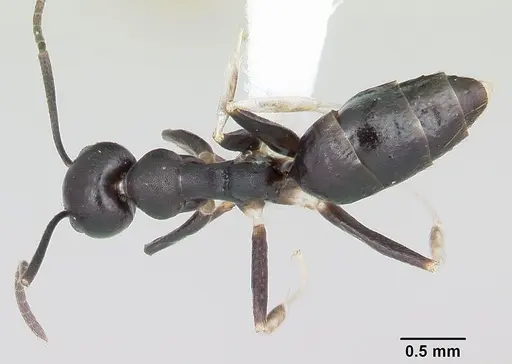
CASENT0424014
View on AntWeb
Literature
Loading...Loading products...