

Technomyrmex andrei
- Scientific Name
- Technomyrmex andrei
- Tribe
- Tapinomini
- Subfamily
- Dolichoderinae
- Author
- Emery, 1899
- Distribution
- Found in 11 countries
Technomyrmex andrei Overview
Technomyrmex andrei is an ant species of the genus Technomyrmex. It is primarily documented in 11 countries , including Congo, Democratic Republic of the, Central African Republic. Detailed taxonomic data and occurrence records can be further explored via authoritative databases such as AntWeb or the Global Biodiversity Information Facility (GBIF).
Technomyrmex andrei
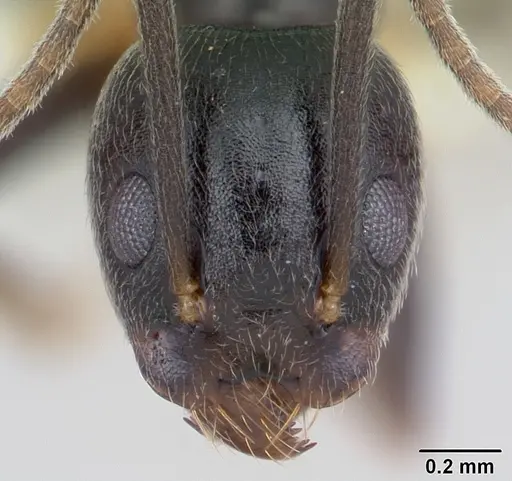
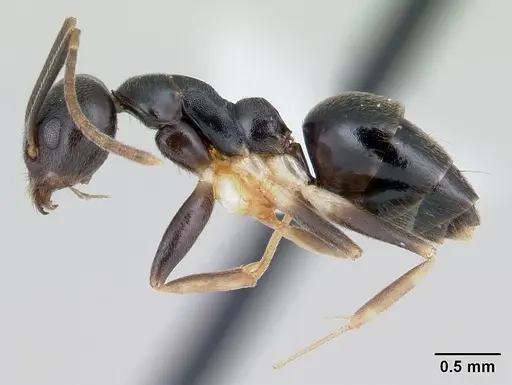
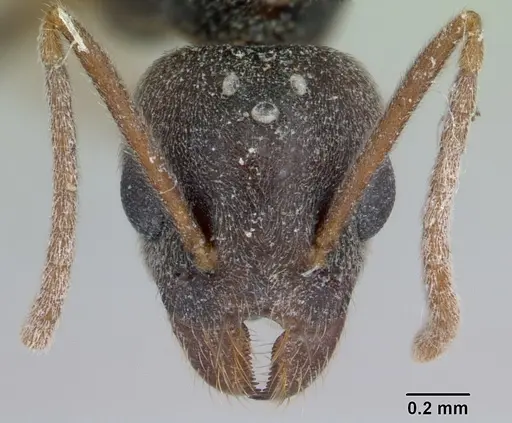
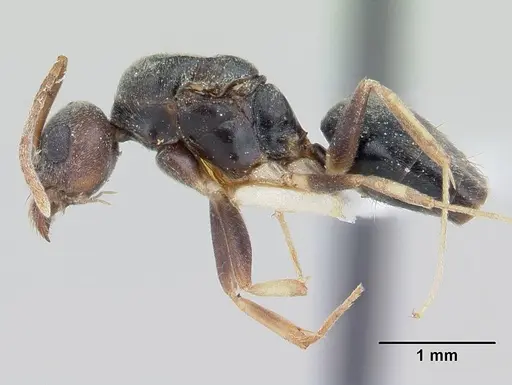
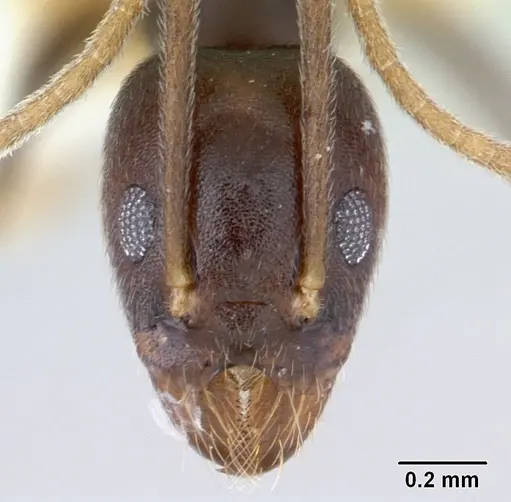
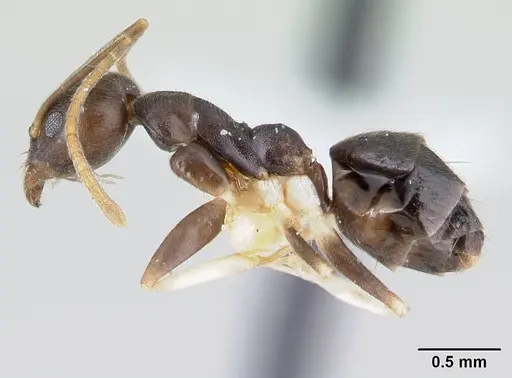
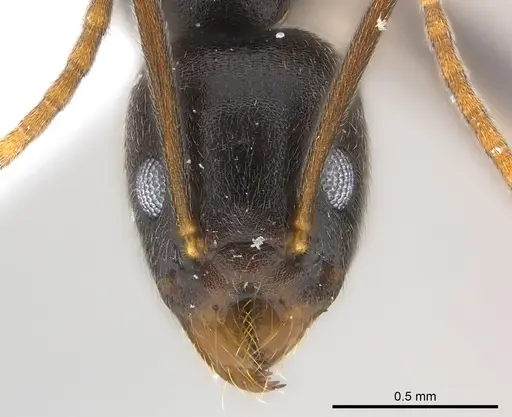
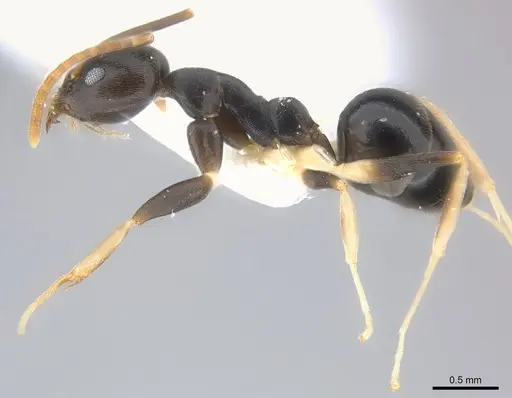
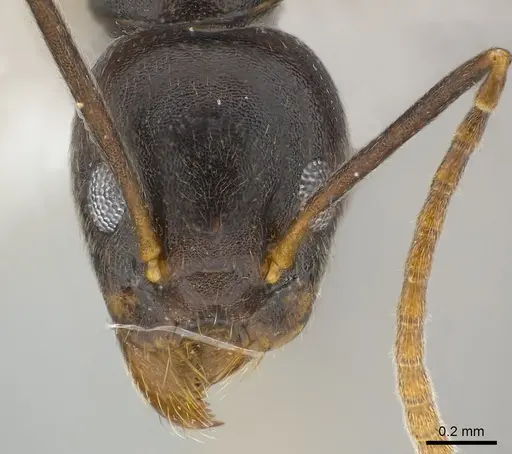
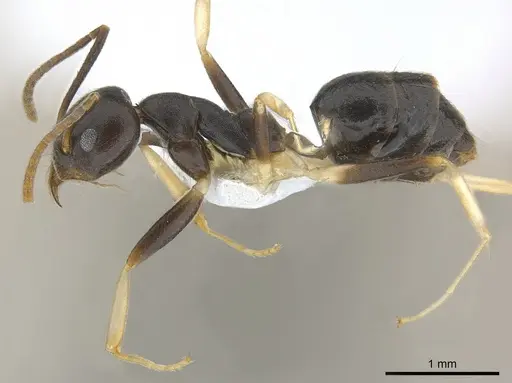
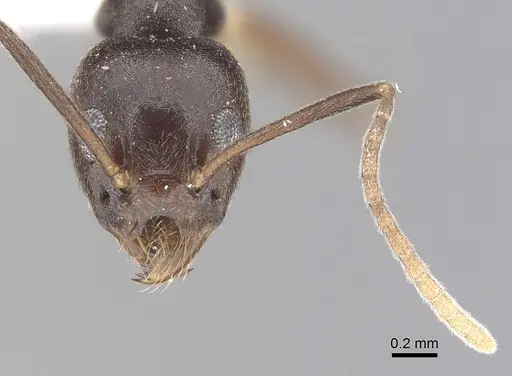
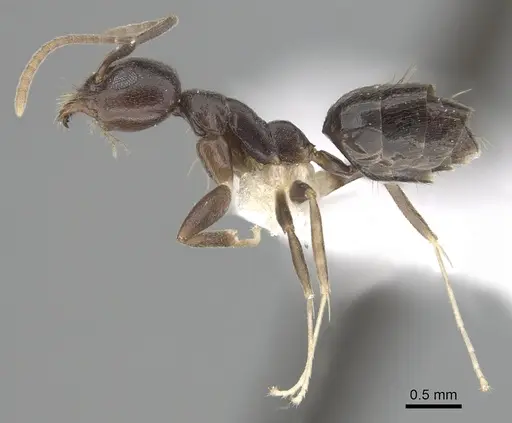
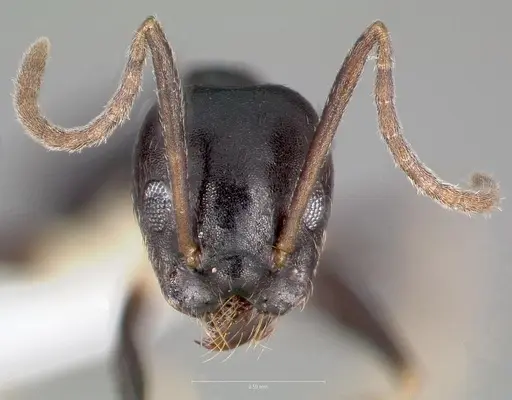
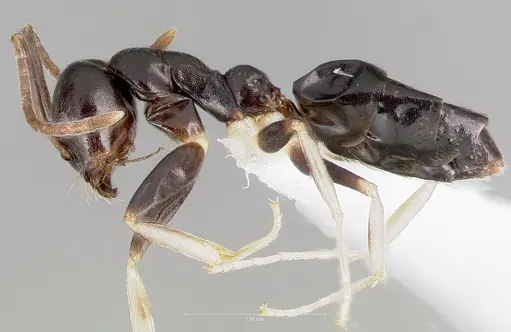
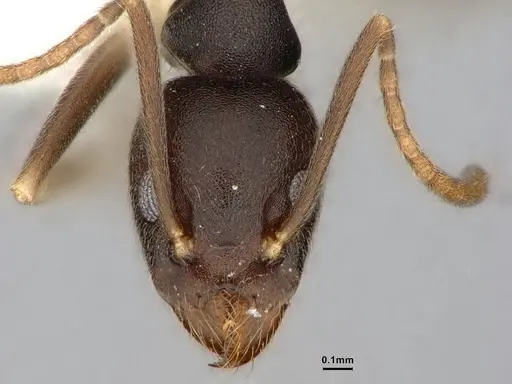
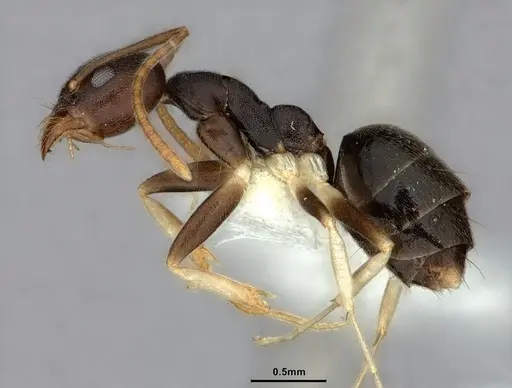
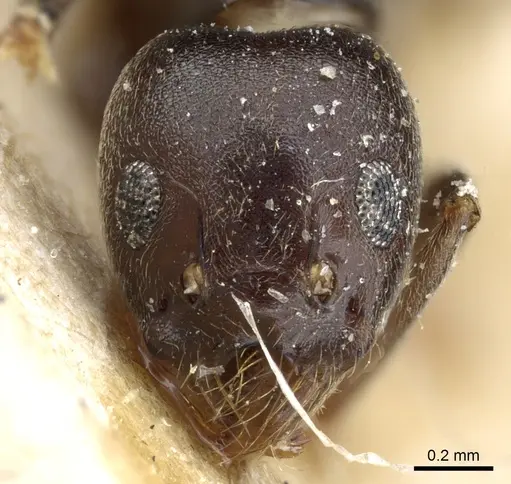
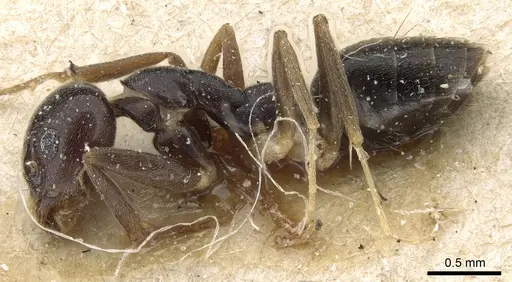
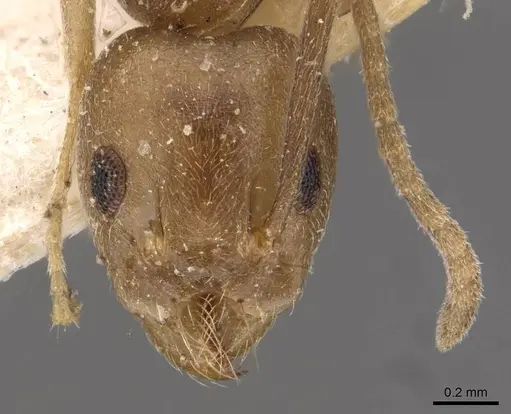
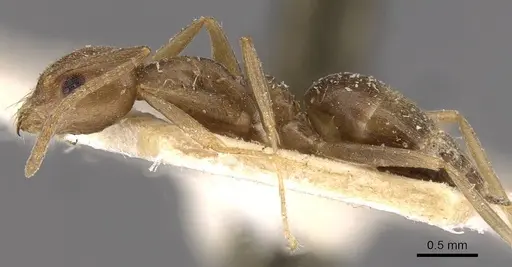
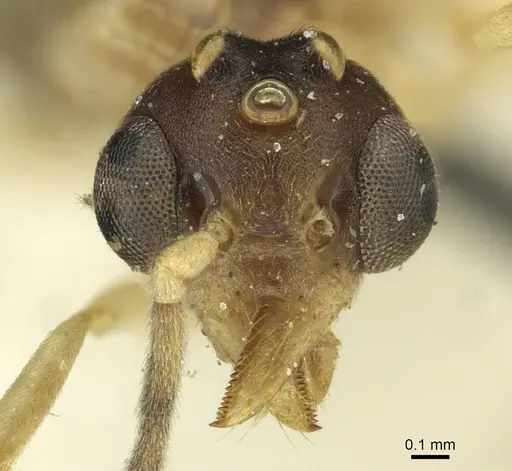
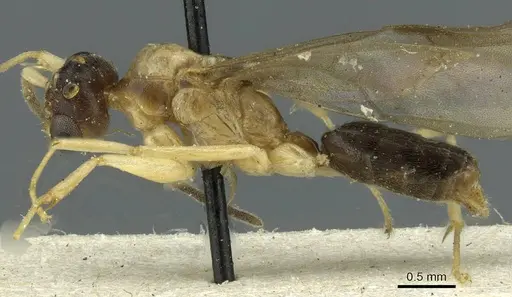
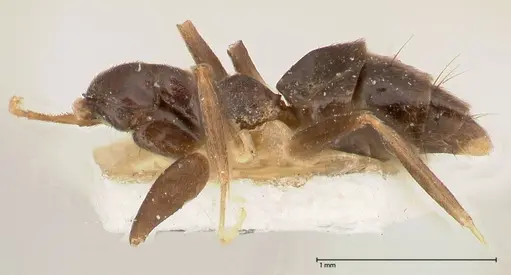
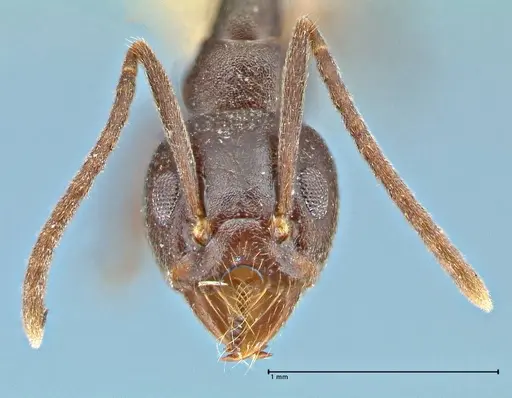
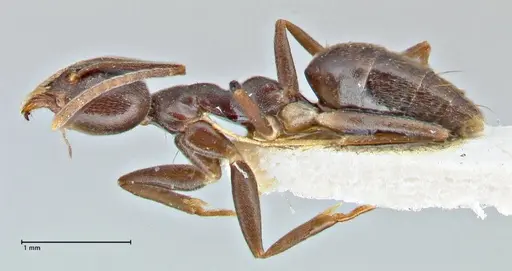
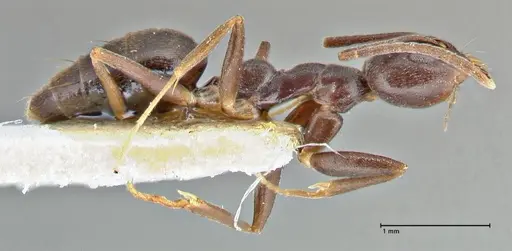
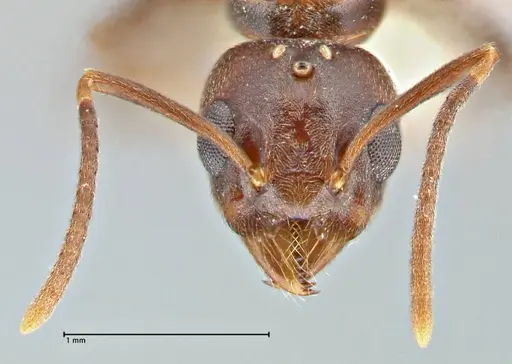
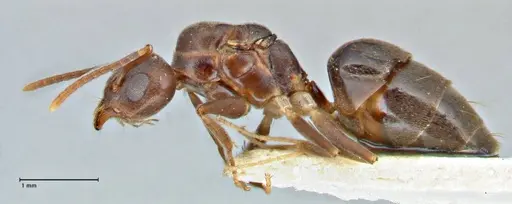
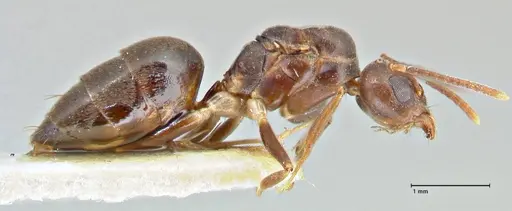
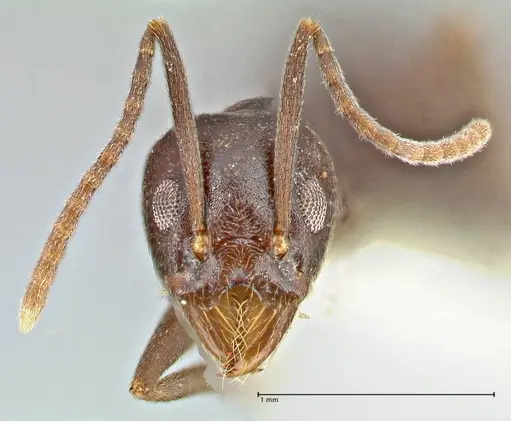
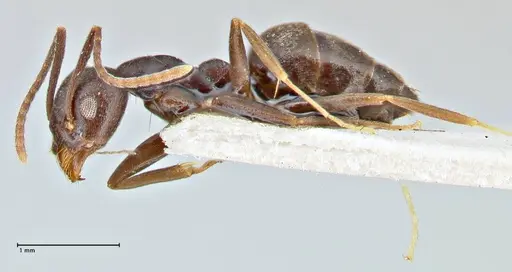
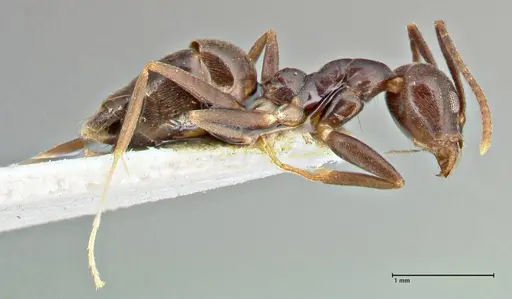
Technomyrmex andrei is a small to medium-sized ant measuring 2.7-4.3mm in worker size, belonging to the Dolichoderinae subfamily [1]. Workers are dark brown to black with a striking color pattern on their legs, the trochanters are conspicuously white to yellow, and the coxae are also pale, making this one of the most recognizable African Technomyrmex species. This species is the most widely distributed leaf-litter dwelling Technomyrmex throughout the wet forest zones of the Afrotropical region, found across West and Central Africa from Ghana to Kenya and down to Angola [2]. Unlike some related species, T. andrei stays on the forest floor and does not climb trees [1].
This species nests in and under rotten wood on the forest floor and forages widely through the leaf litter layer [1]. As a Dolichoderinae ant, they lack a functional stinger and instead use formic acid spray as their primary defense. They are fast-moving foragers that patrol the ground layer searching for small arthropods and honeydew.
Quick Summary
- Difficulty: Medium
- Origin & Habitat: Wet tropical forests of West and Central Africa, from Ghana and Ivory Coast east to Kenya, and south to Democratic Republic of Congo and Angola [1]. They live in rotting wood on the forest floor and forage in the leaf litter layer [1][2].
- Colony Type: Colony structure is not well documented in scientific literature. Based on typical Technomyrmex patterns, colonies likely have a single queen (monogyne), though multiple-queen colonies may occur in some populations.
- Colony: Monogyne
- Founding: Claustral
- Size & Growth:
- Queen: Approximately 6-7mm (estimated based on genus patterns)
- Worker: 2.7-4.3mm
- Colony: Likely several hundred workers based on typical litter-dwelling Technomyrmex species
- Growth: Moderate, estimated based on tropical forest ant patterns
- Development: Estimated 6-10 weeks at tropical temperatures (24-28°C) (Development time is inferred from related Dolichoderinae species, specific data for T. andrei is not available)
- Antkeeping:
- Temperature: Keep at 24-28°C, they are a tropical forest species that prefers warm, stable conditions. A slight temperature gradient is beneficial.
- Humidity: High humidity (70-85%), these forest floor ants need consistently moist substrate. Keep the nest substrate damp but not waterlogged.
- Diapause: No, as a tropical species from wet forests, they do not require a winter dormancy period. Maintain warm temperatures year-round.
- Nesting: They naturally nest in rotting wood on the forest floor. In captivity, they do well in Y-tong (AAC) nests, plaster nests, or naturalistic setups with damp wood pieces. They prefer tight, humid chambers that mimic their natural rotten wood habitat.
- Behavior: These ants are active foragers that patrol the leaf litter layer searching for small arthropods and honeydew. Workers are fast-moving and can be somewhat nervous. They are not aggressive but will spray formic acid if threatened. Their small size (under 4.3mm) means escape prevention is important, they can squeeze through small gaps. They are not known to be escape artists when properly contained.
- Common Issues: high humidity requirements can lead to mold if ventilation is poor, small size means they can escape through standard mesh, use fine mesh barriers, tropical species may struggle if temperatures drop below 22°C, wild-caught colonies may contain parasites that can devastate captive populations, foraging workers may become stressed in overly dry conditions
Housing and Nest Setup
Technomyrmex andrei does well in several nest types, but they particularly suit setups that mimic their natural rotten wood habitat. Y-tong (AAC) nests work well because they provide the tight chambers and high humidity these ants need. Plaster nests are another good option, as they hold moisture well. If using a naturalistic setup, include pieces of damp rotting wood or cork bark for them to nest in. Regardless of nest type, ensure the chambers are appropriately sized for their small workers, avoid large, open spaces. A small outworld for foraging completes the setup. [2][1]
Feeding and Diet
In the wild, T. andrei forages in the leaf litter for small arthropods and likely collects honeydew from aphids or scale insects. In captivity, offer a varied diet including small live prey like fruit flies, pinhead crickets, and small mealworms. Sugar sources are important, they will readily accept sugar water, honey, or diluted honey. Offer protein foods 2-3 times per week and keep a constant sugar source available. Remove uneaten prey within 24 hours to prevent mold issues in the humid setup they require.
Temperature and Humidity
As a tropical forest species from West and Central Africa, T. andrei needs warm and humid conditions. Keep the nest at 24-28°C with a slight gradient if possible. Room temperature in most homes may be too cool, consider using a heating cable on one side of the nest to create a warm zone. Humidity should be high, around 70-85%. The substrate or nest material should feel consistently damp but never waterlogged. In Y-tong nests, keep the water chamber filled but not overflowing. Mist the outworld occasionally but avoid excess moisture that leads to mold. Good ventilation is essential to prevent stagnant air while maintaining humidity. [2]
Behavior and Temperament
Technomyrmex andrei workers are active foragers that spend most of their time searching the leaf litter layer for food. They are not particularly aggressive and will typically flee rather than fight when threatened. However, as Dolichoderinae ants, they can spray formic acid as a defense, this is harmless to humans but can be irritating if directly sprayed in eyes. Workers are fast-moving and can be nervous, especially in new or unstable conditions. They are not climbers and prefer to stay on the ground, so you won't find them exploring high surfaces. Their small size means they can slip through tiny gaps, use fine mesh on any ventilation holes and ensure lid seals are tight. [1]
Seasonal Care
Unlike temperate ant species, T. andrei does not require a winter diapause period. They come from tropical forests where temperatures remain warm year-round. Maintain consistent temperatures throughout the year, ideally in the 24-28°C range. If your room temperature drops significantly in winter, you may need to provide supplemental heating. The humidity requirements remain constant as well, do not allow the nest to dry out even in winter. These ants are active year-round when kept warm.
Colony Establishment
When establishing a new colony from a founding queen, provide a small test tube setup with a water reservoir. The queen will likely seal herself in a chamber (claustral founding) and survive on stored fat reserves while raising the first brood. Once the first nanitic workers emerge, you can begin offering tiny food items. Growth is typically moderate, expect several months before you have a decent number of workers. Wild-caught colonies may already have workers and can establish more quickly, but watch for parasites. Transfer to a proper nest once the colony reaches 20-30 workers or shows signs of outgrowing the founding setup.
Frequently Asked Questions
Can I keep Technomyrmex andrei in a test tube setup?
Yes, test tubes work well for founding colonies. Keep the water reservoir filled to maintain humidity, and ensure the tube is in a warm, dark location. Once the colony grows beyond 30-40 workers, consider moving them to a Y-tong or plaster nest that can better maintain the high humidity they need.
What temperature do Technomyrmex andrei ants need?
Keep them at 24-28°C. They are a tropical forest species that needs warm conditions year-round. Room temperature may be too cool in some homes, use a heating cable on one side of the nest to create a warm zone if needed.
How long does it take for Technomyrmex andrei to raise first workers?
Based on related species, expect 6-10 weeks from egg to first worker at optimal temperatures (24-28°C). The exact timeline for T. andrei specifically has not been documented, so this is an estimate. Growth is moderate, be patient during the founding phase.
Are Technomyrmex andrei good for beginners?
They are rated as medium difficulty. They require higher humidity and temperatures than some beginner species, but their care requirements are straightforward once those needs are met. They are not aggressive and don't require special diets. Beginners should be prepared to maintain consistent warmth and humidity.
Do Technomyrmex andrei need hibernation?
No, they do not require hibernation. As a tropical species from wet African forests, they need warm temperatures year-round. Do not expose them to cold temperatures or attempt to cool them for winter dormancy.
What do Technomyrmex andrei eat?
They are omnivorous foragers. Offer small live prey like fruit flies, tiny crickets, or small mealworms for protein. Keep a constant sugar source available such as sugar water, honey, or diluted honey. They forage in the leaf litter layer in the wild, so small prey items are ideal.
How big do Technomyrmex andrei colonies get?
Based on similar litter-dwelling Technomyrmex species, colonies likely reach several hundred workers. The exact maximum size is not documented, but they are not among the largest ant species. Expect moderate colony growth over time.
Why are my Technomyrmex andrei dying?
Common causes include: temperatures below 22°C (they are tropical and need warmth), too dry conditions (they need high humidity), mold from poor ventilation, or parasites from wild-caught colonies. Check that your setup maintains 24-28°C and 70-85% humidity with adequate airflow.
References

This caresheet is licensed under CC BY-SA 4.0 .
CASENT0178273
View on AntWeb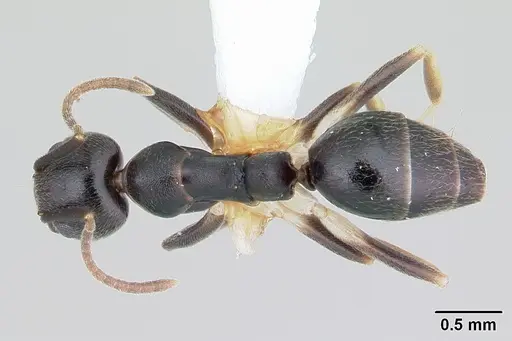
CASENT0178274
View on AntWeb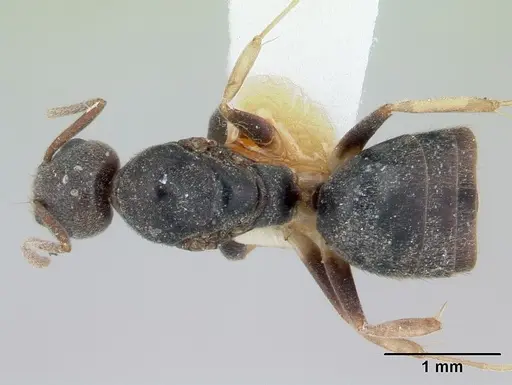
CASENT0178280
View on AntWeb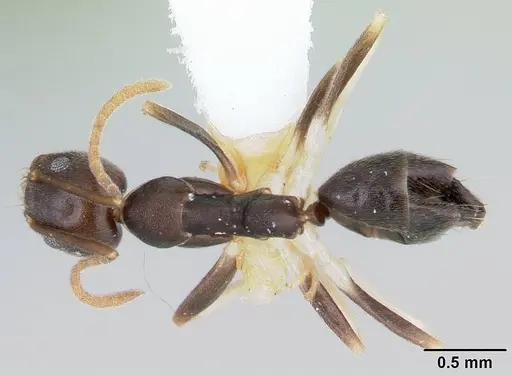
CASENT0217126
View on AntWeb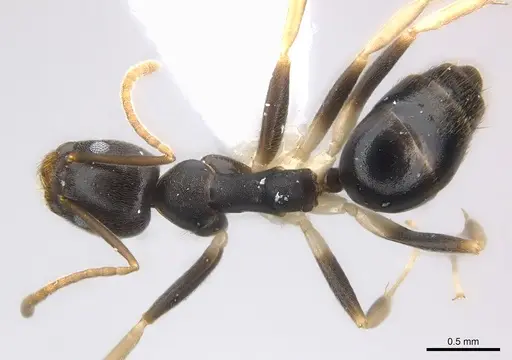
CASENT0217168
View on AntWeb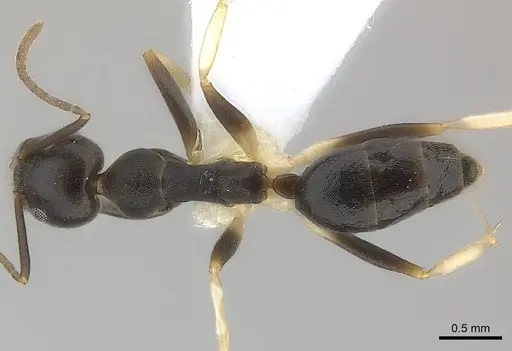
CASENT0249776
View on AntWeb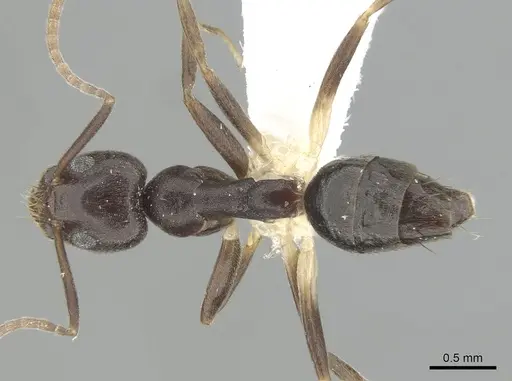
CASENT0424015
View on AntWeb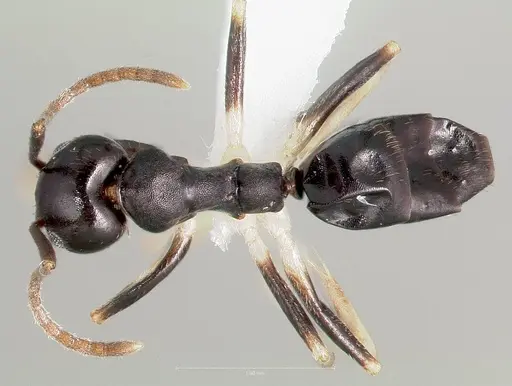
CASENT0740870
View on AntWeb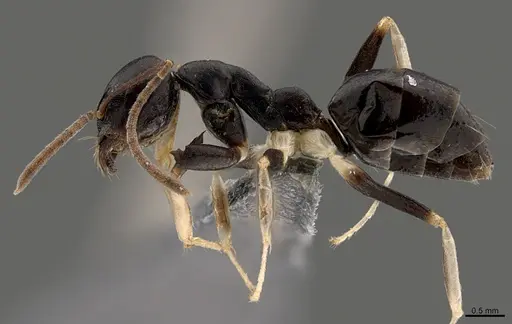
CASENT0886032
View on AntWeb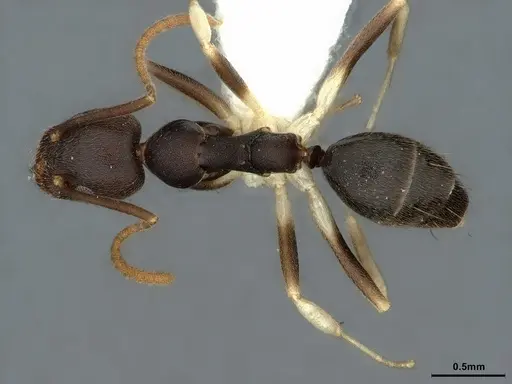
CASENT0905067
View on AntWeb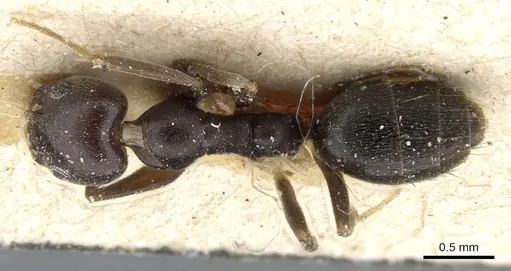
CASENT0909758
View on AntWeb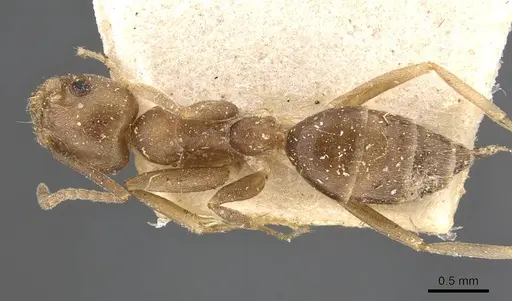
CASENT0911594
View on AntWeb
FOCOL0546
View on AntWeb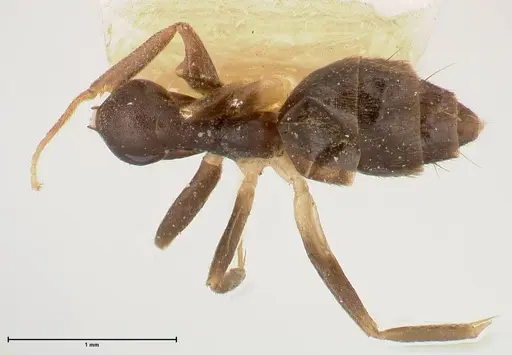
FOCOL2850
View on AntWeb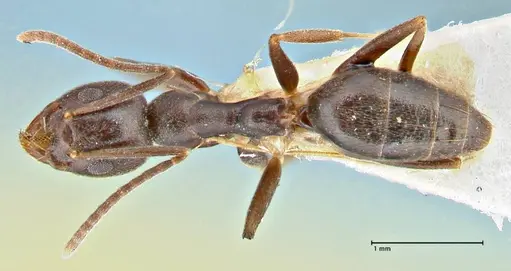
FOCOL2851
View on AntWeb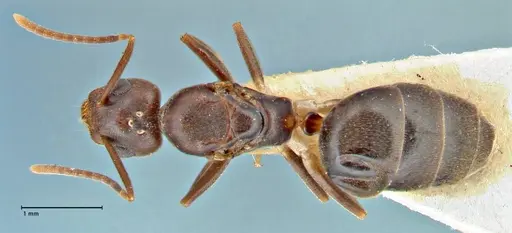
FOCOL2852
View on AntWeb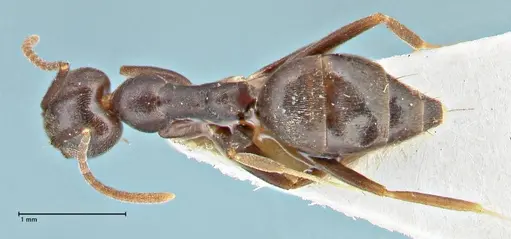
Literature
Loading...Loading products...