

Technomyrmex modiglianii
- Scientific Name
- Technomyrmex modiglianii
- Tribe
- Tapinomini
- Subfamily
- Dolichoderinae
- Author
- Emery, 1900
- Distribution
- Found in 3 countries
Technomyrmex modiglianii Overview
Technomyrmex modiglianii is an ant species of the genus Technomyrmex. It is primarily documented in 3 countries , including Brunei Darussalam, Indonesia, Malaysia. Detailed taxonomic data and occurrence records can be further explored via authoritative databases such as AntWeb or the Global Biodiversity Information Facility (GBIF).
Technomyrmex modiglianii
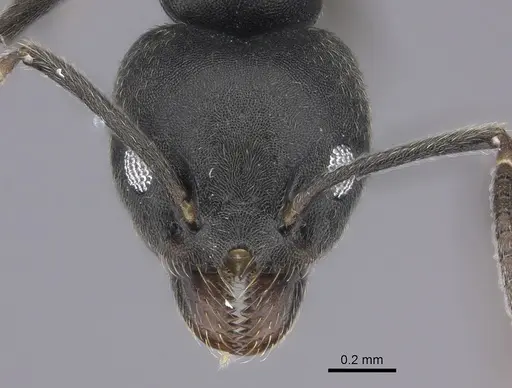
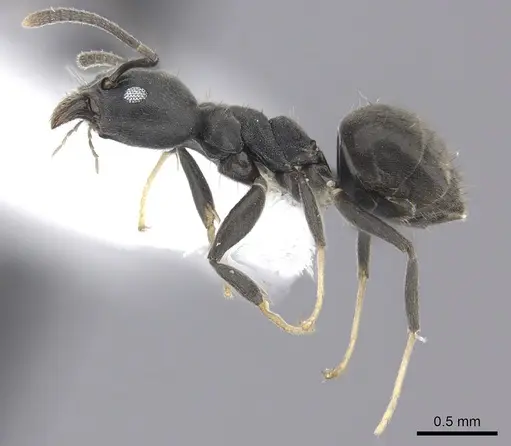
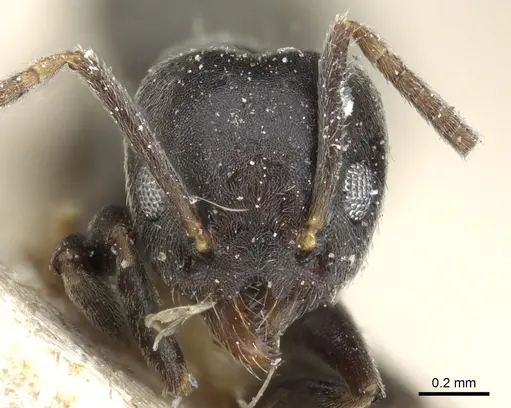
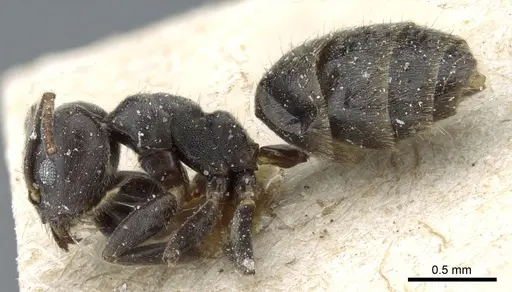
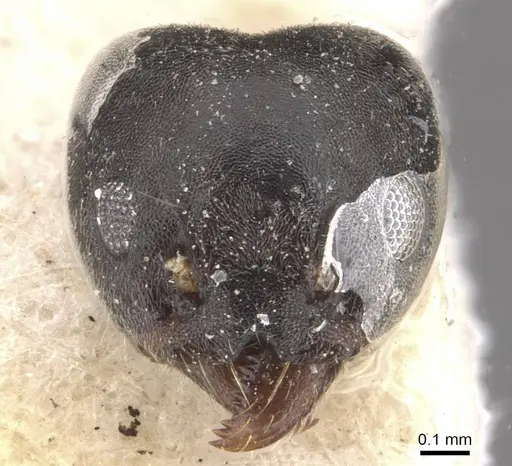
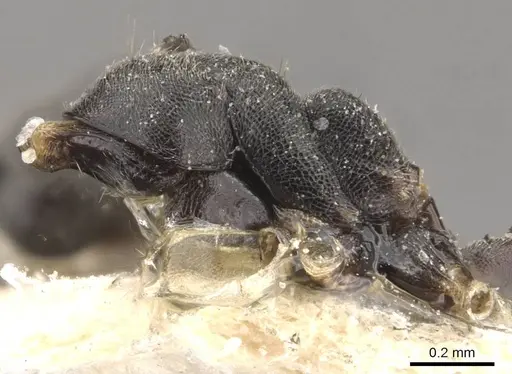
Technomyrmex modiglianii is a small to medium-sized ant species native to Southeast Asia, belonging to the Dolichoderinae subfamily. Workers measure 2.5-3.8mm and are brown to dark brown in color, with strongly polymorphic castes, some workers are notably larger than others [1]. The species is part of the Technomyrmex albipes group and is closely related to T. elatior, distinguished by having setae on the dorsum of the head between the eye and posterior head margin. These ants are primarily arboreal, most frequently collected from tree trunks and the forest canopy, though they also nest in dead twigs, dead bamboo, and leaf litter on the forest floor [1].
What makes T. modiglianii interesting is its unusual habitat specialization, unlike most forest ant species, this species thrives in human-modified landscapes, particularly rubber plantations, but is rarely found in primary or secondary forests [2]. This makes it one of the few ants that actually benefits from certain agricultural environments. As a Dolichoderine ant, they lack a functional stinger and instead defend themselves by spraying formic acid, similar to other ants in this group like the familiar black crazy ant.
Quick Summary
- Difficulty: Easy
- Origin & Habitat: Native to the Indomalaya region including Bangladesh, Borneo, Brunei, Cambodia, Indonesia (Sumatra, type locality), Laos, Malaysia, and Thailand. Found in lowland dipterocarp forests and rubber plantations [2][1].
- Colony Type: Likely monogyne (single queen) based on typical genus patterns. Colonies contain strongly polymorphic workers with distinct size variations [1]. Intercaste forms (intermediate between worker and queen) have been documented.
- Colony: Monogyne
- Founding: Claustral
- Size & Growth:
- Queen: 7.25mm [1], single queen measurement from Thailand
- Worker: 2.5-3.8mm or 3.23-3.63mm from Thailand specimens [1]
- Colony: Unknown for this specific species, related Technomyrmex species typically reach a few hundred workers
- Growth: Moderate, inferred from tropical Dolichoderine patterns
- Development: 6-8 weeks estimated based on typical tropical ant development at 24-28°C (Development timeline is estimated, no specific study found for this species. Tropical species generally develop faster than temperate ones.)
- Antkeeping:
- Temperature: Keep at 24-28°C, they are a tropical species accustomed to warm, stable temperatures. A gentle gradient is beneficial but not critical.
- Humidity: Moderate to high humidity (60-80%). These forest ants prefer damp conditions but avoid waterlogging. Mist the outworld occasionally and keep nesting material slightly moist.
- Diapause: No, as a tropical species, they do not require hibernation or winter rest. Keep temperatures stable year-round.
- Nesting: Arboreal nesting preferences, they naturally nest in dead twigs, bamboo, and tree cavities. In captivity, they do well in test tubes, acrylic nests, or Y-tong setups with moist substrate. Provide climbing structures since they frequently forage vertically.
- Behavior: Generally peaceful and non-aggressive. As Dolichoderines, they lack stingers but will spray formic acid when threatened. Workers are active foragers, both on the ground and up vertical surfaces. They are not particularly shy and will explore their outworld actively. Escape risk is moderate, their small-medium size means they can fit through small gaps, so standard barrier precautions apply. They are known to tend aphids for honeydew and will readily accept sugar water.
- Common Issues: colonies may decline if kept too dry, they need consistent moisture, they are arboreal and need climbing structures to feel secure, small colony sizes mean slow growth, patience is required, they may not survive temperature drops below 20°C, escape prevention needed due to their active foraging nature
Housing and Nest Setup
Technomyrmex modiglianii does well in standard ant housing setups. Test tubes work perfectly for founding colonies and small groups, fill one section with water and plug with cotton, then provide a dark outer chamber. For established colonies, acrylic nests (like Y-tong or similar) or naturalistic setups work well. The key is providing moisture, these forest ants prefer humid conditions. Keep the nest substrate or water tube consistently moist but not flooded. Since they are arboreal by nature, include some climbing structures in the outworld like twigs, plants, or mesh strips. They will readily walk up vertical surfaces to explore and forage. A formicarium with a small outworld connected by tubing gives them space to forage while maintaining a secure nest area. Escape prevention is important, use Fluon or similar barriers on the rim of the outworld [3].
Feeding and Diet
Like most Dolichoderine ants, T. modiglianii is omnivorous with a preference for sugar sources. Offer sugar water, honey, or diluted maple syrup as a constant food source. They will also eat protein in the form of small insects, flightless fruit flies, small crickets, mealworms, and similar prey items work well. In the wild, they are known to tend aphids and other honeydew-producing insects, so sugar sources are particularly important for their diet. Feed small amounts of protein 2-3 times per week, and keep a sugar source available at all times. Remove uneaten prey after 24-48 hours to prevent mold. They are not particularly aggressive hunters, small, easy-to-catch prey is best for smaller colonies [3].
Temperature and Seasonal Care
As a tropical species from Southeast Asia, T. modiglianii needs warm conditions. Keep the nest area at 24-28°C for optimal activity and brood development. They can tolerate brief periods slightly outside this range, but prolonged cold temperatures below 20°C will stress the colony and may cause decline. No hibernation or diapause is required, in fact, cooler temperatures simply slow their activity and growth. If your room temperature is within this range, they can be kept at room temperature without additional heating. A small heating cable on one side of the nest can create a gentle gradient if needed, but always ensure they can move away from heat if they want to. Avoid placing the nest near air conditioning vents or drafty windows [1].
Colony Development and Growth
Colonies develop moderately fast for tropical ants. A newly mated queen will seal herself in a small chamber and lay eggs, she relies on her stored fat reserves (claustral founding) until the first workers emerge. The first workers, called nanitics, are typically smaller than mature workers but will begin foraging to feed the colony. Growth rate depends on temperature and food availability, well-fed colonies at optimal temperatures (24-28°C) will produce new workers regularly. The species shows strong worker polymorphism, meaning you'll see both small and large workers in mature colonies. This is normal and indicates a healthy, established colony. Expect a colony to reach 100+ workers within the first year under good conditions, with larger colonies developing over several years [1].
Behavior and Temperament
Technomyrmex modiglianii is a calm, non-aggressive species that does well in community setups. Workers are active and curious, readily exploring their environment both horizontally and vertically. They lack a functional stinger, like all Dolichoderines, they defend by spraying formic acid, which can be irritating but is not dangerous to humans. They are not particularly shy and will often emerge to investigate disturbances. Workers communicate through chemical trails, so you may see them following each other to food sources. They are not known for biting and generally tolerate handling well. Their moderate size and active nature make them engaging to watch, they maintain constant activity in the outworld, especially when a sugar source is present. They do well in observation nests where you can watch their arboreal foraging behavior [3].
Frequently Asked Questions
Is Technomyrmex modiglianii good for beginners?
Yes, this is a good species for beginners. They are relatively easy to care for, they don't require hibernation, accept a wide variety of foods, and are not aggressive. Their moderate size and peaceful temperament make them manageable. The main requirements are keeping them warm (24-28°C) and maintaining humidity. They are more forgiving of minor care mistakes than some species.
How long does it take for the first workers to emerge?
Expect 6-8 weeks from egg to first worker at optimal temperature (24-28°C). This is typical for tropical ant species. The exact timeline depends on temperature, warmer conditions speed development, while cooler temperatures slow it down. The queen will remain sealed in her founding chamber until the first nanitics emerge, then she will resume egg-laying as the colony grows.
What do Technomyrmex modiglianii eat?
They are omnivorous with a preference for sugar. Offer sugar water, honey, or maple syrup as a constant food source. For protein, provide small insects like flightless fruit flies, small crickets, or mealworms. They will also eat other small invertebrates. In the wild, they tend aphids for honeydew, so sugar sources are particularly important for their diet.
Can I keep multiple queens together?
This species is likely monogyne (single queen per colony). While some Technomyrmex species can be polygynous, T. modiglianii does not appear to form multi-queen colonies in the wild. It is not recommended to combine unrelated queens, they would likely fight. If you capture a founding queen, keep her alone until she establishes a colony.
Do they need hibernation?
No, they do not require hibernation. As a tropical species from Southeast Asia, they are adapted to year-round warm temperatures. Keep them at 24-28°C consistently. Cooler temperatures will simply reduce their activity and slow colony growth. They should never be exposed to temperatures below about 18°C for extended periods.
How big do colonies get?
Colony size is not well documented for this specific species, but related Technomyrmex species typically reach a few hundred workers. A healthy colony maintained over several years could potentially reach 500+ workers. Their strongly polymorphic worker castes mean you'll see size variation among workers.
What type of nest should I use?
Test tubes work well for founding colonies. For established colonies, acrylic nests (Y-tong style), plaster nests, or naturalistic setups all work. The key is providing moisture, these forest ants prefer humid conditions. Include climbing structures since they naturally forage vertically. Avoid completely dry nests.
Why are my ants dying?
Common causes include: temperatures below 20°C (they are tropical and need warmth), dry conditions (they need humidity), poor ventilation causing mold, or stress from too much disturbance. Check that your setup maintains 24-28°C and moderate humidity. Also ensure they have protein and sugar sources. Wild-caught colonies may carry parasites that can cause decline.
Are they escape artists?
They have moderate escape risk. Workers are 2.5-3.8mm, not tiny, but active enough to find small gaps. Use standard escape prevention like Fluon on rim edges, ensure tube connections are secure, and use a well-fitting lid. They are more likely to escape if the outworld is dry or if they are disturbed frequently.
References

This caresheet is licensed under CC BY-SA 4.0 .
CASENT0249795
View on AntWeb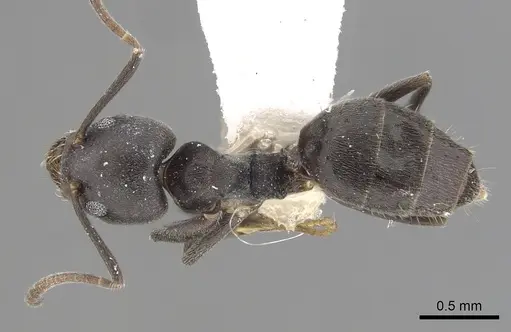
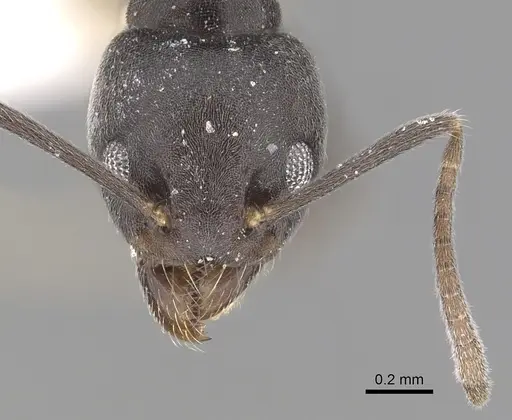
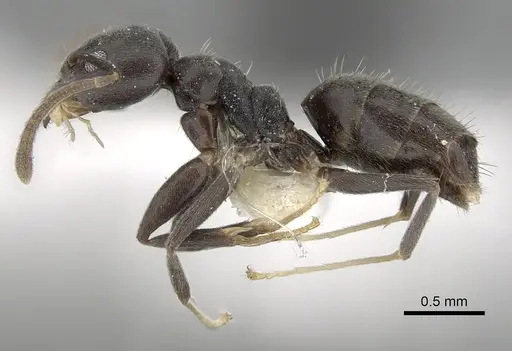
CASENT0616940
View on AntWeb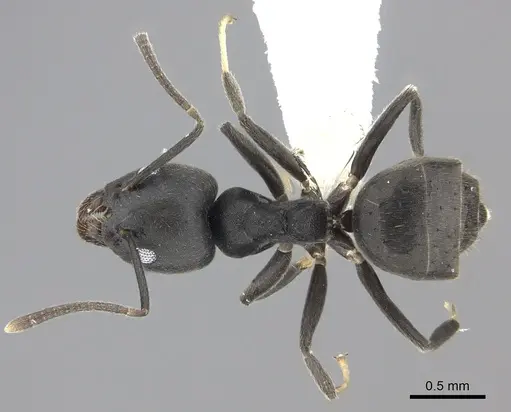
CASENT0905065
View on AntWeb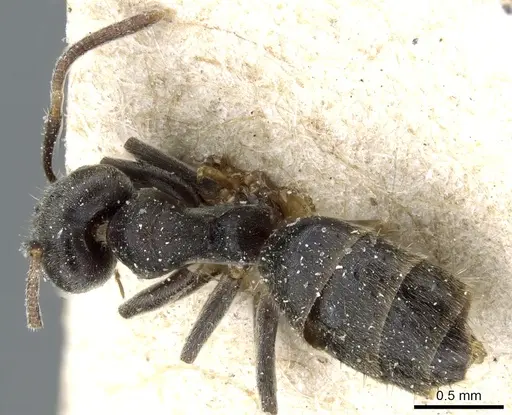
CASENT0909805
View on AntWeb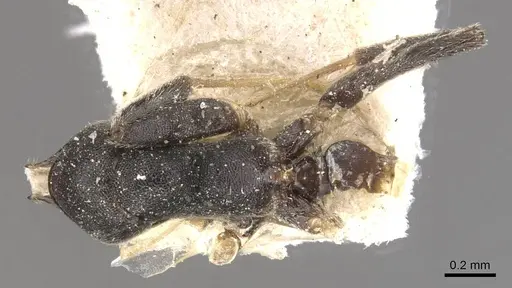
Literature
Loading...Loading products...