

Technomyrmex butteli
- Scientific Name
- Technomyrmex butteli
- Tribe
- Tapinomini
- Subfamily
- Dolichoderinae
- Author
- Forel, 1913
- Distribution
- Found in 2 countries
Technomyrmex butteli Overview
Technomyrmex butteli is an ant species of the genus Technomyrmex. It is primarily documented in 2 countries , including Indonesia, Malaysia. Detailed taxonomic data and occurrence records can be further explored via authoritative databases such as AntWeb or the Global Biodiversity Information Facility (GBIF).
Technomyrmex butteli
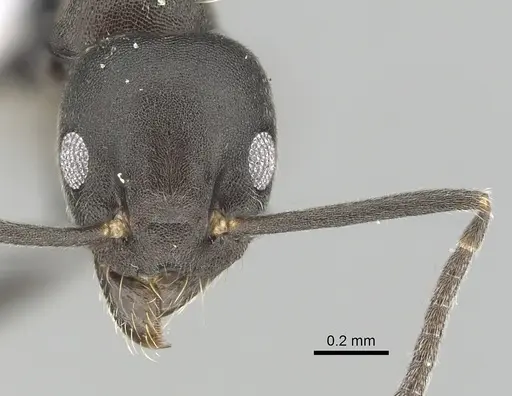
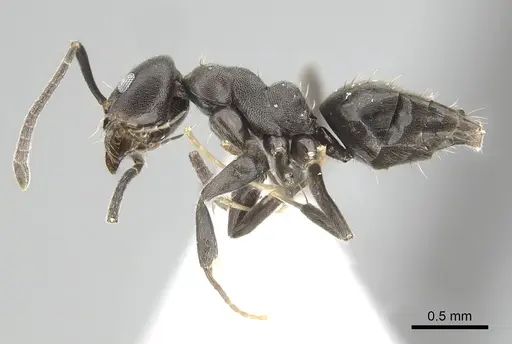
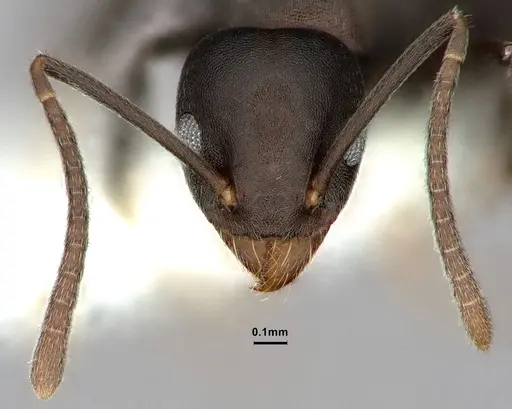
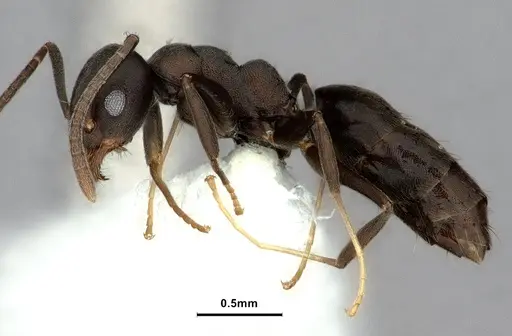
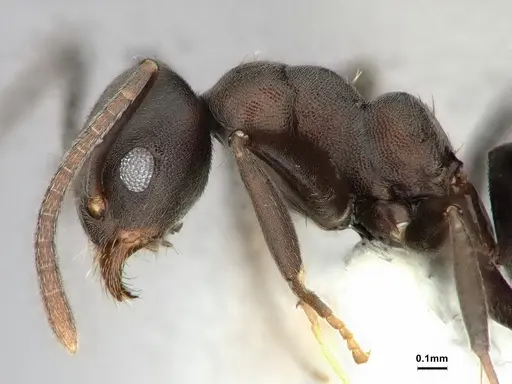
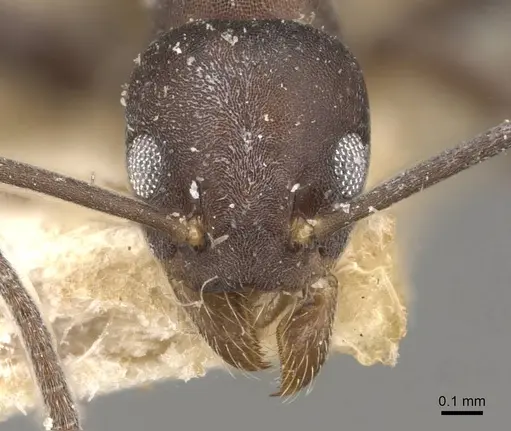
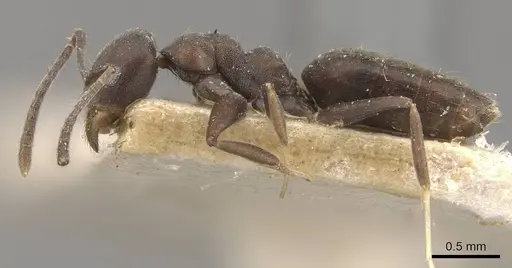
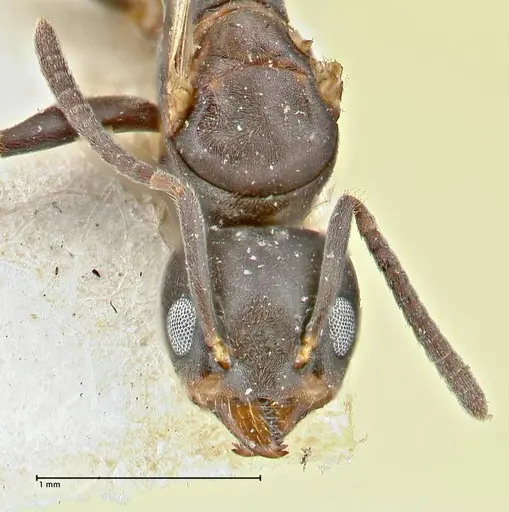
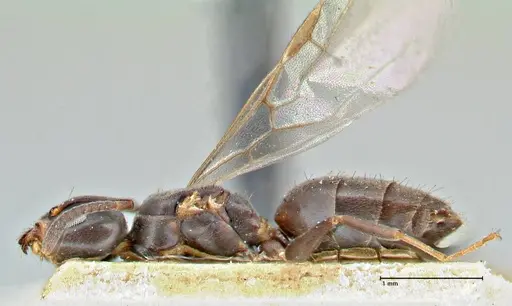
Technomyrmex butteli is a small dolichoderine ant native to the Indomalaya region, found across Borneo, Indonesia, Malaysia, and Thailand [1]. Workers measure 3.0-3.4mm with a dark brown to blackish-brown body, and they closely resemble the related tramp ant T. albipes, though T. butteli is larger with longer scapes (longer antennae) [1]. These ants nest in decayed wood, dead twigs, and dead stems of trees, they are arboreal nesters, typically found on vegetation and tree trunks [1][2].
This species is closely related to the invasive tramp ant Technomyrmex albipes, and like its cousin, T. butteli shows intercaste reproduction, morphological intermediates between workers and queens develop with one or three ocelli (simple eyes) [3]. This flexible reproductive system allows colonies to adapt their workforce composition. They are habitat specialists primarily found in rubber plantations and disturbed areas, not primary forests [4].
Quick Summary
- Difficulty: Medium
- Origin & Habitat: Indomalaya region, Borneo, Indonesia, Malaysia, Thailand. Found in disturbed habitats like rubber plantations, not primary or secondary forest. Nests in decayed wood, dead twigs, and dead stems of trees [1][4].
- Colony Type: Colony structure is not fully documented. The species produces intercaste females, morphological intermediates between workers and queens, which can serve as replacement reproductives [3]. Likely monogyne (single queen) based on typical genus patterns, but this needs confirmation.
- Size & Growth:
- Queen: Intercastes measure 2.77-2.94mm TL [1]. True queens likely larger but not documented.
- Worker: 3.0-3.4mm TL, HW 0.58-0.61mm [1]
- Colony: Unknown, likely moderate size typical of Technomyrmex species
- Growth: Moderate, inferred from related species
- Development: 6-10 weeks estimated based on typical Dolichoderinae development at tropical temperatures (Development timeline not directly studied. Related Technomyrmex species suggest 6-10 weeks at 24-28°C.)
- Antkeeping:
- Temperature: Keep at 24-28°C, these are tropical ants from warm, humid climates [1]. Room temperature (22-25°C) is typically suitable.
- Humidity: High humidity required, they come from tropical rainforest regions. Keep nest substrate moist but not waterlogged. Their arboreal nesting in dead wood suggests they prefer damp conditions.
- Diapause: No diapause required, these are tropical ants that remain active year-round in their native range [4].
- Nesting: Arboreal nesting species, they nest in dead wood, twigs, and tree stems [1]. In captivity, they do well in wood-based nests (Y-tong, plaster with wood inserts) or test tubes with wood additions. Avoid fully artificial setups without organic nesting material.
- Behavior: Generally calm and non-aggressive, though they will defend their nest. Like other Dolichoderinae, they lack a stinger but can spray formic acid as a defense [5]. They are tree-trunk foragers, actively patrolling vegetation and structures. Their small size (3mm) means escape prevention is important, they can squeeze through small gaps. Related T. albipes shows low-tempo, immobile defensive strategies when threatened [6].
- Common Issues: small size makes escape prevention critical, use fine mesh barriers, tropical humidity requirements can lead to mold in poorly ventilated nests, arboreal nesting means they need wood or wood-like nesting material, related to invasive tramp ants, do not release in non-native areas, colonies may be slow to establish compared to ground-nesting species
Housing and Nest Preferences
Technomyrmex butteli is an arboreal species that naturally nests in dead wood, dead twigs, and tree stems [1]. In captivity, provide nesting material that mimics this, a Y-tong (AAC) nest with wood inserts works well, or a plaster/wood formicarium. They also accept test tubes if you add a small piece of wood or bark for them to nest around. These ants do best with some vertical space since they naturally forage up tree trunks. Avoid fully acrylic or glass nests without organic material, they seem to prefer wood-based substrates. Escape prevention is important given their small 3mm size [1].
Temperature and Humidity
As tropical ants from Southeast Asia, keep your colony at 24-28°C [1]. Room temperature in most homes (22-25°C) is usually suitable, but you may need a gentle heat source in cooler climates. They require high humidity, think damp forest edge, not dry indoor air. Keep the nest substrate consistently moist but not flooded. A water tube or reservoir connected to the nest helps maintain humidity. Avoid placing the nest near air conditioning or heating vents that cause drying. Good ventilation is essential to prevent mold while maintaining humidity [1].
Feeding and Diet
Like other Technomyrmex species, these ants are omnivores that likely feed on honeydew, nectar, and small insects in the wild. In captivity, offer a mix of sugar water or honey as a constant energy source, and protein sources like small crickets, mealworms, or fruit flies. They are small ants, so prey items should be appropriately sized. Based on related species behavior, they are generalist foragers that will accept most offered foods [7]. Feed protein 2-3 times per week and keep sugar water available at all times.
Behavior and Colony Dynamics
This species produces intercaste females, morphological intermediates between workers and queens that can develop ocelli and serve as replacement reproductives [3]. This gives colonies flexibility in reproduction if the primary queen is lost. Workers are small at 3-3.4mm and show the typical Dolichoderine behavior of formic acid spraying rather than stinging [6]. They are not particularly aggressive but will defend their nest. The related T. albipes shows a low-tempo, immobile defensive strategy when threatened [6], so expect similar behavior. Colonies likely grow moderately, expect several months to reach significant numbers.
Seasonal Care
As tropical ants from consistently warm regions, Technomyrmex butteli does not require hibernation or diapause [4]. They remain active year-round and should be kept at stable warm temperatures throughout the year. In their native Thailand and Malaysia range, temperatures remain in the mid-20s°C year-round with minimal seasonal variation. Do not cool them down in winter, maintain their tropical conditions. If your room temperature drops below 20°C in winter, consider gentle heating.
Frequently Asked Questions
How long does it take for Technomyrmex butteli to produce first workers?
Exact development time is unconfirmed, but based on related Technomyrmex species, expect 6-10 weeks from egg to worker at optimal 24-28°C temperatures. Growth is moderate, colonies may take several months to establish a solid worker force.
Can I keep Technomyrmex butteli in a test tube?
Yes, test tubes work for founding colonies, but add a small piece of wood or bark since they are arboreal nesters. For established colonies, a Y-tong or wood-based formicarium is better suited to their natural nesting preferences.
Are Technomyrmex butteli good for beginners?
They are moderate difficulty, not the easiest but not challenging. Their tropical humidity requirements and small size require some attention, but they are generally hardy. They are less commonly kept than some tramp ant relatives.
What do Technomyrmex butteli eat?
They are omnivores. Offer sugar water or honey constantly, and protein sources like small crickets, fruit flies, or mealworms 2-3 times per week. They are small ants so keep prey items appropriately sized.
How big do Technomyrmex butteli colonies get?
Colony size is not well documented, but related species typically reach several hundred to a few thousand workers. Expect moderate growth rate over several months to years.
Do I need to hibernate Technomyrmex butteli?
No. These are tropical ants that do not require hibernation. Keep them at warm temperatures (24-28°C) year-round. Cooling them can stress or kill the colony.
Why are my Technomyrmex butteli dying?
Common causes include: low humidity (they need damp conditions), temperatures below 20°C, escape through small gaps (they are tiny), or mold from poor ventilation. Check that your nest maintains humidity without flooding and that temperatures are stable.
Can I keep multiple queens together?
Colony structure is not well documented for this species. It produces intercaste females (intermediates between workers and queens), but whether multiple queens can found a colony together is unknown. It is not recommended to combine unrelated queens.
Where is Technomyrmex butteli native to?
They are native to the Indomalaya region: Borneo, Indonesia, Malaysia, and Thailand [1]. They are found in disturbed habitats like rubber plantations, not in primary forests.
References

This caresheet is licensed under CC BY-SA 4.0 .
CASENT0249778
View on AntWeb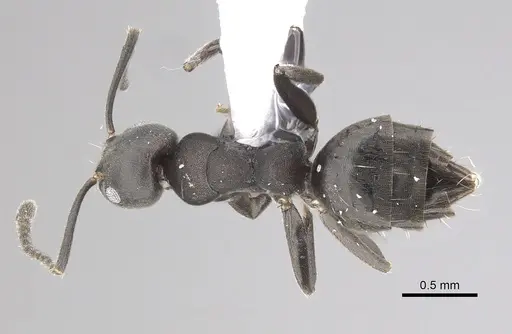
CASENT0886043
View on AntWeb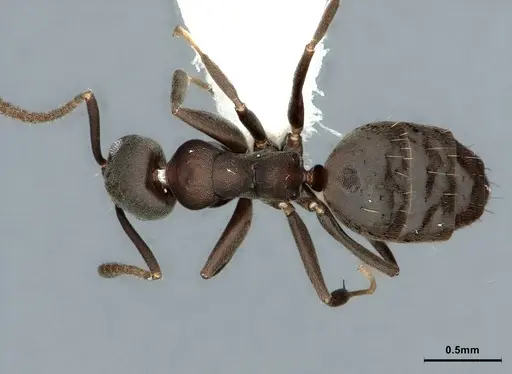
CASENT0909796
View on AntWeb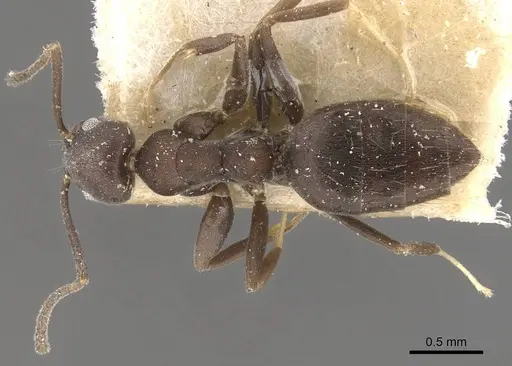
FOCOL2880
View on AntWeb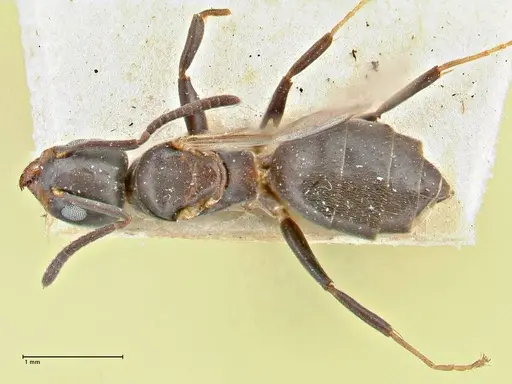
FOCOL2881
View on AntWeb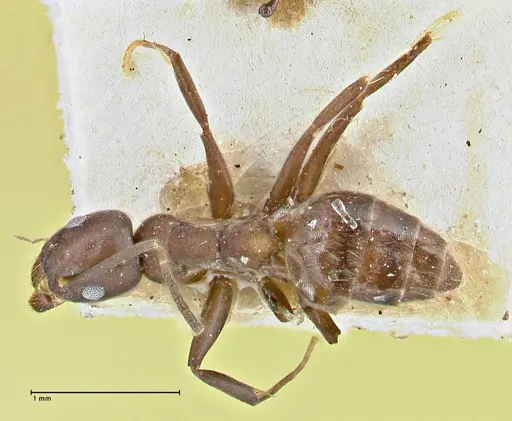
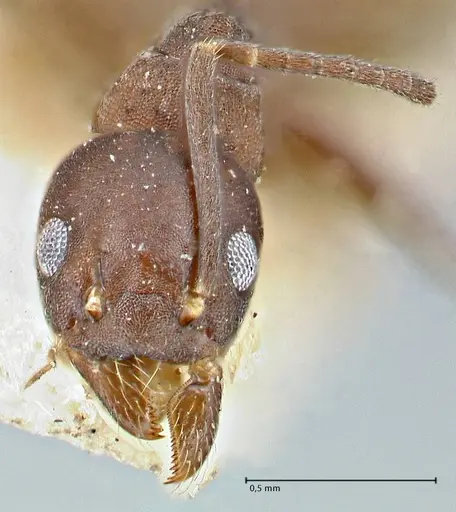
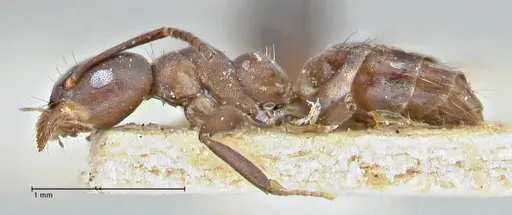
Literature
Loading...Loading products...