

Strumigenys usbensis
- Scientific Name
- Strumigenys usbensis
- Tribe
- Attini
- Subfamily
- Myrmicinae
- Author
- Lattke & Goitía, 1997
- Distribution
- Found in 1 countries
Strumigenys usbensis Overview
Strumigenys usbensis is an ant species of the genus Strumigenys. It is primarily documented in 1 countries , including Venezuela, Bolivarian Republic of. Detailed taxonomic data and occurrence records can be further explored via authoritative databases such as AntWeb or the Global Biodiversity Information Facility (GBIF).
Strumigenys usbensis
Strumigenys usbensis is an extremely rare ant species known only from Venezuela, specifically from the Universidad Simón Bolívar area in Miranda state. Workers are tiny at just 3.3mm total length, with a distinctive sculptured gaster (abdomen) featuring densely packed longitudinal striations and appressed spatulate hairs. This species belongs to the Strumigenys tocacae group, characterized by their trap-jaw mandibles typical of the Dacetini tribe. The most remarkable aspect of this species is its nesting biology, it has only been collected from epiphytic bromeliads (Tillandsia pruinosa), making it one of the few ants known to nest exclusively in aerial plant habitats rather than in soil or rotting wood [1]. The species name honors USB (Universidad Simón Bolívar) where it was discovered [1].
Quick Summary
- Difficulty: Expert
- Origin & Habitat: Venezuela (Neotropical region), specifically collected from the Universidad Simón Bolívar campus in Sartenejas, Miranda state at 1300m elevation. Natural habitat is cloud forest epiphytes, specifically found nesting in Tillandsia pruinosa, a bromeliad that grows on tree branches [1].
- Colony Type: Unknown, only known from type specimens (holotype worker and paratypes). No colony structure data exists for this species.
- Size & Growth:
- Queen: Undescribed, only worker and queen mentioned in original description but measurements not detailed
- Worker: 3.3mm total length, HL 0.80mm, HW 0.59mm
- Colony: Unknown, no colony samples have been studied
- Growth: Unknown, no development data exists
- Development: Unknown, this species has never been kept in captivity (No captive observations exist. Development timeline must be inferred from related Strumigenys species, which typically require 2-4 months for complete development at tropical temperatures)
- Antkeeping:
- Temperature: Unknown for this specific species. Related Strumigenys prefer warm, humid conditions (24-28°C). Based on its Venezuelan cloud forest origin, aim for 24-26°C with high humidity
- Humidity: Very high, collected from epiphyte bromeliads which retain moisture. Keep substrate consistently humid but not waterlogged. Related species require 70-90% humidity
- Diapause: Unknown, no seasonal data exists. As a tropical species from moderate elevation (1300m), it may not require true hibernation but may have reduced activity during drier periods
- Nesting: Specialized, in captivity, provide a naturalistic setup with live moss or artificial bromeliad-like structures. Test tubes may work but this species likely prefers humid, elevated positions. Do not use dry, substrate-based nests
- Behavior: Dacetini ants are typically slow-moving, cryptic predators. They use their trap-jaw mandibles to capture small prey, primarily springtails (Collembola). Workers are likely solitary foragers, hunting among leaf litter and epiphyte material. Their small size and cryptic habits make them difficult to observe. Escape risk is moderate due to their tiny size, fine mesh barriers are recommended. No sting is present in this tribe, they rely on their mandibles for defense.
- Common Issues: This species has never been kept in captivity, there is no established care protocol, Extremely limited distribution makes wild collection nearly impossible, Epiphyte-nesting requirement is highly unusual and difficult to replicate, Related species are notoriously difficult to feed, they require live springtails or other micro-prey, No information exists on queen founding behavior or colony establishment
Discovery and Naming
Strumigenys usbensis was described in 1997 by Lattke and Goitía from specimens collected in Venezuela. The species name 'usbensis' directly honors the Universidad Simón Bolívar (USB) in Caracas where the researchers were based [1]. The type specimens were collected from two locations in Miranda state: the university campus at Sartenejas and La Busca near Caucagua. All specimens were found nesting inside epiphytic bromeliads (Tillandsia pruinosa), making this one of the few Strumigenys species with a documented epiphytic nesting habit. The holotype worker and paratype workers and queen were collected in October 1993 and May 1994 respectively.
Identification and Morphology
This species is a member of the Strumigenys tocacae group, which includes several Neotropical species with distinctive morphological features. S. usbensis can be identified by its finely and densely sculptured first gastral tergite (abdomen back) featuring numerous appressed spatulate hairs similar in size to those on the head. The most diagnostic feature is the complete lack of a ventral spongiform crest or curtain on the petiole, a trait shared with only two other species in the group (S. fairchildi and S. anthocera), but those species have the ventral petiolar crest present. Workers measure just 3.3mm total length, making them among the smaller Strumigenys species. The propodeum bears two pairs of triangular teeth, a longer pair at the top of the declivity and a shorter pair at the base.
Natural History and Habitat
Strumigenys usbensis represents one of the most ecologically specialized ants in the genus. Unlike most Strumigenys species that nest in soil, rotting wood, or leaf litter, this species has only been found living inside epiphytic bromeliads (Tillandsia pruinosa) growing in cloud forest canopies at approximately 1300m elevation [1]. This epiphytic lifestyle is extremely rare among ants and explains why the species remained undiscovered until the 1990s, standard collecting methods in leaf litter and soil would never find them. The association with Tillandsia pruinosa was documented at the Sartenejas site with a frequency index (FI) of 5 canopy directs, indicating a strong preference for this specific plant species [1]. Nothing is known about their diet in the wild, but related Dacetini species are specialized predators feeding primarily on springtails and other micro-arthropods found in epiphyte material.
Keeping Strumigenys usbensis in Captivity
This species is NOT recommended for antkeepers. It has never been kept in captivity, has an extremely limited natural distribution, and requires highly specialized conditions that are nearly impossible to replicate. If attempting to keep related Strumigenys species, you would need: a naturalistic terrarium-type setup with live moss and epiphyte material, very high humidity (80-90%), temperatures around 24-26°C, and a constant supply of live springtails or other micro-prey. The key challenge is that Dacetini ants are extremely specialized predators that typically refuse dead food, they require live, moving prey to trigger their trap-jaw hunting response. Colonies of related species often fail simply because they cannot be provided with adequate live micro-prey. For these reasons, Strumigenys usbensis and its relatives are considered expert-level species that should only be attempted by experienced antkeepers with established cultures of springtails and other micro-arthropods.
Related Species and Taxonomic Context
Strumigenys is a large genus of predatory ants with trap-jaw mandibles, belonging to the tribe Attini (sometimes classified as Dacetini). The genus contains hundreds of species worldwide, with the greatest diversity in the tropics. The tocacae group to which S. usbensis belongs contains several Neotropical species that share certain morphological characteristics. Other Strumigenys species in Venezuela include numerous leaf-litter dwelling forms that are more commonly collected. This species is unusual within the genus due to its epiphytic nesting preference, most Strumigenys are ground-nesting or nest in rotting wood. The discovery of S. usbensis highlights how little we know about ant biodiversity in Neotropical epiphytes, and suggests other specialized species may await discovery in similar habitats.
Frequently Asked Questions
Is Strumigenys usbensis available for purchase?
No. This species is extremely rare and has never been kept in captivity. It is only known from a handful of specimens collected in Venezuela and is not available from any commercial ant suppliers. Even related Strumigenys species are rarely available in the antkeeping hobby due to their specialized care requirements.
How do I keep Strumigenys ants?
Strumigenys ants (including this species) require expert-level care. You need a naturalistic terrarium with very high humidity (80-90%), temperatures around 24-26°C, and most critically, a constant supply of live springtails or other micro-arthropods. They will not accept dead food, their trap-jaw mechanism requires moving prey to trigger hunting behavior. Even experienced antkeepers struggle with these ants because breeding springtail cultures is challenging and time-consuming.
What does Strumigenys usbensis eat?
This has never been observed, but based on related species in the Dacetini tribe, they are specialized predators on springtails (Collembola) and other tiny soil micro-arthropods. Their trap-jaw mandibles evolved specifically to capture these fast-moving prey items. In captivity, they would require live springtail cultures as their primary food source.
Where does Strumigenys usbensis live?
Only in Venezuela, specifically in the Miranda state region near Caracas. Unlike most ants, they nest exclusively in epiphytic bromeliads (Tillandsia pruinosa) growing in cloud forest canopies, not in soil or rotting wood. This makes them one of the most ecologically specialized ants in the genus.
How big do Strumigenys usbensis colonies get?
Unknown, no wild colonies have ever been studied. Based on related Strumigenys species, colonies are likely small (probably under 100 workers) and may consist of a single queen. Dacetini colonies tend to remain small even at maturity.
Can beginners keep Strumigenys usbensis?
Absolutely not. This species is not only extremely rare and impossible to obtain, but even related Strumigenys species are considered among the most difficult ants to keep. They require live prey, very high humidity, and specialized naturalistic setups. Beginners should start with species like Lasius niger, Camponotus, or Messor foragers before attempting any Dacetini species.
Does Strumigenys usbensis need hibernation?
Unknown, no seasonal data exists for this species. As a tropical ant from 1300m elevation in Venezuela, it likely experiences some seasonal variation in activity but probably not true hibernation. Related species from similar elevations may have reduced activity during drier or cooler periods rather than full diapause.
References

This caresheet is licensed under CC BY-SA 4.0 .
CASENT0900437
View on AntWeb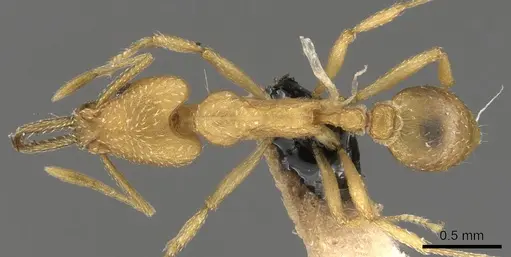
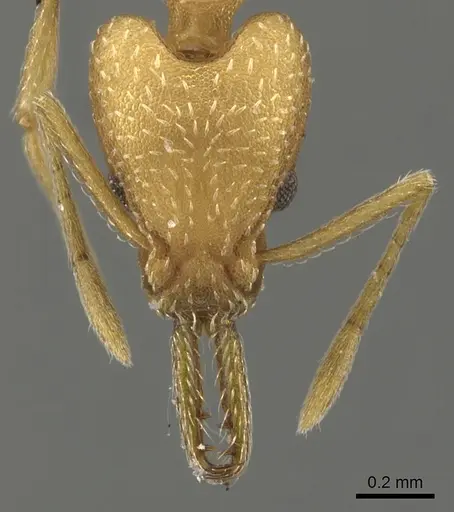
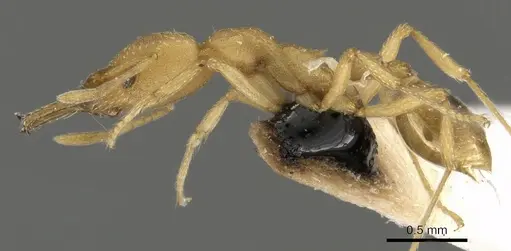
Literature
Loading...Loading products...