

Strumigenys ultromalyx
- Scientific Name
- Strumigenys ultromalyx
- Tribe
- Attini
- Subfamily
- Myrmicinae
- Author
- Bolton, 2000
- Distribution
- Found in 2 countries
Strumigenys ultromalyx Overview
Strumigenys ultromalyx is an ant species of the genus Strumigenys. It is primarily documented in 2 countries , including Gabon, Uganda. Detailed taxonomic data and occurrence records can be further explored via authoritative databases such as AntWeb or the Global Biodiversity Information Facility (GBIF).
Strumigenys ultromalyx
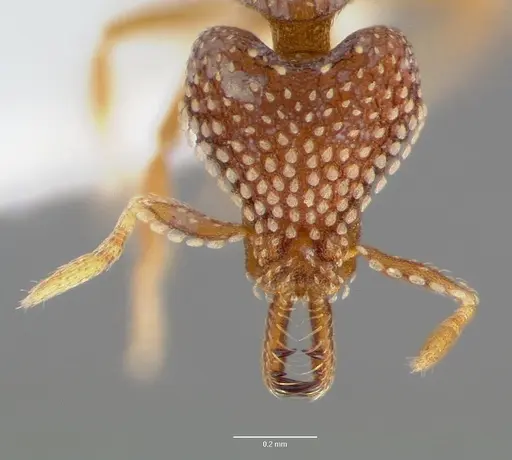
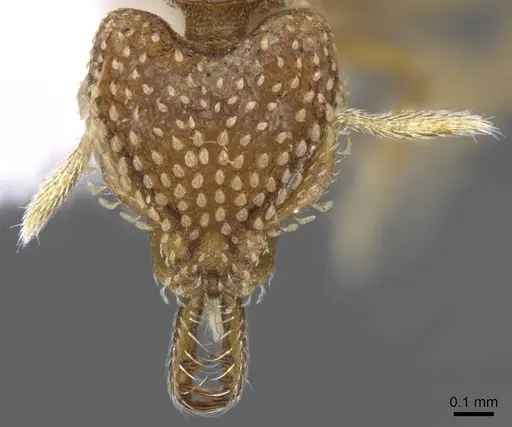
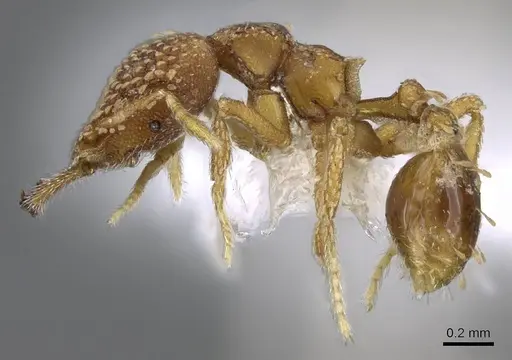
Strumigenys ultromalyx is a tiny predatory ant measuring just 2.2-2.4mm in total length, making it one of the smaller ant species you'll encounter [1]. Workers have distinctive trap-jaw mandibles characteristic of the Dacetini tribe, with short stout mandibles and conspicuously flattened, expanded scapes [1]. The species belongs to the arnoldi complex within the Strumigenys arnoldi group [1]. These ants are native to Central Africa, with confirmed records from Gabon, Cameroon, and Uganda where they live in wet forest habitats at elevations between 375-640m [2][1]. The genus Strumigenys is famous for its lightning-fast trap-jaw mechanism, which these tiny predators use to capture springtails and other micro-arthropods in leaf litter.
Quick Summary
- Difficulty: Expert
- Origin & Habitat: Wet forest habitats in the Afrotropical region, specifically Gabon, Cameroon, and Uganda. Found in leaf litter samples at elevations of 375-640m in Monts Doudou, southwestern Gabon [2][1].
- Colony Type: Colony structure is unconfirmed. Based on typical Strumigenys patterns, colonies are likely small with fewer than 100 workers.
- Size & Growth:
- Queen: Undescribed, queen measurements not available in original description [1]
- Worker: 2.2-2.4mm total length [1]
- Colony: Likely small, under 100 workers based on typical Strumigenys colony sizes
- Growth: Slow, inferred from related species
- Development: Unknown, no direct development data exists for this species. Based on typical Dacetini patterns, expect 8-12 weeks at optimal temperature. (Development timeline is unconfirmed. Dacetini ants typically develop slowly compared to other Myrmicinae.)
- Antkeeping:
- Temperature: Keep at 22-26°C. These are wet forest ants from tropical Africa, so they need warm, stable conditions. A gentle gradient allows workers to regulate their temperature.
- Humidity: High humidity is essential, think damp forest floor. Keep the nest substrate consistently moist but not waterlogged. Provide a water tube and ensure condensation forms regularly.
- Diapause: No, this is a tropical species from wet forests in Central Africa. They do not require hibernation or winter rest [2].
- Nesting: In captivity, these tiny ants need small chambers scaled to their minute size. Y-tong (AAC) nests or small test tube setups work well. They prefer dark, humid nest conditions similar to their leaf litter microhabitat.
- Behavior: These are highly specialized predatory ants with trap-jaw mandibles. They hunt springtails and other micro-arthropods in the leaf litter layer. Workers are active foragers that search for prey individually. Due to their tiny size (2.2-2.4mm), escape prevention is absolutely critical, they can squeeze through the smallest gaps. They are not aggressive toward humans and cannot sting. Their main defense is their fast mandibles.
- Common Issues: escape prevention is critical, they are tiny enough to squeeze through standard mesh barriers, specialized diet makes them difficult to feed, they require live springtails or other micro-arthropods, high humidity requirements can lead to mold problems if ventilation is poor, slow growth and small colony sizes mean colonies are fragile, wild-caught colonies may have parasites that are difficult to treat
Housing and Escape Prevention
Strumigenys ultromalyx is an extremely small ant, and this presents the single biggest challenge for keeping them: escape prevention. Workers measure just 2.2-2.4mm, meaning they can squeeze through gaps that seem impossibly small. You must use excellent escape prevention regardless of your nest type. For test tube setups, use cotton plugs that are tightly packed. For formicariums, apply Fluon or similar barrier products to all rim edges. Fine mesh (at least 0.5mm or smaller) is essential for any outworld connections. These ants are not strong climbers, but their small size means they will find any gap. Check enclosures daily, especially in the first weeks. A single escaped worker can establish a persistent escape problem in your ant room. [1]
Feeding and Diet
Strumigenys ultromalyx belongs to the Dacetini tribe, a group of specialized predators that hunt almost exclusively on springtails and other micro-arthropods [2]. Their trap-jaw mandibles are specifically adapted for catching tiny, fast-moving prey in leaf litter. In captivity, you must provide live springtails as a primary food source. Springtail cultures are widely available and can be established as a permanent food source. Other small live prey like booklice (psocids), tiny mites, and fruit fly larvae may be accepted experimentally, but springtails should form the core of their diet. Sugar sources are generally not accepted by Dacetini ants, they are obligate predators. Do not rely on honey or sugar water. Feed every 2-3 days, removing any uneaten prey after 24 hours to prevent mold.
Temperature and Humidity
These ants come from wet forest habitats in Central Africa, specifically Gabon, Cameroon, and Uganda at elevations between 375-640m [2][1]. They need warm, humid conditions year-round. Maintain temperatures between 22-26°C, this is typical room temperature for many keepers, but you may need a heating cable in cooler rooms. Avoid temperatures below 20°C or above 30°C. Humidity is critical: keep the nest substrate consistently moist. The substrate should feel damp to the touch, with some condensation visible on the nest walls. However, avoid standing water or waterlogging, which can drown colonies. A water tube attached to the nest provides a constant humidity source. These ants do not require any diapause or winter rest, they are tropical and active year-round [2].
Colony Establishment
Establishing a Strumigenys ultromalyx colony from a wild-caught queen is challenging since colony structure and founding behavior remain unconfirmed for this species. If you obtain a queen, the safest approach is to house her in a small test tube setup with moist substrate. Keep her in darkness and minimize disturbances. Based on typical Strumigenys patterns, she is likely claustral (queen seals herself in and lives off stored fat reserves until first workers hatch), but this is an inference rather than a confirmed fact. First workers (nanitics) will be very small, even smaller than normal workers. Growth is slow, expect several months before you have more than a handful of workers. Patience is essential with these tiny predators. Colonies likely remain small, probably under 100 workers at maturity based on typical Strumigenys colony sizes. [1]
Behavior and Temperament
Strumigenys ants are famous for their trap-jaw mechanism, but S. ultromalyx is among the smaller species with less dramatic mandibles compared to some larger Strumigenys. Workers are solitary foragers that hunt through the leaf litter layer. They are not aggressive and pose no threat to humans, they cannot sting and their bite is negligible due to their tiny size. Their main interest is hunting small arthropods. In the nest, workers are relatively calm and do not exhibit the frantic activity seen in some faster-growing species. They prefer dark, humid conditions and will often cluster in the moistest areas of their nest. Observing their hunting behavior can be fascinating, they search slowly and methodically, then strike with remarkable speed when they detect prey vibrations. [1]
Frequently Asked Questions
How long does it take for Strumigenys ultromalyx to produce first workers?
The exact egg-to-worker timeline is unconfirmed for this species. Based on typical Dacetini development patterns, expect 8-12 weeks at optimal temperature (22-26°C). Growth is slow, and nanitics (first workers) will be very small.
Can I keep Strumigenys ultromalyx in a test tube?
Yes, test tubes work well for founding colonies and small colonies. Use a tightly packed cotton plug for escape prevention. Keep the tube humid and dark. You will need to upgrade to a small formicarium only when the colony reaches 30-50 workers.
What do Strumigenys ultromalyx ants eat?
They are specialized predators that need live springtails as their primary food. This is non-negotiable, they are obligate predators that do not accept sugar or dead protein. Establish a springtail culture as a permanent food source. Other small live prey may be accepted experimentally.
Are Strumigenys ultromalyx good for beginners?
No, this species is rated Expert difficulty. Their tiny size makes escape prevention critical, their specialized diet requires live springtails, and they need precise humidity control. They are best suited for experienced antkeepers who have kept other Strumigenys or Dacetini species.
How big do Strumigenys ultromalyx colonies get?
Colony size is unconfirmed but likely remains small, probably under 100 workers at maturity based on typical Strumigenys patterns. They are not large colony builders.
Do Strumigenys ultromalyx need hibernation?
No, they do not require hibernation. They come from tropical wet forests in Central Africa and are active year-round. Maintain warm temperatures (22-26°C) throughout the year.
Why are my Strumigenys ultromalyx escaping?
Their tiny size (2.2-2.4mm) means they can squeeze through gaps that seem impossibly small. Use Fluon on all rim edges, use fine mesh (0.5mm or smaller), and check enclosures daily. Tightly packed cotton plugs in test tubes are essential.
When should I move Strumigenys ultromalyx to a formicarium?
Move to a small formicarium or larger test tube setup when the colony reaches 30-50 workers. They prefer small, humid chambers scaled to their tiny size. Y-tong (AAC) nests work well for small Dacetini colonies.
Can I keep multiple queens together?
Colony structure is unconfirmed for this species. Combining unrelated queens has not been documented. Based on typical Strumigenys behavior, it is not recommended to house multiple queens together.
References

This caresheet is licensed under CC BY-SA 4.0 .
CASENT0005657
View on AntWeb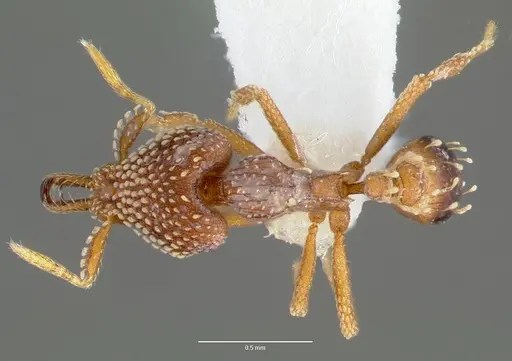
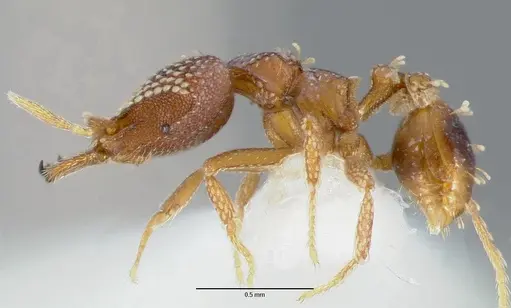
CASENT0005658
View on AntWeb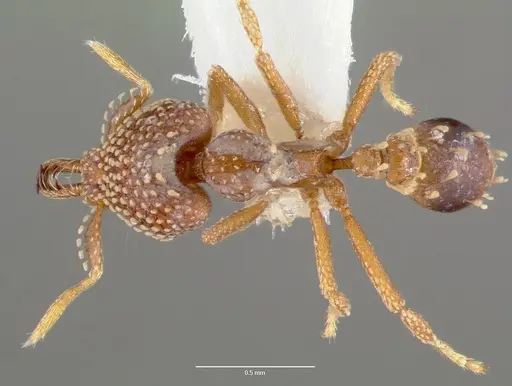
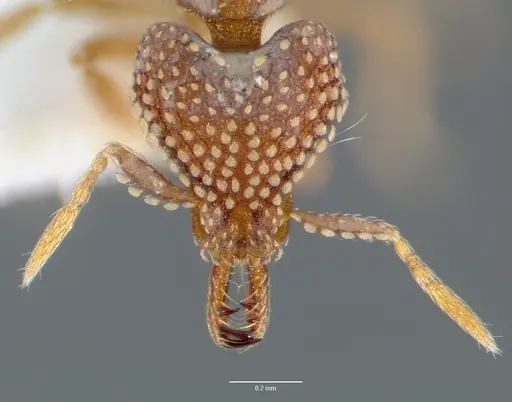
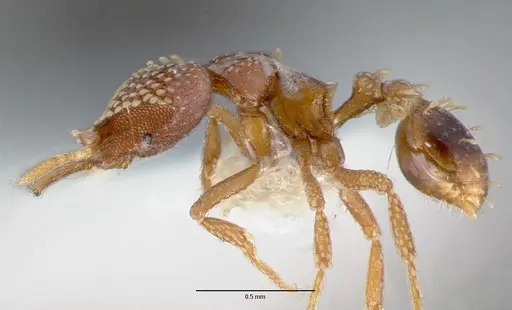
CASENT0005659
View on AntWeb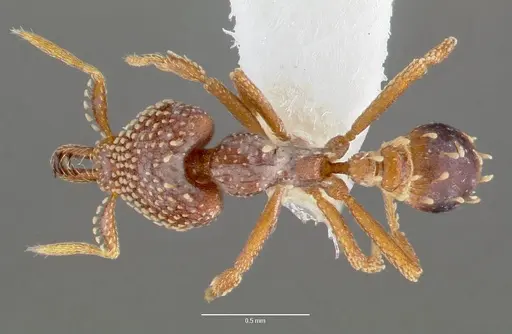
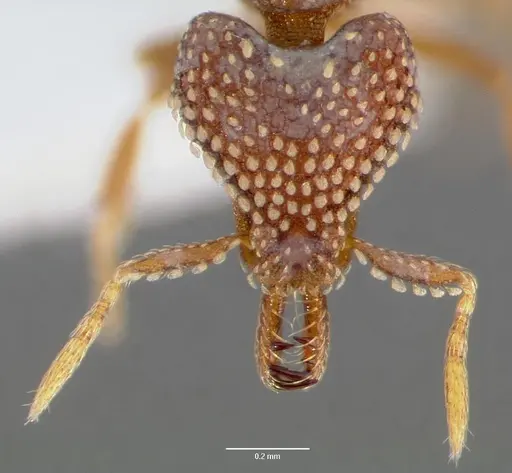
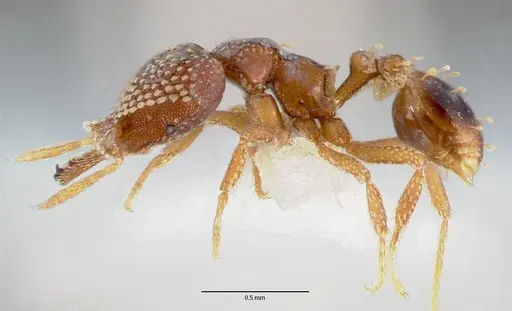
CASENT0358222
View on AntWeb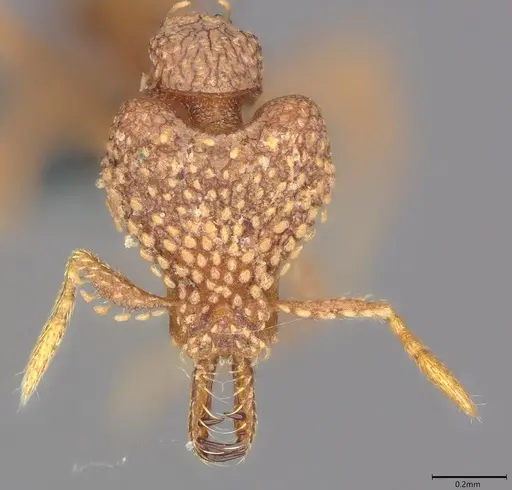
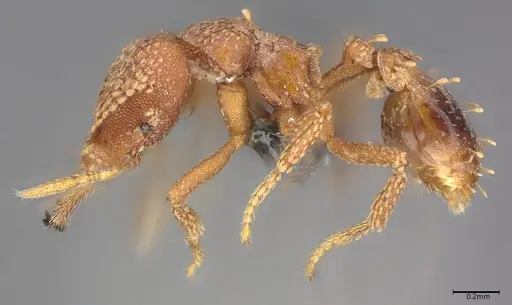
CASENT0358224
View on AntWeb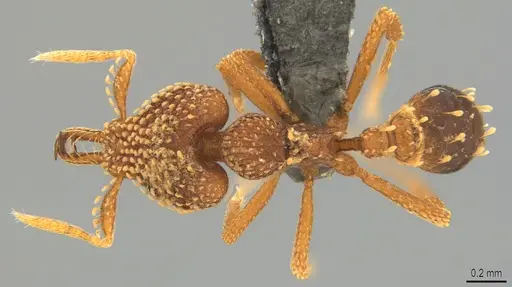
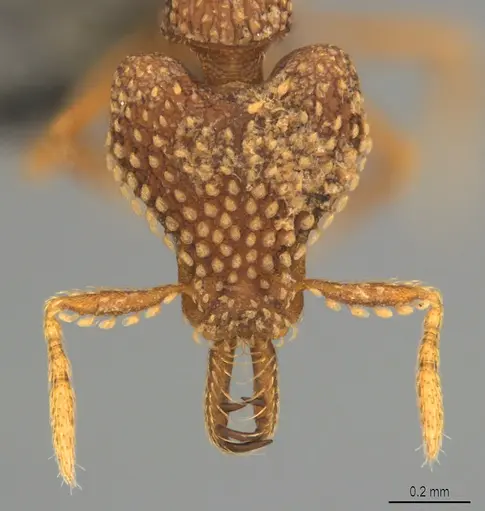
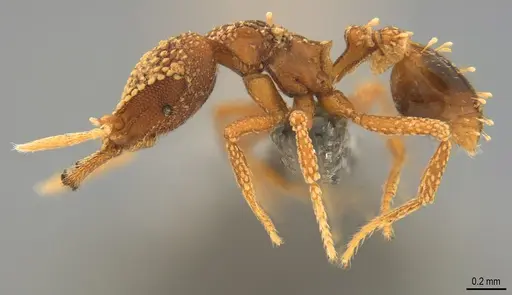
CASENT0358285
View on AntWeb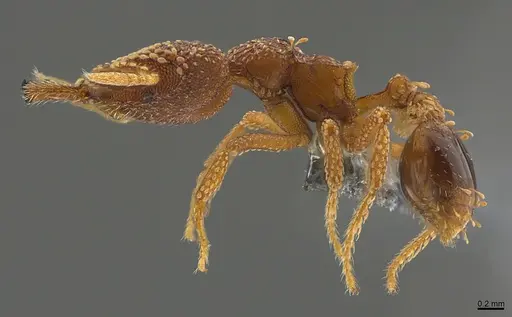
CASENT0845090
View on AntWeb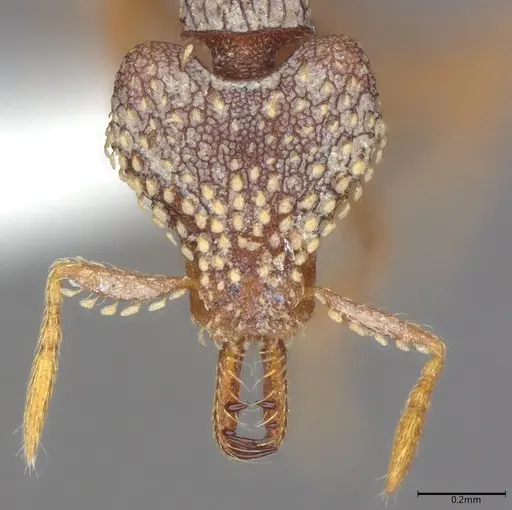
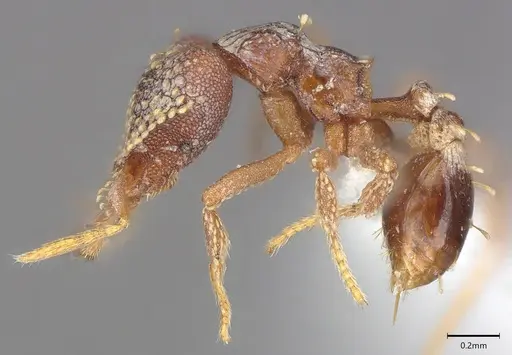
CASENT0900634
View on AntWeb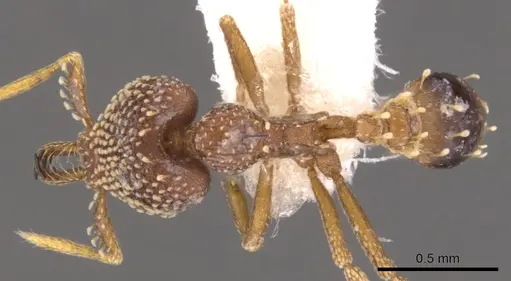
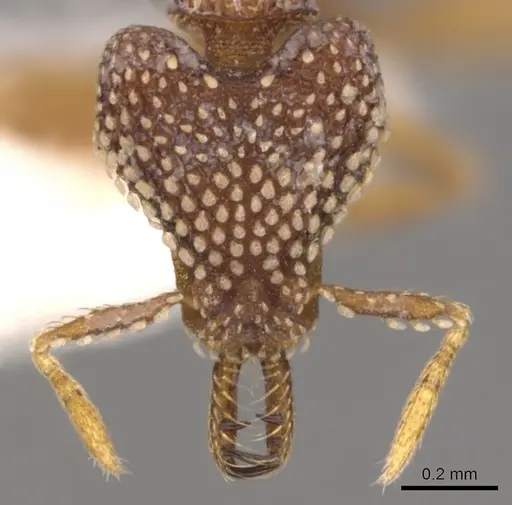
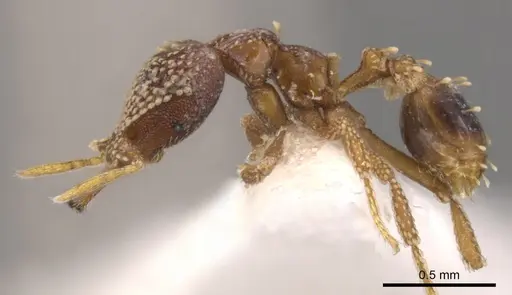
CASENT0914778
View on AntWeb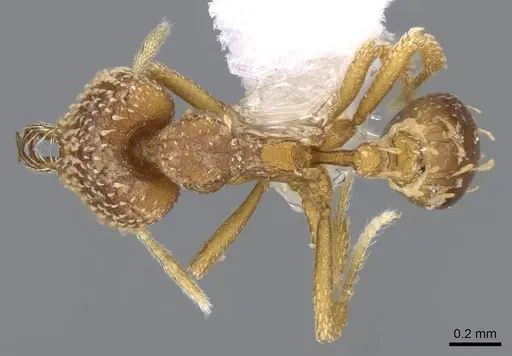
Literature
Loading...Loading products...