

Strumigenys sphera
- Scientific Name
- Strumigenys sphera
- Tribe
- Attini
- Subfamily
- Myrmicinae
- Author
- Fisher, 2000
- Distribution
- Found in 1 countries
Strumigenys sphera Overview
Strumigenys sphera is an ant species of the genus Strumigenys. It is primarily documented in 1 countries , including Madagascar. Detailed taxonomic data and occurrence records can be further explored via authoritative databases such as AntWeb or the Global Biodiversity Information Facility (GBIF).
Strumigenys sphera
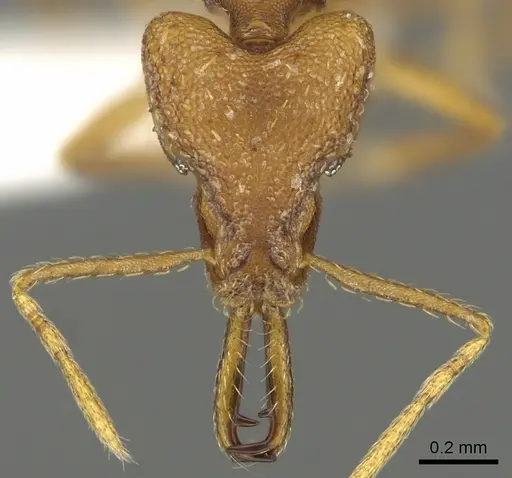
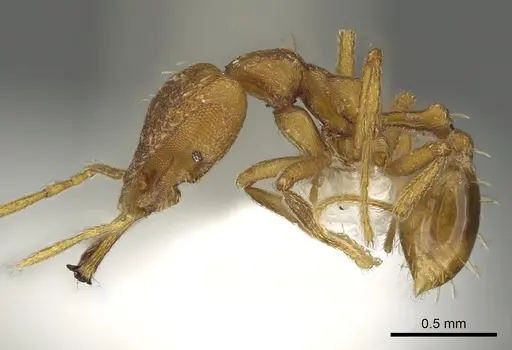
Strumigenys sphera is a tiny ant measuring just 3.7-3.9mm in total length, with significant size variation across its range (workers can range from 0.66-1.06mm in head length). This species belongs to the Dacetini tribe and is part of the Strumigenys arnoldi group, specifically the sphera complex. Workers are yellowish-brown to medium brown in color, with distinctive spongiform tissue on the ventral petiole and postpetiole. The mandibles each have one preapical tooth, and the scapes are long and slender. Found exclusively in Madagascar, S. sphera is a wet forest species commonly collected from leaf litter and rotting wood in montane rainforest habitats between 400-1860m elevation [1][2].
Quick Summary
- Difficulty: Medium
- Origin & Habitat: Endemic to Madagascar, found in wet montane rainforest and surrounding forest habitats. Collections documented at elevations from 400m to 1860m in locations including Réserve Spéciale d'Andringitra and Réserve Spéciale de Manongarivo [1][2].
- Colony Type: Colony structure is unconfirmed. Based on typical Strumigenys patterns, colonies likely contain fewer than 100 workers. Multiple queens have not been documented in collection records.
- Size & Growth:
- Queen: Not directly described in available material, queens are likely similar in size to workers or slightly larger
- Worker: 3.7-3.9mm total length (HL 0.66-1.06mm due to significant intraspecific variation)
- Colony: Likely under 100 workers based on typical Strumigenys colony sizes and the small colony fragments collected during surveys [2]
- Growth: Moderate, based on related species patterns
- Development: Estimated 6-8 weeks at optimal temperature based on typical Dacetini development patterns (Development timeline is inferred from genus-level data, not directly studied for this species)
- Antkeeping:
- Temperature: Keep at 22-26°C. As a wet forest species from Madagascar, they prefer warm, stable conditions with minimal temperature fluctuations.
- Humidity: High humidity is essential, these are forest floor ants from damp environments. Keep nest substrate consistently moist but not waterlogged. Aim for 70-85% humidity.
- Diapause: Likely a winter rest period is needed, given the temperate elevation range they inhabit in Madagascar. Reduce temperature to 15-18°C for 2-3 months.
- Nesting: Natural nesting occurs in leaf litter and rotting wood. In captivity, use a naturalistic setup with moist substrate (soil/peat mix) or a Y-tong/plaster nest with high humidity. They prefer tight, humid chambers scaled to their tiny size.
- Behavior: These are tiny, slow-moving ants that forage primarily in leaf litter and soil. They are specialized predators, likely feeding on micro-arthropods like springtails and small soil invertebrates. Workers have small eyes and navigate using chemical trails. Escape prevention is critical due to their very small size, they can squeeze through standard test tube barriers. They are not aggressive and pose no threat to keepers.
- Common Issues: escape prevention is critical, their tiny size means they can slip through standard barriers, high humidity requirements can lead to mold problems if ventilation is poor, slow growth may frustrate beginners expecting rapid colony development, wild-caught colonies may contain parasites that can devastate captive populations, overfeeding can lead to mold in their naturalistic setup
Housing and Nest Setup
Strumigenys sphera requires a setup that mimics their natural leaf litter environment. A naturalistic terrarium-style setup works best, use a shallow container with a moist soil/peat mixture (about 2-3cm deep) covered with leaf litter, pieces of bark, and small rotting wood fragments. This provides both hunting grounds and humid micro-habitats. Alternatively, a Y-tong (AAC) or plaster nest with narrow chambers can work, but you must maintain high humidity by keeping the water reservoir well-filled. Test tube setups are risky due to their tiny size, if using test tubes, ensure the cotton plug is tightly packed and consider adding a Fluon barrier. Whatever setup you choose, include plenty of small hiding spots and ensure the substrate stays consistently damp but never soggy [2][1].
Feeding and Diet
Strumigenys are specialized predatory ants, and S. sphera is no exception. In the wild, they hunt small soil invertebrates including springtails, mites, and other micro-arthropods found in leaf litter. In captivity, their primary food should be live small prey, flightless fruit flies (Drosophila), small pinhead crickets, and most importantly, live springtails are ideal. You can culture springtails separately in a moist container with charcoal or leaf litter to ensure a constant supply. Some keepers report success offering small pieces of mealworm or other soft-bodied insects, but these should be killed first as live prey triggers more natural hunting behavior. Sugar sources are generally not accepted, these are strict predators. Feed small amounts every 2-3 days, removing any uneaten prey within 24 hours to prevent mold.
Temperature and Humidity
As a wet forest species from Madagascar, Strumigenys sphera needs warm and humid conditions. Keep the nest area at 22-26°C, use a heating cable on one side of the nest if your room temperature is lower, but always provide a temperature gradient so ants can move to cooler areas if needed. Humidity is critical: aim for 70-85% relative humidity in the nest chamber. The substrate should feel damp to the touch, with visible condensation on the sides of the nest occasionally. Misting the setup every few days helps, but avoid creating standing water. Good ventilation is necessary to prevent mold while maintaining humidity, small holes or mesh on the lid allow air exchange without drying out the setup. Monitor for mold growth and remove any moldy material promptly [1][2].
Seasonal Care and Overwintering
In their natural montane habitat in Madagascar, S. sphera experiences cooler temperatures during the winter months at higher elevations. While not as extreme as temperate species, they do benefit from a seasonal slowdown. From roughly November to February, reduce the temperature to 15-18°C and reduce feeding frequency. The colony will become less active, and the queen may slow or stop egg-laying. Do not cool them dramatically, a gradual reduction over 1-2 weeks is best. Keep humidity slightly lower during this period to prevent mold issues with the less active colony. Resume normal temperatures and feeding in spring. This winter rest period helps maintain natural colony cycles and may improve long-term colony health [1].
Handling and Observation
These tiny ants are not dangerous, they cannot sting and their mandibles are too small to penetrate human skin. However, they are excellent escape artists due to their minute size. Always use fine mesh (at least 0.5mm) on any ventilation holes, and consider applying a Fluon barrier to the upper edges of any container. When observing them, use a magnifying glass or macro lens on your camera, their small size and interesting morphology (the spongiform tissues, specialized mandibles) are fascinating to watch. They move slowly and methodically, hunting through leaf litter and exploring their territory. Avoid disturbing the nest chamber too often, as excessive vibration and light can stress the colony. Regular but gentle observation is better than frequent full nest inspections.
Frequently Asked Questions
How long does it take for Strumigenys sphera to raise their first workers?
The exact timeline is unconfirmed for this species, but based on typical Dacetini development patterns, expect 6-8 weeks from egg to worker at optimal temperature (around 24°C). The first workers (nanitics) will be smaller than mature workers and may take additional time to develop into full-sized foragers.
Can I keep Strumigenys sphera in a test tube?
You can use a test tube for founding colonies, but it's risky due to their tiny size. If using test tubes, pack the cotton plug very tightly and apply a Fluon barrier to the inside of the tube opening. A better option for established colonies is a naturalistic setup with moist substrate or a Y-tong nest with very narrow chambers.
What do Strumigenys sphera ants eat?
They are specialized predators that need live small prey. Offer live springtails (their preferred food in the wild), flightless fruit flies, small pinhead crickets, and other tiny arthropods. They do not typically accept sugar sources or dead insects as readily. Culture your own springtails to ensure a constant supply.
How big do Strumigenys sphera colonies get?
Based on typical Strumigenys colony sizes and the limited collection data available, colonies likely reach under 100 workers at maturity. They are not large colony formers.
Are Strumigenys sphera good for beginners?
They are considered medium difficulty. While not aggressive or dangerous, their high humidity requirements, tiny size (escape risk), and need for live prey make them more challenging than common species like Lasius or Camponotus. They require more specialized care and equipment.
Do Strumigenys sphera need hibernation?
They benefit from a winter rest period, but not true hibernation. Reduce temperatures to 15-18°C for 2-3 months during winter, reduce feeding, and maintain slightly lower humidity. This mimics their natural seasonal cycle in the montane forests of Madagascar.
Why are my Strumigenys sphera escaping?
Their tiny size allows them to squeeze through gaps that seem impossible. Use fine mesh (0.5mm or smaller), apply Fluon barriers to all openings, and ensure any gaps around lids or tubes are sealed. Check all ventilation holes, even standard ant keeping mesh may be too coarse.
When should I move my colony to a formicarium?
Wait until the colony has at least 15-20 workers before moving to a more elaborate setup. For Strumigenys, a naturalistic setup with leaf litter and moist substrate is ideal even for established colonies. Only move if the current container is overcrowded or drying out too quickly.
Can I keep multiple Strumigenys sphera queens together?
This has not been documented. Based on typical Strumigenys behavior, combining unrelated queens is not recommended. Single-queen colonies are most likely.
References

This caresheet is licensed under CC BY-SA 4.0 .
CASENT0005635
View on AntWeb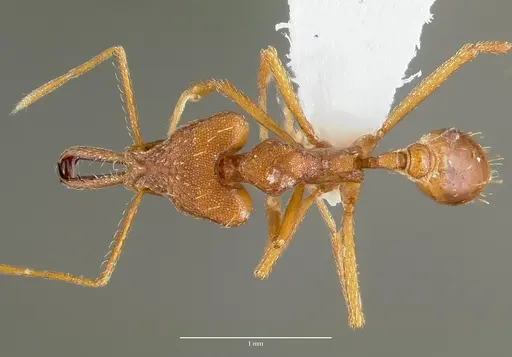
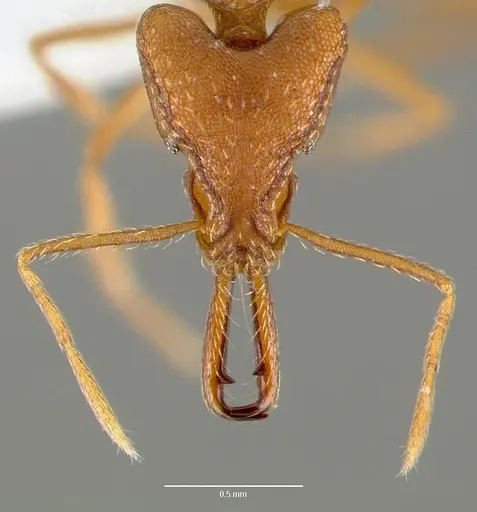
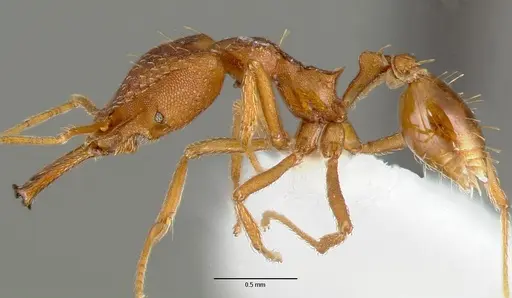
CASENT0005636
View on AntWeb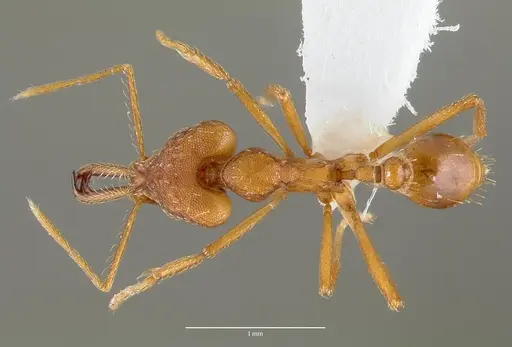
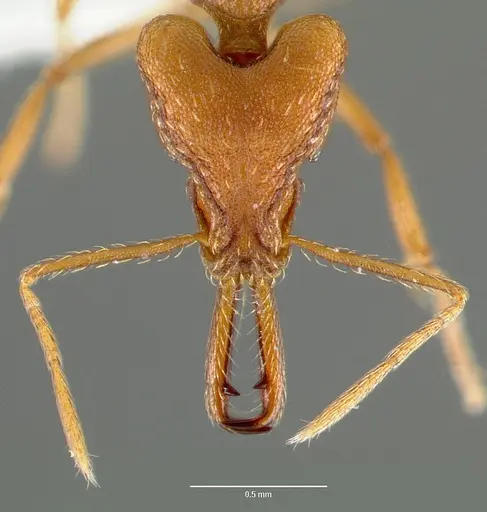
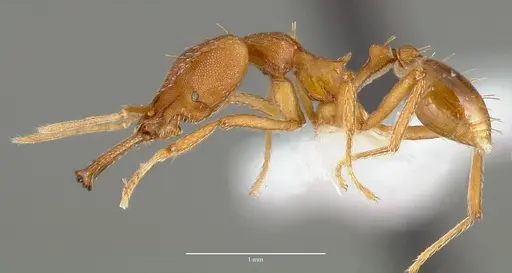
CASENT0005637
View on AntWeb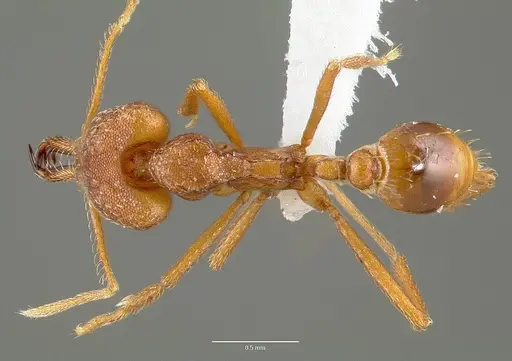
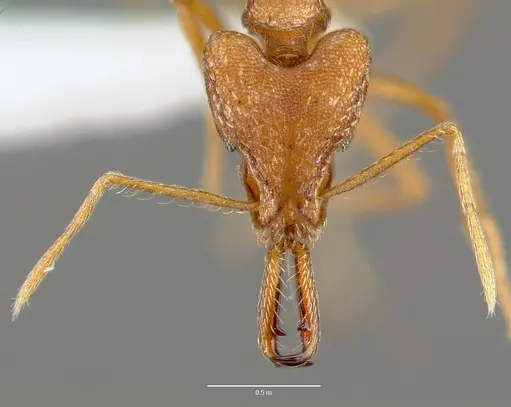
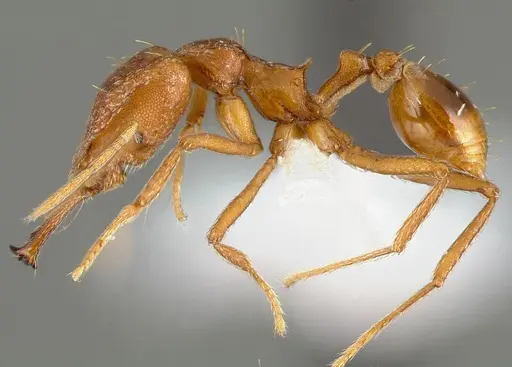
CASENT0005638
View on AntWeb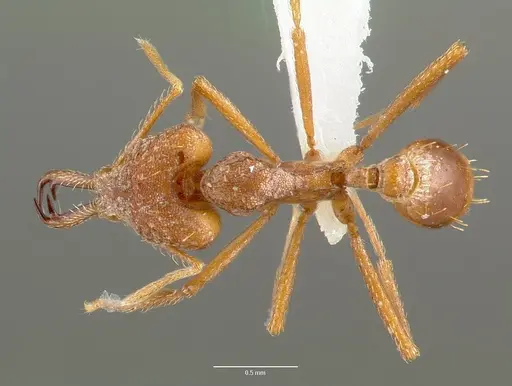
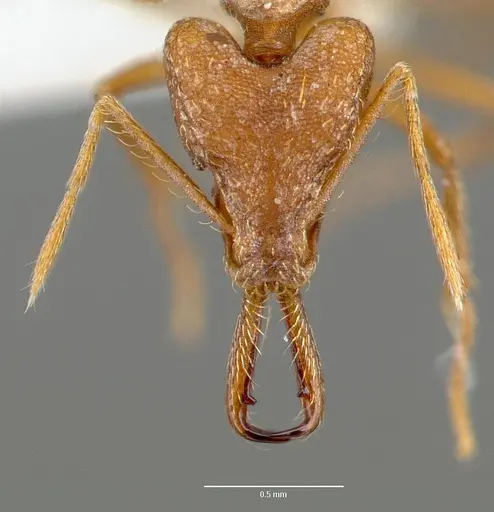
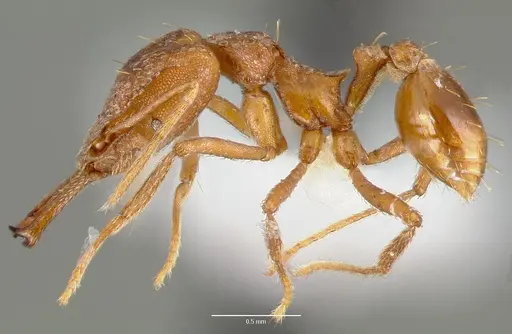
CASENT0900712
View on AntWeb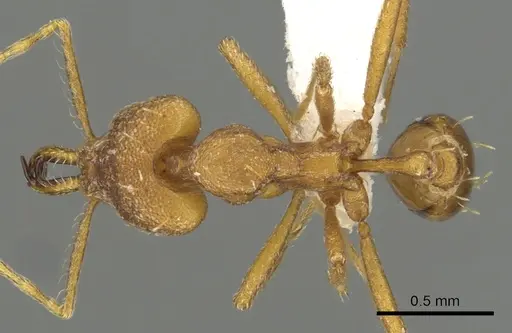
Literature
Loading...Loading products...