

Strumigenys spathula
- Scientific Name
- Strumigenys spathula
- Tribe
- Attini
- Subfamily
- Myrmicinae
- Author
- Lattke & Goitía, 1997
- Distribution
- Found in 6 countries
Strumigenys spathula Overview
Strumigenys spathula is an ant species of the genus Strumigenys. It is primarily documented in 6 countries , including Brazil, Colombia, French Guiana. Detailed taxonomic data and occurrence records can be further explored via authoritative databases such as AntWeb or the Global Biodiversity Information Facility (GBIF).
Strumigenys spathula
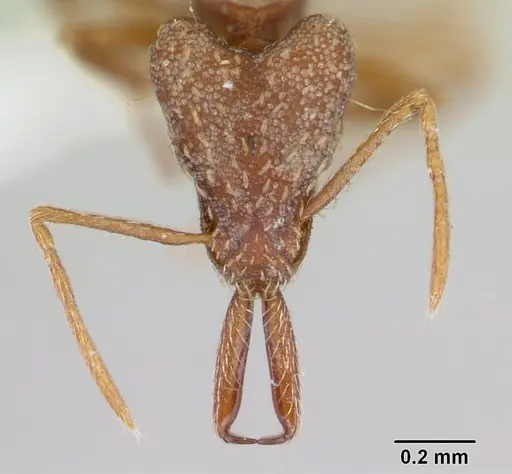
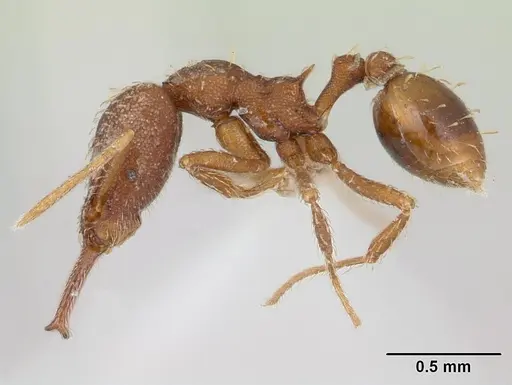
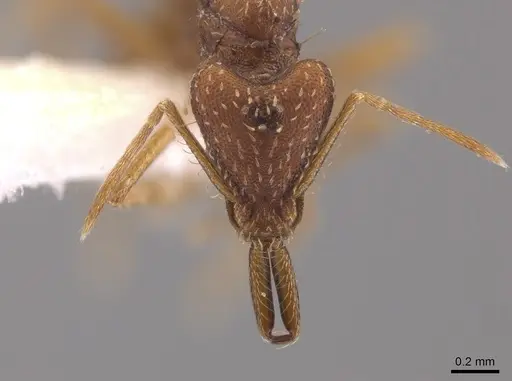
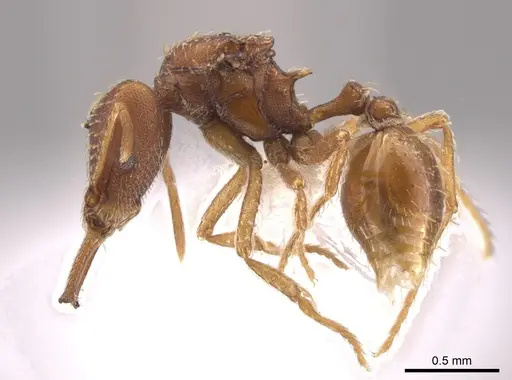
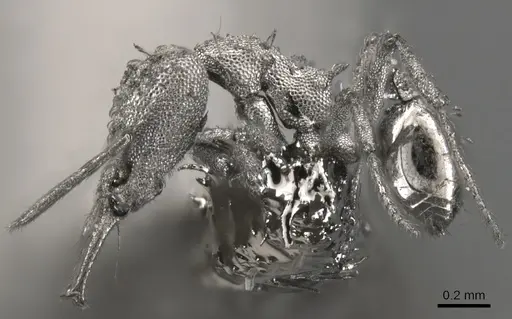
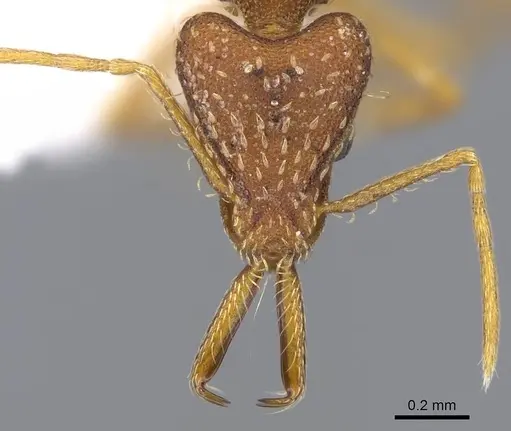
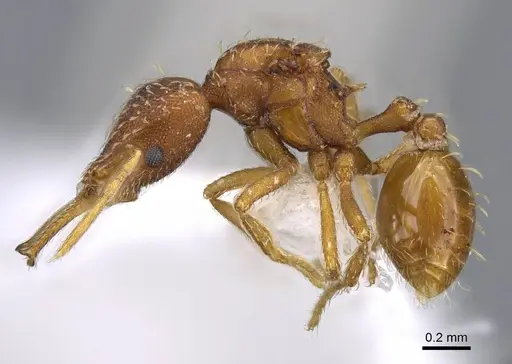
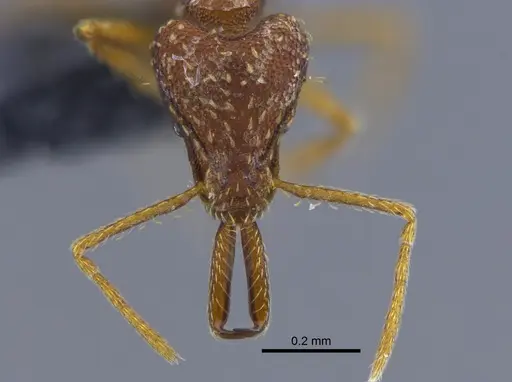
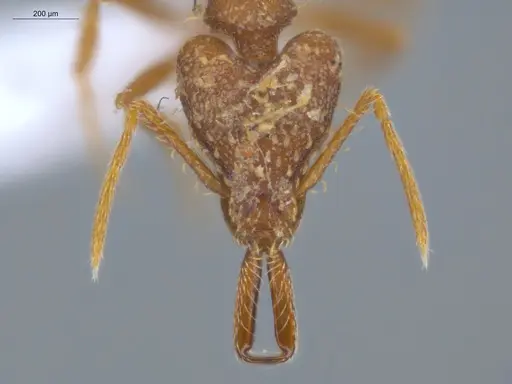
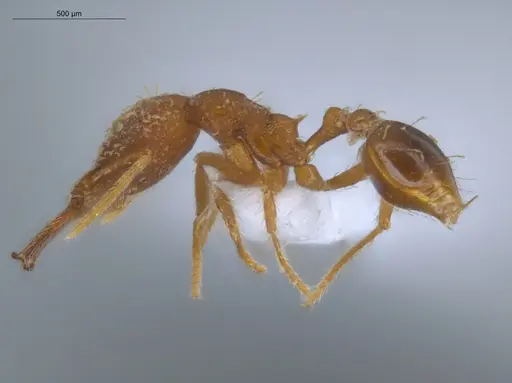
Strumigenys spathula is a tiny predatory ant native to Central America's wet forests. Workers measure just 2.2-2.7mm, making them one of the smaller ant species you'll encounter [1]. They belong to the dacetine ant tribe (Attini), a group famous for their lightning-fast snapping mandibles that they use to capture prey [2]. The species was described in 1997 from Venezuela and is part of the Strumigenys elongata group, characterized by their distinctive short, oar-shaped (remiform) hairs on the abdomen [1].
These ants are predators that specialize in hunting small arthropods. They inhabit wet tropical forests across a wide range from Mexico down to Brazil, with records from Belize, Costa Rica, Guatemala, Panama, Colombia, Venezuela, and French Guiana [3]. Their natural history in captivity remains poorly documented, but they represent an interesting challenge for experienced antkeepers interested in predatory micro-ant species.
Quick Summary
- Difficulty: Expert
- Origin & Habitat: Wet tropical forests of Central America (Mexico to Brazil). Found in Belize, Costa Rica, Guatemala, Honduras, Panama, Colombia, Venezuela, French Guiana, and Trinidad [3].
- Colony Type: Likely monogyne (single queen colonies). Colony structure is not well-documented in scientific literature.
- Colony: Monogyne
- Founding: Claustral
- Size & Growth:
- Queen: Not described in available literature, estimated similar to other Strumigenys at 3-4mm
- Worker: 2.2-2.7mm [1]
- Colony: Likely small colonies, Strumigenys colonies typically remain modest, possibly under 100 workers
- Growth: Slow, small ants with specialized diets typically develop slowly
- Development: Estimated 8-12 weeks based on related dacetine species. This is an estimate as specific development data is not available for this species. (Development time is inferred from genus-level data for Strumigenys. Small prey requirements and tropical origin suggest moderate-to-slow growth.)
- Antkeeping:
- Temperature: Keep at 24-28°C. These are wet-forest tropical ants requiring warm, stable temperatures [2].
- Humidity: High humidity required, think damp forest floor. Maintain moist but not waterlogged substrate. Provide a water tube or moisture source.
- Diapause: No, as a tropical species, they do not require hibernation. Keep warm year-round.
- Nesting: In captivity, they do well in small acrylic or ytong nests with tight chambers scaled to their tiny size. Natural nesting includes abandoned termite nests and rotting wood in wet forest environments [4].
- Behavior: These are specialized predators that use their snap-feeding mechanism to capture small arthropods. They are not aggressive toward humans and their small size means they pose no stinging threat. However, they are escape artists due to their tiny size, excellent escape prevention is essential. They are likely nocturnal or crepuscular hunters based on typical Strumigenys behavior. They are not sugar-loving ants, they are strict predators.
- Common Issues: tiny size means escapes are likely without fine mesh barriers, specialized predator requiring live small prey, difficult to feed, slow growth can lead to keeper impatience and overfeeding, high humidity needs can cause mold if ventilation is poor, limited availability and documentation makes this an expert-only species
Housing and Nest Setup
Strumigenys spathula requires careful housing due to their minute size. Use small acrylic or ytong nests with chambers scaled to their 2-2.7mm body size. The chambers should be tight and narrow, these tiny ants can easily slip through gaps that would hold back larger species. A test tube setup can work for founding colonies, but monitor for escape routes. Provide a water tube for drinking moisture, these wet-forest ants need constant access to water. The outworld should be small and simple, with smooth sides to prevent climbing escape routes. Cover all connections and gaps with fluon or similar barrier solutions. Use fine mesh (at least 0.5mm) on any ventilation, these ants will find any gap [2].
Feeding and Diet
This is a specialized predator that requires live small arthropods. Strumigenys use their kinetic snapping mandibles to capture prey, they cannot scavenge like many ants. Feed small live prey such as springtails, booklice (psocids), tiny mites, and fruit fly larvae. Prey should be appropriately sized, no larger than the ant's head. Offer prey every 2-3 days, removing any uneaten prey within 24 hours to prevent mold. Do not offer sugar water, honey, or other carbohydrates, these ants are obligate predators and do not consume sugar sources. Some Strumigenys species have been observed tending scale insects for honeydew, but this behavior is not documented for S. spathula and should not be assumed [2].
Temperature and Humidity
Maintain temperatures between 24-28°C year-round. These are wet-forest tropical ants that do not tolerate cool conditions. A small heating cable on one side of the nest can help maintain warmth, but avoid direct heat that could dry out the colony. Humidity should be high, aim for consistently damp substrate without standing water. Mist the outworld occasionally but avoid wetting the nest directly. The substrate should feel damp to the touch. Provide a water tube so ants can drink without drowning. Do not let temperatures drop below 22°C for extended periods, this species is adapted to stable tropical conditions [2].
Behavior and Handling
Strumigenys spathula is a calm, non-aggressive ant that poses no threat to keepers. Their small size means they cannot sting effectively, and they lack the defensive chemicals of some other subfamilies. They are fascinating to watch due to their unique hunting mechanism, when prey triggers their trap, their mandibles snap shut in milliseconds. They are not escape artists in the traditional sense (they don't climb smooth surfaces well), but their tiny size means they will find any small gap or crack. Always use fine mesh and barrier solutions. They are likely nocturnal or crepuscular based on typical genus behavior, so expect most activity during evening hours. Do not disturb the colony frequently, these small ants are sensitive to vibration and disturbance [2].
Colony Establishment
Establishing a colony of Strumigenys spathula requires patience and experience. Queens are not well-described but likely follow the typical Strumigenys pattern of claustral founding, the queen seals herself in and raises the first workers on stored fat reserves. The founding chamber should be small and dark. After workers emerge (nanitics will be very small), begin offering tiny live prey. Growth will be slow, small predatory ants take time to build numbers. Do not combine multiple queens unless you have specific documentation that pleometrosis occurs in this species. Expect the colony to remain small (under 100 workers) even at maturity based on typical Strumigenys colony sizes. Patience is essential, these ants cannot be rushed with extra feeding or heat.
Common Problems
The biggest challenge with Strumigenys spathula is their specialized diet. Many keepers fail because they cannot provide enough appropriate live prey. Springtail cultures are essential, establish a可靠的 springtail culture before acquiring these ants. Escape prevention is critical despite their small size, they will escape through any gap larger than 0.5mm. Mold from uneaten prey or excessive moisture is another common killer. Remove prey promptly and ensure adequate ventilation without drafts. Finally, these ants are not for beginners, their specific humidity, temperature, and dietary requirements make them an expert-only species in the antkeeping hobby.
Frequently Asked Questions
Can I keep Strumigenys spathula in a test tube?
Yes, a test tube setup works for founding colonies. Use a small test tube with a cotton stopper and water reservoir. However, due to their tiny size, ensure the cotton is packed tightly and consider adding a fine mesh barrier. You will need to move them to a proper nest once the colony grows, as test tubes dry out and cannot maintain the humidity these wet-forest ants need.
What do Strumigenys spathula ants eat?
They are specialized predators that require live small arthropods. Feed springtails, booklice, tiny mites, and fruit fly larvae. Prey should be appropriately sized, no larger than the ant's head. They do not accept sugar sources, honey, or dead prey. Establish a springtail culture before acquiring these ants [2].
How long until first workers appear?
Based on related Strumigenys species, expect 8-12 weeks from egg to first worker at optimal temperature (24-28°C). This is an estimate as specific development data is not available for S. spathula. Growth is slow, small predatory ants take time to develop.
Are Strumigenys spathula good for beginners?
No, this is an expert-only species. Their specialized live-prey diet, high humidity requirements, tiny size making escape likely, and limited availability make them unsuitable for beginners. Start with easier species like Lasius, Camponotus, or Messor before attempting Strumigenys.
How big do Strumigenys spathula colonies get?
Likely under 100 workers at maturity. Strumigenys colonies typically remain small compared to many ant species. This is typical for the genus, they invest in specialized hunting rather than large worker numbers.
Do Strumigenys spathula need hibernation?
No, they do not require hibernation. As wet-forest tropical ants from Central America, they need warm temperatures year-round (24-28°C). Do not cool them down or allow temperatures to drop significantly.
Why are my Strumigenys spathula dying?
Common causes include: insufficient live prey (they cannot scavenge), low humidity (they need damp conditions), temperatures below 22°C, mold from uneaten prey, or escapes through tiny gaps. Check all of these parameters. Also ensure you are offering appropriately-sized prey, too-large prey will be ignored.
When should I move Strumigenys spathula to a formicarium?
Move them when the test tube becomes crowded or the water reservoir runs low. For small Strumigenys colonies, a small acrylic or ytong nest works well. Ensure the new nest maintains high humidity and has appropriately-sized chambers for their tiny workers.
Can I keep multiple Strumigenys spathula queens together?
Not recommended without specific documentation. Combining unrelated queens of this species has not been documented. Strumigenys are typically single-queen colonies. If you acquire a multi-queen colony from the wild, keep them together only if they are already established and not fighting.
References

This caresheet is licensed under CC BY-SA 4.0 .
CASENT0178645
View on AntWeb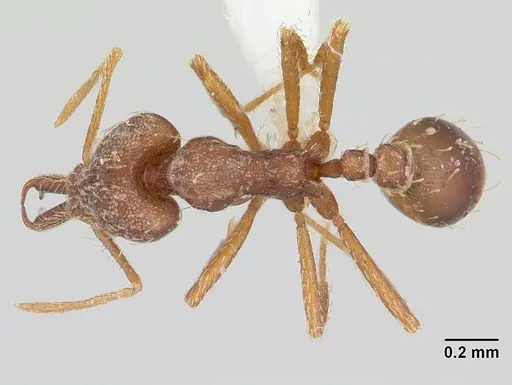
CASENT0648877
View on AntWeb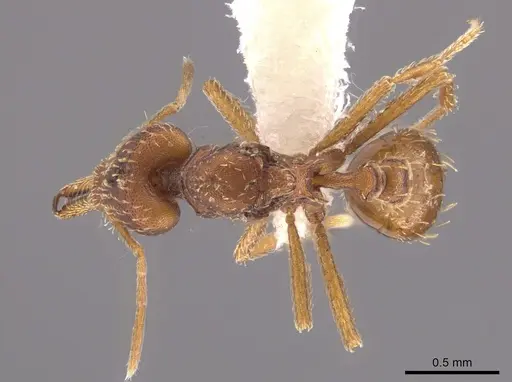
CASENT0900447
View on AntWeb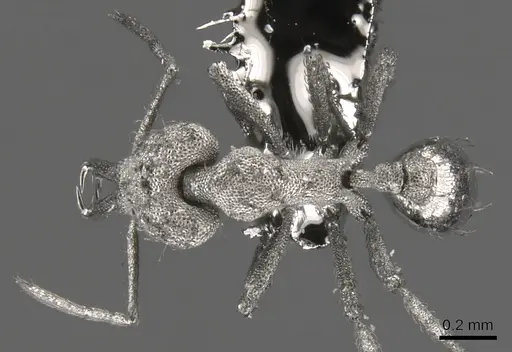
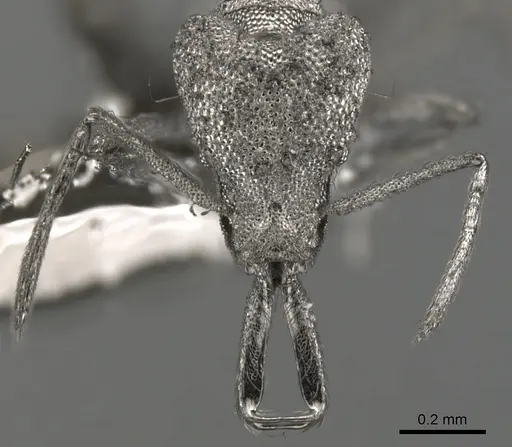
CASENT0914754
View on AntWeb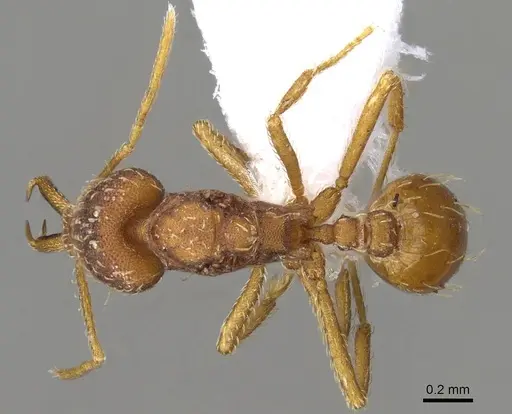
CBUMAGENT34138
View on AntWeb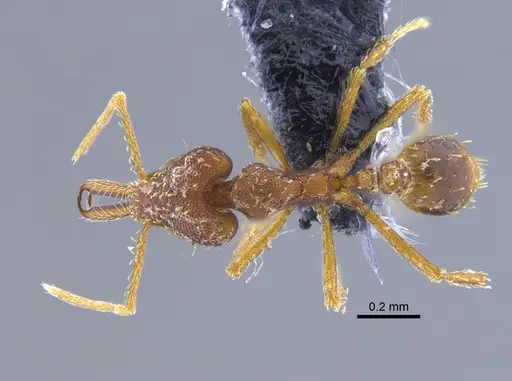
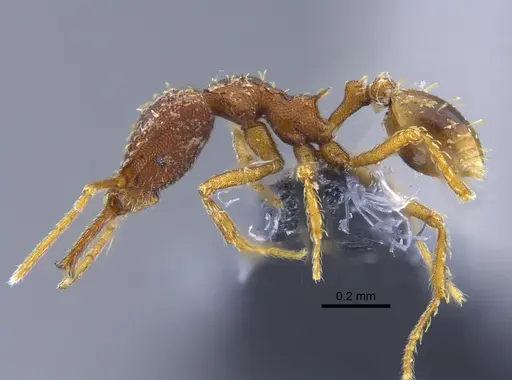
ECOFOG-IT14-0782-40
View on AntWeb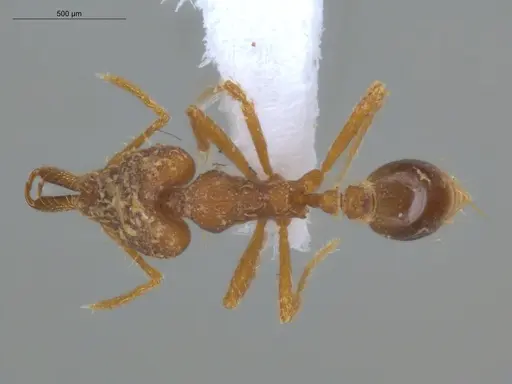
Literature
Loading...Loading products...