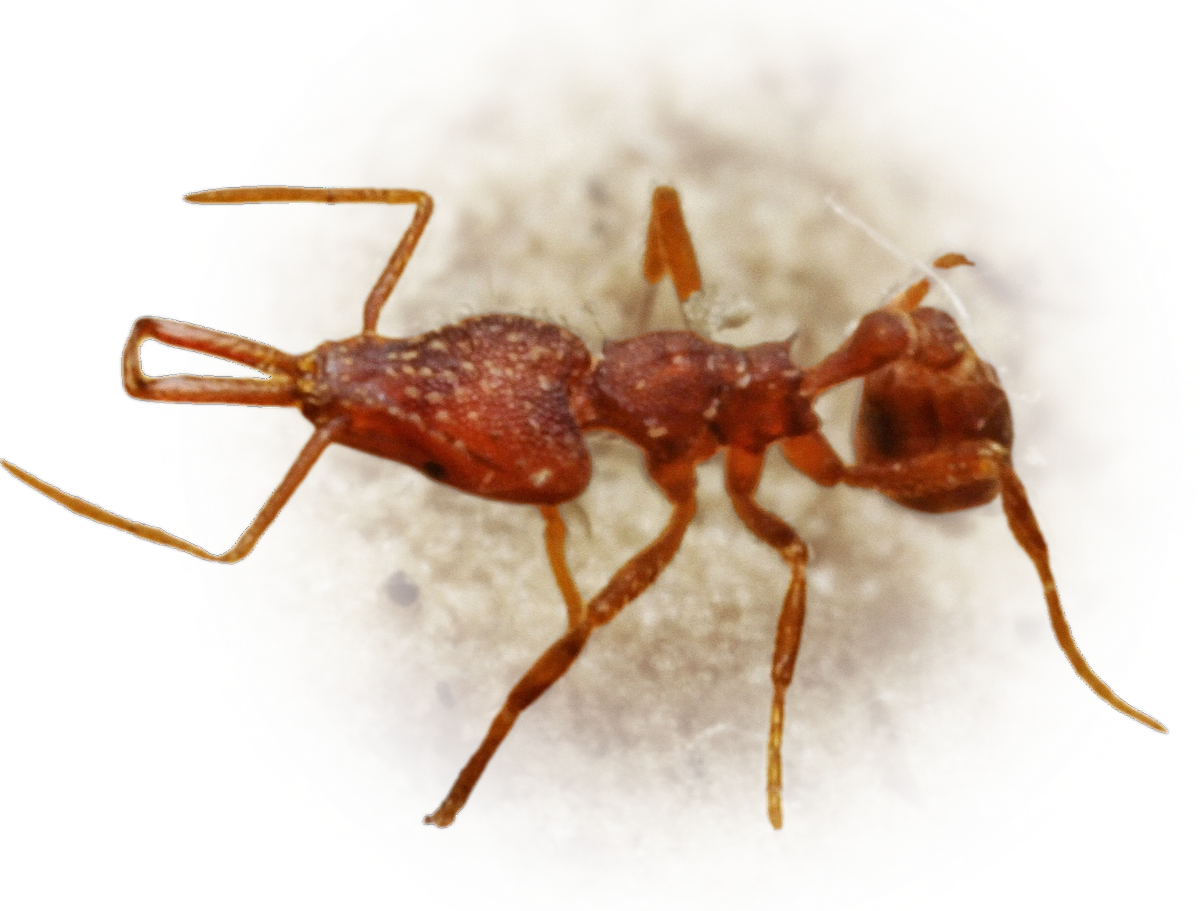

Strumigenys elongata
- Scientific Name
- Strumigenys elongata
- Tribe
- Attini
- Subfamily
- Myrmicinae
- Author
- Roger, 1863
- Distribution
- Found in 12 countries
Strumigenys elongata Overview
Strumigenys elongata is an ant species of the genus Strumigenys. It is primarily documented in 12 countries , including Brazil, Colombia, Costa Rica. Detailed taxonomic data and occurrence records can be further explored via authoritative databases such as AntWeb or the Global Biodiversity Information Facility (GBIF).
Strumigenys elongata
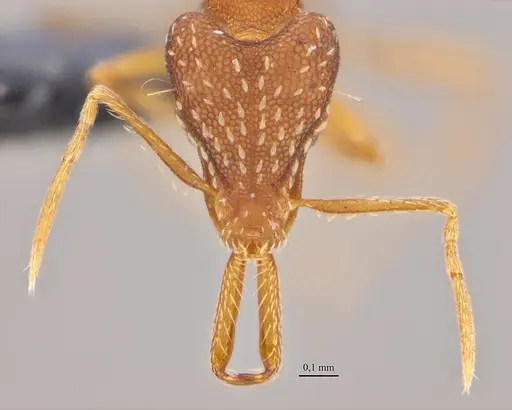
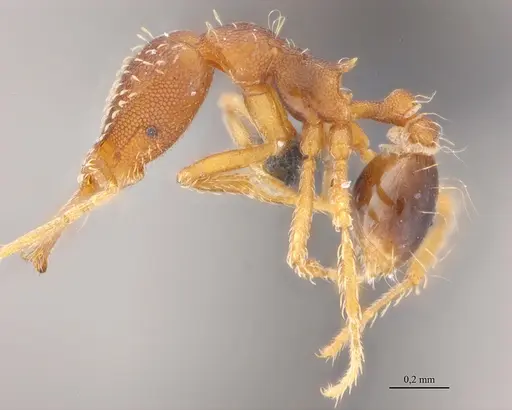
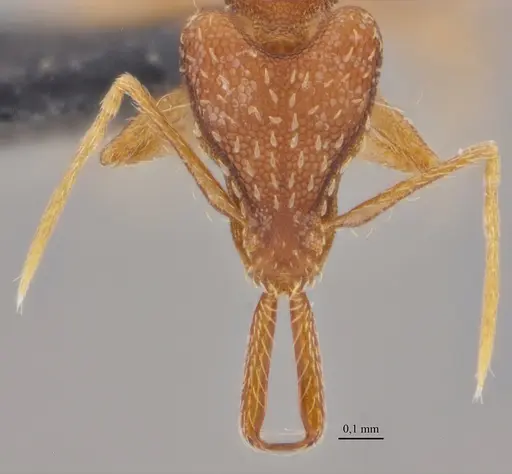
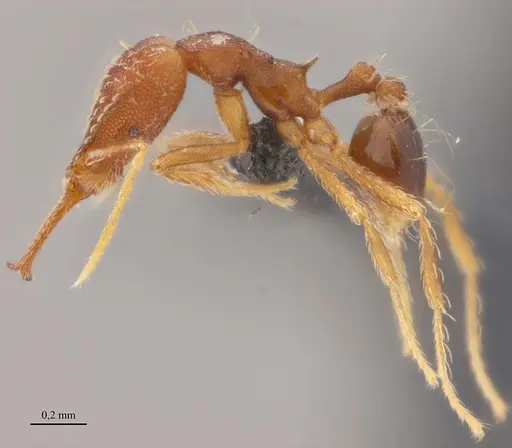
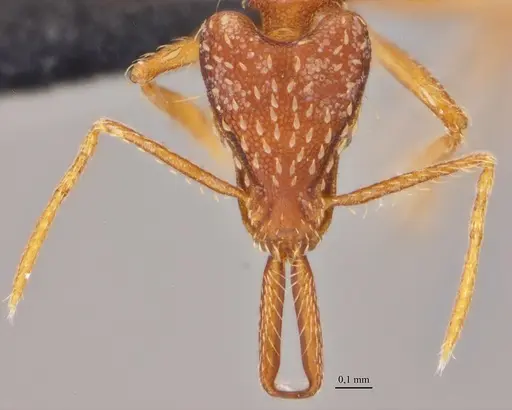
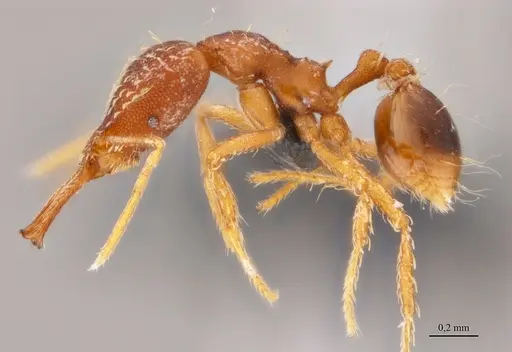
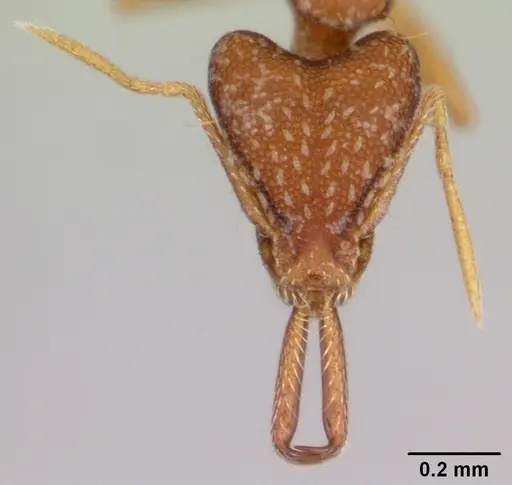
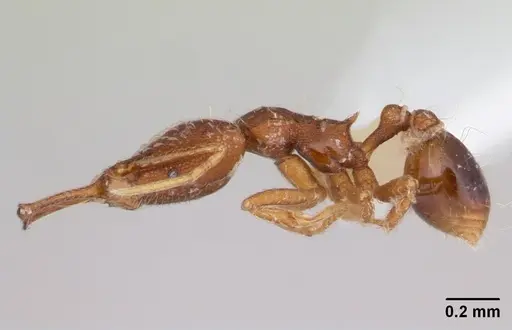
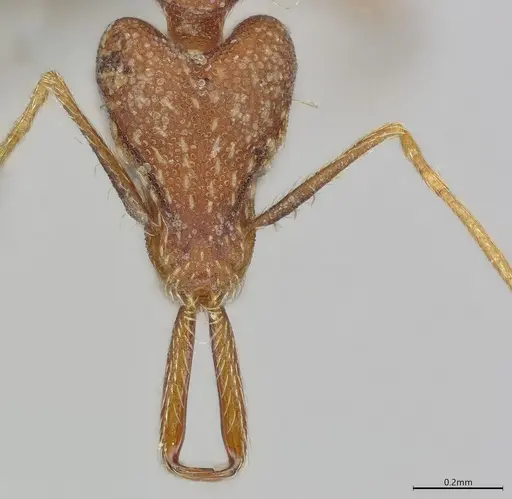
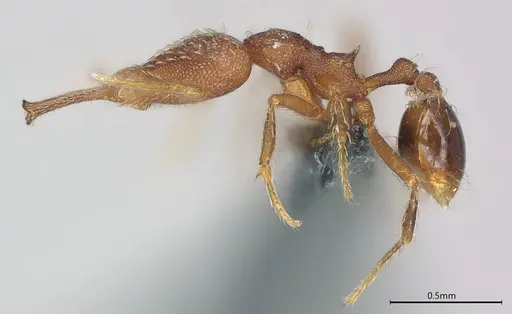
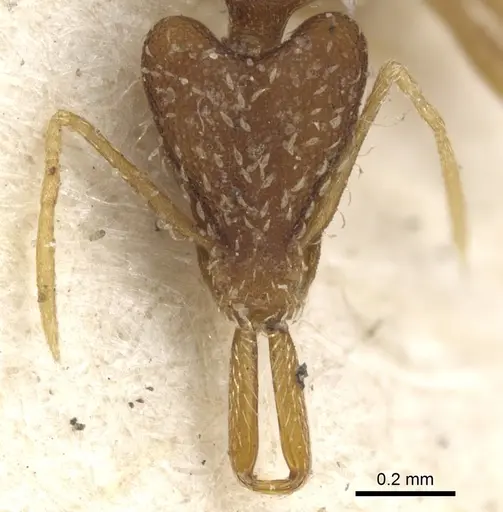
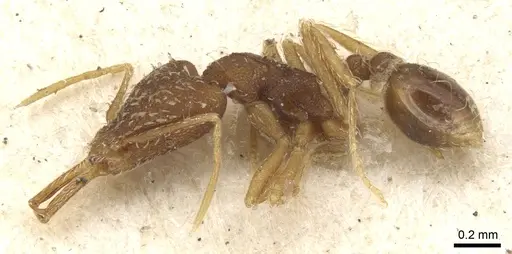
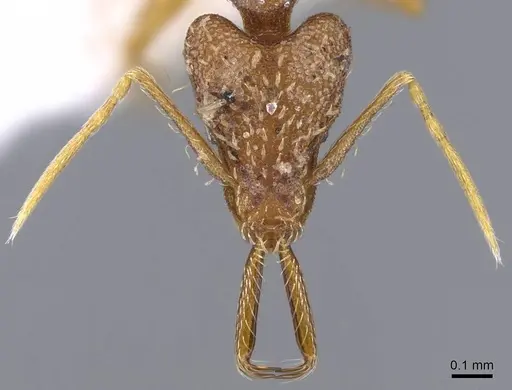
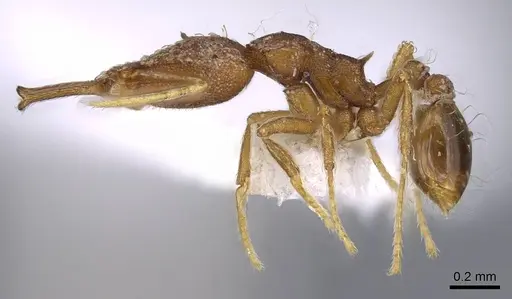
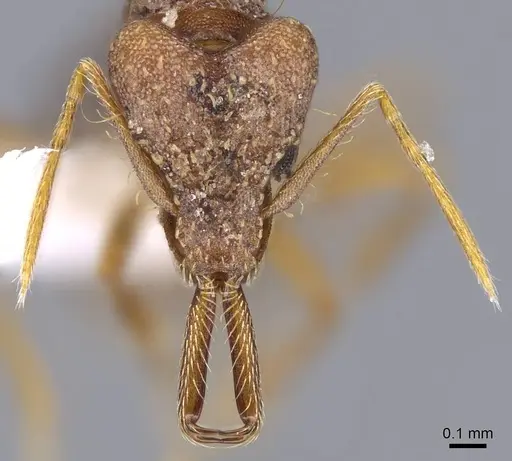
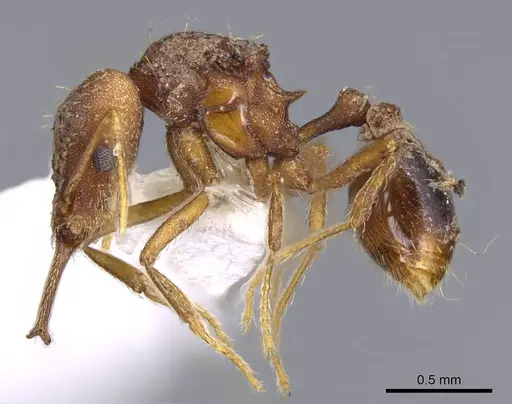
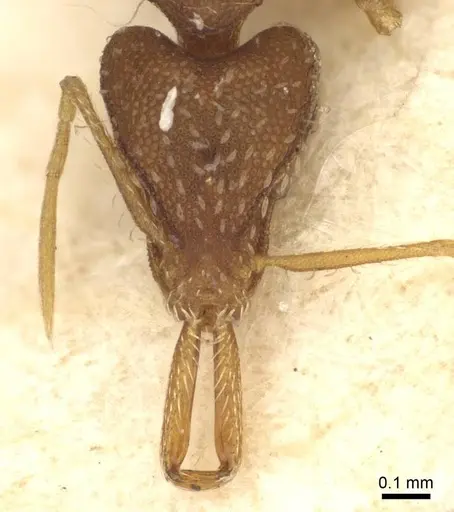
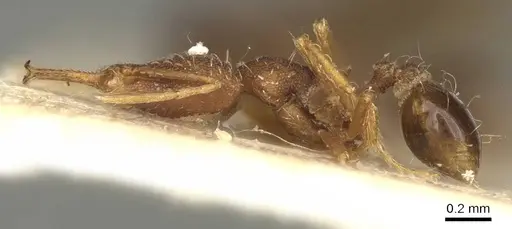
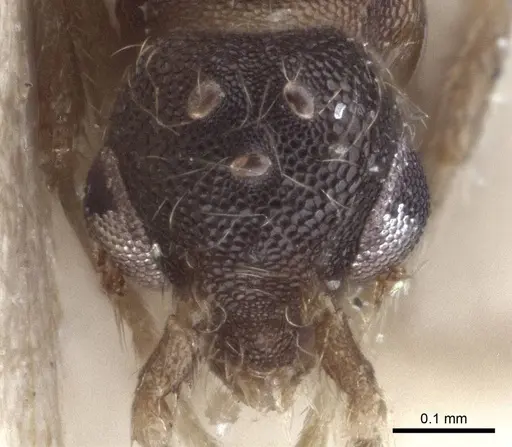
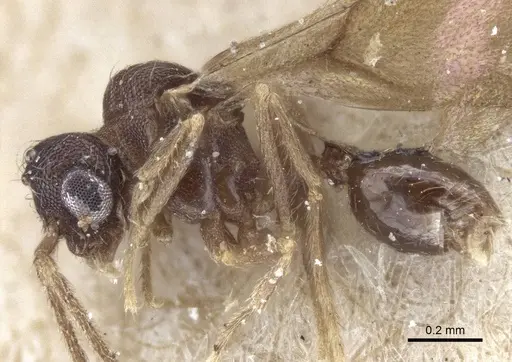
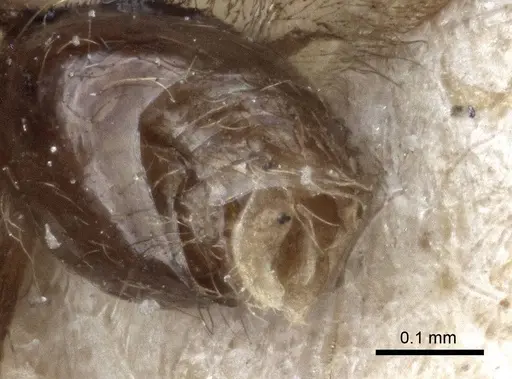
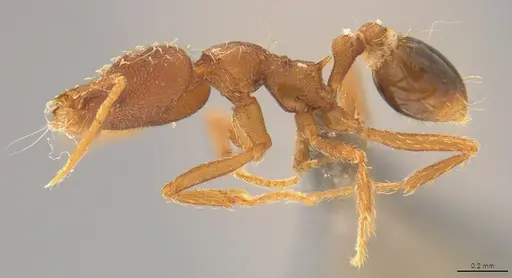
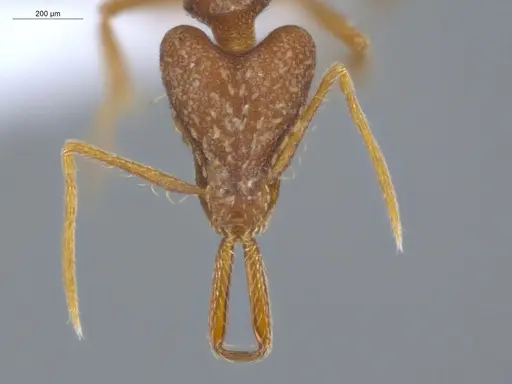
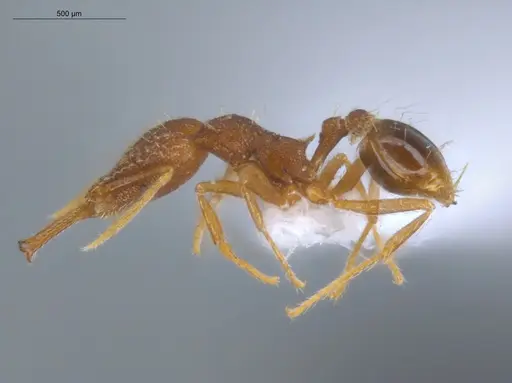
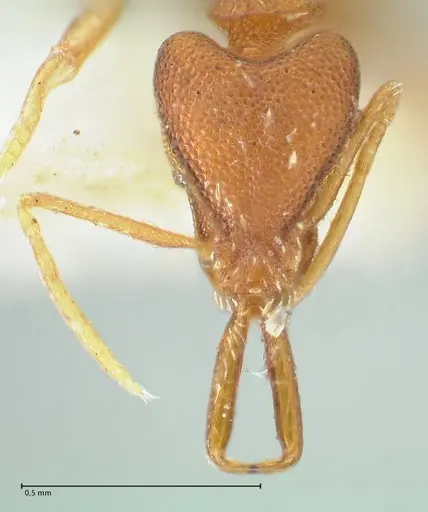
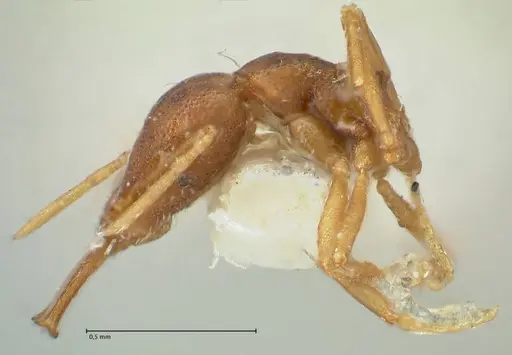
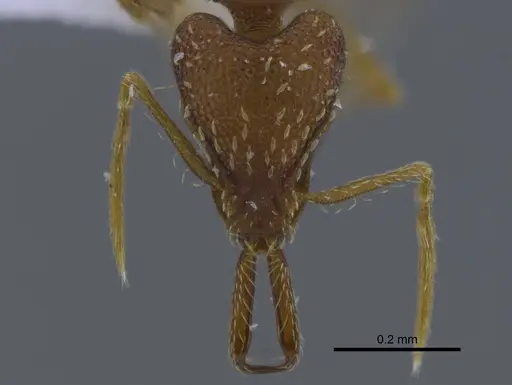
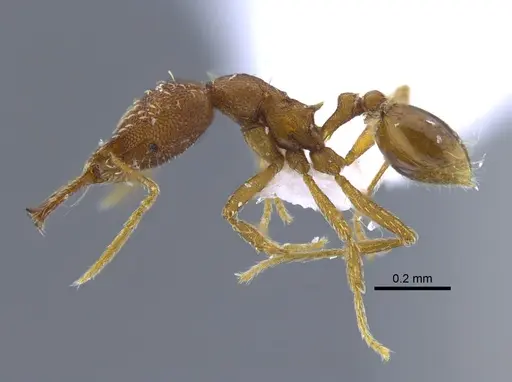
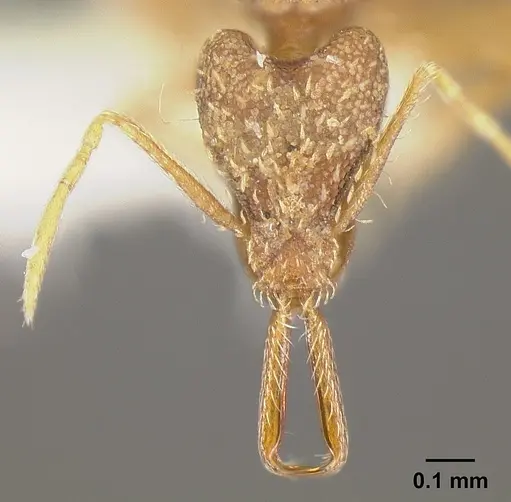
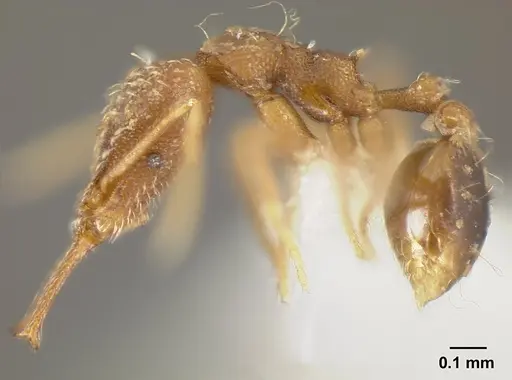
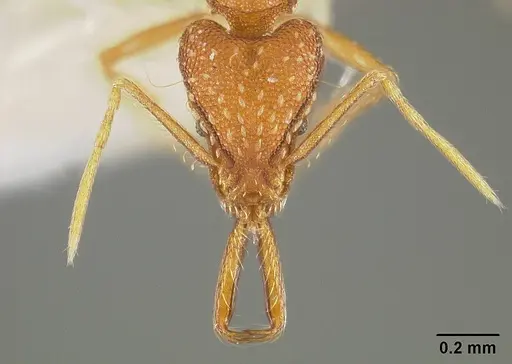
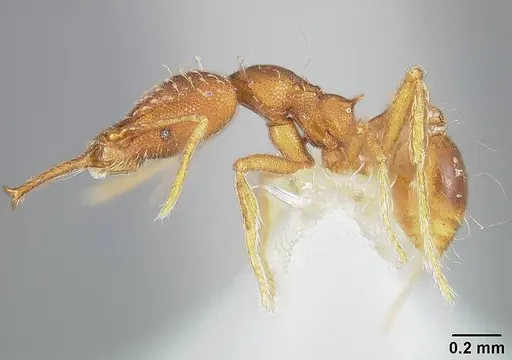
Strumigenys elongata is a tiny predatory ant measuring just 2.1-2.6mm in worker length [1]. This species belongs to the tribe Dacetini (sometimes classified as Attini), known for their specialized hunting strategies using a kinetic mode to capture prey [2]. Workers have closely spaced mandibular insertions and distinctive spongiform tissue on their waist [2]. The species is one of the most common Strumigenys ants in forested habitats throughout the Neotropics, found from Mexico down to Argentina [3][4]. They inhabit leaf litter in both dry and wet tropical forests, nesting in dead wood, under stones, or sometimes in epiphytes in the canopy [5].
What makes S. elongata fascinating is its extreme dietary specialization, this species is a dedicated predator of springtails (Collembola), one of the most specialized diets in the ant world [6][7]. They are cryptic litter-dwelling ants that spend their time hunting among the forest floor debris. Their long, trap-like mandibles are perfectly adapted for snatching these tiny, fast-moving prey. Research shows they are most active during the rainy season, with virtually no activity recorded during dry periods [7][6].
Quick Summary
- Difficulty: Hard
- Origin & Habitat: Neotropical region from Mexico to Argentina, living in leaf litter of tropical dry and wet forests [5][4]
- Colony Type: Colony structure is not well documented in scientific literature. Multiple queens have been observed in some populations, suggesting potential polygynous tendencies, but this requires further study.
- Size & Growth:
- Queen: Unconfirmed, queen measurements not specifically documented in available research [5]
- Worker: 2.1-2.6mm [1]
- Colony: Unknown, no specific colony size data available
- Growth: Unknown, development timeline not directly studied
- Development: Estimated 6-10 weeks based on typical Dacetini patterns (related species data) (Direct development data unavailable, estimates based on genus-level patterns for tropical Myrmicinae)
- Antkeeping:
- Temperature: Keep at 24-28°C, these are tropical forest floor ants that need warm, stable conditions
- Humidity: High humidity required, think damp forest floor. Keep substrate consistently moist but not waterlogged
- Diapause: No, this is a tropical species with no documented winter dormancy. They show seasonal activity tied to rainfall rather than temperature [7][6]
- Nesting: Y-tong (AAC) nests or plaster nests work well. These tiny ants need tight chambers scaled to their 2-3mm size. Provide a layer of moist substrate (like coco fiber or soil mix) for them to forage through. Avoid large open spaces.
- Behavior: These ants are extremely cryptic and spend most of their time hunting through leaf litter. They are specialized predators that rarely venture into the open, your best chance of seeing activity is when they emerge to hunt. They are not aggressive and will flee rather than fight. Their tiny size (under 3mm) means they can easily escape through standard test tube openings, excellent escape prevention is essential. They are slow-moving compared to many ants and rely on their specialized mandibles to capture springtails.
- Common Issues: tiny size makes escape likely without fine mesh barriers, specialized diet means they may refuse standard ant foods, slow growth because they only accept live springtail prey, colonies remain small, don't expect large worker numbers, humidity drops quickly in open setups, check water regularly
Housing and Setup
Strumigenys elongata requires a setup that recreates the humid leaf-litter environment they naturally inhabit. A Y-tong (AAC) nest or plaster formicarium works well, both hold moisture well and provide the tight chambers these tiny ants need. The chambers should be small and scaled to their 2-3mm worker size. Fill the outworld with a layer of moist substrate like coco fiber, sphagnum moss, or a soil mix, this gives them a medium to hunt through and helps maintain humidity. Because they are so small, even standard test tube setups need fine mesh barriers to prevent escapes. Avoid setups with large open water reservoirs that could drown these tiny ants. A small water tube with a cotton plug is safer. Keep the entire setup in a warm area away from direct sunlight and air conditioning vents that could dry them out.
Feeding and Diet
This species is an extreme specialist, they are confirmed springtail predators and will likely refuse most commercial ant foods [6][7]. In captivity, you must establish a culture of live springtails (Collembola) as their primary food source. Other small micro-arthropods like booklice (psocids) or dust mites may be accepted experimentally, but springtails should form the bulk of their diet. Do not rely on sugar sources, honey, or protein mixes, these specialized predators have evolved to hunt and likely won't recognize such foods as prey. Feed small numbers of springtails frequently, removing any uneaten prey after 24-48 hours to prevent mold. The hunting behavior is fascinating to watch, they use their long mandibles to rapidly snap and capture springtails.
Temperature and Seasonal Care
Keep these tropical ants warm at 24-28°C. They come from lowland Neotropical forests where temperatures are consistently warm year-round. Room temperature may be sufficient if your home stays in this range, otherwise use a heating cable on one side of the nest to create a gentle gradient. Unlike temperate ants, they do not require hibernation or diapause, in fact, research shows they are active primarily during the rainy season in the wild, with virtually no activity during dry periods [7][6]. This suggests their activity is driven by moisture availability rather than temperature cycles. Maintain consistent humidity year-round. Avoid temperature fluctuations and dry air, these can quickly stress or kill colonies.
Behavior and Observation
Strumigenys elongata is one of the most cryptic ants you can keep. Workers spend almost all their time hunting through the substrate in the outworld, rarely visible in the nest chambers. They are not aggressive and will retreat if threatened. The best time to observe them is when you add springtail prey, you may see workers emerge to hunt. They are slow-moving compared to many ants, relying on ambush-style hunting rather than active pursuit. Colonies likely remain small (probably under 100 workers even in established colonies) based on typical Dacetini patterns. Don't expect the dramatic foraging swarms you might see with other species, these are subtle, secretive ants that reward patient observation. Their tiny size and cryptic nature make them a species for keepers who enjoy watching specialized hunting behavior rather than large colony displays.
Frequently Asked Questions
Can I keep Strumigenys elongata in a test tube?
Yes, but with modifications. Use a test tube with a small water reservoir and fill the outworld with moist substrate (coco fiber or soil mix) for hunting. Cover all openings with fine mesh, these tiny ants can escape through standard cotton plugs. A Y-tong or plaster nest is actually better because they hold humidity better and provide appropriately scaled chambers.
What do Strumigenys elongata eat?
They are specialized springtail predators. You must culture live springtails (Collembola) to feed them, this is not optional. Other small live prey like booklice may be accepted, but springtails should be their primary food. They will not accept sugar water, honey, or dead protein. This specialized diet makes them a challenging species to keep.
How long until first workers in Strumigenys elongata?
Exact development time is unconfirmed, but based on typical Dacetini and tropical Myrmicinae patterns, expect 6-10 weeks from egg to worker at optimal temperature (around 26°C). Growth is likely slow due to their specialized predatory lifestyle. Be patient, these are not fast-growing ants.
Are Strumigenys elongata good for beginners?
No, this is an expert-level species. Their extreme dietary specialization (live springtails only), tiny size, high humidity requirements, and cryptic behavior make them challenging even for experienced antkeepers. They are a species for enthusiasts who want to observe specialized predator behavior, not for those wanting a display colony.
Do Strumigenys elongata need hibernation?
No. They are tropical ants with no diapause requirement. In the wild, their activity is tied to rainfall (active in rainy season, inactive in dry season), not temperature. Keep them warm year-round and maintain humidity consistently.
How big do Strumigenys elongata colonies get?
Likely small, probably under 100 workers even in established colonies. This is typical for Dacetini ants, which are specialized predators rather than mass foragers. Don't expect large, impressive colonies, these are subtle, secretive ants.
Why are my Strumigenys elongata dying?
Common causes: dried-out substrate (they need constant moisture), no springtail culture (they will starve without live prey), escape through tiny gaps, or temperature stress from being too cold. Check your humidity levels first, then verify you have a healthy springtail culture. These ants are extremely sensitive to habitat conditions.
Can I keep multiple Strumigenys elongata queens together?
Not documented. Combining unrelated queens of this species has not been studied. Given their small colony sizes and cryptic nature, starting with a single queen is the safest approach.
When will I see Strumigenys elongata workers?
These are extremely cryptic ants. You may rarely see workers inside the nest, they prefer to hunt in the outworld substrate. Activity increases when you add springtail prey. Don't expect to see constant movement like you would with other species. Patience is key with this species.
References

This caresheet is licensed under CC BY-SA 4.0 .
ANTWEB1032530
View on AntWeb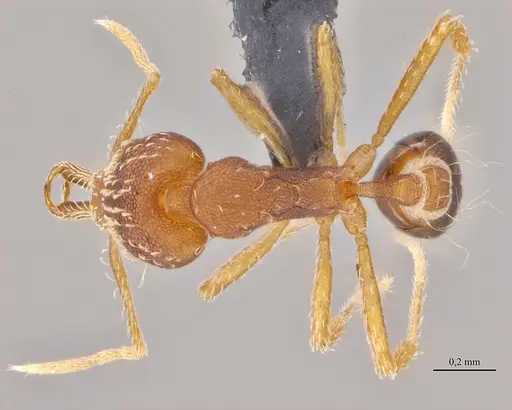
ANTWEB1038937
View on AntWeb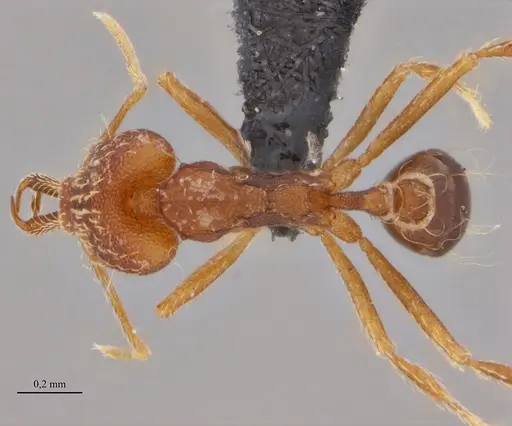
ANTWEB1038981
View on AntWeb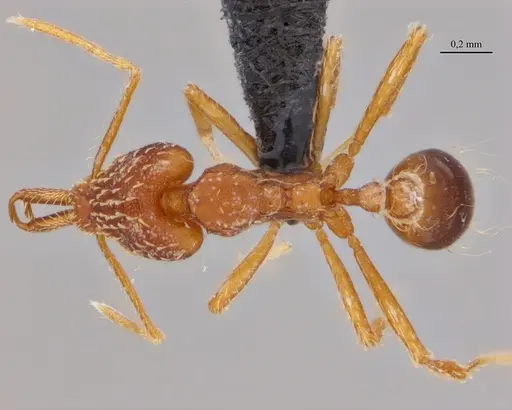
ANTWEB1053275
View on AntWeb
ANTWEB1053281
View on AntWeb
ANTWEB1053282
View on AntWeb
CASENT0178125
View on AntWeb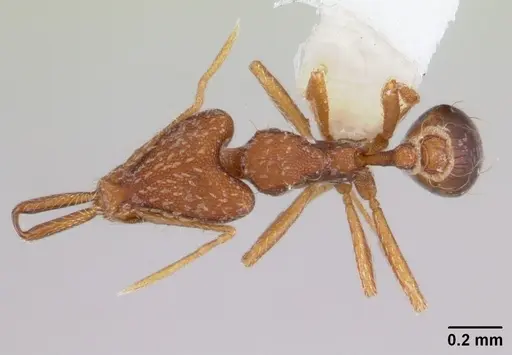
CASENT0374675
View on AntWeb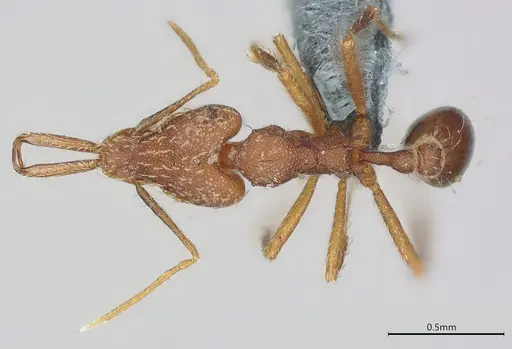
CASENT0643519
View on AntWeb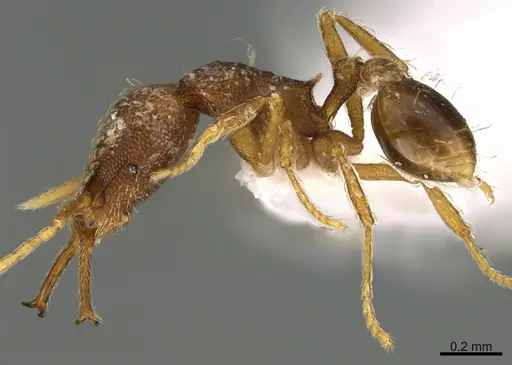
CASENT0900445
View on AntWeb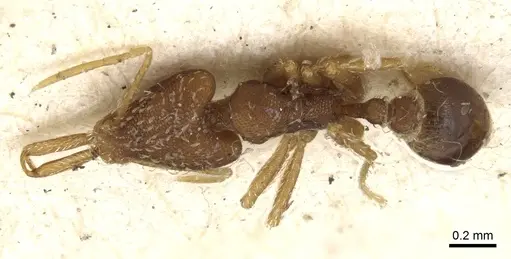
CASENT0914734
View on AntWeb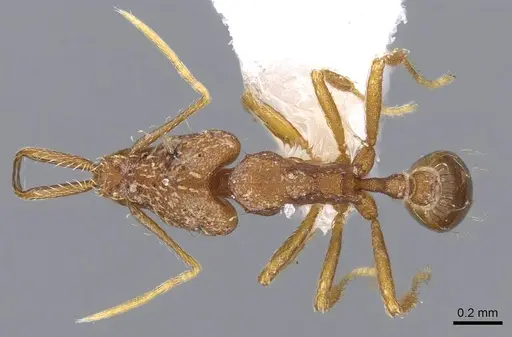
CASENT0914735
View on AntWeb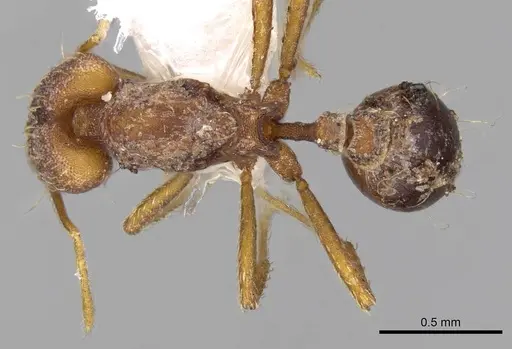
CASENT0915691
View on AntWeb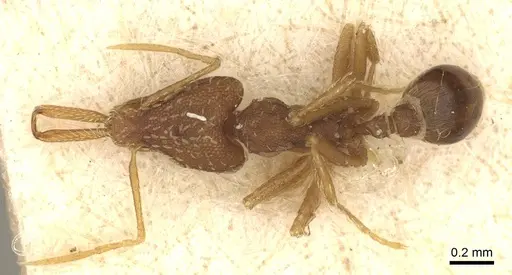
CASENT0916681
View on AntWeb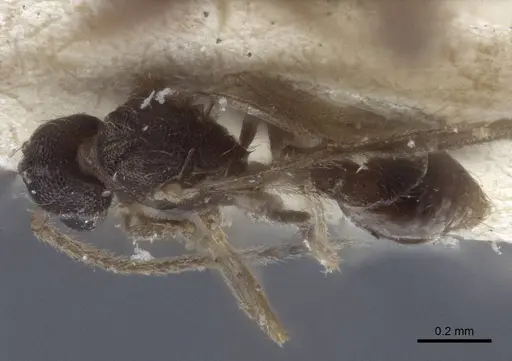
CASENT4036192
View on AntWeb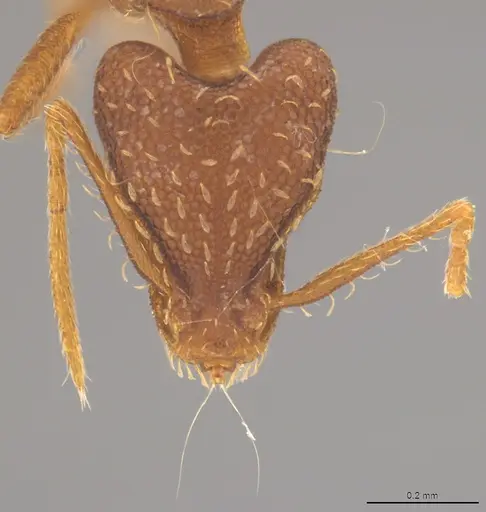
ECOFOG-IT14-0968-33
View on AntWeb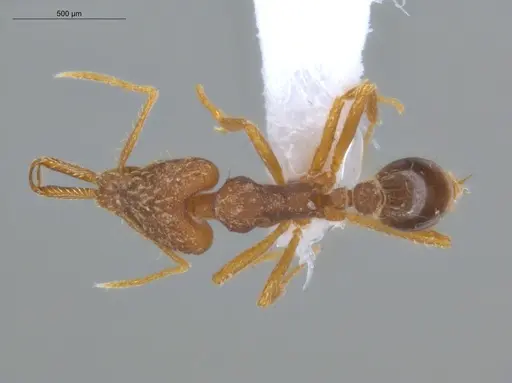
FOCOL2162
View on AntWeb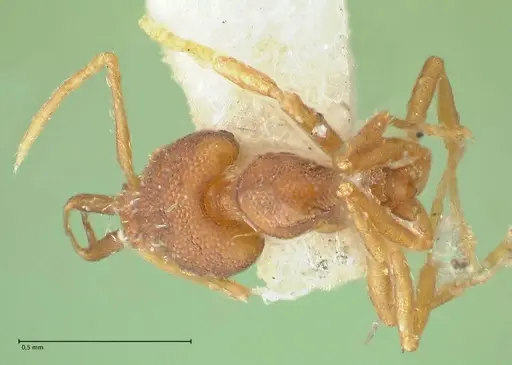
IAVH-E-222789
View on AntWeb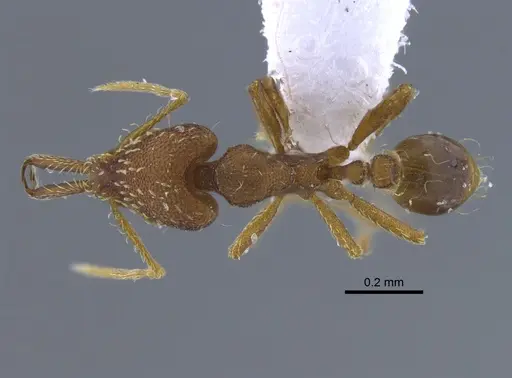
INBIOCRI002281500
View on AntWeb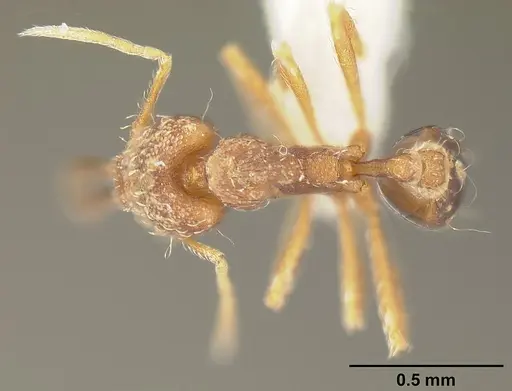
USNMENT00442326
View on AntWeb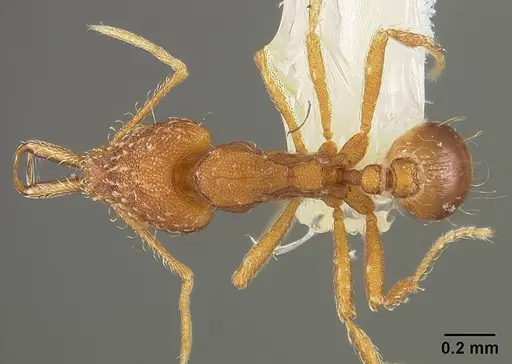
Literature
Loading...Loading products...