

Strumigenys rukha
- Scientific Name
- Strumigenys rukha
- Tribe
- Attini
- Subfamily
- Myrmicinae
- Author
- Bolton, 1983
- Distribution
- Found in 5 countries
Strumigenys rukha Overview
Strumigenys rukha is an ant species of the genus Strumigenys. It is primarily documented in 5 countries , including Congo, Democratic Republic of the, Kenya. Detailed taxonomic data and occurrence records can be further explored via authoritative databases such as AntWeb or the Global Biodiversity Information Facility (GBIF).
Strumigenys rukha
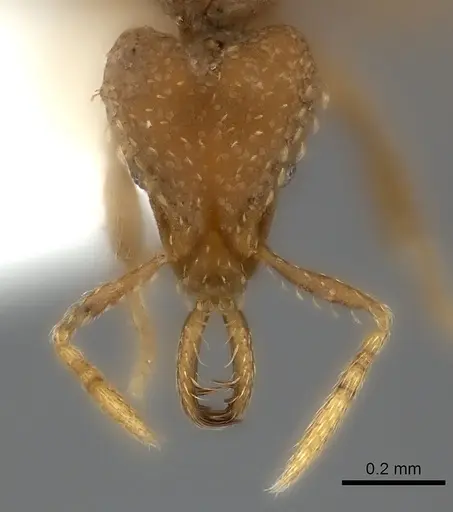
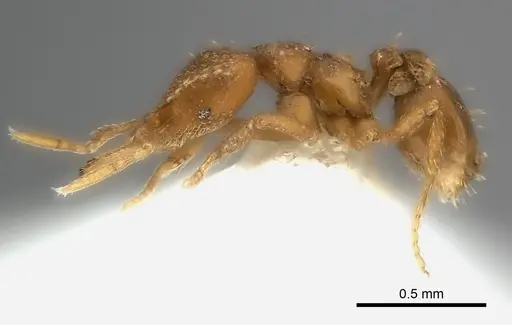
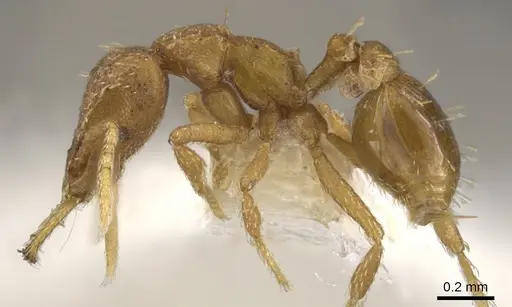
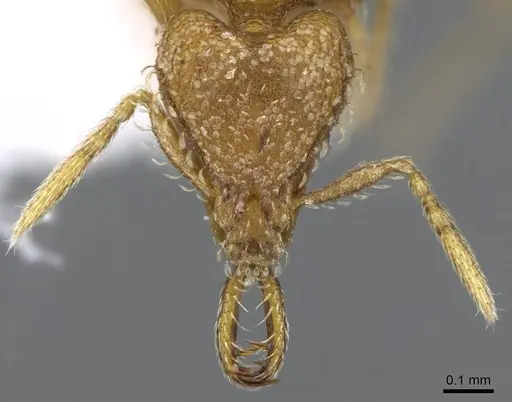
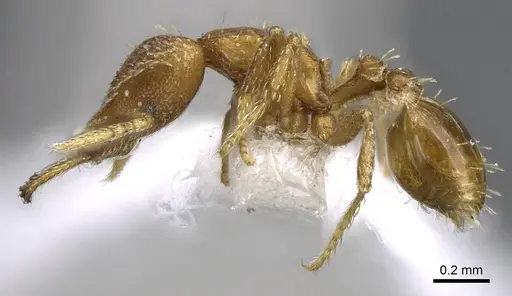
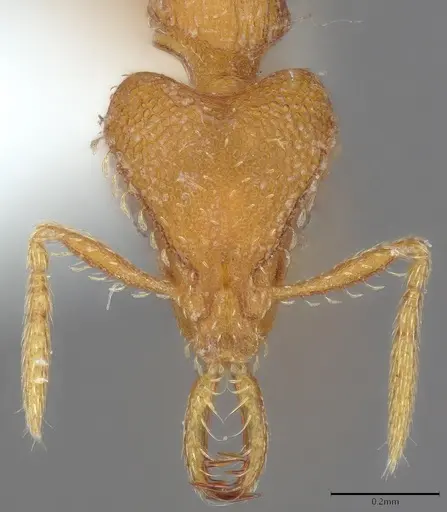
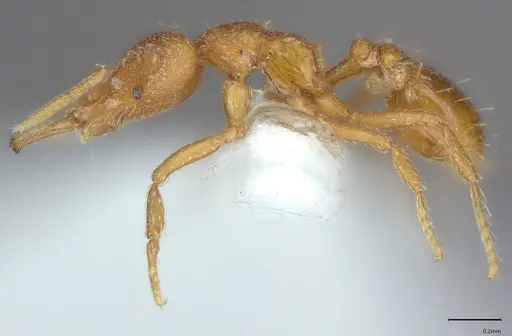
Strumigenys rukha is a tiny yellow ant species native to East Africa, found in Kenya, Rwanda, and Uganda. Workers measure just 2.3-2.4mm in total length, making them one of the smaller ant species you'll encounter in the hobby . They belong to the Strumigenys scotti group and have distinctive trap-jaw mandibles with specialized teeth for catching small prey. The species was first described by Bolton in 1983 and has been collected in various forest habitats including litter samples, under stones, and in soil .
These ants are predatory, using their trap-jaw mandibles to capture tiny prey like springtails. They have well-developed spongiform appendages on their petiole and postpetiole, which help them navigate through their forest floor environment. The yellow coloration and small size make them subtle but fascinating inhabitants of the leaf litter layer in African rainforests .
Quick Summary
- Difficulty: Hard
- Origin & Habitat: Found in East African forests across Kenya, Rwanda, and Uganda at elevations around 1550m. They live in leaf litter, under stones, and in soil in forest habitats [1][2].
- Colony Type: Colony structure is not well documented in scientific literature. Queens have been described but colony founding behavior is unconfirmed.
- Size & Growth:
- Queen: Undescribed in detail, queens are likely slightly larger than workers
- Worker: 2.3-2.4mm total length, HL 0.57-0.60mm, HW 0.44-0.46mm
- Colony: Unknown, likely small colonies typical of litter-dwelling Strumigenys species
- Growth: Slow, based on typical Strumigenys development patterns
- Development: Estimated 8-12 weeks based on related Strumigenys species and their small size (Development is likely slow given their tiny size and forest floor habitat. Temperature affects development significantly.)
- Antkeeping:
- Temperature: Keep around 20-24°C. Based on their East African forest habitat at moderate elevations, they prefer cooler conditions than tropical lowland species. Avoid overheating .
- Humidity: High humidity required, think damp forest floor. Keep the nest substrate consistently moist but not waterlogged. Provide a humidity gradient so ants can choose their preferred zone.
- Diapause: Likely not required, being from equatorial East Africa, they probably don't need a true hibernation. However, a slight cool period during the dry season may be beneficial.
- Nesting: Y-tong (AAC) nests or test tubes work well. These tiny ants need tight chambers and narrow passages. Provide connections to a humid outworld. Naturalistic setups with leaf litter and soil also work.
- Behavior: These are shy, slow-moving ants that spend most of their time in the nest or foraging carefully through the substrate. They are not aggressive and will flee rather than fight. Their trap-jaw mandibles are used for catching tiny prey, not for defense. Escape prevention is critical due to their very small size, they can squeeze through the tiniest gaps. They are not known to sting.
- Common Issues: escape prevention is critical, they are tiny and can squeeze through gaps that seem impossible, slow growth means colonies develop slowly and beginners may lose patience, they need live prey, won't accept dead food easily, high humidity requirements can lead to mold problems if ventilation is poor, wild-caught colonies may have parasites that kill them in captivity
Housing and Nest Setup
Strumigenys rukha are tiny ants that need carefully designed housing. A Y-tong (AAC) nest with narrow chambers works well, or you can use a test tube setup with a small outworld. The chambers should be tight, these ants feel secure in small spaces. Because of their minute size, escape prevention must be excellent. Use fine mesh on any ventilation holes and ensure all connections are sealed. A small outworld with a foraging area is sufficient, they don't need much space. Add some leaf litter or small debris to the outworld to mimic their natural forest floor habitat .
Feeding and Diet
These are predatory ants that specialize in catching tiny prey. Their main food should be live springtails, this is essential for their survival. They may also accept other micro-arthropods like small mites and tiny isopods. Strumigenys have trap-jaw mandibles designed for catching small, fast-moving prey, so they need live food that moves. They are unlikely to accept dead prey or sugar sources. Feed springtails or other live micro-prey every few days, removing any uneaten prey to prevent mold. A constant water source should be available, a small water tube with cotton works well .
Temperature and Humidity
Keep your colony at 20-24°C. Based on their collection at 1550m elevation in East African forests, they prefer cooler temperatures than typical tropical ants. Avoid temperatures above 26°C as this can stress and kill them. Humidity should be high, aim for 70-80% relative humidity in the nest area. The substrate should feel damp but not soggy. Use a humidity gradient so ants can move between wetter and drier areas. Good ventilation is important to prevent mold, but avoid excessive airflow that dries out the nest. A small amount of ventilation holes covered with fine mesh works well [1][2].
Colony Development
Colony development is slow. Queens lay small numbers of eggs, and the larvae develop slowly over several months. First workers (nanitics) will be very small and may take 2-3 months or longer to emerge. Colonies likely remain small, probably under 100 workers even in mature colonies. This is typical of litter-dwelling Strumigenys species. Be patient with these ants, they are long-lived but slow-growing. Don't disturb the nest frequently as this can stress the colony. Once established, they are relatively hardy but grow very gradually .
Handling and Observation
These ants are not handleable in any meaningful way, they are too small and fragile. Observation is best done through the nest walls. They are non-aggressive and will not bite or sting. If you need to move them, the best approach is to wait for them to walk into a test tube or small container rather than picking them up. When cleaning the outworld, use gentle methods and give them time to move away from any debris you remove. Their slow movement makes them fascinating to watch as they carefully forage and tend to their brood .
Frequently Asked Questions
How long does it take for Strumigenys rukha to produce first workers?
Expect 8-12 weeks from egg to first worker at optimal temperature (around 22°C). Development is slow, and first workers (nanitics) will be very small. Be patient, these ants grow gradually over many months .
What do Strumigenys rukha ants eat?
They need live prey, primarily springtails. These tiny predatory ants use their trap-jaw mandibles to catch small moving prey. They are unlikely to accept dead food or sugar. Live springtails should be their primary food source .
Can I keep Strumigenys rukha in a test tube?
Yes, test tubes work well for starting colonies. Use a small test tube with a water reservoir and cotton plug. Make sure to use fine mesh on any ventilation and seal all connections tightly, these tiny ants can escape through almost invisible gaps .
Do Strumigenys rukha ants need hibernation?
Probably not. Being from equatorial East Africa (Kenya, Rwanda, Uganda), they likely don't need a true hibernation. However, a slight cool period during the dry season may be natural. Keep them at stable temperatures around 20-24°C year-round [1][2].
Are Strumigenys rukha good for beginners?
No, they are considered difficult. Their tiny size makes housing and escape prevention challenging. They need live prey, which is more difficult to provide than standard ant foods. Slow growth can also be frustrating for new keepers. They are better suited for experienced antkeepers .
How big do Strumigenys rukha colonies get?
Likely small, probably under 100 workers even in mature colonies. This is typical of litter-dwelling Strumigenys species. They are long-lived but slow-growing, and colonies remain modest in size .
What temperature should I keep Strumigenys rukha at?
Keep them at 20-24°C. Based on their collection at 1550m elevation in East African forests, they prefer cooler conditions than typical tropical ants. Avoid temperatures above 26°C [1][2].
Why are my Strumigenys rukha dying?
Common causes include: escape (check for tiny gaps), stress from overheating (keep below 26°C), mold from excessive humidity without ventilation, and lack of live prey. Make sure they have springtails and proper humidity levels. Wild-caught colonies may also have parasites .
When should I move Strumigenys rukha to a formicarium?
Wait until the colony has at least 20-30 workers and is actively foraging. For small colonies, a test tube setup is often better than a large formicarium. Only move to a larger nest when the colony has outgrown its current housing .
References

This caresheet is licensed under CC BY-SA 4.0 .
CASENT0102151
View on AntWeb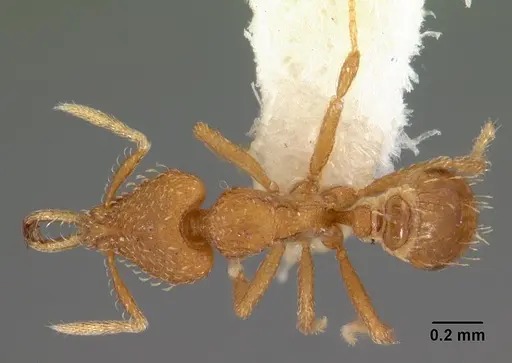
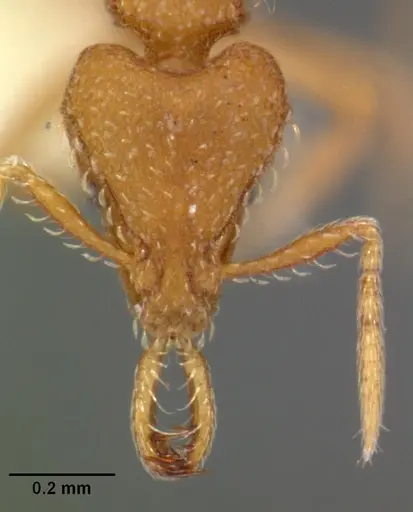
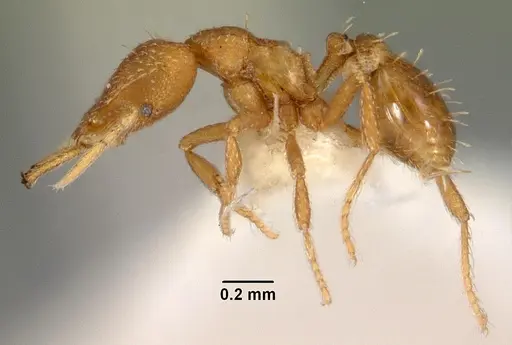
CASENT0102617
View on AntWeb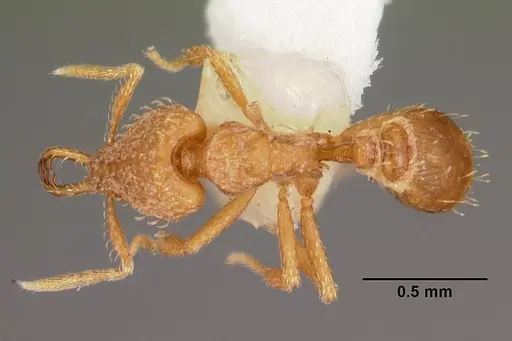
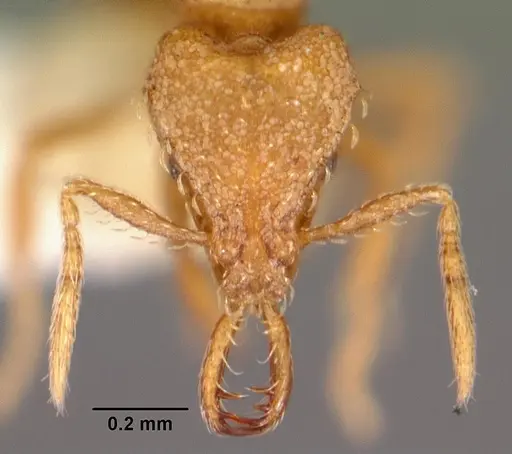
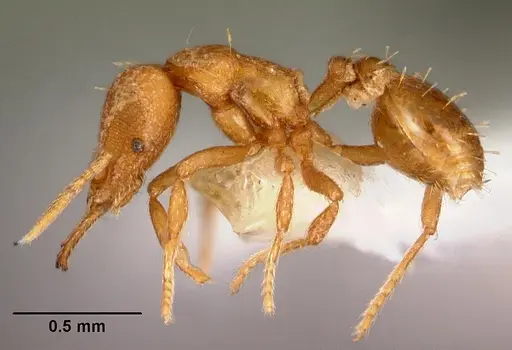
CASENT0178325
View on AntWeb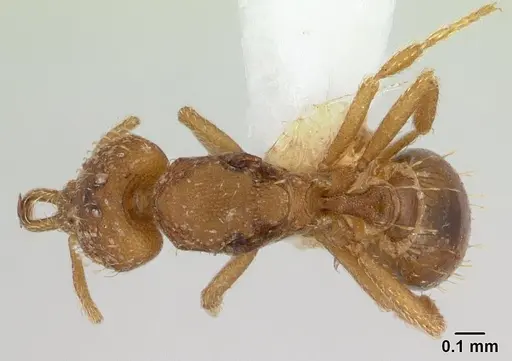
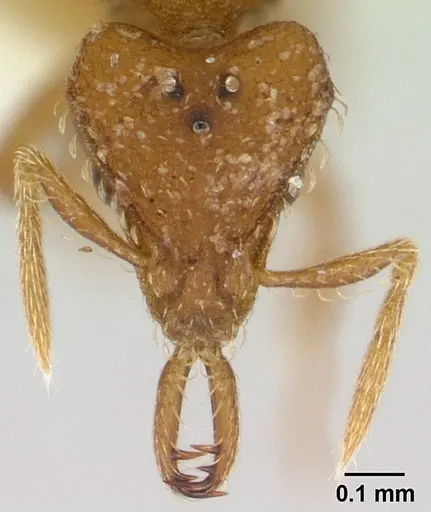
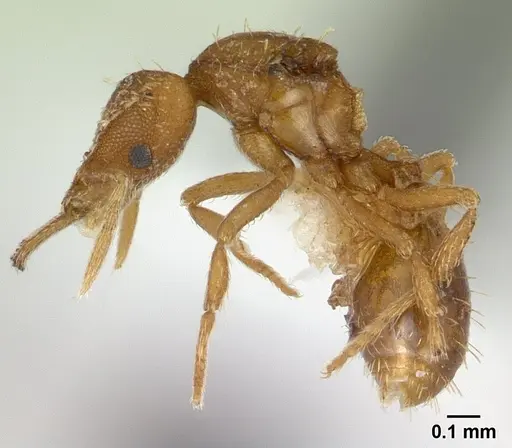
CASENT0178326
View on AntWeb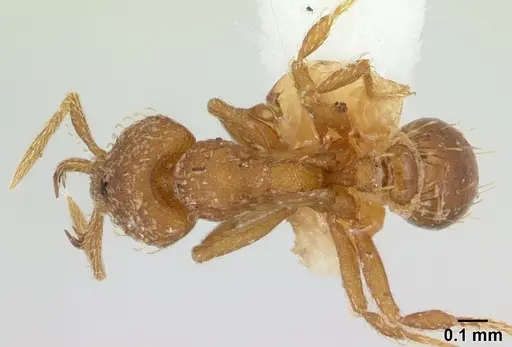
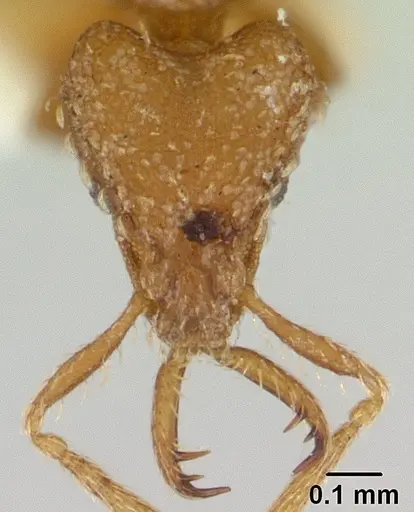
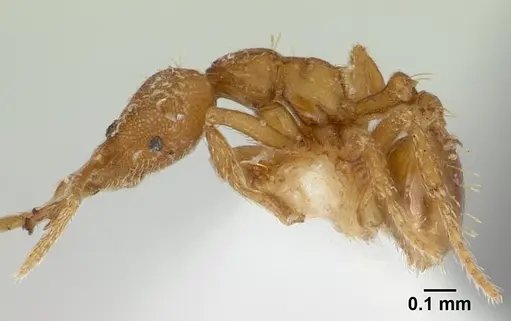
CASENT0217185
View on AntWeb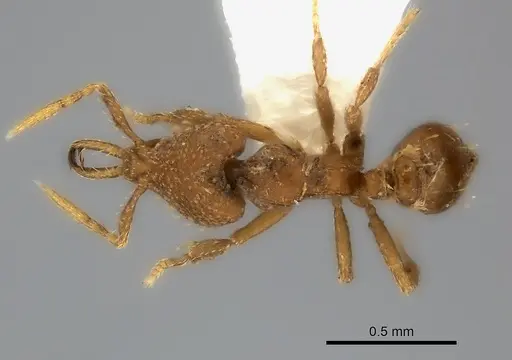
CASENT0353668
View on AntWeb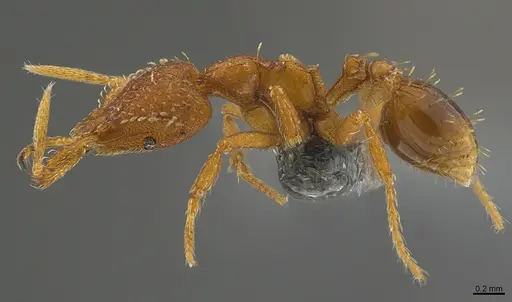
CASENT0358330
View on AntWeb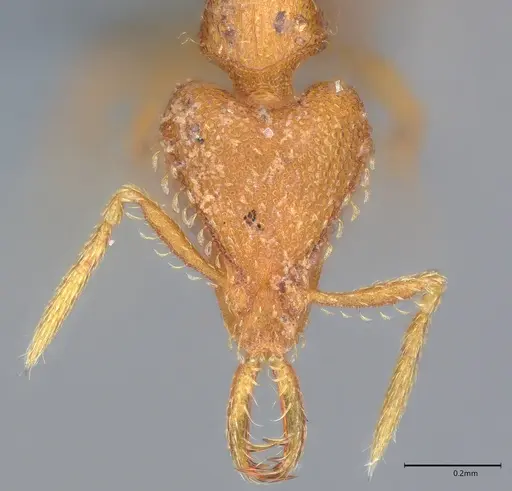
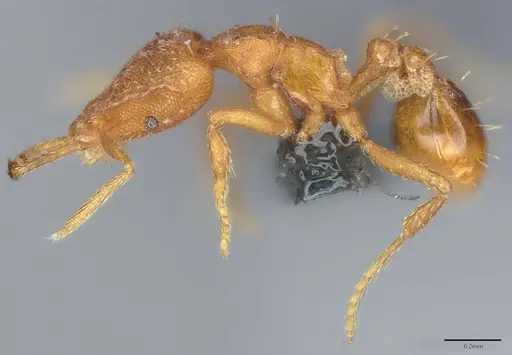
CASENT0900606
View on AntWeb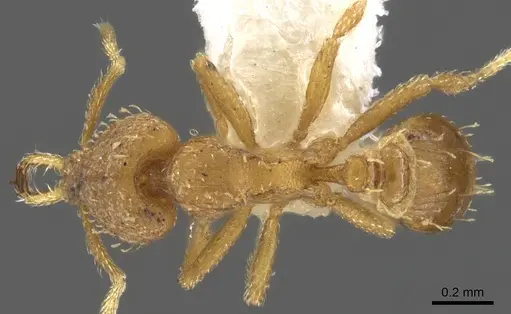
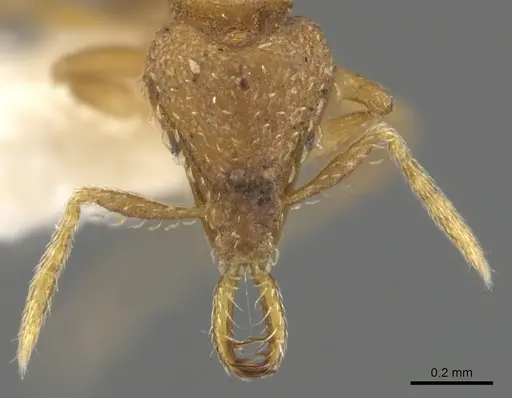
CASENT0914776
View on AntWeb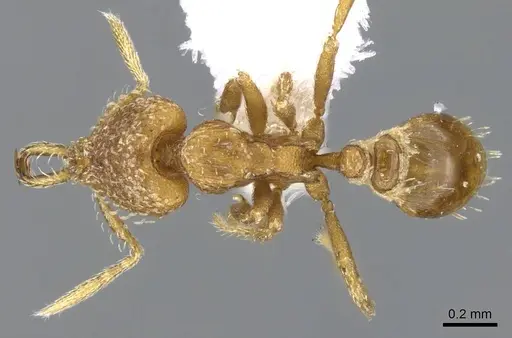
CASENT4036270
View on AntWeb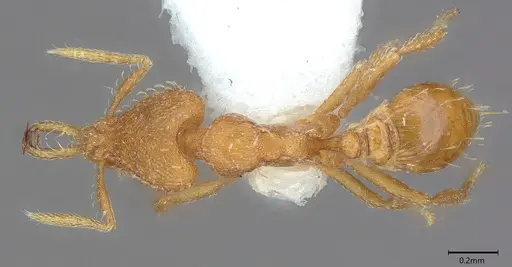
Literature
Loading...Loading products...