

Strumigenys rogata
- Scientific Name
- Strumigenys rogata
- Tribe
- Attini
- Subfamily
- Myrmicinae
- Author
- Bolton, 2000
- Distribution
- Found in 5 countries
Strumigenys rogata Overview
Strumigenys rogata is an ant species of the genus Strumigenys. It is primarily documented in 5 countries , including Costa Rica, Guatemala, Honduras. Detailed taxonomic data and occurrence records can be further explored via authoritative databases such as AntWeb or the Global Biodiversity Information Facility (GBIF).
Strumigenys rogata
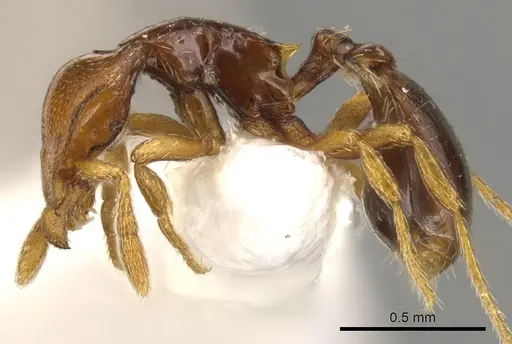
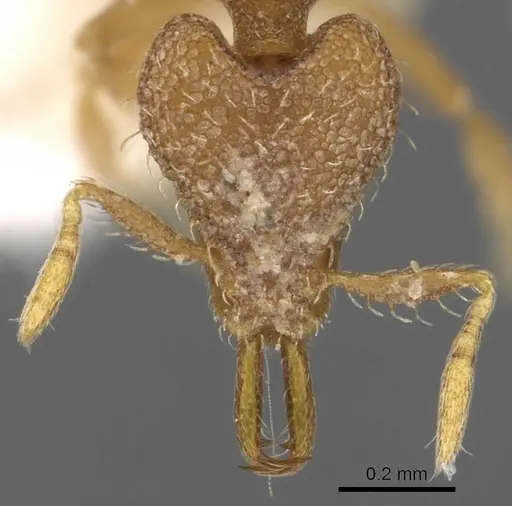
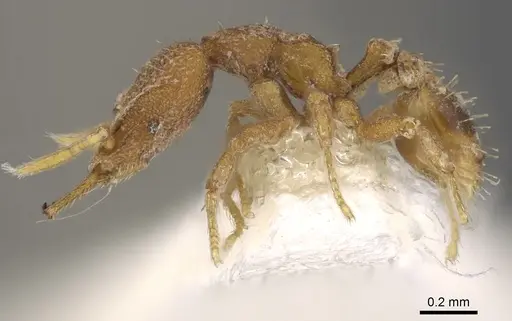
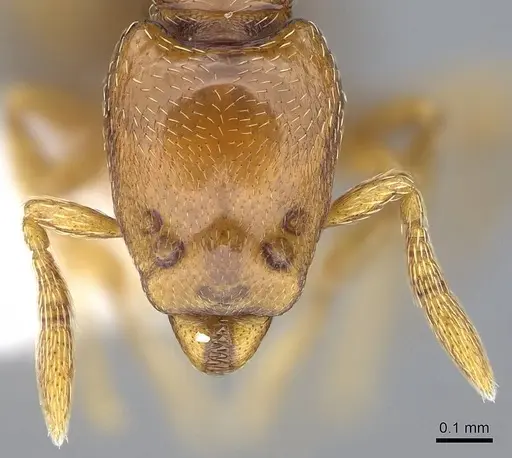
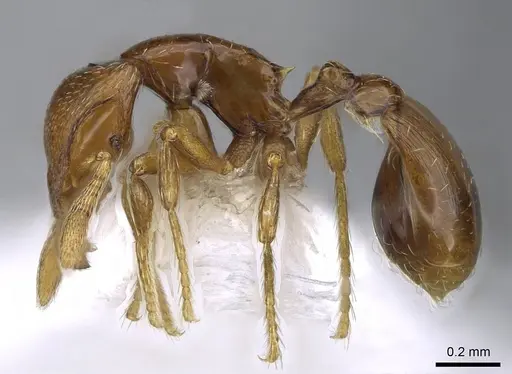
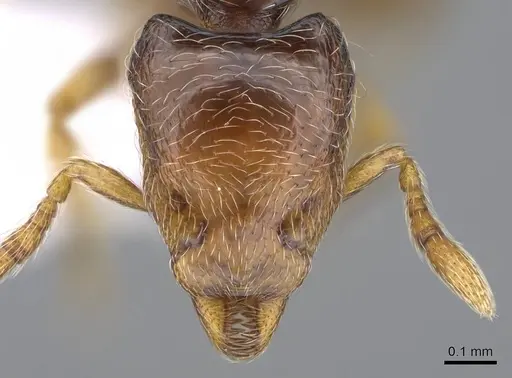
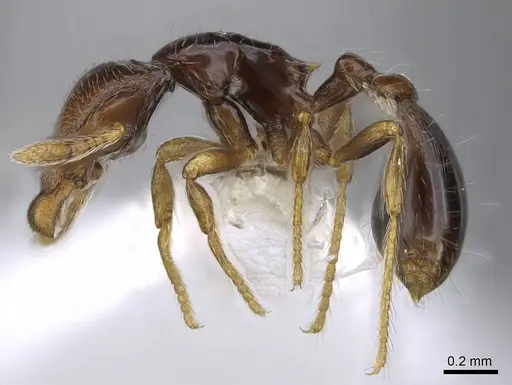
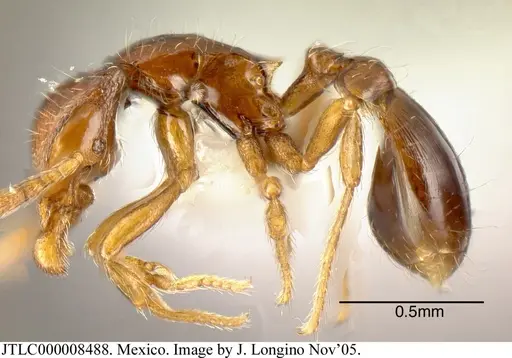
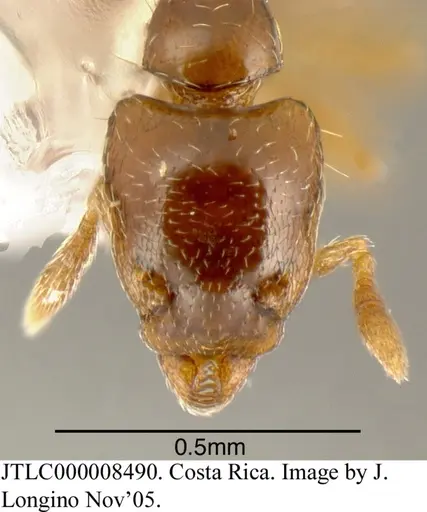
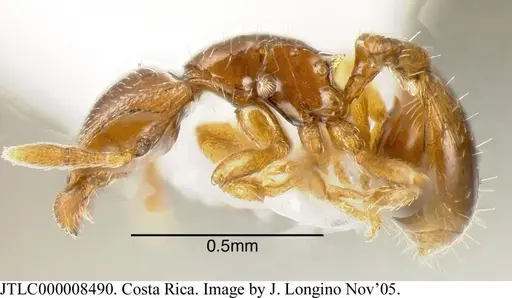
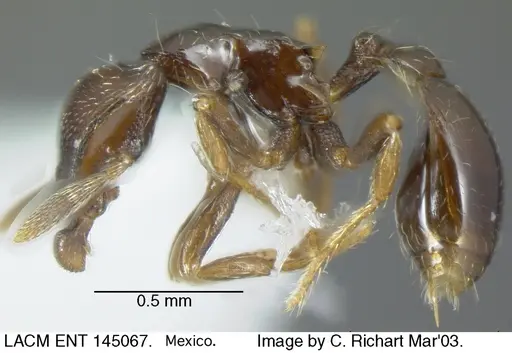
Strumigenys rogata is a remarkably tiny predatory ant, measuring just 2.2-2.3mm in total length. Workers have a distinctive appearance with a short, downward-curving mandible, smooth and shining head and alitrunk, and propodeal spines present. The species belongs to the azteca-complex within the Strumigenys excisa group, characterized by a shallow, evenly convex indentation on the lateral outline of the head and sparse pilosity compared to related species like S. turpis [1]. These ants are cryptically colored, typical of leaf-litter dwelling ants, making them difficult to spot despite their presence in suitable habitat.
This species inhabits tropical and subtropical forests from southern Mexico through Guatemala and Honduras to Costa Rica, found across a wide elevation range from lowland to highland sites [2]. The vast majority of specimens have been collected from leaf litter samples using Winkler extraction methods, indicating they are ground-dwelling litter ants that forage in the dark, humid micro-environment beneath the forest floor [3]. Their extremely small size and cryptic lifestyle make them one of the more challenging ant species to locate and study in the field.
Quick Summary
- Difficulty: Expert
- Origin & Habitat: Tropical and subtropical forests from southern Mexico to Costa Rica, including Guatemala and Honduras. Found from lowland to highland elevations in various forest types, typically in leaf litter [2][4].
- Colony Type: Colony structure is unconfirmed. Based on related Strumigenys species, likely single-queen colonies but this requires confirmation.
- Size & Growth:
- Queen: Undescribed, queen size not documented in available literature
- Worker: 2.2-2.3mm total length, HL 0.58-0.62mm, HW 0.48-0.53mm, SL 0.23-0.26mm
- Colony: Unknown, no colony size data available. Related species typically form small colonies of fewer than 100 workers.
- Growth: Likely slow, based on typical patterns for small predatory litter ants
- Development: Estimated 8-12 weeks at optimal temperature, based on typical Strumigenys development patterns (Direct development data unavailable, estimates based on genus-level patterns for small Myrmicinae predators)
- Antkeeping:
- Temperature: Keep at 22-26°C, mimicking warm tropical forest floor conditions. Avoid temperatures below 20°C or above 30°C. Provide a gentle thermal gradient if possible.
- Humidity: High humidity is essential, these ants live in leaf litter where conditions are constantly damp. Keep nest substrate consistently moist but not waterlogged. Aim for 70-85% relative humidity with good ventilation to prevent mold.
- Diapause: Unlikely, as a tropical species, they probably do not require a true diapause. However, they may show reduced activity during cooler or drier seasons in their native range.
- Nesting: Provide a naturalistic setup with moist substrate (soil/peat mix) or a well-humidified acrylic/plaster nest. Their tiny size and litter-dwelling nature mean they need tight chambers and very small foraging areas. Test tubes with cotton-plugged water reservoirs can work but require careful humidity management.
- Behavior: Strumigenys rogata is a specialized predator that hunts micro-arthropods in leaf litter. Like other Strumigenys, they likely use their short, curved mandibles to capture prey efficiently. They are not aggressive toward larger threats and will flee rather than engage. Escape prevention is absolutely critical, their tiny size allows them to squeeze through gaps that would hold larger ants. They are slow-moving and cryptic, spending most of their time in the humid micro-habitat of the nest chamber. Activity patterns are likely diurnal but concentrated in the humid hours.
- Common Issues: escape prevention is critical, they are extremely small and can slip through standard barrier setups, high humidity requirements can lead to mold problems if ventilation is inadequate, slow colony growth tests keeper patience, small colonies develop very gradually, lack of available prey items, they require tiny live prey like springtails and micro-arthropods, difficulty establishing wild-caught colonies, stress from collection and transport often proves fatal
Housing and Nest Setup
Housing Strumigenys rogata presents unique challenges due to their minute size and humidity requirements. The best approach is a naturalistic setup with a deep layer of moist substrate (a mix of soil, peat, and rotting leaves works well) that mimics their natural leaf-litter habitat. Alternatively, a well-humidified acrylic or plaster nest with small chambers can work, but you must ensure the chambers are appropriately scaled to their tiny 2mm body size.
Test tube setups are possible but require careful management. Use a small-diameter tube (not standard size) with a cotton-plugged water reservoir. Cover the tube with a dark cloth to simulate the dark conditions they naturally inhabit. Regardless of setup, escape prevention must be excellent, these ants are so small they can slip through standard mesh barriers. Apply Fluon or similar barriers to all edges and use fine mesh (at least 0.5mm or smaller) on any ventilation holes. A hydration station (small piece of damp cotton) can provide drinking water without creating drowning risk. [3][2]
Feeding and Diet
Strumigenys rogata is a specialized predatory ant that hunts micro-arthropods in nature. Their primary food source should be tiny live prey, springtails are ideal and should form the bulk of their diet. Other accepted prey may include minute soil mites, tiny booklice (psocids), and other micro-arthropods that naturally occur in leaf litter.
Do not rely on sugar sources or larger prey items. These ants are obligate predators with mandibles adapted for catching small, soft-bodied invertebrates. Offer prey items every 2-3 days, removing any uneaten prey after 24 hours to prevent mold. A well-established culture of springtails is essential before acquiring this species, you cannot reliably source their natural prey from pet stores. Some keepers report success with fruit fly cultures (Drosophila) offered as occasional variety, but springtails should be the staple. [4]
Temperature and Seasonal Care
Maintain temperatures in the range of 22-26°C. This species comes from tropical and subtropical forests in Central America where year-round temperatures are warm. A heating cable or mat on one side of the nest can create a thermal gradient, allowing the ants to self-regulate. Avoid temperatures below 20°C as this could stress the colony, and never exceed 30°C.
As a tropical species, they likely do not require a true diapause. However, minor seasonal variations in activity are possible if your room temperature fluctuates with the seasons. Do not deliberately cool them for winter unless you observe clear signs of stress from warmth. The most important factor is stability, avoid sudden temperature changes that could shock the colony. [2]
Handling and Observation
Observing Strumigenys rogata requires patience and the right setup. These are cryptic, slow-moving ants that spend most of their time in humid, dark micro-habitats. A naturalistic setup with a clear observation panel allows you to watch foraging behavior without disturbing the colony. Red film or dark lighting helps, as these ants are not adapted to bright conditions.
When working with the colony, minimize disturbances. Unlike larger ants that you might handle directly, these tiny insects are extremely fragile. If you need to move them, use soft brushes or allow them to walk onto transfer tools rather than grabbing them. They have no functional stinger and pose no danger to keepers, their primary defense is remaining undetected.
Acquisition and Quarantine
Strumigenys rogata is not a common species in the antkeeping hobby and is unlikely to be available from commercial breeders. If you locate a wild colony, collect entire nest fragments with soil to minimize disturbance. Quarantine new colonies carefully, wild-caught ants may carry parasites or pathogens that can devastate small colonies. Keep new arrivals isolated for several weeks and monitor for signs of illness before introducing them to any existing ant collections.
Given the difficulty of establishing this species in captivity, only experienced antkeepers should attempt to keep Strumigenys rogata. Their specialized diet, humidity requirements, and slow growth make them a challenging species even for advanced keepers. [3]
Frequently Asked Questions
How long does it take for Strumigenys rogata to produce first workers?
Exact development time is unknown, but based on typical Strumigenys patterns and their small size, expect 8-12 weeks from egg to worker at optimal temperature (24-26°C). Growth will be slow, these are tiny ants with small colonies.
Can I keep Strumigenys rogata in a test tube?
Yes, a test tube setup can work but requires careful humidity management. Use a small-diameter tube with a cotton-plugged water reservoir, keep it covered to block light, and apply excellent escape prevention. However, a naturalistic setup with moist substrate is preferable for long-term success.
What do Strumigenys rogata ants eat?
They are specialized predators that need tiny live prey. Springtails should be their primary food, establish a springtail culture before acquiring this species. They do not typically accept sugar water or larger insects.
Are Strumigenys rogata ants dangerous?
No, they pose no danger to humans. They are tiny predatory ants with no functional stinger. Their small size and cryptic nature mean they avoid confrontation rather than engage threats.
Do Strumigenys rogata need hibernation?
No, they are tropical ants that do not require a diapause. Keep them at stable warm temperatures (22-26°C) year-round. They may show reduced activity during cooler periods but should not be deliberately cooled.
How big do Strumigenys rogata colonies get?
Colony size is not documented in scientific literature, but based on related Strumigenys species, colonies likely remain small, probably fewer than 100 workers even at maturity. They are not large colony builders.
Why are my Strumigenys rogata dying?
Common causes include: escape (their tiny size makes escape likely without excellent barriers), low humidity (they need consistently damp conditions), lack of appropriate prey (they must have tiny live springtails or micro-arthropods), and stress from disturbance. Check these factors first.
Are Strumigenys rogata good for beginners?
No, this is an expert-level species. Their tiny size, specialized diet (requiring live springtail cultures), high humidity needs, and slow growth make them challenging even for experienced antkeepers. They are not recommended for beginners.
What temperature should I keep Strumigenys rogata at?
Keep them at 22-26°C, ideally around 24°C. This mimics their natural tropical forest floor habitat. Avoid temperatures below 20°C or above 30°C. A gentle thermal gradient allows the colony to self-regulate.
When should I move Strumigenys rogata to a formicarium?
Move them only when the test tube or initial setup becomes too crowded or dries out. However, given their humidity requirements and tiny size, keeping them in a well-maintained test tube or naturalistic setup long-term is often more successful than moving to a standard formicarium.
References

This caresheet is licensed under CC BY-SA 4.0 .
CASENT0603530
View on AntWeb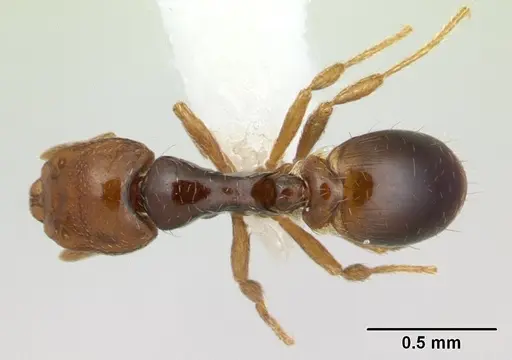
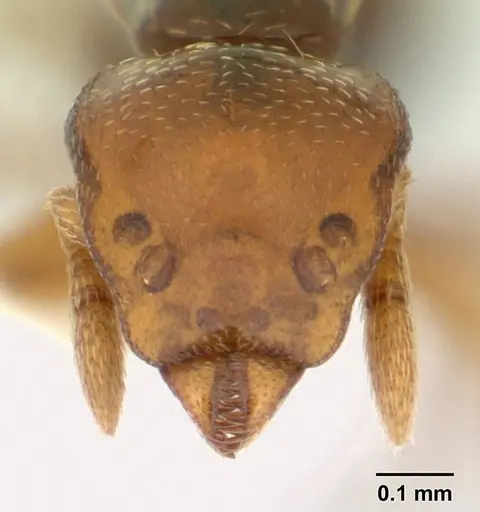
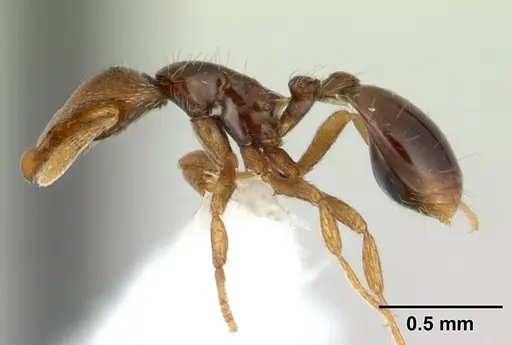
CASENT0640907
View on AntWeb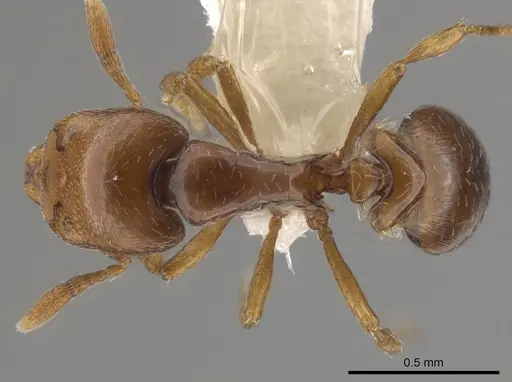
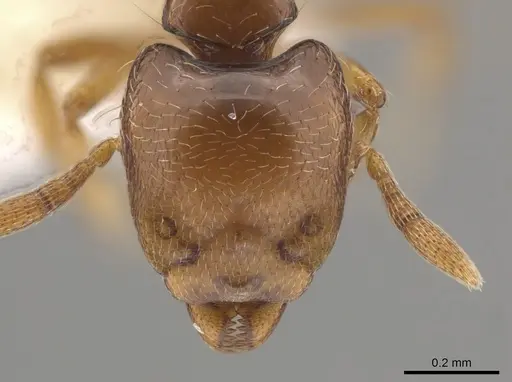
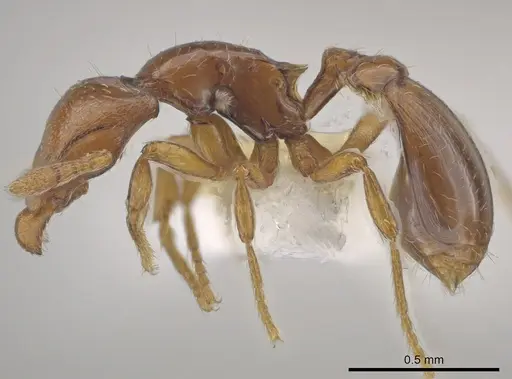
CASENT0900210
View on AntWeb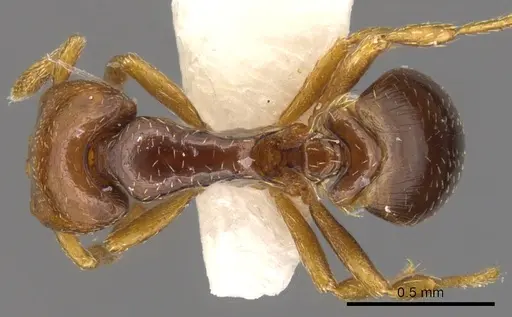
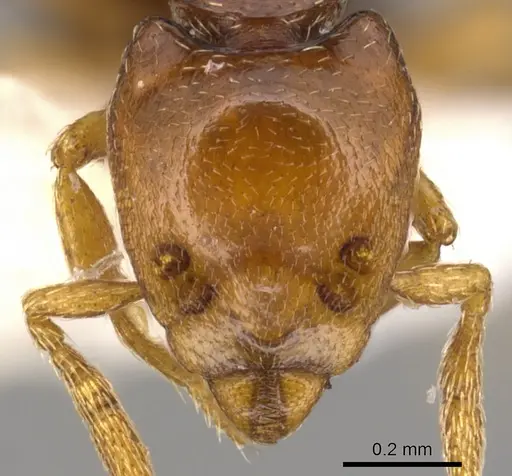
CASENT0900885
View on AntWeb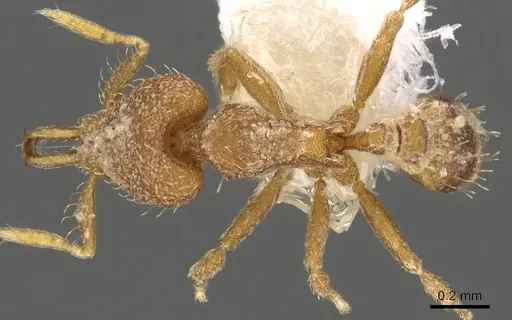
CASENT0914610
View on AntWeb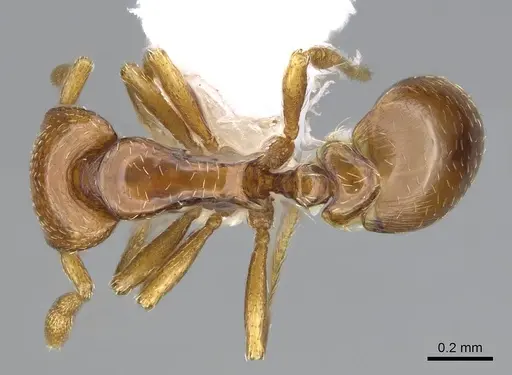
CASENT0914611
View on AntWeb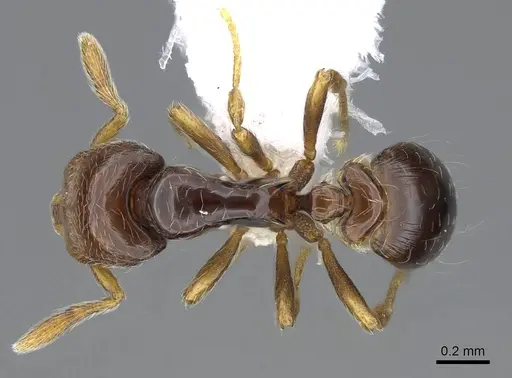
JTLC000008488
View on AntWeb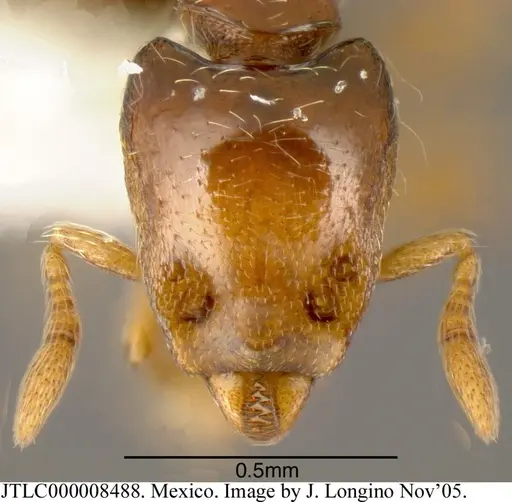
JTLC000008490
View on AntWeb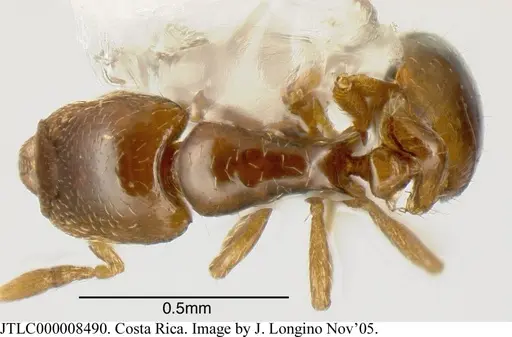
LACMENT145067
View on AntWeb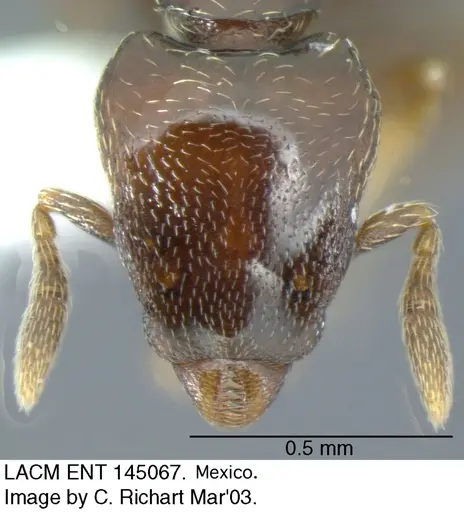
Literature
Loading...Loading products...