

Strumigenys excisa
- Scientific Name
- Strumigenys excisa
- Tribe
- Attini
- Subfamily
- Myrmicinae
- Author
- Weber, 1934
- Distribution
- Found in 5 countries
Strumigenys excisa Overview
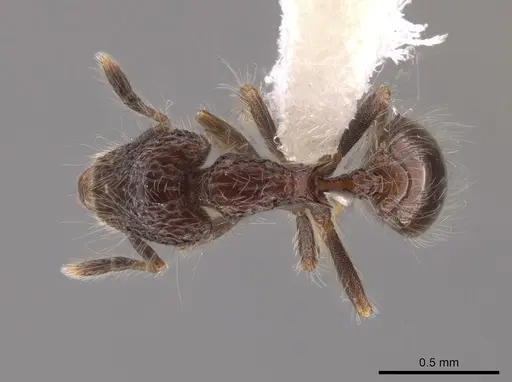
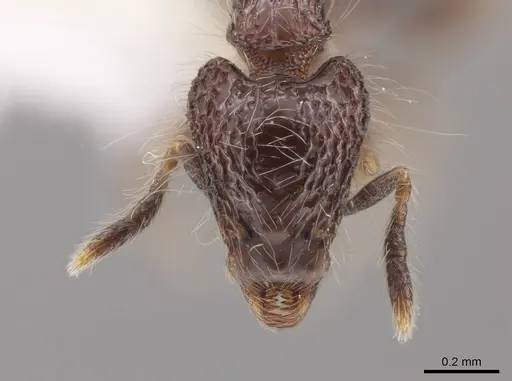
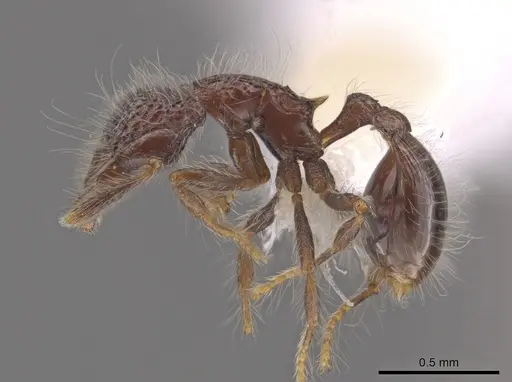
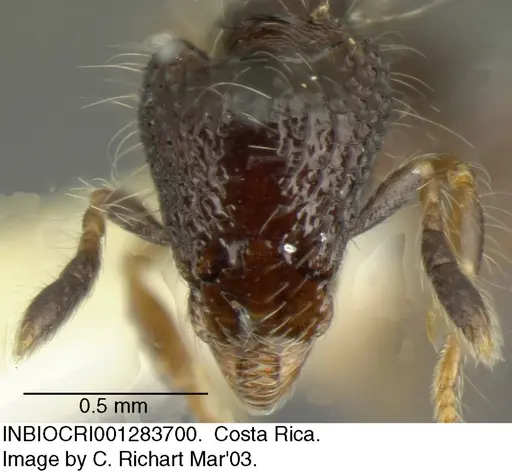
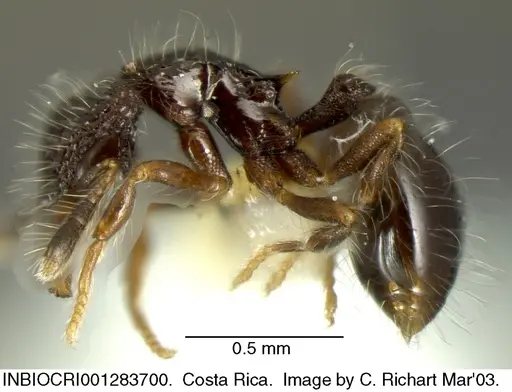
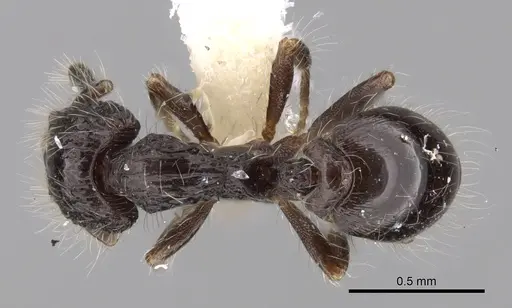
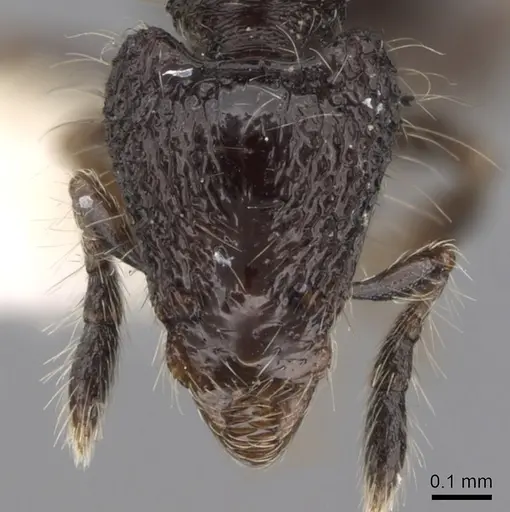
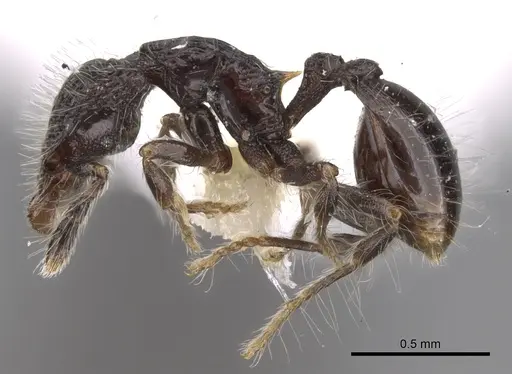
Strumigenys excisa is an ant species of the genus Strumigenys. It is primarily documented in 5 countries , including Costa Rica, Guatemala, Honduras. Detailed taxonomic data and occurrence records can be further explored via authoritative databases such as AntWeb or the Global Biodiversity Information Facility (GBIF).
Strumigenys excisa - "Miniature Trap-Jaw Ant"
Strumigenys excisa is a tiny and cryptic ant species, part of a larger genus known for its specialized, trap-jaw mandibles. These ants are small, often ranging from 0.8 mm to 3 mm, and typically appear in shades of brown, yellow, or gray, sometimes with small hairs or bristles giving them a somewhat fuzzy look. They are primarily found in moist, warm microhabitats and are specialized predators of small arthropods, particularly springtails, which they ambush with their fast, precision jaws. When disturbed, these ants often freeze and remain motionless, a unique defensive behavior.
- Difficulty: Medium
- Origin & Habitat: Neotropical Region (Central and South America), including Nicaragua and Costa Rica. in Moist, warm habitats, specifically wet forest leaf litter, humus, and decaying wood on the forest floor. They can also be found in soil and under rocks or logs..
- Colony Type: Monogyne, claustral founding.
- Size & Growth:
- Queen: Not specified
- Worker: 0.8-3.0mm
- Colony: Small (tens to hundreds). Slow growth.
- Antkeeping:
- Temperature: Maintain a temperature range between 22°C and 26°C (72-79°F). Avoid extreme fluctuations..
- Humidity: High humidity levels are crucial, ideally between 60-80%..
- Diapause: Not required. Not specified at Not specified.
- Nesting: Small formicariums with easy-to-access chambers are recommended. Naturalistic setups mimicking their leaf litter habitat are preferred. They will nest in soil, decaying wood, or opportunistically use small cavities..
- Behavior: Low (towards handler, primarily defensive with prey) aggressiveness.
- Common Issues: Difficulty in providing consistent live micro-prey (springtails), Maintaining high, stable humidity without mold, Small colony size leading to perceived slow progress, Queen stress during founding if not fed properly, Mites (especially in humid setups).
Keeping Strumigenys excisa can be a rewarding endeavor for the dedicated antkeeper, but it's important to understand their specialized needs right from the start. These miniature trap-jaw ants are not your typical sugar-loving foragers; they are highly specialized predators. Their diet in the wild consists almost exclusively of tiny soil arthropods, with springtails (Collembola) being their absolute favorite. Offering them a consistent supply of live springtails is paramount for their survival and successful colony development. Without this specific prey, a colony is unlikely to thrive.
Humidity management is another critical aspect of Strumigenys excisa care. Hailing from moist tropical and subtropical environments, these ants require consistently high humidity levels, ideally maintained between 60% and 80%. This means that standard acrylic or gypsum nests might dry out too quickly. Consider setups that excel at retaining moisture, such as deep soil-based formicariums, naturalistic setups with ample leaf litter, or specialized test tube setups with a large water reservoir and perhaps some organic material to buffer humidity. Consistent monitoring is key to prevent mold while ensuring adequate moisture.
Due to their extremely small size and cryptic nature, observing Strumigenys excisa in a formicarium can be a challenge. They are slow-moving and tend to remain hidden within their nest or deep in the substrate, rarely venturing into exposed outworlds. This reclusive behavior makes them less active to the casual observer compared to many other ant species. Patience and good magnification are essential to appreciate their fascinating trap-jaw mandibles in action and their unique foraging strategies. It's a subtle beauty, not a bustling metropolis.
Founding a Strumigenys excisa colony from a single queen can be notoriously difficult. Queens are claustral, meaning they seal themselves off to raise their first workers, but their specific dietary requirements extend even to this stage. Many antkeepers report that even a founding queen needs access to small live prey to successfully establish her colony, making traditional test tube setups without a foraging area quite challenging. Providing a small, enclosed area with a steady supply of micro-prey, like tiny springtails, is often recommended for successful founding.
Colony size in Strumigenys excisa remains relatively small, typically ranging from a few tens to a few hundred individuals, unlike the thousands seen in common ant species. This smaller scale means they don't require vast living spaces. A compact nest design that prioritizes humidity and provides easy access to their specialized prey will serve them better than a large, open setup. Keep in mind their modest colony size when planning their long-term housing.

This caresheet is licensed under CC BY-SA 4.0 .
Literature
Loading...Loading products...